 By Ahmed11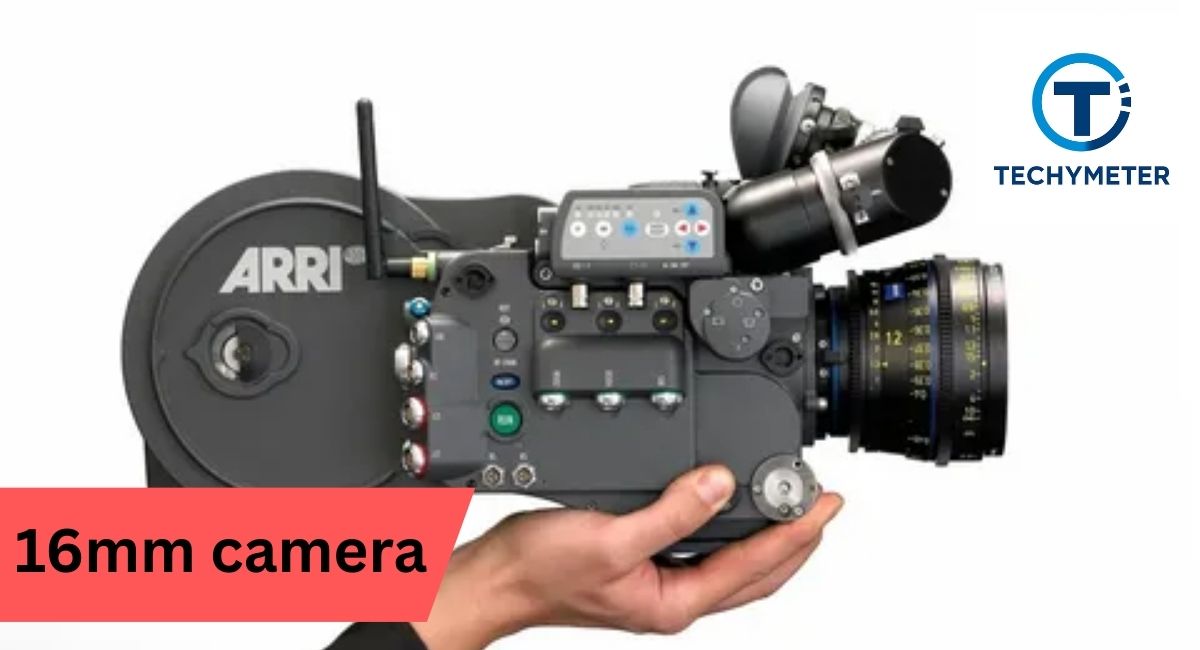
16mm cameras have a unique place in filmmaking. Unlike digital cameras, they deliver a cinematic texture and authentic grain that modern lenses struggle to replicate. Filmmakers appreciate the film aesthetics and the tactile quality that comes with 16mm reels. Whether you are shooting indie filmmaking, experimental films, or narrative projects, a 16mm camera can elevate your visuals.
These cameras also democratized filmmaking. Early Standard 16mm models allowed amateur filmmaking and documentary filmmaking to flourish, making production affordable while still maintaining professional image quality. Today, with the film comeback, directors and DPs are rediscovering the power of 16mm cameras to craft images with soul, depth, and an unmistakable visual signature.
Discover powerful 16mm cameras that deliver stunning cinematic texture, cost-effective filmmaking, and timeless film aesthetics for indie, documentary, and professional projects.
In this article, we discuss “16mm Camera.”
History of 16mm Cameras
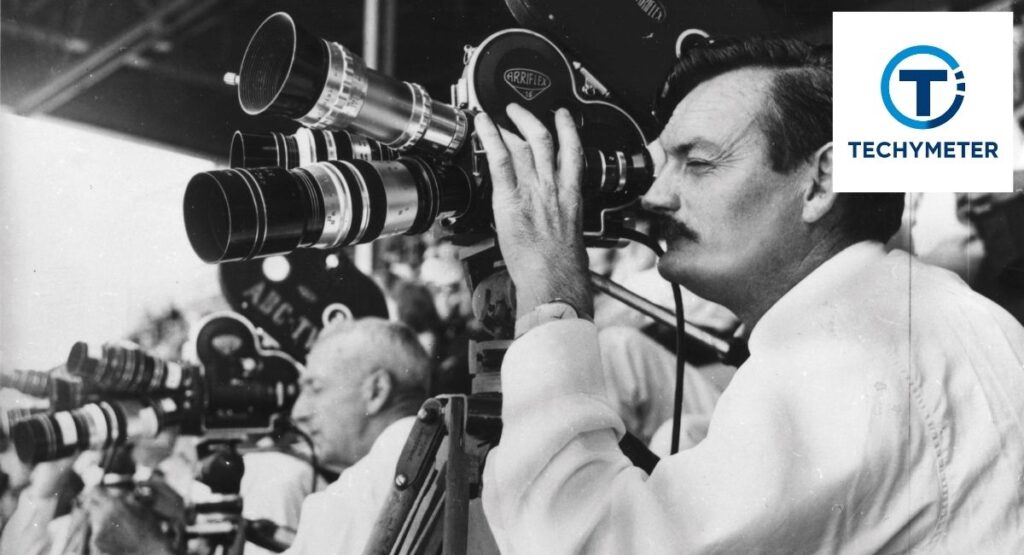
The 16mm format was introduced by Eastman Kodak in 1923. It offered smaller, more affordable film stock, 16mm, than 35mm, making it ideal for amateur filmmaking and non-fiction / news-gathering.
The BBC later adopted it for broadcasting, while Direct Cinema / Cinéma vérité directors embraced it for documentary filmmaking due to its portability. Over the decades, 16mm/Super 16mm cameras evolved.
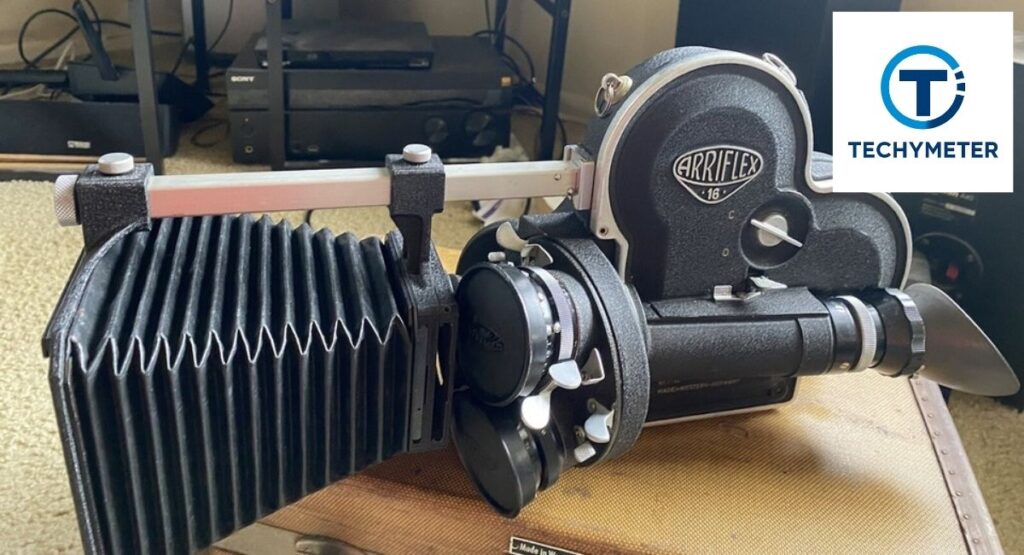
Early Portable 16mm cameras enabled guerrilla shooting in streets, war zones, and remote locations. Iconic cameras like Bolex H-16, K3 Krasnogorsk, and the Arri SR1, SR2, SR3 series became synonymous with professional 16mm cinematography. The Vietnam War footage and countless archival films owe their immediacy to these cameras.
Early Development and Technical Specifications
Early 16mm cameras were designed for portability and affordability. They used 16mm reels with both magnetic and optical 16mm soundtracks, supporting MOS shooting for silent projects. The 16mm frame size and 16mm aspect ratio made it compact yet visually effective, while camera mechanics focused on film handling and reliable projection techniques.
Technically, innovations like Xenon lamphouses, anamorphic lenses, and 16mm camera ergonomics enhanced usability for DPs. Cameras were lightweight but durable, allowing documentary filmmaking and experimental films to push boundaries. This flexibility laid the groundwork for both professional 16mm camera usage and micro-budget filmmaking.
Film Stocks and Formats
The choice of film stock 16mm profoundly affects image quality and cinematography. Filmmakers could pick Standard 16mm for a classic look or Super 16mm for a wider Super 16 aspect ratio, ideal for narrative films. Options ranged from reversal to negative stock, influencing exposure, grain, and workflow.
Today, many directors combine 16mm with digital integration with film. Processing and scanning, from telecine systems to frame-by-frame scanning at 2K or 4K, ensure that 16mm scanning creates a high-resolution digital master. Choosing the right stock, considering film stock price, and planning the shooting ratio are critical for cost-effective filmmaking.
What is 16mm?
16mm is a type of analog film gauge that measures 16 millimeters in width. It’s smaller than 35mm, making cameras and 16mm projectors lighter and more portable. The format produces a unique cinematic texture that digital cameras struggle to mimic, giving films an organic, timeless quality.
This format supports Standard 16mm and Super 16mm, the latter providing a wider Super 16 aspect ratio suitable for modern screens. It revolutionized amateur filmmaking, documentary filmmaking, and Direct Cinema / Cinéma vérité. 16mm camera kits with reels and soundtracks allowed storytellers to capture compelling images at a fraction of the cost of larger formats.
How 16mm Cameras Work
16mm cameras operate by pulling 16mm reels through the camera gate, exposing frames sequentially to light. Many cameras support MOS shooting, while advanced models like Arri 16SRII or Arri 416 allow synchronous sound recording using 16mm soundtracks.
Camera ergonomics and precision sprockets ensure smooth motion and a consistent 16mm frame size. Professional DPs focus on shooting ratio and coverage and takes to maximize efficiency.
Film stock, 16mm, shutter speed, and lens choice determine cinematography quality. Even low-budget shooting can achieve stunning results with proper workflow optimization and careful planning of film stock price, processing costs, and scanning costs (2K, 4K, Cintel).
The Rise of Portable 16mm Cameras
Portability transformed filmmaking. Cameras like the Bolex H-16, the K3 Krasnogorsk, and the Arri SR series made location shooting possible. Portable 16mm cameras allowed documentary filmmaking, guerrilla news coverage, and experimental films to flourish without bulky setups.
This portability also influenced non-fiction / news-gathering during the Vietnam War, giving audiences a raw, immersive perspective. Lightweight 16mm camera kits enabled filmmakers to experiment creatively, enhancing film aesthetics and fostering the democratization of filmmaking across budgets and genres.
16mm Camera vs 35mm and Digital Cameras
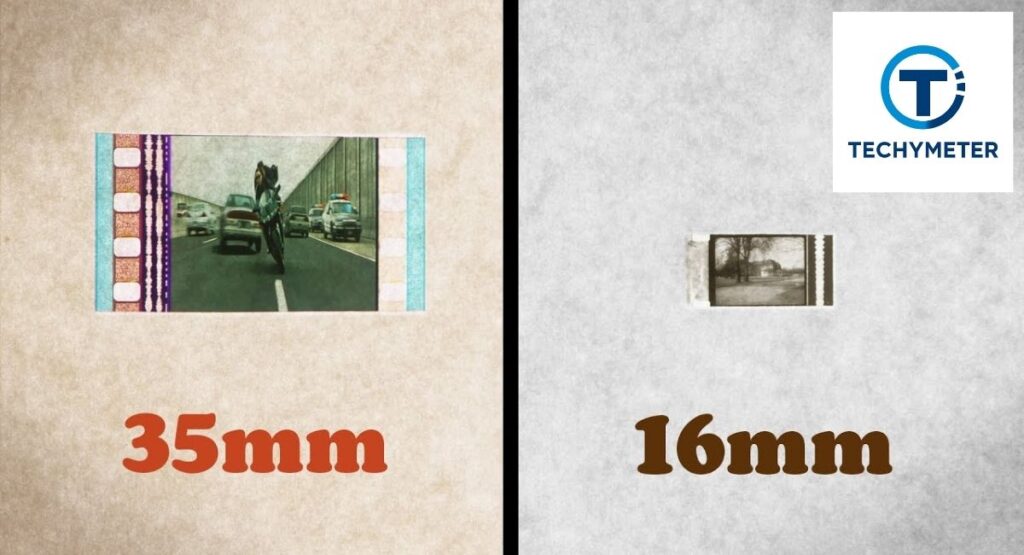
Compared to 35mm cameras, 16mm cameras are smaller, cheaper, and easier to handle, though with a softer image. The 16mm aspect ratio produces a unique cinematic texture, which is often described as warmer and more organic than digital footage. Film aesthetics like grain, motion blur, and depth are natural advantages of 16mm.
Digital cameras dominate modern production due to convenience and cost, but 16mm cameras still excel in micro-budget filmmaking and indie filmmaking. Hybrid workflows using digital integration with film allow scanning 16mm reels to ProRes 422HQ or applying digital color grading, marrying old-school texture with modern flexibility.
The Downside of 16mm Reversal Film
16mm reversal film can produce beautiful image quality and sharp cinematic texture, but it comes with limitations. Unlike negative film, mistakes cannot be corrected during printing, making coverage and timing critical. The high cost of 16mm and processing costs also make reversal less budget-friendly for micro-budget filmmaking.
Additionally, 16mm scanning of reversal film requires precision to avoid color shifts and scratches. Filmmakers working with dialogue scenes or music video filming may find repeated takes expensive. This is why many DPs prefer negative film for larger projects, reserving reversal for experimental films or short projects with careful planning.
What is Super 16mm Film?
Super 16mm expands the 16mm frame size, giving a wider Super 16 aspect ratio perfect for modern digital transfers and cinematic presentation. Cameras like Arri 16SRII and Arri 416 can be adapted for 16mm camera conversion (standard → Super 16), allowing filmmakers to upgrade their gear without replacing entire kits.
The format retains the film aesthetics, cinematic texture, and natural grain of standard 16mm while maximizing screen real estate. Many professional 16mm cameras now support Super 16 to meet modern distribution requirements, combining indie filmmaking charm with digital integration with film workflows.
Standard 16mm vs Super16mm
Standard 16mm has an aspect ratio of 1.37:1, while Super 16mm widens this to 1.66:1, making it ideal for modern HD and widescreen presentations. 16mm frame size and lens choice affect image quality, cinematography, and the ability to crop or digitally scan later.
While Standard 16mm is cheaper and works well for documentary filmmaking or experimental films, Super 16 is better for narrative filmmaking and projects destined for theatrical release. Filmmakers often consider 16mm camera conversion (standard → Super 16) to upgrade existing gear and enhance visual impact without overspending.
Why Use Super16?
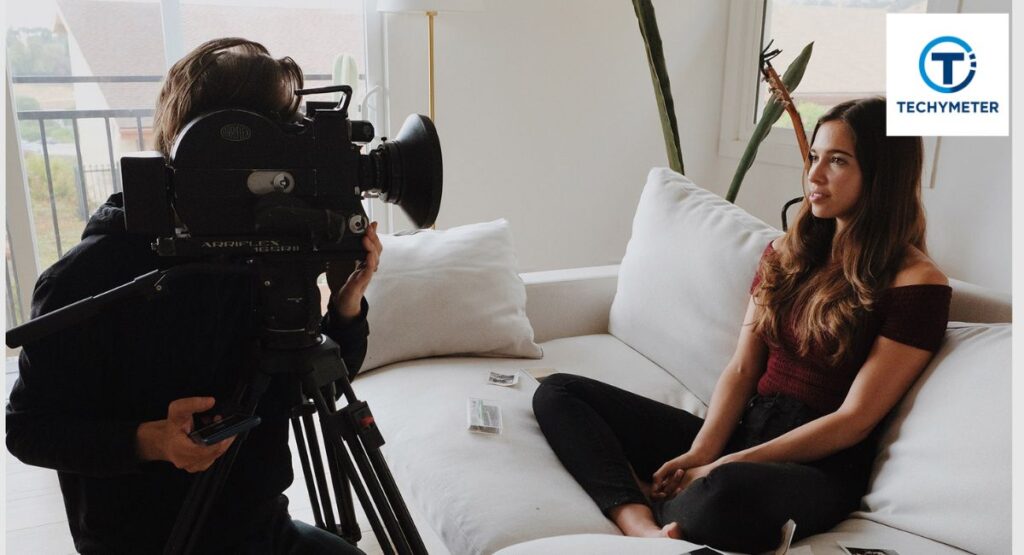
Using Super 16mm maximizes the 16mm camera’s potential by delivering a wider Super 16 aspect ratio, giving films a modern cinematic feel. This format preserves film aesthetics, maintains the natural grain and texture, and improves compatibility with digital integration with film.
For micro-budget filmmaking and indie filmmaking, Super 16 provides a balance between cost-effective shooting and professional quality. Many professional 16mm cameras, such as Arri SR2 or Arri 416, excel in this format, making it a preferred choice for narrative filmmaking, commercials, and experimental films alike.
Production Evolution – Standard, Super, and Ultra 16mm
The evolution from Standard 16mm to Super 16mm and Ultra 16mm reflects filmmakers’ desire for wider 16mm aspect ratios and improved image quality. Early 16mm/Super 16mm cameras like Bolex H-16 and K3 Krasnogorsk provided portability and affordability, enabling amateur filmmaking and documentary filmmaking to flourish.
Modern professional 16mm cameras, such as Arri SR2 and Arri 416, combine film aesthetics with digital integration with film, offering filmmakers a versatile solution. The choice of format impacts shooting ratio, coverage, and takes, and determines how well a project adapts to HD scanning and digital color grading workflows.
Modern Uses of 16mm Cameras
Today, 16mm cameras remain relevant across many fields. They are used in narrative filmmaking, experimental films, music video filming, and documentary filmmaking. Their portability allows shooting in tight locations or remote environments without heavy digital setups.
Even low-budget shooting projects benefit from cost-effective 16mm shooting, using discounted stock / recans / short ends to reduce expenses. Modern DPs often combine digital integration with film, scanning 16mm reels to ProRes 422HQ and applying digital color grading for a cinematic finish.
Best Lenses for 16mm Cameras
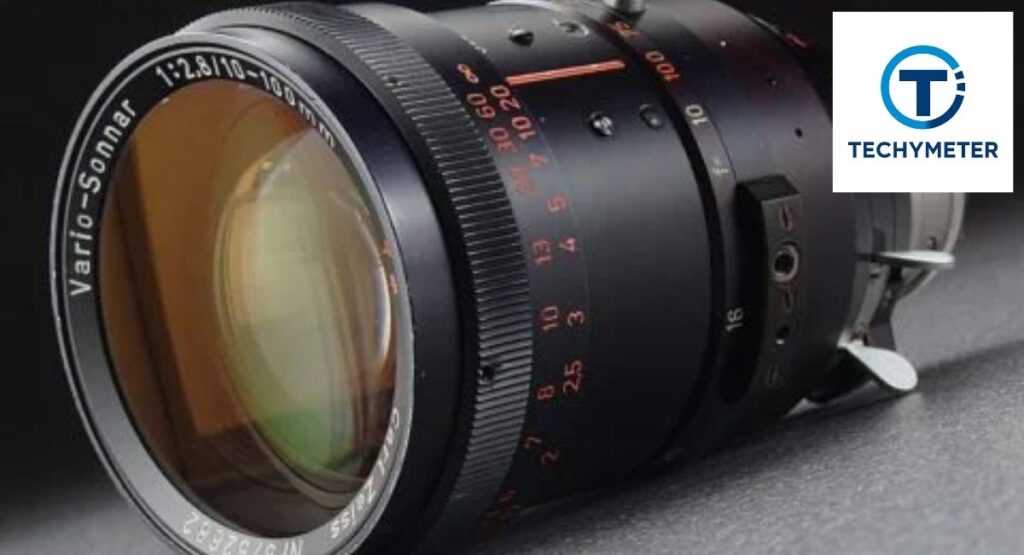
Lens choice defines cinematography and image quality on 16mm/Super 16mm cameras. Prime lenses like Zeiss Super Speeds or vintage Bolex H-16 optics produce sharp images and maintain the 16mm film aesthetics. Wide lenses help capture dialogue scenes in close quarters, while telephoto lenses excel in documentary filmmaking.
Modern filmmakers balance camera ergonomics with lens versatility to optimize coverage and takes. Professional 16mm camera kits often include multi-focal lenses to suit different shooting styles, allowing micro-budget filmmaking to achieve high-quality visuals without excessive camera purchase price.
Shooting Techniques and Tips
Shooting ratio is vital for cost-effective 16mm filming. In micro-budget filmmaking, careful planning reduces wasted film stock and processing costs. Filmmakers often rehearse dialogue scenes to limit takes, ensuring efficiency and precise coverage and takes.
Techniques like MOS shooting for certain scenes, handheld portable 16mm cameras, and controlled lighting enhance cinematic texture. Experienced DPs use digital integration with film to preview 16mm scanning results, blending traditional film aesthetics with modern post-production workflows for optimal image quality.
Film Stock Selection and Development
Choosing the right film stock, 16mm, is crucial for both image quality and cost-effective filmmaking. Color stocks provide vibrant hues, while black-and-white film enhances cinematic texture. Filmmakers often buy discounted stock / recans / short ends to reduce film stock price without sacrificing quality.
Processing and scanning also impact the final output. 16mm processing and 16mm scanning to ProRes 422HQ or 4K ensures your footage is ready for digital integration with film. For micro-budget or indie projects, labs offering bundled services optimize workflow optimization and keep scanning costs manageable.
Maintenance and Storage for 16mm Cameras
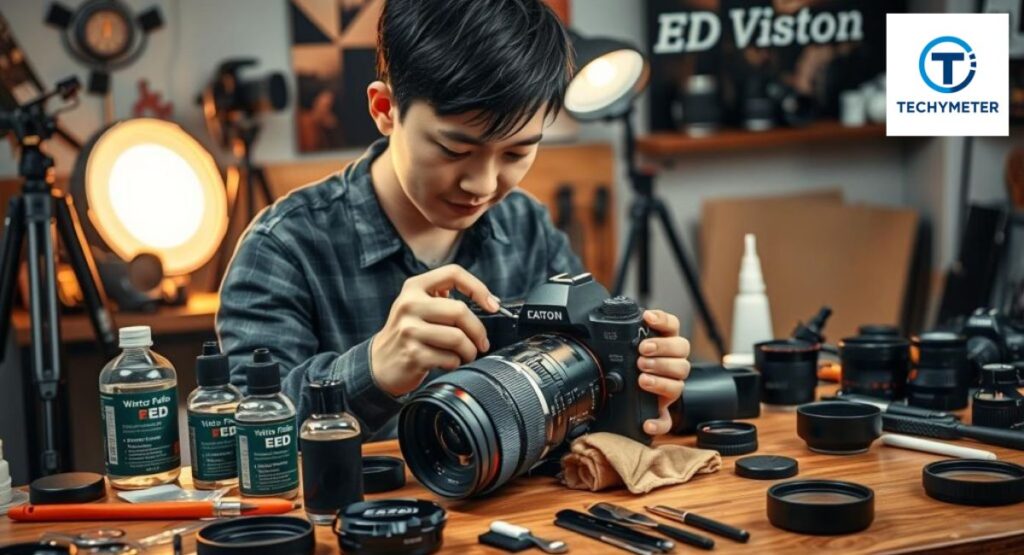
Proper care extends the life of 16mm/Super 16mm cameras like Arri SR2 or Bolex H-16. Regular cleaning, lubricating moving parts, and checking camera ergonomics prevent mechanical failure. For long-term storage, cameras should be kept in dry, temperature-controlled environments to avoid rust and deterioration.
Similarly, 16mm reels require careful handling. Films should be stored at temperature-controlled storage conditions with low humidity. Projection techniques, gate runner and skate replacement, and handling practices prevent damage, scratches, or dirt accumulation, ensuring long-term preservation and access.
Buying Guide – Choosing the Right 16mm Camera
Selecting a 16mm camera kit depends on your goals, budget, and type of project. For micro-budget filmmaking or experimental films, options like K3 Krasnogorsk or Bolex H-16 provide portability and affordability. Professional projects often favor Arri 16SRII or Arri 416, which deliver superior image quality and advanced features like 16mm camera conversion (standard → Super 16).
Consider whether you’ll shoot MOS, need professional 16mm camera ergonomics, or plan for narrative filmmaking. Rentals are viable for occasional use, while owning a kit benefits long-term projects. Compare camera purchase price, film stock price, and processing costs to make cost-effective 16mm shooting decisions.
Where to Learn More About 16mm
For deeper knowledge, books and archival resources provide invaluable insights. Titles covering films shot on 16mm explain cinematography, digital integration with film, and historical context. Institutions like the BFI Conservation Centre offer rare publications and access to archival films, helping filmmakers understand projection techniques, film aesthetics, and Preservation and access methods.
Workshops, online tutorials, and professional forums also guide beginners in indie filmmaking, Direct Cinema / Cinéma vérité, and documentary filmmaking. Learning these methods improves workflow optimization, shooting ratio, and overall image quality for any 16mm/Super 16mm camera project.
Books About Films Shot on 16mm
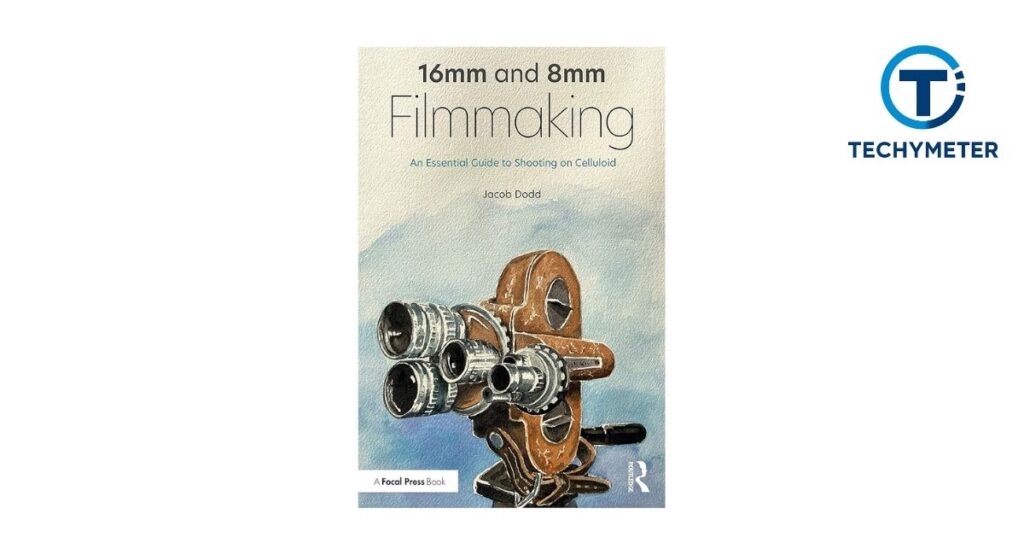
Books focusing on films shot on 16mm are excellent for understanding cinematography, film aesthetics, and the creative limitations of the format. Many highlight indie filmmaking, experimental films, and narrative filmmaking, showing how 16mm/Super 16mm cameras shaped classic and modern productions.
These resources also explain technical aspects like 16mm frame size, 16mm aspect ratio, and 16mm soundtracks (magnetic/optical). For aspiring DPs, such books illustrate shooting ratios, coverage, and takes, and MOS shooting, helping filmmakers optimize workflow while capturing authentic cinematic texture.
Books Available from BFI Conservation Centre
The BFI Conservation Centre offers rare guides on 16mm processing, 16mm scanning, and projection techniques. Researchers can study archival films, understand film fragility, and learn proper film handling.
These books detail Xenon lamphouses, anamorphic lenses, and projection differences between 16mm and 35mm, giving both historical context and practical insights for modern filmmakers using portable 16mm cameras or professional setups like Arri SR1, SR2, and SR3.
Shooting 16mm Today – Digital vs Analog Integration
Modern filmmakers often combine 16mm film with digital integration to balance aesthetics and budget. Shooting analog gives film comeback authenticity, image quality, and cinematic texture, while digital allows easier editing, digital color grading, and workflow optimization.
DPs can use telecine systems or frame-by-frame scanning to convert footage to ProRes 422HQ, preserving the film aesthetics while integrating into modern production pipelines. Cost-effective filmmaking is achievable by mixing low-budget shooting on 16mm with digital post-production.
Underwater, Aerial, and Specialty 16mm Cameras
Specialty 16mm cameras expand creative possibilities. Underwater 16mm cameras enable aquatic documentary filmmaking, while aerial rigs capture dynamic shots from drones or helicopters. Other rigs include MOS shooting options, compact setups for indie filmmaking, and experimental films requiring portability and stability.
Using these cameras requires careful attention to 16mm camera maintenance, camera ergonomics, and workflow optimization. Combining specialty rigs with Standard 16mm or Super 16mm film stock allows for diverse storytelling while maintaining authentic cinematic texture and image quality.
16mm Camera Accessories and Rigs
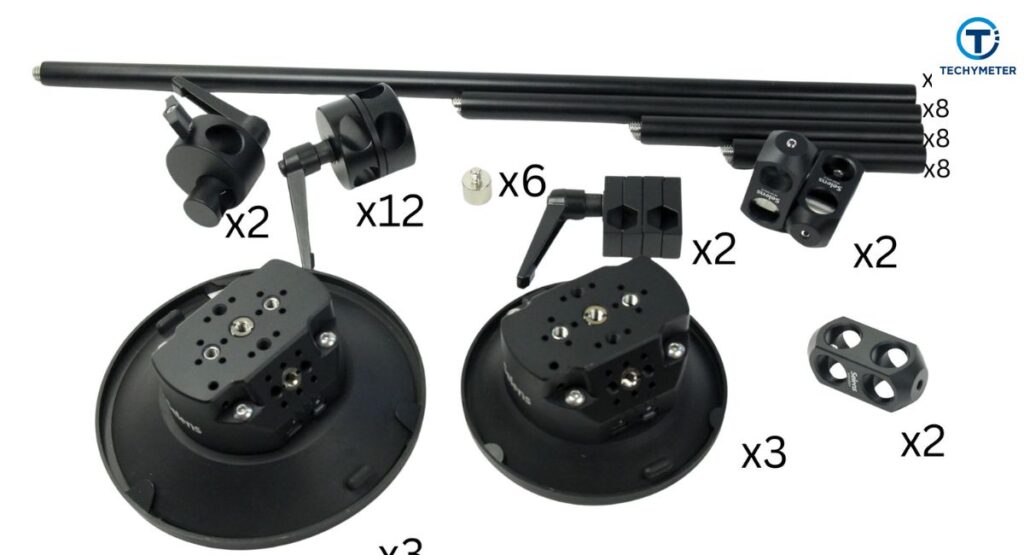
Accessories and rigs enhance 16mm camera ergonomics and shooting flexibility. Matte boxes, follow focus systems, shoulder mounts, and motorized rigs help filmmakers manage coverage and takes efficiently. Arri 16SRII and Bolex H-16 users often customize rigs to match MOS shooting, dialogue scenes, or music video filming needs.
Rigs also protect delicate 16mm reels and support heavy lenses, improving film aesthetics and cinematic texture. For professional productions, accessories like Steadicam adapters and portable cranes allow smooth movement and precise DP (Director of Photography) considerations for both narrative filmmaking and documentary filmmaking.
Budget Considerations – Cost of 16mm Cameras and Film
Shooting with 16mm/Super 16mm cameras can be costly, but micro-budget filmmaking strategies exist. Camera purchase price varies: Arri 416 kits may reach $20,000+, while K3 Krasnogorsk or Bolex H-16 can be found for under $3,000. Renting cameras is an option for short-term projects, reducing upfront investment.
Film stock, processing, and 16mm scanning costs also matter. For example, film stock 16mm averages $150–180 per 400 ft roll, 16mm processing $110–120 per roll, and scanning costs (2K, 4K, Cintel) $250/hr. Using discounted stock / recans / short ends can lower expenses, enabling cost-effective 16mm shooting while retaining image quality and authentic film aesthetics.
Troubleshooting Common 16mm Camera Problems
Filmmakers must anticipate issues like magazine jams, inconsistent frame rates, or mechanical wear. 16mm camera maintenance is crucial for cameras like Arri SR1, SR2, SR3, and portable 16mm cameras. Regular inspection of sprockets, gate runners, and film paths prevents damage to 16mm reels and ensures smooth shooting.
Other problems include scratches, dirt, or exposure inconsistency. Using clean film, careful film handling, and calibrated light meters helps preserve film aesthetics. Understanding the camera’s shooting ratio and planning coverage and taking minimizes mistakes and avoids wasting film stock budget.
Preservation of 16mm Footage
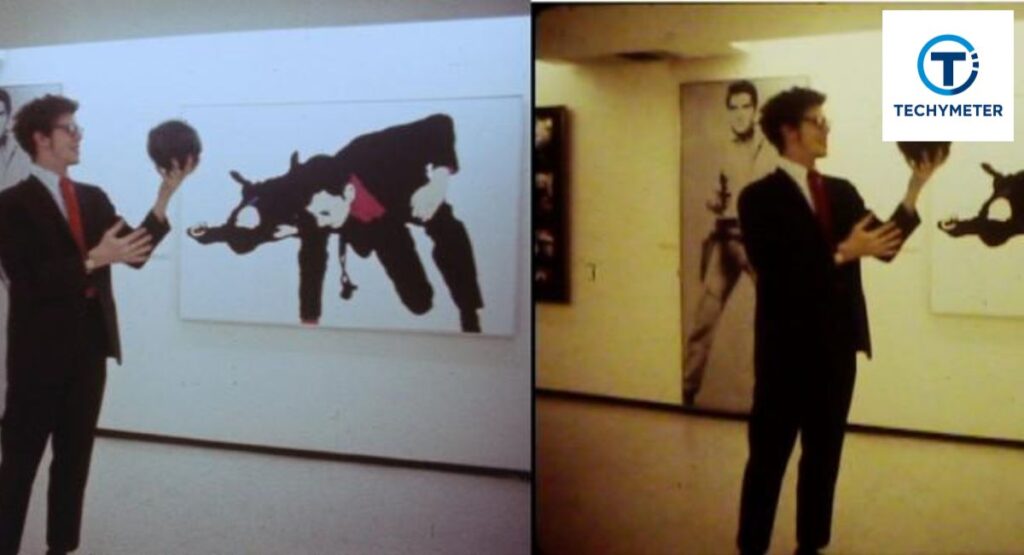
Preserving 16mm footage requires temperature-controlled storage and proper humidity management. Standard conditions are 10–12°C with 35% RH, while long-term storage may drop to -5°C for non-magnetic prints. This protects against film fragility, dirt and scratches on film, and degradation of 16mm soundtracks (magnetic/optical).
Projection practices also affect preservation. Using 16mm projectors with Xenon lamphouses and maintaining gate components prevents wear. Archival handling techniques and film handling protocols ensure footage remains accessible, maintaining preservation and access for future projects, research, and screenings.
K3 Super 16 camera
The K3 Super 16 camera is a powerful filmmaking tool designed for high-quality Super 16mm cinematography, offering filmmakers rich film-like textures and sharp detail. Its compact and durable design makes it ideal for both studio and on-location shooting. With versatile lens compatibility and precise frame control, the K3 elevates creative storytelling to a professional level.
Best 16mm camera
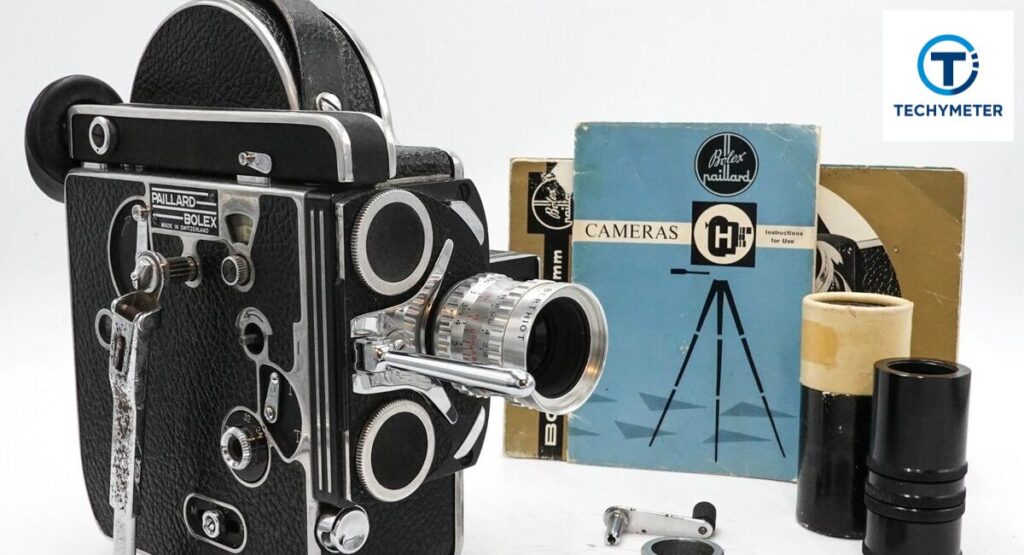
The best 16mm camera combines compact design, high-quality optics, and reliable performance for both amateur filmmakers and professionals. Its ability to capture cinematic footage with rich detail makes it ideal for documentaries, short films, and creative projects. With advanced features and a durable build, it ensures consistent results in any shooting condition.
Best 16mm film camera
The best 16mm film camera combines classic craftsmanship with reliable performance, offering filmmakers rich, grainy textures and cinematic depth that digital cameras often struggle to replicate. Its versatility allows for both professional productions and creative experimental projects, making it a favorite among enthusiasts. With durable build quality and precision mechanics, it ensures consistent, high-quality footage every shoot.
16mm video camera
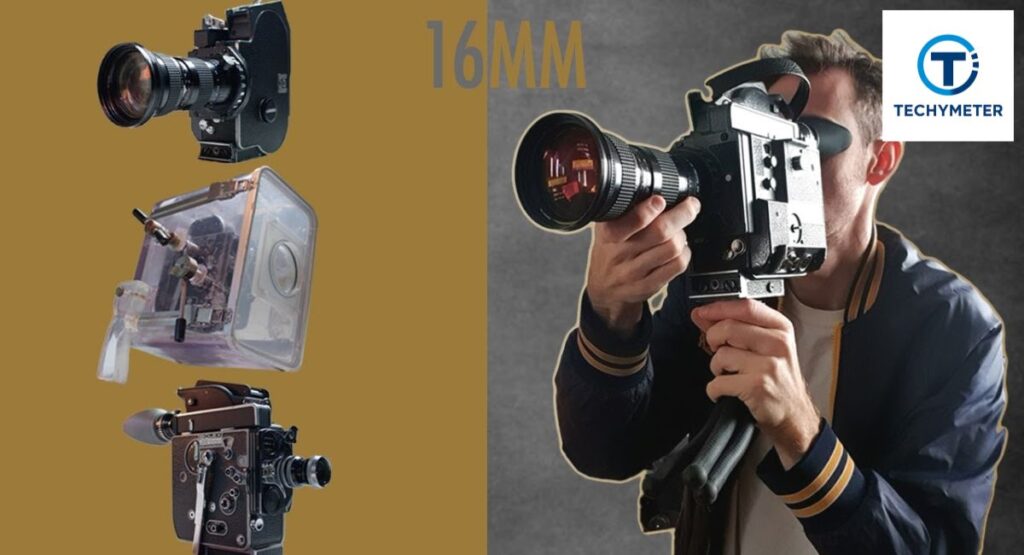
A 16mm video camera uses 16-millimeter film and was widely used in documentaries, news reporting, and military filming before digital cameras. It is known for its cinematic image quality, natural film grain, and strong color depth. Although largely replaced by digital systems, 16mm cameras are still valued for archival work and artistic filmmaking.
Is 16MP good for a camera?
A 16MP camera is generally good enough for everyday photography, capturing sharp and detailed images suitable for social media, prints, and casual use. While higher megapixels can offer more detail, image quality depends more on the sensor and lens than just the MP count. For most users, 16MP strikes a balanced mix of clarity and file size.
Is a 16mm Camera Worth It Today?
Investing in a 16mm camera today depends on your goals. For indie filmmaking, experimental films, or narrative filmmaking, the film comeback has revived the format, offering unmatched film aesthetics and cinematic texture. Cameras like the Arri 16SRII, Arri 416, or Bolex H-16 deliver a unique look that digital simply cannot replicate.
While costs for camera purchase price, film stock 16mm, processing costs, and scanning costs (2K, 4K, Cintel) remain significant, cost-effective filmmaking strategies—like renting, using discounted stock / recans / short ends, and careful workflow optimization—can make shooting Standard 16mm or Super 16mm achievable.
Ultimately, if your vision demands authentic 16mm frame size aesthetics and creative limitations that inspire better cinematography, the investment is justified. The tactile nature of shooting on film encourages thoughtful coverage and takes, enhancing both storytelling and technical skill.
For filmmakers prioritizing digital integration with film, modern 16mm cameras can be scanned into ProRes 422HQ for digital color grading, combining the best of analog film aesthetics with post-production flexibility. In short, a professional 16mm camera remains a powerful tool for anyone passionate about amateur filmmaking, documentary filmmaking, or creating visually rich, lasting cinema.
Conclusion
Shooting with a 16mm camera offers a unique blend of film aesthetics, cinematic texture, and creative authenticity that digital formats cannot fully replicate. From Standard 16mm to Super 16mm, whether using Arri 16SRII, Arri 416, or Bolex H-16, the tactile experience of analog filmmaking challenges filmmakers to be deliberate in coverage and takes, enhancing storytelling.
While costs for film stock 16mm, processing costs, and scanning costs (2K, 4K, Cintel) can be high, strategies like renting cameras, using discounted stock / recans / short ends, and workflow optimization make cost-effective filmmaking possible. For indie filmmaking, documentary filmmaking, or experimental films, a 16mm camera kit is more than equipment—it’s a tool that preserves image quality, inspires creativity, and contributes to the lasting legacy of cinematic art.
FAQs
What is a 16mm camera?
A 16mm camera is a motion picture camera that uses 16mm film, offering a smaller, portable format than 35mm. It’s widely used in indie filmmaking, documentaries, and experimental films for its unique cinematic texture.
Is 16mm or 35mm better?
35mm film provides higher image quality and resolution, making it ideal for feature films. 16mm is more cost-effective, portable, and perfect for indie, documentary, or experimental work.
Is the 16mm film of good quality?
Yes, 16mm film delivers excellent image quality with a distinctive cinematic aesthetic. Though smaller than 35mm, it is sharp enough for theatrical or digital transfer when processed properly.
How good is a 16MP camera?
A 16MP camera produces images with sufficient detail and clarity for most digital and print purposes. It’s ideal for social media, small prints, and everyday photography.
Is 16MP better than 4K?
16MP refers to photo resolution, while 4K is video resolution (~8MP per frame). For stills, 16MP captures more detail, but for video, 4K defines sharpness in motion.
How many photos can 16MP take?
The number depends on storage capacity and file format. For example, a 16GB card can store roughly 3,000–4,000 JPEGs at 16MP, fewer if shooting in RAW.
How many MP is a good photo?
For general photography, 12–16MP is sufficient for prints up to 16×20 inches. Higher resolutions (20–50MP) are useful for large prints or cropping flexibility.
How many GB is 1000 photos?
File size varies by format; 16MP JPEGs average 5MB each. So, 1,000 photos would be roughly 5GB, while RAW files could be 20–40GB.
Is 16MP enough for prints?
Yes, 16MP produces high-quality prints up to 16×20 inches without visible pixelation. For larger prints, higher MP cameras may provide extra detail.
Read More
Which Moultrie Trail Camera Should You Buy? Complete Comparison Guide for USA Hunters
Explore the Future of Aura Photography with the Aura Camera 6000
Best 35mm Camera for Beginners: Your Ultimate Guide to Timeless Film Photography
A Complete Guide to Polaroid Cameras for Weddings
 Ahmedd12