 By Ahmedd12
Japan does not just make cameras — it defines what cameras should be. For over a century, the Japanese camera industry has set the gold standard for optical precision and creative innovation. Whether you shoot sunsets as a hobbyist or cover breaking news professionally, a Japanese-made camera has always been your most reliable partner.
You might already own a Canon Inc., Nikon Corporation, or Sony Corporation camera without fully appreciating the legacy behind that logo. These are not just products on a shelf. They are the result of generations of Japanese engineers obsessing over light physics and shutter mechanics until they achieved something close to perfection.
Japan leads global photography through Canon, Nikon, Sony, and Fujifilm — brands built on century-old precision engineering that photographers worldwide trust unconditionally.
This guide covers the top Japanese camera manufacturers trusted by millions of photographers across the USA.
Industry Overview: Why Japan Dominates the Global Camera Market

When people list the global camera market leaders, every name at the top is Japanese. That is not a coincidence. Japan’s dominance in camera manufacturing in Japan is the result of deliberate industrial strategy, generational knowledge, and a national culture that treats craftsmanship as a form of honor.
The numbers tell a striking story. According to CIPA data, Japanese brands account for over 85% of global interchangeable lens camera shipments annually. Canon Inc., Nikon Corporation, and Sony Corporation alone command a market share that leaves every non-Japanese competitor far behind.
Japan’s Share in the Global Camera Industry
Japan exports billions of dollars worth of imaging equipment every single year. The interchangeable lens camera segment — the most valuable part of the market — is almost entirely controlled by digital camera makers in Japan. From entry-level bodies to professional medium-format systems, Japan produces the gear serious photographers worldwide choose.
Camera sensor technology in Japan adds another powerful layer to this dominance. Sony Corporation manufactures image sensors used not just in its own cameras but inside Apple iPhones and dozens of other devices. Japan does not just dominate camera manufacturing — it literally powers the imaging systems billions of people use daily.
Key Factors That Made Japan a Camera Superpower
Three core factors explain Japan’s rise. First, post-war industrial investment gave Japanese companies government backing to build world-class optical research facilities. Second, fierce domestic competition between Canon Inc. and Nikon Corporation forced both brands to innovate relentlessly — a dynamic that ultimately benefited photographers everywhere.
The third and most fascinating factor is the monozukuri philosophy — a Japanese concept meaning “the art of making things.” This cultural principle instills reverence for craftsmanship at every production stage. It is not a marketing slogan. It is a genuine operational philosophy that makes Japanese cameras feel different the moment you pick one up.
Quick Comparison Chart of Top Japanese Camera Manufacturers
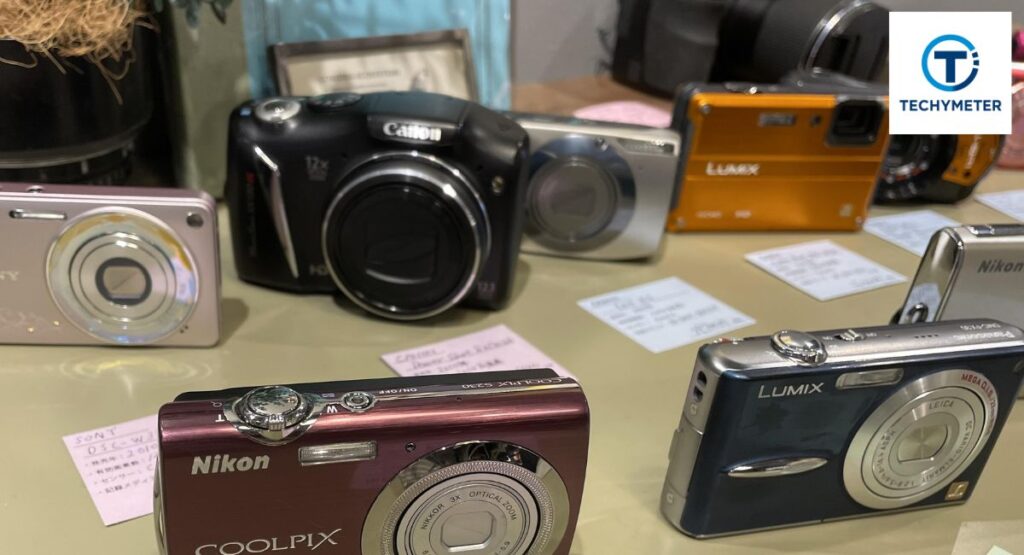
Use this chart as your starting point. Match your primary shooting discipline to each brand’s core strength. A wildlife photographer needs completely different tools from a YouTube content creator. The best Japanese camera makers each solve a specific problem — beautifully.
| Brand | Best For | Sensor Format | Price Range | Mount System |
| Canon Inc. | Overall Use | Full-Frame / APS-C | $500 – $6,000 | RF / EF Mount |
| Nikon Corporation | Precision & Pro | Full-Frame / APS-C | $600 – $7,000 | Z / F Mount |
| Sony Corporation | Versatility & Video | Full-Frame / APS-C | $800 – $6,500 | E Mount |
| Fujifilm Holdings | Retro & Film Sim | APS-C / Medium Format | $700 – $5,000 | X / GFX Mount |
| Ricoh Imaging | Compact & High-End | APS-C | $400 – $2,000 | Pentax K Mount |
| Panasonic Lumix | Video & Content | MFT / Full-Frame | $700 – $3,500 | L / MFT Mount |
| OM System / Olympus | Travel & Compact | Micro Four Thirds | $500 – $2,500 | MFT Mount |
What Makes a Japanese Camera Brand Stand the Test of Time?
Not every brand survives a century. Most technology companies peak quickly and vanish even faster. Yet Canon Inc. has made cameras since 1937, and Nikon Corporation since 1917. These brands have outlasted wars, recessions, the film collapse, and the smartphone revolution. Something deeper than good marketing keeps them alive.
The answer combines three things. Japanese brands build weather-sealed camera bodies designed to last decades. They maintain lens mount system compatibility across generations. And they deliver meaningful camera firmware updates long after purchase — a practice that signals genuine respect for their customers.
The History and Origin of Japanese Camera Brands
The history of the Japanese photography industry begins surprisingly in Germany. In the early twentieth century, German optical companies like Leitz and Zeiss dominated the global camera market completely. Japanese engineers studied German cameras with intense curiosity — disassembling them and identifying every area where improvement was possible.
By the 1950s, the student had surpassed the teacher. Japanese optical technology was producing cameras that matched and then exceeded German quality at significantly lower prices. The post-war Japanese industry received substantial government investment, identifying optical manufacturing as a strategic national priority — a calculated bet that paid off spectacularly.
Canon – Best Overall Japanese Camera Manufacturer
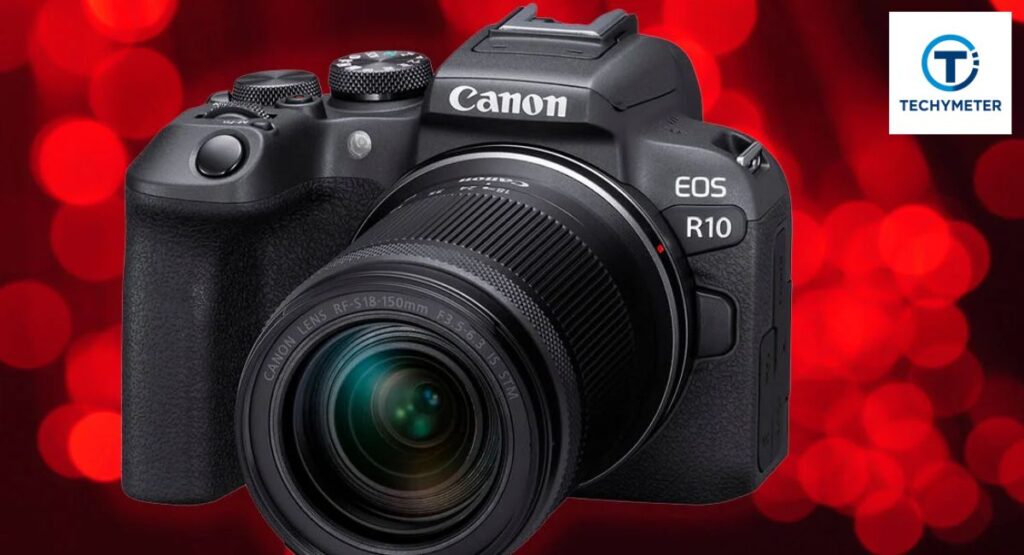
Canon Inc. is not just a camera company — it is a photographic institution. Founded in 1937 in Tokyo, Canon built its name on superior autofocus system performance and an unbeatable lens mount system ecosystem. Today, it remains the top choice for photographers across every skill level in the USA.
Canon’s RF mirrorless system is redefining what full-frame mirrorless photography looks like in 2026. With innovations like AI subject tracking and image stabilization technology built into both body and lens, Canon proves that a longtime Japanese camera brand can still surprise you every single year.
Who Should Choose Canon and Why
Canon suits wedding photographers, portrait artists, and content creators who value color science and autofocus system reliability above everything else. Its skin tone rendering is widely considered the most natural and flattering among all professional camera brands — a genuine competitive advantage in people photography.
Its extensive RF lens mount system makes it genuinely future-proof for serious investors. If you want a brand with deep USA dealer support, proven resale value, and a community of millions of fellow shooters — Canon is your answer. It is the definition of a most reliable camera manufacturer.
Nikon Corporation – Best for Precision and Professional Use
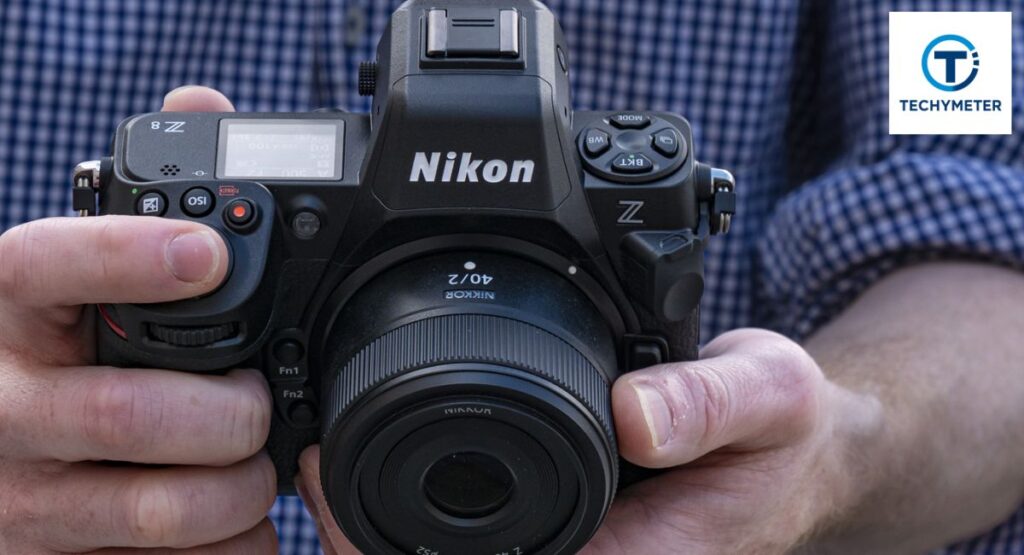
Nikon Corporation is the camera brand that photojournalists swear by and wildlife photographers dream about. Founded in 1917, it has built an unshakable reputation for Japanese precision engineering and rugged durability that holds up under the most punishing field conditions imaginable.
What separates Nikon from the pack is its color rendering and dynamic range — especially in challenging low-light conditions. The Nikon Z9 and Z8 have silenced every critic who once doubted Nikon’s ability to compete in the Japanese mirrorless camera era. Nikon Corporation remains a gold-standard name in professional imaging circles worldwide.
Is Nikon Better Than Sony? A Detailed Comparison
This is one of the most searched questions in photography today — and the honest answer is that it depends entirely on what you shoot. Nikon Corporation wins on ergonomics, color science, optical quality, and build durability. It feels more natural in the hands of photographers who prioritize stills over video.
Sony Corporation wins on autofocus speed, video specifications, and sensor innovation. For hybrid shooters juggling photo and video work daily, Sony pulls noticeably ahead. However, for pure still photography — especially wildlife, sports, and portraiture — Nikon’s Japanese precision engineering delivers results that are genuinely difficult to beat at any price point.
| Feature | Nikon | Sony |
| Ergonomics | ✅ Superior | Good |
| Autofocus Speed | Very Fast | ✅ Fastest |
| Color Science | ✅ Natural & Rich | Clinical but Accurate |
| Video Specs | Good | ✅ Superior |
| Lens Ecosystem | ✅ Extensive | ✅ Extensive |
| Weather Sealing | ✅ Excellent | Good |
| Battery Life | ✅ Better | Average |
| Best For | Stills & Wildlife | Hybrid & Video |
Sony Corporation – Best for Versatility and Innovation
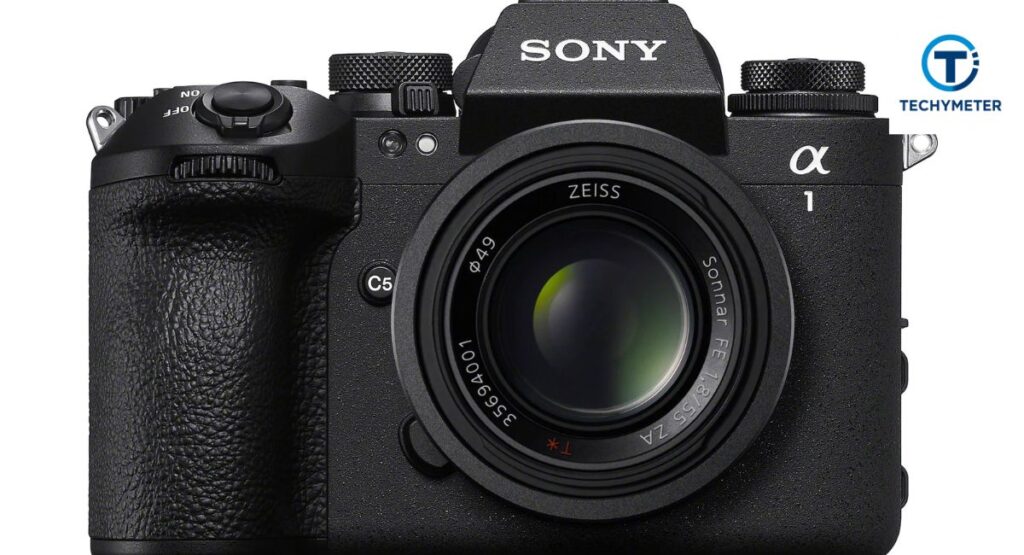
Sony Corporation entered the dedicated camera market late — but it rewrote the rulebook faster than anyone expected. Its full-frame E-mount mirrorless system is the most technically advanced on the market today. No other brand packs as many cutting-edge features into a compact weather-sealed camera body as Sony consistently manages to do.
Sony’s real superpower is its sensor division. It supplies camera sensor technology to Apple, Nikon, and dozens of other manufacturers worldwide. When you shoot with a Sony camera, you are using the world’s most advanced imaging silicon — a quiet but devastating competitive advantage that no competitor has yet managed to overcome.
Sony vs. Canon vs. Nikon: Which Wins in 2026?
There is no single winner in the Sony mirrorless vs Canon mirrorless debate — only the right camera for your specific workflow. Sony wins decisively on video specifications, autofocus technology, and camera sensor technology innovation. Canon wins on color rendering, usability, and overall ecosystem maturity.
Nikon Corporation wins on optical quality, ergonomics, and long-term build reliability. The full-frame camera comparison between these three brands ultimately comes down to your primary shooting discipline. Use the table below to make your decision faster and with complete confidence.
| Category | Sony | Canon | Nikon |
| Best Autofocus | ✅ | Strong | Strong |
| Best Video | ✅ | Very Good | Good |
| Best Color Science | Good | ✅ | Very Good |
| Best Ergonomics | Good | Good | ✅ |
| Best for Beginners | Good | ✅ | Good |
| Best for Wildlife | Very Good | Good | ✅ |
| Best for Portrait | Good | ✅ | Very Good |
| Best Lens Range | ✅ | ✅ | Good |
Fujifilm – Best for Retro Design and Film Simulation
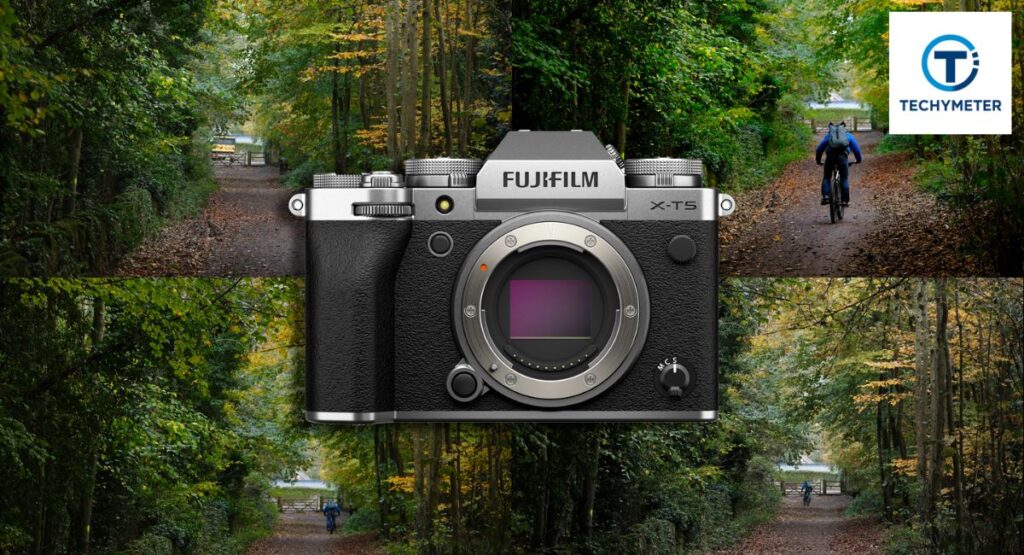
Fujifilm Holdings is the most emotionally resonant Japanese camera brand on this entire list. Its film simulation modes — Velvia, Provia, Classic Chrome — recreate the aesthetic of analog film inside a digital body. For street photographers and visual artists, Fujifilm is not just a tool. It is a deeply personal creative experience.
The X-T5 and legendary X100VI prove that retro design and cutting-edge specifications can coexist beautifully in one body. Fujifilm’s APS-C sensor technology rivals full-frame competitors at a fraction of the cost. If aesthetics and artistic identity matter to your photography, Fujifilm speaks your creative language more fluently than any other brand.
Is Fujifilm Chinese or Japanese? The Truth Behind the Brand
Fujifilm Holdings is 100% Japanese — founded in 1934 in Tokyo and still headquartered there today. Some confusion arises because of its global manufacturing partnerships across multiple countries. However, its R&D, design philosophy, and corporate identity are unmistakably rooted in Japanese optical technology heritage.
The brand’s celebrated film simulation algorithms were developed entirely in Japan using decades of proprietary analog film chemistry expertise. This is not a Chinese brand with Japanese branding. Fujifilm Holdings is one of the most authentically Japanese companies in the entire camera manufacturing ecosystem in Japan — full stop.
Ricoh Company, Ltd. – Best for High-End and Compact Cameras
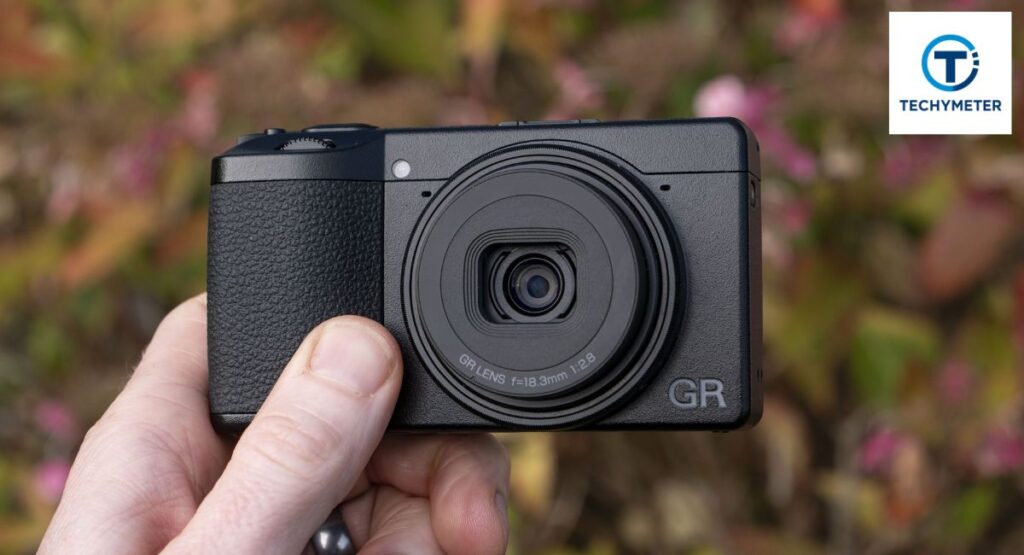
Ricoh Imaging flies under the radar — but photographers who know, absolutely respect it. Its GR series compact cameras are cult favorites among street photographers worldwide. Few cameras deliver this level of optical quality in such a pocketable form factor at such a reasonable price point.
Ricoh’s acquisition of Pentax brought a beloved SLR legacy under its wing. The combined brand now serves a dedicated community of photographers who value Japanese precision engineering and unique color rendering over mainstream popularity. Ricoh proves that niche excellence consistently beats mass-market mediocrity every single time.
Top Ricoh Camera Models Worth Buying in 2026
The Ricoh GR IIIx is the ultimate street photography companion — impossibly sharp, blazingly fast, and genuinely pocket-sized. Its 40mm equivalent focal length and APS-C sensor combination delivers image quality that embarrasses cameras twice its physical size and three times its price.
The Pentax K-3 Mark III serves DSLR loyalists with outstanding Japanese precision engineering and pixel-shift resolution technology. For photographers who refuse to follow the mirrorless crowd, it remains one of the finest DSLR camera brands Japan has produced in the modern era. Every Ricoh model punches well above its weight class.
| Camera Model | Type | Best For | Price |
| Ricoh GR IIIx | Compact | Street Photography | ~$1,050 |
| Ricoh GR III | Compact | Urban & Documentary | ~$900 |
| Pentax K-3 Mark III | DSLR | Landscape & Nature | ~$1,900 |
| Pentax 645Z | Medium Format | Studio & Landscape | ~$5,500 |
| Ricoh GR IIIx Urban | Limited Edition | Collectors & Street | ~$1,100 |
Panasonic Lumix – Best for Video-Focused Photographers
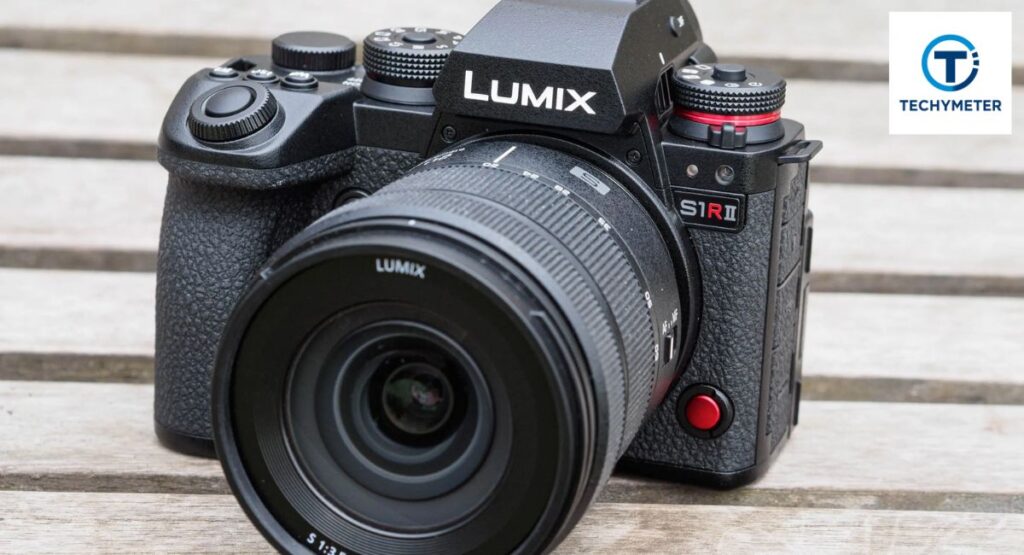
Panasonic Lumix is the secret weapon of videographers and hybrid content creators across America. Its Venus Engine processors and Leica-collaborated camera lens manufacturers’ Japan partnership deliver cinematic quality that rivals cameras costing three times more. For YouTube creators and documentary filmmakers — Panasonic is criminally underrated.
The Lumix S5 II brought a phase-detect autofocus system to Panasonic for the very first time — a genuine game changer for a brand previously criticized for slow autofocus performance. Combined with unlimited 4K recording and Dual Native ISO technology, it has become one of the most complete hybrid cameras in the entire Japanese electronics company’s lineup available today.
Best Panasonic Lumix Cameras for Content Creators
The Lumix G9 II dominates wildlife and action shooting with blazing fast burst rates and outstanding image stabilization performance. Its Micro Four Thirds system sensor delivers remarkable detail in a body small enough to carry everywhere without physical strain or fatigue during long shooting days.
The Panasonic Lumix S5 II is the hybrid shooter’s dream — balancing excellent stills capability with professional-grade video specifications at a price that does not require a second mortgage. The Lumix GH6 remains the most feature-packed video-focused camera under $2,000 in the entire best cameras for photography market right now.
| Camera Model | Best For | Video Spec | Price |
| Lumix S5 II | Hybrid Photo/Video | 6K / 4K 60fps | ~$2,000 |
| Lumix G9 II | Wildlife & Action | 5.7K / 4K 120fps | ~$1,700 |
| Lumix GH6 | Video Creation | 5.7K C4K | ~$1,500 |
| Lumix S1R | High-Res Landscape | 4K 60fps | ~$2,800 |
| Lumix G100 II | Vlogging | 4K 30fps | ~$750 |
Olympus / OM System – Best for Compact Mirrorless Performance
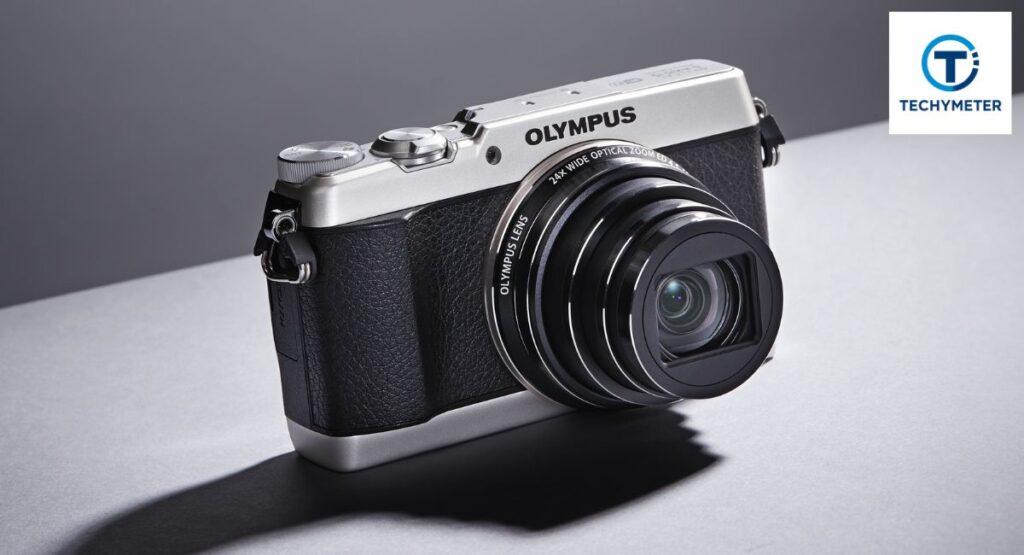
OM System / Olympus pioneered the Micro Four Thirds system format and spent decades perfecting it into something genuinely special. Now rebranded as OM System, it continues that legacy with renewed energy and sharper product focus. The OM-1 Mark II is a weather-sealed camera body beast packed into a remarkably compact package.
What OM System lacks in sensor size, it more than compensates for with computational photography innovations that genuinely redefine what small cameras can achieve. Its handheld high-resolution mode stacks multiple exposures for breathtaking detail levels. For photographers who hike, travel, and explore, OM System’s lightweight ecosystem is a liberating choice that larger format brands physically cannot match.
Why Olympus Cameras Are Still Beloved by Travel Photographers
OM System / Olympus cameras offer a combination that is genuinely rare in modern photography — small bodies, full weather-sealed camera body protection, and optically exceptional results across diverse shooting conditions. A complete travel kit, including body and three lenses, fits inside a single daypack with room to spare.
The image stabilization technology in OM System bodies is among the most powerful ever developed — delivering up to 8 stops of compensation that makes sharp handheld shooting possible in near-darkness. For photographers who refuse to check luggage and still demand professional results, OM System / Olympus remains the undisputed gold standard of travel photography gear.
Kowa Company, Ltd. – Best for Optical Innovation
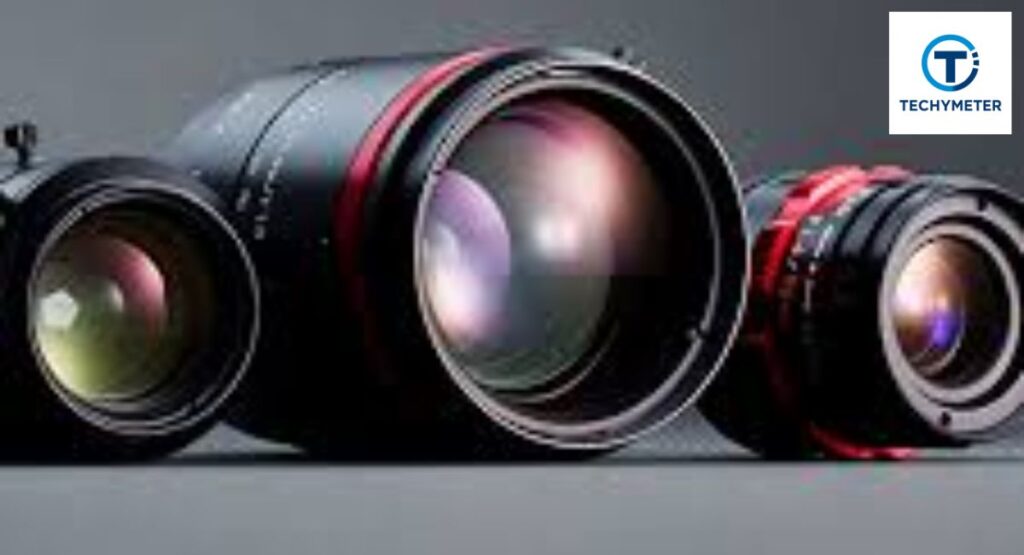
Kowa Optical Products is not a household name among casual photographers — but inside cinema and scientific imaging circles, it commands enormous respect. Founded in 1894, its optical heritage predates most camera competitors by several decades. That extraordinary depth of experience shows clearly in every product it manufactures.
Beyond cinema, Kowa Optical Products manufactures spotting scopes, microscopes, and industrial optical systems used across medicine, science, and military applications. Its camera lenses are prized for exceptional sharpness and minimal chromatic aberration. If you value optical zoom technology purity over brand recognition, Kowa deserves serious consideration in your research.
Who Uses Kowa Lenses and For What Purpose
Cinematographers rely on Kowa Optical Products for narrative film work requiring an authentic anamorphic character. Nature and wildlife photographers use its spotting scopes for digiscoping — attaching camera bodies directly to Kowa spotting scopes to photograph distant subjects with extraordinary magnification and optical clarity.
Scientists and researchers use Kowa microscope optics for precision imaging applications in laboratory environments worldwide. Kowa Optical Products serves an impressively diverse professional user base — compelling proof that genuine Japanese optical technology excellence naturally transcends any single creative category or commercial discipline when the underlying quality is truly exceptional.
| Kowa Product Category | Primary Users | Key Strength |
| Anamorphic Cine Lenses | Cinematographers & Directors | Widescreen look & oval bokeh |
| Spotting Scopes | Wildlife & Nature Photographers | Long-range optical clarity |
| Microscope Optics | Scientists & Researchers | Precision laboratory imaging |
| Industrial Optics | Engineers & Manufacturers | High-tolerance optical systems |
| Binoculars | Birders & Outdoor Enthusiasts | Portable long-range viewing |
Kenko Tokina Co., Ltd. – Best for Photographic Accessories
Kenko Tokina Co. is the brand photographers turn to when they want premium camera accessories in Japan without premium pricing. Its Tokina lenses are particularly beloved by landscape and architecture photographers who need ultra-wide focal lengths at genuinely accessible price points. The brand fills a critical gap in every serious photographer’s kit.
Kenko Tokina Co. quietly serves millions of photographers worldwide who want to extend their existing systems without committing to expensive first-party options. Its filter lineup, lens adapters, and optical accessories represent some of the best value products in the entire camera accessories Japan market — delivering real performance improvements that photographers notice immediately in their work.
Topcon Corporation – Best for Specialized Optical Equipment
Topcon Corporation is the quiet giant of Japanese optics that most photographers have never heard of. While casual shooters remain unaware of its existence, eye surgeons, land surveyors, and agricultural engineers use Topcon Corporation optical systems in their professional work every single day across the USA.
Founded in 1932, Topcon Corporation built some of the finest SLR cameras ever manufactured before pivoting entirely into specialized instrumentation. Its legacy in consumer cameras is historical — but its optical equipment manufacturer’s reputation remains absolutely world-class. Understanding Topcon completes your picture of how broadly Japanese optical technology has shaped industries far beyond photography itself.
Medical and Surveying Optics by Topcon Explained
Topcon Corporation retinal cameras are used in ophthalmology clinics across the USA to detect diabetic retinopathy, glaucoma, and macular degeneration at early treatable stages. These devices require the same extreme optical precision that once went into manufacturing camera lenses — just directed toward saving eyesight rather than capturing photographs.
Its surveying total stations are standard professional tools on major infrastructure projects worldwide — from highway construction to skyscraper foundations. Topcon Corporation represents a fascinating chapter in Japanese camera history — a brand that left consumer photography entirely and found an even more impactful purpose for its extraordinary Japanese precision engineering capabilities.
| Topcon Division | Products | Industries Served |
| Medical Imaging | Retinal cameras, OCT systems | Ophthalmology & Healthcare |
| Geospatial | Total stations, GPS receivers | Construction & Surveying |
| Agriculture | Precision farming systems | Agricultural Technology |
| Historical Cameras | RE Super, Uni, IC-1 | Collectors & Camera History |
| Industrial Optics | Measurement instruments | Manufacturing & Engineering |
The Role of Japanese Engineering in Camera Durability and Performance
Japanese cameras are not just well-designed — they are engineered to genuinely survive. Weather-sealed camera body construction, magnesium alloy frames, and shutter mechanisms rated for 500,000 actuations are standard expectations from serious Japanese camera manufacturers. American photographers working outdoors in harsh conditions know Japanese-built gear simply does not fail when it matters most.
The secret behind this extraordinary durability is Japan’s manufacturing philosophy — zero tolerance for defects combined with exhaustive quality control at every single production stage. While competitors cut corners to hit aggressive price targets, Japanese precision engineering maintains exacting standards that result in cameras lasting decades rather than just years. That longevity delivers genuine long-term value that the initial purchase price never fully captures.
How Japanese Camera Brands Shaped Global Photography
Every iconic photograph you have ever admired was almost certainly captured on a Japanese camera. The Apollo moon landing images. The fall of the Berlin Wall. The first digital wildlife photographs were published in National Geographic. Japanese optical technology was the silent witness to humanity’s most defining visual moments throughout the entire twentieth century.
Japanese brands did not just build cameras — they actively democratized photography for ordinary people. Canon Inc.’s AE-1 made SLR shooting affordable for everyday Americans in the 1970s. Nikon Corporation’s FM2 became the indestructible companion of professional photojournalists worldwide. Sony Corporation’s mirrorless revolution made professional-quality imaging accessible to an entirely new generation of global creators.
Film vs. Digital: How Japanese Brands Survived and Led the Transition
The shift from film to digital in the early 2000s was brutal for the entire photography industry. Kodak collapsed under the weight of its own film dependency. Polaroid vanished almost overnight. Yet every major Japanese camera manufacturer not only survived that seismic disruption — it emerged stronger, more innovative, and more dominant than before.
The reason is straightforward. Japanese brands had quietly invested in camera sensor technology in Japan throughout the 1990s while Western competitors were still defending their film revenue streams. Canon Inc. and Nikon Corporation leveraged existing optical and autofocus expertise seamlessly into digital bodies. Sony Corporation entered the digital camera market and immediately disrupted it with superior sensor technology nobody else possessed.
How Japanese Camera Brands Dominate the Mirrorless Market Today
The mirrorless revolution is now complete — and Japanese camera manufacturers own it entirely and unquestionably. Sony Corporation started it boldly in 2013. Canon Inc. and Nikon Corporation followed with serious full-frame systems. Fujifilm Holdings and OM System / Olympus perfected compact mirrorless. Panasonic Lumix brought video excellence to the format with remarkable consistency.
In 2026, Japanese mirrorless cameras outsell DSLRs by a significant and widening margin across every USA retail channel. The mirrorless camera market share held by Japanese brands collectively exceeds 90% of global interchangeable lens camera sales. No non-Japanese brand holds meaningful market share in this segment. Japan’s dominance here is absolute — and it is accelerating rather than slowing down.
How Japanese Camera Brands Are Embracing AI and Smart Technology
Artificial intelligence is fundamentally transforming what cameras can accomplish — and Japanese camera manufacturers are leading that transformation with genuine conviction. Canon Inc.’s Deep Learning AF, Sony Corporation’s Real-Time Recognition Autofocus, and Nikon Corporation’s 3D subject tracking all use AI to achieve focus accuracy that was simply impossible just five years ago.
The gap between amateur and professional results is closing faster than anyone predicted. AI-powered autofocus systems now recognize human eyes, animal eyes, birds in flight, racing cars, and even specific subjects within complex, crowded scenes. Japanese electronics companies are not merely adopting AI as a marketing feature — they are embedding it deeply into core camera functionality in ways that genuinely transform the shooting experience daily.
Best Camera Models from Japan’s Most Iconic Brands in 2026
Choosing the right camera in 2026 means navigating a genuinely thrilling landscape of options. The Canon Inc. EOS R5 Mark II, Nikon Corporation Z8, and Sony Corporation A7R V represent the absolute pinnacle of full-frame mirrorless performance available to photographers today. Each delivers stunning resolution, blazing autofocus system speed, and impressive video capabilities simultaneously.
For budget-conscious USA buyers, the Fujifilm Holdings X-S20, Sony Corporation A6700, and Canon Inc. EOS R50 deliver remarkable value without meaningful compromise. These APS-C sensor mirrorless cameras punch well above their price class in every measurable performance category. Whatever your budget or shooting style, the best mirrorless camera 2026 option from a Japanese manufacturer exists precisely for your needs right now.
Top Picks for Beginners, Enthusiasts, and Professionals
Beginners entering photography in 2026 are genuinely spoiled for choice among Japanese camera manufacturers. The Canon Inc. EOS R50 offers intuitive controls, excellent autofocus system performance, and a friendly learning curve that builds confidence quickly. The Sony Corporation ZV-E10 II delivers outstanding video quality for aspiring content creators at an entry price that does not intimidate.
Enthusiasts seeking serious performance without professional price tags should look closely at the Fujifilm Holdings X-T5 and OM System / Olympus OM-5. Both deliver exceptional image quality, robust weather-sealed camera body construction, and distinctive shooting experiences that mainstream brands struggle to replicate. For professionals, the Nikon Corporation Z8 and Sony Corporation A9 III represent the current state of the photographic art.
Best Value Japanese Cameras Under $1,000 in 2026
The best budget Japanese camera market in 2026 is extraordinarily competitive. Ricoh Imaging’s GR IIIx delivers street photography performance at $1,050 that cameras three times its price struggle to match in real-world use. The Fujifilm Holdings X-S20 brings 6K video, film simulations, and a fully articulating screen to enthusiast photographers for under $1,300.
For photographers seeking the absolute best Japanese camera under 1000 dollars, the Sony Corporation ZV-E10 II at $750 and Canon Inc. EOS R50 at $680 represent extraordinary value propositions. Both feature modern APS-C sensor technology, capable autofocus systems, and access to expanding lens mount system ecosystems that will serve photographers well for many years ahead.
| Camera | Brand | Sensor | Price | Best For |
| EOS R50 | Canon Inc. | APS-C | ~$680 | Beginners & Vloggers |
| ZV-E10 II | Sony Corporation | APS-C | ~$750 | Content Creators |
| X-S20 | Fujifilm Holdings | APS-C | ~$1,300 | Enthusiast Hybrid |
| GR IIIx | Ricoh Imaging | APS-C | ~$1,050 | Street Photography |
| OM-5 | OM System / Olympus | MFT | ~$1,100 | Adventure & Travel |
| G100 II | Panasonic Lumix | MFT | ~$750 | Vlogging & Travel |
| Z50 II | Nikon Corporation | APS-C | ~$900 | Photography Beginners |
FAQs
Here are the FAQs condensed to one-line answers:
What Camera Brand Is from Japan?
Canon, Nikon, Sony, Fujifilm, Ricoh, Panasonic Lumix, OM System, Kowa, Kenko Tokina, and Topcon are all Japanese brands.
What Is the Oldest Japanese Camera Brand?
Nikon, founded in 1917, is the oldest major Japanese camera brand still in production.
Which Camera Is Best in Japan?
Sony and Fujifilm lead Japan’s domestic market, while Canon holds the top spot globally.
What are the Top Camera Brands in the World?
Canon, Sony, Nikon, Fujifilm, and Panasonic Lumix — all Japanese — dominate global camera sales.
What Are the Big 3 Camera Companies?
Canon, Nikon, and Sony collectively account for the vast majority of global interchangeable-lens camera sales.
Is Nikon Chinese or Japanese?
Nikon is 100% Japanese, founded in Tokyo in 1917 and headquartered there to this day.
Is Kodak a Japanese Brand?
No — Kodak is an American company founded in Rochester, New York in 1888.
Is Fujifilm Chinese or Japanese?
Fujifilm is completely Japanese, founded in 1934 in Yamanashi Prefecture, Japan.
Final Recommendation: Which Japanese Camera Manufacturer Should You Choose?
Choose Canon Inc. for all-around excellence, the deepest ecosystem, and the most natural color science in people photography. Choose Sony Corporation for video supremacy, cutting-edge autofocus system technology, and hybrid shooting versatility. Choose Nikon Corporation for precision optics, professional durability, and exceptional wildlife and sports performance.
Choose Fujifilm Holdings for artistic identity, film simulation joy, and a shooting experience unlike anything else available. Choose Panasonic Lumix for video-first workflows and outstanding value. Choose OM System / Olympus for lightweight adventure and travel photography freedom. Every legendary Japanese camera brand on this list will serve you brilliantly — pick the one that genuinely excites you most and simply start shooting today.
| Your Priority | Recommended Brand | Best Starter Model |
| All-Around Excellence | Canon Inc. | EOS R6 Mark II |
| Video & Hybrid | Sony Corporation | A7 IV |
| Wildlife & Sports | Nikon Corporation | Z8 |
| Artistic & Street | Fujifilm Holdings | X-T5 |
| Content Creation | Panasonic Lumix | S5 II |
| Travel & Adventure | OM System / Olympus | OM-5 |
| Compact & Discreet | Ricoh Imaging | GR IIIx |
Read More
The Best Bird Feeder Cameras of 2026: Smart Picks for Every Backyard
7 Powerful Camera 6 Secrets You Must Know (Complete 2026 Guide)
9 Shocking Truths: Are Construction Cameras Worth It?
How to Charge a Sony Camera: 7 Smart Methods That Work