 By Ahmed11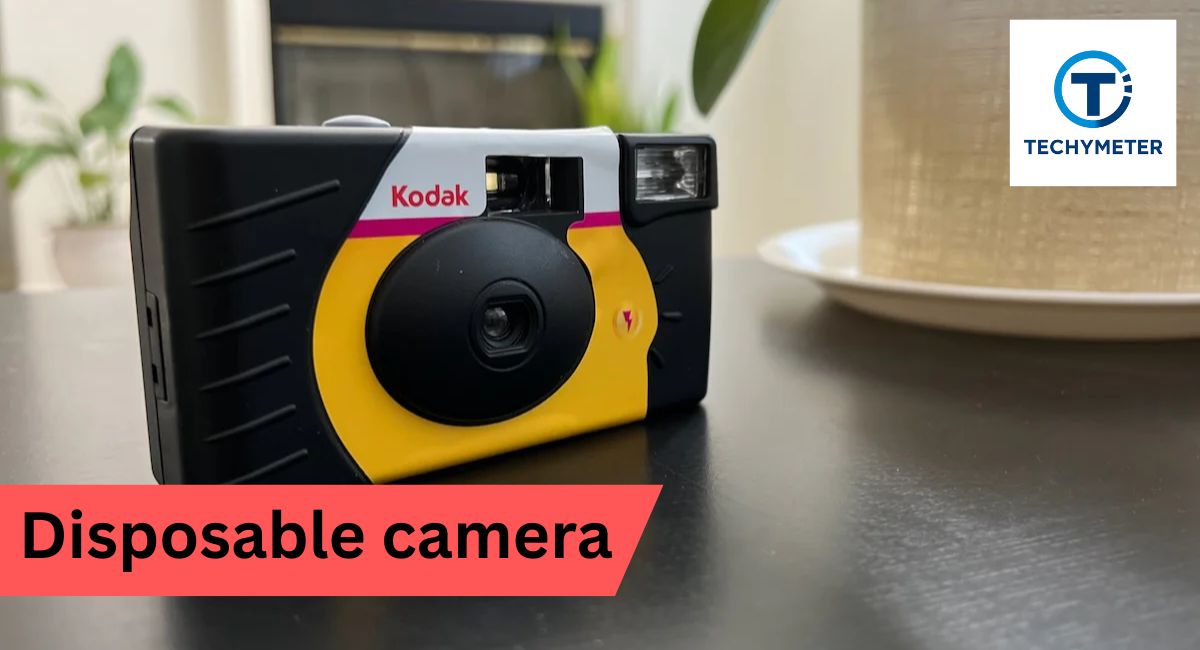
If you’ve ever wondered, “Disposable camera, how many pictures?”, you’re not alone. These simple, one-time-use camera photos have made a huge comeback, blending film photography nostalgia with modern convenience. Unlike smartphones, disposable cameras force you to think before every shot, making each click intentional and meaningful.
Most models offer 24, 27, or 36 shots, giving a clear disposable camera picture limit that beginners and travellers can plan around. Whether you’re at a wedding, party, or on a road trip, understanding your disposable camera shot count ensures you capture every important moment while enjoying the authentic film grain look that only analogue cameras provide.
Disposable cameras offer a nostalgic film photography experience with a fixed disposable camera photo capacity, usually 24–39 shots, encouraging intentional and creative shooting. They remain popular for travel, parties, and events, combining analogue charm with easy development and digital scan options.
In this article, we discuss “Disposable Camera: How Many Pictures?”
Why Disposable Cameras Are Popular Again
Disposable cameras are popular again because people crave authentic, unfiltered moments. Unlike phone cameras that encourage constant retakes, a disposable camera forces you to slow down and value every frame.
This limitation makes photography feel creative and intentional. Today’s American teens and travellers adore that film look because it feels raw, organic, and emotionally nostalgic, producing natural tones and delightful grain.
Another reason for the comeback is that disposable cameras are incredibly easy to use, especially at parties, weddings, and vacations. There are no menus or settings. You point, click, and let the built-in lens and film do the work. Their simplicity and unpredictable results feel refreshing in a digital world.
How Disposable Cameras Work Internally
Inside a disposable camera, you’ll find a small fixed-focus lens, a tiny shutter system, and a rolled 35mm film cartridge that advances one frame at a time. Once you press the shutter, a precise mechanism opens briefly and exposes the film to light. Since the lens doesn’t adjust automatically, every shot depends heavily on lighting, distance, and angle, which gives disposable photos their unique character.
The film is preloaded at the factory, so the user cannot reload or remove it. After taking all the images, the entire camera is handed over to a lab. They open the casing, remove the film, and develop it with chemicals. The simple hardware is what keeps disposable cameras affordable and consistent.
Why Disposable Cameras Have Limited Exposures
Disposable cameras have a limited number of exposures because 35mm film rolls come in fixed capacities—typically 24, 27, or 36 exposures. Manufacturers choose a specific count to balance price, camera size, and ease of development. More shots require a larger roll, which increases the camera’s size and cost.
Another reason for limited exposures is reliability. With too many frames tightly wound in a small shell, the film becomes more prone to tearing or light leaks. Keeping exposure counts lower ensures smoother film transport and reduces the risk of jammed film, especially in cameras designed for beginners.
How Many Pictures Does a Typical Disposable Camera Take
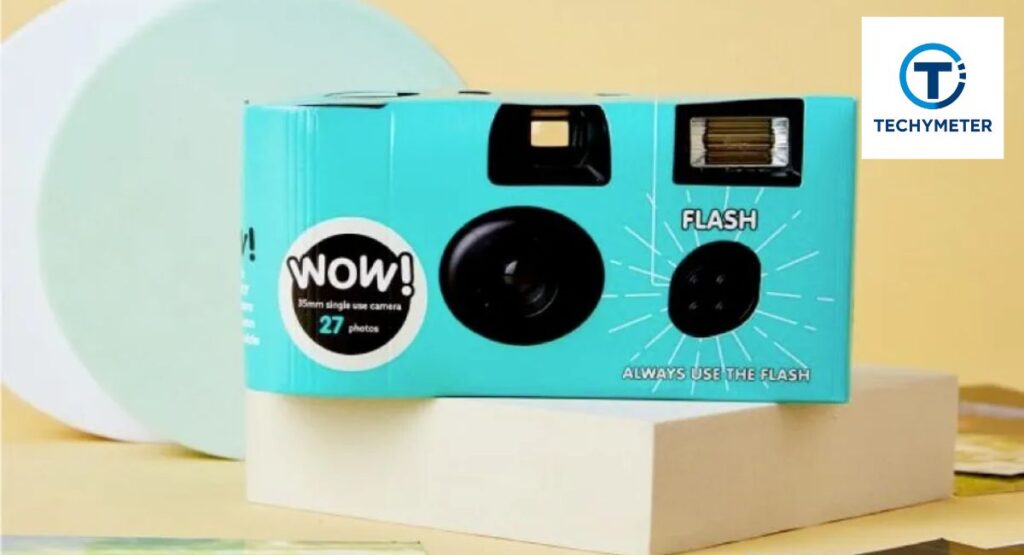
Most disposable cameras offer 27 pictures, making this the standard answer to “disposable camera how many pictures?”. This middle-ground count is ideal for travel, weddings, and casual photography. It’s enough for a full day of shooting without making the camera bulky or complicated.
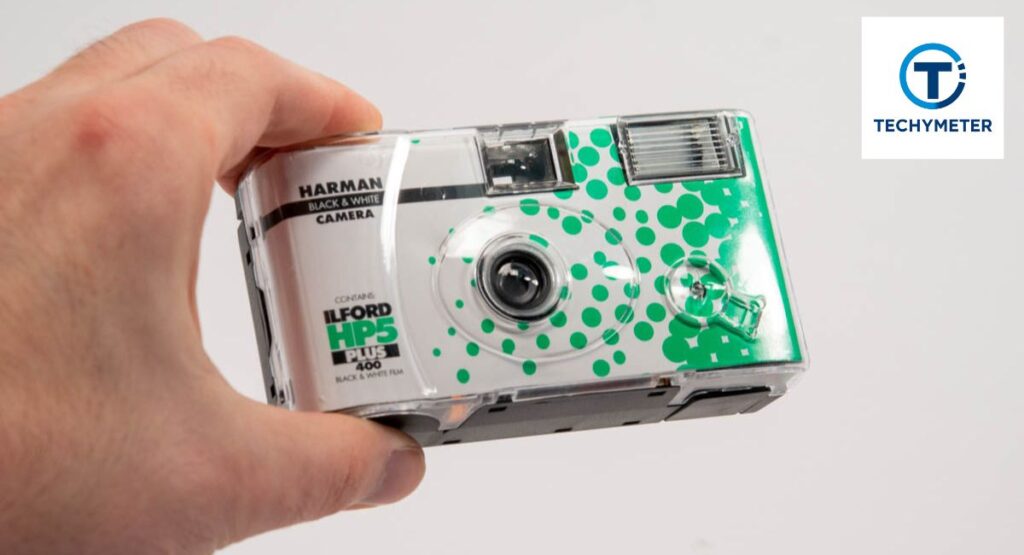
Some brands offer 24-exposure or 39-exposure versions. A 39-exposure model gives more flexibility but is slightly thicker and more expensive. For most users, 27 shots strike the perfect balance between usability and cost. It also matches film development labs’ standard pricing structures.
Kodak Disposable Camera Shot Capacity
Kodak disposable cameras mainly come in 27-exposure and 39-exposure versions. The 27-shot model is the most widely sold in the USA because it’s lightweight, affordable, and perfect for spontaneous photography. The 39-shot version is ideal for events like road trips, graduations, and festivals because it lasts longer.
Kodak also produces specialised disposable cameras such as Kodak Sport Waterproof, which also uses 27 exposures. This keeps all Kodak film processing consistent, making development easier and more predictable.
Comparing Kodak vs. Fujifilm Shot Counts
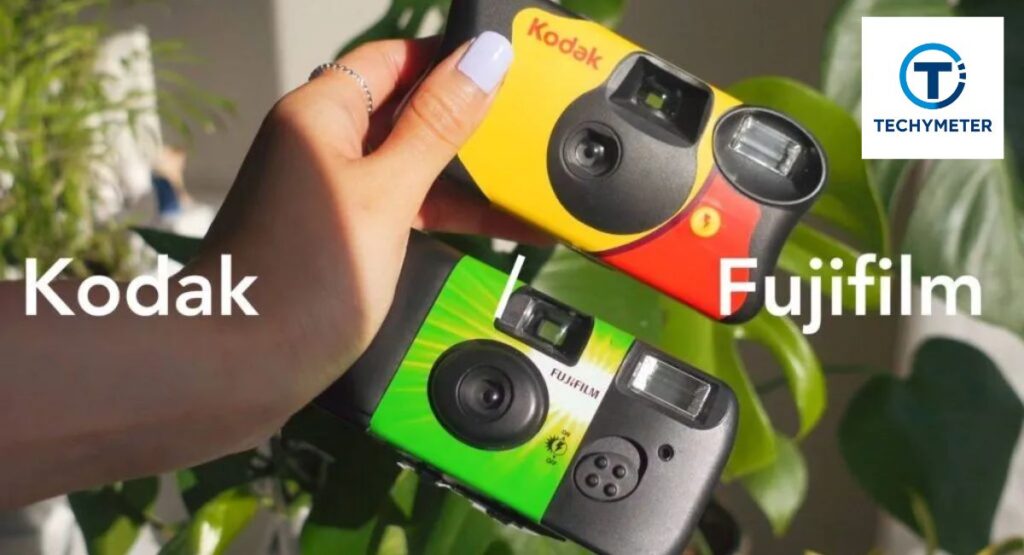
Kodak and Fujifilm both offer disposable cameras with similar exposure ranges, but Fujifilm tends to focus on 27-exposure models for everyday use. Their QuickSnap Flash version remains one of the best sellers in American retail chains because it works well indoors with flash.
Kodak, meanwhile, offers slightly more variation, including 24, 27, and 39-shot versions. Both brands use 35mm film, but Fuji’s Superia film tends to produce sharper greens and cooler tones, while Kodak’s Gold film leans toward warmer, softer colours.
| Feature | Fujifilm Disposable Cameras | Kodak Disposable Cameras |
| Typical Exposure Count | Mostly 27 shots | 24, 27, and 39 shots |
| Popular Models | QuickSnap Flash (best seller in the US) | Various models with slight variations in shot counts |
| Film Type | 35mm Superia | 35mm Gold |
| Color Tone | Sharper greens, cooler tones | Warmer, softer colours |
| Best Use | Every day use, works well indoors with flash | Versatile, options for more shots |
Do All Disposable Cameras Have 27 Photos?
Not all disposable cameras contain 27 photos, though this is the most common count. Some speciality or older models come with 24 exposures, especially travel-focused versions sold at airports. You may also find 36-exposure or 39-exposure versions from Kodak and other brands.
Other niche brands occasionally offer 15-shot mini-cameras, designed for party favours or quick event shooting. So while 27 is standard, it’s not universal.
Are Disposable Cameras Available With More Shots?
Yes, disposable cameras with more shots do exist. Kodak produces 39-exposure versions, which appeal to travellers who want more pictures without carrying multiple cameras. However, increasing the exposure count requires a longer roll of film, making the camera slightly bulkier.
Some off-brand models from Asia also offer 36, 30, or 32-shot variations. These options give you more flexibility but may have inconsistent film quality. If you want both quality and more pictures, choose Kodak or Fujifilm premium editions.
Why Disposable Cameras Run Out Faster Than Expected
Disposable cameras run out quickly because users often forget how few exposures they actually have. When you’re used to taking hundreds of phone photos, 27 shots disappear fast. People also tend to double-shoot the same scene, leading to wasted exposures.
Another reason is flash usage. Many people fire the flash indoors repeatedly, assuming it didn’t trigger. This causes them to take multiple photos unnecessarily. A single disposable camera can run out in minutes if you’re not paying attention.
Differences Between Film and Digital Image Limits
Digital cameras store hundreds or thousands of pictures, while disposable film cameras have fixed shot limits because each exposure physically occupies a frame of film. Once the film reaches the end of the roll, there’s no memory card to expand, delete, or reuse.
The physical nature of film is what makes disposable cameras feel intentional. You cannot overshoot. You cannot delete. This limitation encourages better framing, thoughtful composition, and patience, which many people find refreshing.
| Feature | Digital Cameras | Disposable Film Cameras |
| Storage Capacity | Can store hundreds or thousands of pictures on memory cards | Limited to the number of exposures on the film roll (usually 24–36) |
| Flexibility | Images can be deleted, reused, or expanded with additional memory | No deletion or expansion; each shot is permanent |
| Shooting Behavior | Can overshoot or take multiple shots freely | Encourages careful framing and thoughtful composition |
| User Experience | Instant review of images on-screen | Feels deliberate due to physical film limits |
| Patience & Planning | Less required; easy to reshoot | Promotes patience and consideration before taking a photo |
Disposable Camera Film Cannot Be Replaced
People often ask whether they can reload film into a disposable camera after it finishes, but the simple truth is that disposable camera film cannot be replaced. These cameras are designed as sealed units, and opening them risks tearing the film, exposing it to light, or damaging the internal winding mechanism.
Because the film is tightly preloaded at the factory, the winding gear is not designed for reuse. Each shot pulls the film toward a locked direction, so reusing the camera would cause unpredictable movement or complete jamming.
These limitations are intentional because they ensure stable performance and consistent exposure quality for beginners. You are meant to finish the roll, return the entire camera to a lab, and then receive your prints or digital scans. Trying to reload a disposable camera yourself often ruins the delicate 35mm film exposures inside, so labs strongly advise against it.
What Happens When Disposable Film Is Finished
When the film reaches its end, the camera simply stops advancing. The shutter button may feel stiff or refuse to press, and the winding wheel will no longer rotate smoothly. This is the clearest sign of what happens when disposable film is finished, and it means you’ve used the full disposable camera picture limit.
Many first-time users keep forcing the wheel, which can scratch, tear, or stretch the film inside. That damage shows up later as streaks or blank frames. Once the film stops, you should stop trying to shoot.
You cannot extend the film roll exposure count, and trying to push the camera further may cause permanent loss of your final images. Instead, simply take the camera to a nearby film lab and begin the film development process.
How to Know When a Disposable Camera Is Finished
You can tell a disposable camera is finished when the wheel refuses to turn or the shutter button stops clicking. Some models also include a tiny frame counter, usually located near the top. When it reaches zero, you’ve reached the final shot. Many beginners panic when it feels stiff, but this stiffness is normal because the camera has reached its film capacity.
Another clue is the sound. While winding normally creates a crisp clicking sound, a finished roll creates dull resistance. If it feels like it’s grinding, stop immediately. This prevents scratching the film and preserves your remaining photos.
Can You Keep Taking Photos After Dark?
You can take disposable camera photos after dark, but only if your model has a built-in flash. Without flash, disposable cameras struggle in low light because their lenses use a fixed aperture that doesn’t adjust for nighttime conditions. This means the camera cannot gather enough light to expose the film properly, leading to dark, muddy images with no detail.
Even with flash, you must stand within 5–10 feet of your subject to avoid underexposure. The flash is not strong enough to illuminate a large room or a distant landscape. This limitation is part of analogue photography basics, reminding you that film behaves differently from digital imaging.
Low-Light Disposable Camera Photography
Low-light shooting requires careful attention because disposable cameras are built with fixed settings. You should always use flash indoors, even during the day, because artificial lighting creates mixed colour temperatures.
Flash solves this by adding balanced white light that enhances skin tones. Without flash, your photo may appear grainy or blurred, and the film grain look becomes far more noticeable. At night outdoors, position yourself close to your subject and avoid moving during the shot.
Any small motion becomes more noticeable on film. If the environment is extremely dark, take multiple shots to increase your chances of capturing a usable image, but remember that the disposable camera’s shot count is limited.
Nighttime Disposable Photography Tips
Night photography with disposable cameras becomes easier when you understand distance and direction. Always face your subject directly and avoid pointing the camera toward bright lights because those lights will overpower the frame and cause silhouettes. Move within flash range to maximise sharpness and exposure.
The closer you are, the clearer the image becomes. Another tip is to brace your hands to reduce shaking. Disposable cameras use slower shutter speeds than phones, making them more sensitive to blur. Leaning on a wall or holding the camera with both hands increases stability and helps produce clearer nighttime portraits.
Why Disposable Cameras Have Limited Shots
Disposable cameras have limited shots because every picture uses one physical frame on the film roll. Manufacturers design them with fixed film roll limitations to maintain affordability. More exposures mean more film, which increases cost and reduces portability. A 27-shot camera is the perfect middle ground between capacity and convenience.
This limitation is also part of the charm. When you know you have only a few frames left, you shoot intentionally. This develops a more thoughtful mindset and prevents mindless overshooting. Many photographers use disposables to practice patience and improve composition skills.
Why Disposable Cameras Use 35mm Film
Disposable cameras use 35mm film because it’s the global standard for still photography. The film is small enough for compact cameras yet large enough to capture impressive detail. Labs worldwide already process 35mm film exposures, making it easy and cost-effective for users to develop.
The 35mm format also supports consistent colour reproduction, predictable grain, and wide dynamic range. This is why manufacturers like Kodak and Fujifilm rely on it for their high-quality disposable film cameras. It balances performance and simplicity better than any other consumer film size.
How Many Shots Can You Take Before the Camera Ends
The number of shots depends on the specific model, but most cameras offer 27 exposures, meaning you can take exactly 27 photos before the mechanism reaches its limit. Some Kodak models offer 39 shots, while older travel models may have 24 shots.
When the roll finishes, the winding wheel locks, and the shutter stops triggering. You can’t squeeze in extra shots after the counter reaches zero. The film is precisely cut and perforated, so even if you try to force an additional frame, you will end up damaging the film.
Tips for Beginners Using Disposable Cameras
Beginners should start by mastering lighting, stability, and distance. Keeping your subject in good light improves colour accuracy and reduces the risk of blur. Holding the camera firmly with both hands prevents motion shake. Staying between 3–10 feet from your subject ensures sharp images with appropriate flash coverage.
Another helpful habit is to think before pressing the shutter. Since your disposable camera photo capacity is limited, you must use each frame wisely. Taking a moment to compose your shot increases the chances of capturing something memorable and reduces wasted exposures.
Where to Develop Disposable Camera Film
Once your disposable camera exposures are finished, you need to take the camera to a lab. In the USA, popular options include Walmart, CVS, Walgreens, and specialised online services. Many labs also offer the option to get digital scans from disposable cameras, so you can share photos on social media or keep digital backups.
Online services sometimes provide extra features, such as colour correction and dust removal. Knowing where to develop disposable camera film ensures your pictures arrive safely and maintain quality. Labs handle the delicate 35mm rolls, preserving the film grain look and film roll exposure count.
How Much Does It Cost to Develop Disposable Cameras
Developing disposable camera film generally costs between $12–$18 for prints, with additional charges for digital copies. Premium services may offer better scanning, colour correction, or faster turnaround. Prices vary by location and by the number of exposures, but budget-conscious users can plan their trips knowing the average film developing cost.
If you want intentional shooting with limited exposures, factoring in development cost is important. It encourages thoughtful use of each shot and prevents waste. Many labs offer combo packages, including prints and digital scans, which are convenient for events and travel photography.
How to Get Digital Copies of Film Photos
After developing, labs often provide digital versions of your photos. This is a great way to store images on your computer or cloud service. Whether you use Kodak FunSaver exposures or Fujifilm QuickSnap shots, digital copies make sharing easier while keeping the original prints safe.
Some labs provide USB drives or direct email links. Getting digital scans from disposable cameras is highly recommended if you plan to post photos online. This combines the nostalgic film camera experience with modern convenience.
Film Development Timelines and Delays
Film usually takes three to seven days to develop in-store. Mail-in services may take longer, sometimes up to two weeks. Delays can occur during high-demand periods like holidays or vacations. Understanding how long it takes to develop disposable film helps you manage expectations.
Patience is part of the charm. Waiting for one-time use camera photos adds suspense and enjoyment. By planning, you ensure your memories are preserved, and your disposable camera shot count isn’t wasted.
Best Disposable Cameras for Travel
For travel, the best cameras are lightweight, durable, and offer enough exposures for daily adventures. Models like Kodak FunSaver or Fujifilm QuickSnap provide excellent camera film capacity and easy handling. They also produce vivid colours and maintain consistent 35mm film exposures, perfect for capturing landscapes and city streets.
Travellers love the small size, which fits in a pocket or backpack. These cameras encourage intentional shooting with limited exposures, so you capture only meaningful moments, not random snapshots.
Best Waterproof Disposable Cameras for Outdoor Trips
Waterproof disposable cameras are ideal for snorkelling, beach days, or rainy hikes. Brands like Kodak Sport and Fujifilm Superia offer waterproof disposable camera reviews that praise durability and ease of use. These cameras protect the disposable camera film cannot be replaced from water damage while maintaining exposure quality.
Always test the camera before immersion and stay within depth limits. Water doesn’t stop the camera’s fixed film roll from functioning, so your disposable camera picture limit remains accurate even underwater.
How many photos are in a disposable camera
A disposable camera usually holds 24 to 27 photos, depending on the film roll inside. Most standard models are designed for casual use and simple shooting. Once the exposures are finished, the entire camera is sent for development. Some disposable cameras offer 36 exposures, giving you more chances to capture moments. These versions are ideal for travel, events, or extended outings.
Budget-Friendly Disposable Cameras Worth Buying
Budget-friendly cameras are widely available online and in stores. They provide the same analogue camera film limitations as premium versions but cost less. Models under $10 often use 24 exposure film cameras, which are perfect for parties, casual trips, and beginner practice.
While cheaper cameras may have simpler lenses and slightly lower colour fidelity, they still give the classic film grain look and film camera exposure guide experience. Many users buy multiple cameras for events to ensure they never run out of shots.
Premium Disposable Cameras With Higher Film Quality
Premium disposables offer higher-quality film, more vivid colours, and reduced grain. Kodak and Fujifilm have high-quality disposable film cameras with better flash performance and more consistent exposure. These are perfect for special events where image quality is important.
While pricier, these cameras combine the travel-friendly film camera’s convenience with near-professional results. Users can expect better skin tones, sharper details, and reliable performance even in low-light settings.
Disposable Cameras vs. Smartphone Photography
Disposable cameras provide film photography nostalgia that smartphones cannot replicate. While smartphones offer instant preview and thousands of shots, film encourages thoughtful composition. Every frame counts because of the camera film limitations and behaviour.
The disposable camera vs digital camera experience emphasises patience and intentional shooting. Film photos have a unique film grain look, authentic skin tones, and subtle imperfections that create a warm, organic feel missing in digital photography.
Conclusion
Disposable cameras continue to hold a special place in photography because they blend simplicity, film photography nostalgia, and a tactile, hands-on shooting experience. Understanding how many pictures a disposable camera can take helps you plan your shots wisely and maximise every exposure.
Whether you are using Kodak FunSaver exposures, Fujifilm QuickSnap shots, or other 35mm models, these cameras encourage intentional shooting with limited exposures and make every click meaningful. Their unique film grain look, authentic skin tones, and organic imperfections create memories that feel real and timeless, which modern digital devices often fail to capture.
By following best practices for flash, lighting, stability, and careful framing, you can ensure your disposable camera photo capacity is fully utilised. From weddings and parties to travel adventures and outdoor trips, disposable cameras remain an affordable, portable, and fun option for photographers of all levels, combining the retro film photography trend with modern convenience.
FAQs
1. How many shots does a Kodak disposable have?
Most Kodak disposable cameras offer 27 shots, while some premium models provide 39 exposures. The final count depends on the specific model and usage.
2. Can you reload a disposable camera?
No, disposable camera film cannot be replaced. Once finished, the entire camera must be taken to a lab for the film development process.
3. How long does it take to develop disposable film?
In-store labs usually take 3–7 days, while mail-in services may take up to 14 days. Timing depends on lab workload.
4. How do you get digital copies from disposable cameras?
Labs can provide digital scans on USB drives or via email. This preserves the nostalgic film camera experience while offering online sharing.
5. Are disposable cameras worth buying in 2025?
Yes, they remain popular for travel-friendly film cameras, disposable wedding cameras, and casual events. They offer film photography nostalgia and an intentional shooting with limited exposures experience that digital cameras can’t fully replicate
6. Can disposable cameras take good photos indoors?
Yes, indoor photography works best with built-in flash models. Using how to use flash on disposable cameras tips ensures clear, bright images without overexposure or blur. Non-flash cameras may underexpose in low-light conditions.
7. How to prevent light leaks in disposable cameras?
Keep the camera away from direct sunlight when not in use and avoid opening the casing. How to prevent light leaks in disposable cameras ensures your disposable camera exposures stay protected, preserving colour and contrast.
8. Can disposable cameras be damaged by heat or cold?
Yes, extreme temperatures can warp the camera body or affect film quality. Don’t leave your camera in cars or direct sunlight. Understanding do disposable cameras work in cold weather and heat helps maintain your disposable camera shot count.
9. Should you buy multiple disposable cameras for events?
Yes, for weddings, parties, or trips, buying several cameras ensures you don’t run out of one-time-use camera photos. This is especially useful for group activities or extended travel.
10. Can disposable cameras be shot in the rain?
Only waterproof models are safe in wet conditions. Standard cameras may ruin film when exposed to moisture. Can you shoot disposable cameras in the rain? Advice is crucial for outdoor adventures and ensures your film camera exposure guide remains intact.
Read More
Photography Bags & Cases — The Complete Companion for 2025
The Best Camera Bag for Women – Where Functionality Meets Feminine Style
A Complete Companion: Can You Use a Solar Bowl for a Camera to Charge a Battery?
Complete Guide to T Post Camera Mounts
 Ahmedd12