 By Ahmed11
The Mamiya ZD Camera is one of the most interesting early digital medium-format cameras, known for blending classic design with advanced technology. Released in the mid-2000s, it was among the first cameras to offer a large medium-format sensor inside a DSLR-style body. Its 22-megapixel CCD sensor delivers smooth tones, natural colors, and a unique rendering that many photographers still admire today.
The ZD became popular among studio shooters who wanted high image quality without switching to complex modular systems. Designed for professional photography, the Mamiya ZD remains a rare and respected camera, especially for artists who value vintage digital gear with a timeless look.
The Mamiya ZD Camera is a rare, early medium-format DSLR that combines a 22MP CCD sensor with classic Mamiya handling to deliver rich colors and unique image quality. It remains a cult favorite for photographers who appreciate vintage digital gear with a distinctive look and professional performance.
In this article, we discuss about “Mamiya ZD Camera.”
What Is the Mamiya ZD Camera
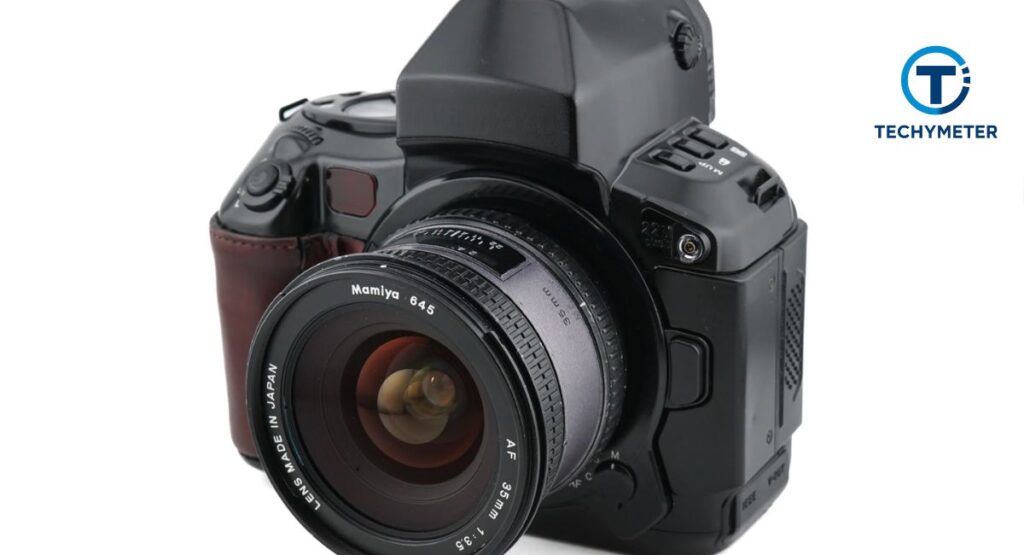
The Mamiya ZD Camera is one of the most fascinating medium-format digital cameras ever created. It was a bold attempt to merge traditional medium format craftsmanship with a fully digital workflow. When it launched, it promised studio-quality images, a huge sensor, and a unique hybrid design.
Even today, the Mamiya ZD remains a rare, mysterious, and deeply discussed camera among photographers. It was one of the first medium-format cameras built entirely as a digital SLR rather than a film body converted later.
This made it special, and it quickly developed a dedicated following among professionals who wanted something different from mainstream digital cameras. Because of its unusual design and limited production, the Mamiya ZD became a camera that photographers still want to understand, test, and own.
History and Development of the Mamiya ZD Camera System
The Mamiya ZD Camera System was first announced in 2004 and officially released in 2006. At that time, digital photography was still developing, and very few brands attempted medium-format digital solutions. Mamiya worked closely with Kodak to develop a custom sensor tailored to the needs of studio photographers.
The development was long and difficult, but Mamiya wanted to build a digital camera that didn’t feel like a compromise. The ZD project combined new digital technology with the strong heritage of the Mamiya 645 system. Even with technical challenges and slow adoption, the ZD made history as one of the earliest medium-format DSLRs.
Why Mamiya ZD Became Legendary
The Mamiya ZD became legendary for offering a complete medium format digital solution at a time when most photographers still depended on film or large digital backs. It gave users a new way to shoot high-resolution images without the huge cost of Phase One or Leaf systems.
Many photographers consider the ZD legendary because it dared to enter a new category. The camera had a blend of innovation and old-school craftsmanship. Even though it had flaws, it showed what medium-format digital could be before the technology matured.
Why the Mamiya ZD Camera Became a Cult Classic in Medium Format
The Mamiya ZD did not become famous for mass popularity. It became a cult camera because only a small number were produced, and many units aged poorly. But those who used it loved the special color science, unique rendering, and unusual camera body. Over the years, collectors gradually recognized it as a rare digital artifact.
Many medium-format enthusiasts search for the Mamiya ZD today because it offers a shooting experience that is unlike modern systems. It feels vintage and digital at the same time, which is what makes it so appealing.
Build Quality and Ergonomic Design of the ZD Body
The Mamiya ZD body is built with a solid magnesium alloy frame. It feels professional, heavy, and stable in the hands. The design follows the layout of traditional Mamiya 645 film cameras, so long-time users felt instantly familiar with it.
The ergonomics reflect old-school camera design. The grip fits well, the buttons are firm, and the structure feels tough. Many photographers say it feels like holding a piece of medium-format history.
Handling Experience: How the Mamiya ZD Feels in the Hand
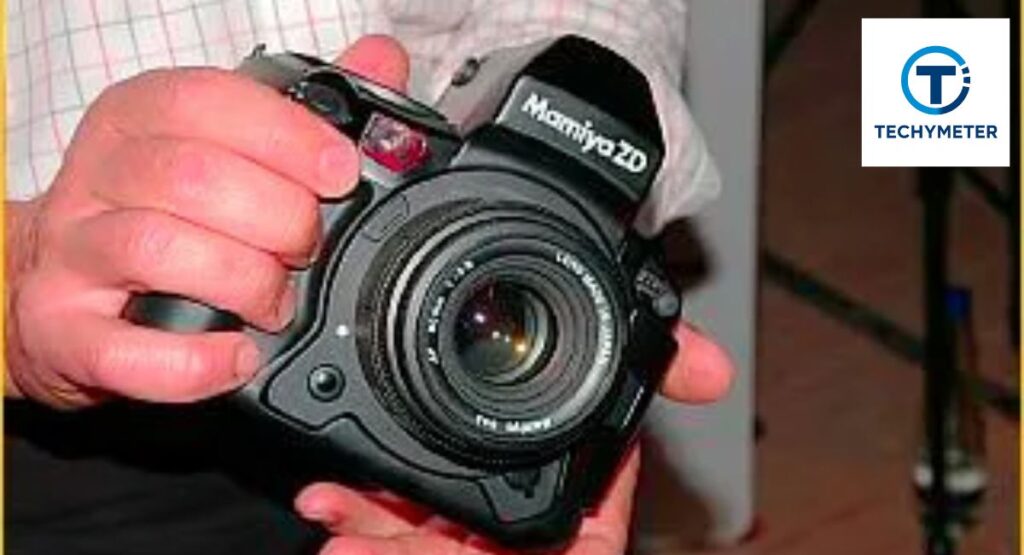
Using the Mamiya ZD gives a slow, thoughtful shooting experience. The weight of the camera encourages controlled movements, especially while composing portraits or landscapes. The shutter sound is deep and mechanical, which many photographers find satisfying.
The camera works best when used with both hands. This gives excellent balance when attaching larger Mamiya 645 lenses.
Build Quality, Handling, and Overall Ergonomics
The ZD is built for professionals who need a sturdy camera for fieldwork or studio use. Its physical controls give a tactile, confident feel. Many modern digital cameras feel lighter, but the ZD has a classic strength that lasts.
Even though it is heavy, the camera is comfortable for long shoots, especially when using a tripod or monopod.
Camera Controls and Menu Layout Explained
The menu system on the Mamiya ZD camera is simple and old-fashioned. Compared to modern touchscreen systems, the ZD uses physical directional buttons and basic LCD menus. This makes it slower to navigate but also easier to learn.
Photographers appreciate that the camera keeps essential settings on quick-access buttons. This reduces the time spent changing menus and keeps attention on shooting.
Viewfinder Quality and Shooting Interface
The optical viewfinder is bright and large, offering a clear view of the scene. Medium-format viewfinders give a different sense of depth compared to full-frame cameras, and the Mamiya ZD continues that tradition.
Focusing through the viewfinder feels natural. Many users prefer manual focus because it gives more control when shooting portraits or products.
Sensor Specs and Image Performance
The Mamiya ZD sensor is a 22-megapixel, 48 × 36 mm CCD sensor made by Kodak. This large sensor produces strong color depth, clean details, and a unique medium-format rendering that many photographers still admire.
The image performance is best at base ISO. With good lighting, the image quality can match modern medium-format cameras.
How Many Megapixels Does the Mamiya ZD Camera Offer
The Mamiya ZD offers 22 megapixels, which may seem low by today’s standards. However, the sensor size is much larger than full-frame sensors, allowing more natural detail and better tonal transitions. This megapixel count is ideal for portrait, product photography, and landscape work.
Sensor Specifications and Image Output Quality
The ZD produces 16-bit RAW files that contain a large amount of color information. The CCD sensor gives a soft, film-like quality that many photographers prefer over CMOS sensors. The output is ideal for printing large images because the tones remain smooth and natural.
Image Colors, Dynamic Range, and Low-Light Performance
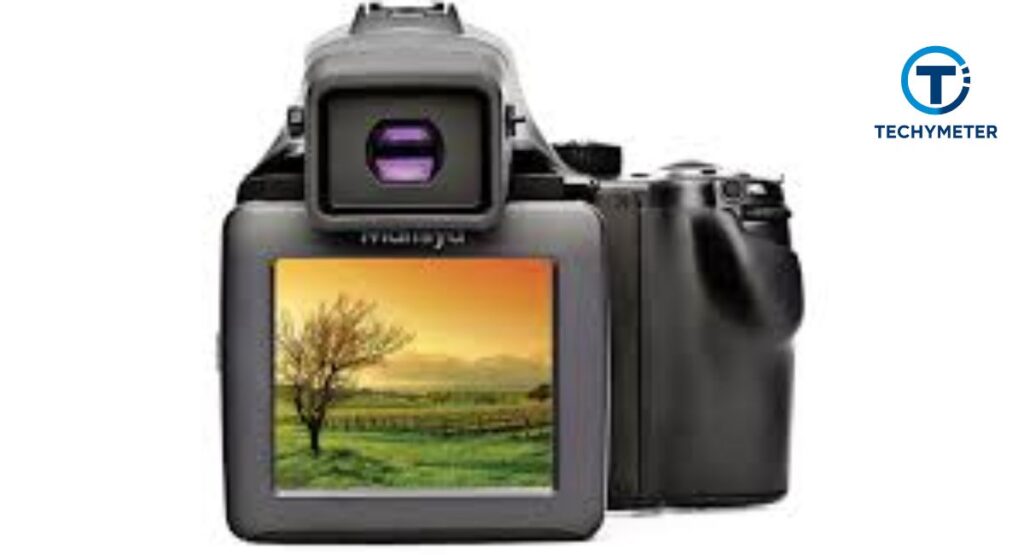
The Mamiya ZD is famous for its color accuracy. The CCD sensor captures natural skin tones and rich blues and greens. The dynamic range is strong, especially when shooting at ISO 50 or 100. Low-light performance is the camera’s main weakness. High ISO images quickly develop noise, so proper lighting is important.
Shutter System, Shooting Speed, and Real-World Usability
The shutter speed ranges from 1/4000 to 30 seconds. The camera also offers mirror lock-up for vibration-free shots, which helps in macro and product photography. The ZD is not designed for fast action. Its shooting speed is slow, but for controlled photography, it performs very well.
The All-in-One DSLR + Digital Back Hybrid System
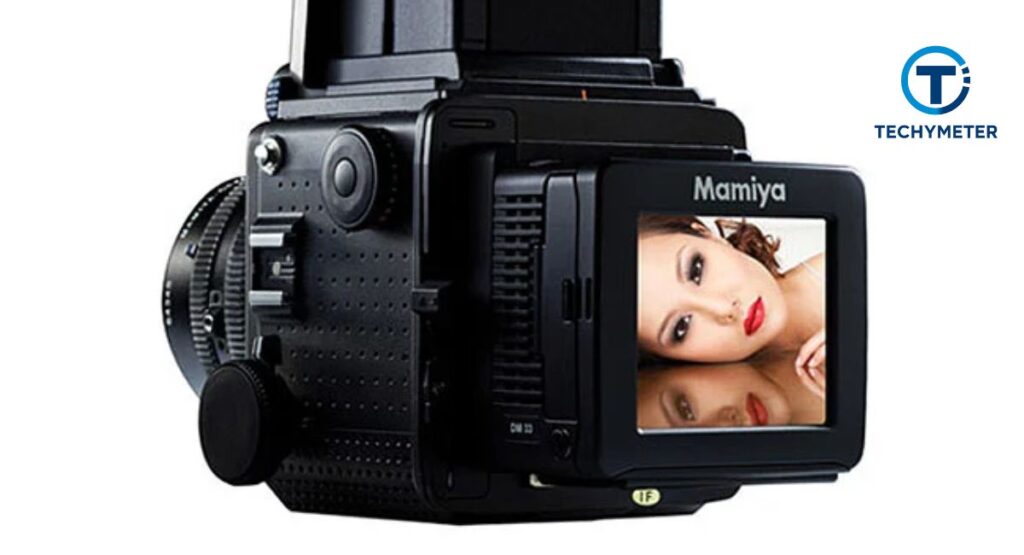
The ZD is unique because it combines a DSLR body with a built-in digital back. This is different from most medium-format cameras that require separate digital backs. This hybrid design saves cost and gives a cleaner workflow for photographers.
The Hybrid Design: DSLR Body + Digital Back Combination
The hybrid design offers the flexibility of medium format with the usability of a DSLR. You get digital quality without needing film, and you still retain the feel of classic medium-format cameras. This combination made the ZD very attractive to early digital photographers.
Mamiya ZD Digital Back vs Full ZD Camera Body
In order to connect the Mamiya ZD digital back to other Mamiya systems, several photographers bought it separately. Others preferred the full ZD camera body for a complete shooting experience. Both versions offer the same image quality, but the full body version is easier for everyday use.
Autofocus Performance and Accuracy on the ZD Camera
The autofocus system is slow but accurate. It works well in bright light, but low-light environments may require manual focus. The system works best with prime lenses that offer smooth focusing.
Autofocus, Metering, and Shooting Experience
Metering is reliable under most conditions. The camera handles highlights well, but sometimes underexposes shadows. Photographers often adjust exposure compensation manually. The shooting experience is slow but thoughtful, which is ideal for art and portrait work.
Metering System and Exposure Reliability
The ZD offers center-weighted, spot, and matrix metering. Each works well depending on the shooting style. Landscape photographers often prefer spot metering to control exposure precisely. In studio environments, the metering performs best with controlled lighting.
Battery Life and Power Management
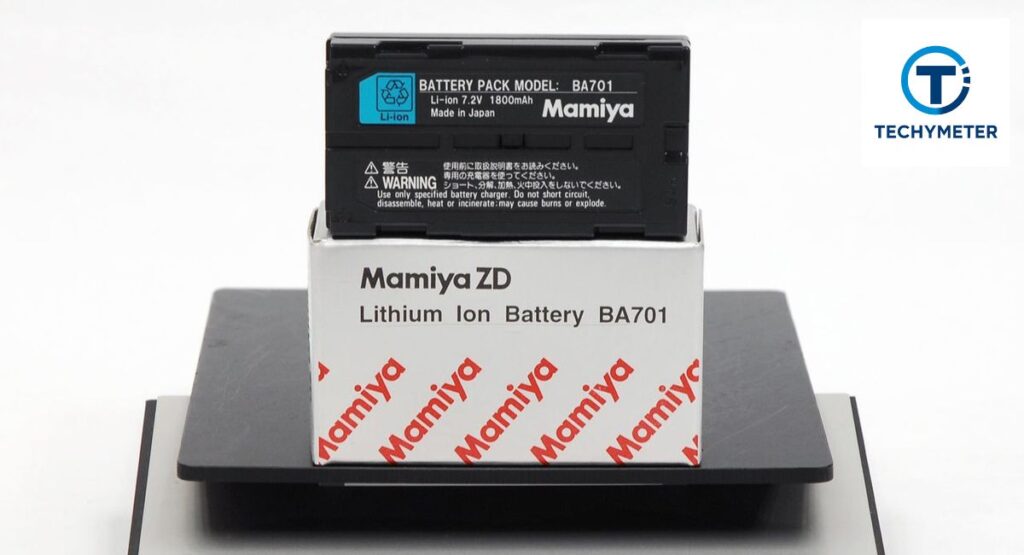
Battery life is not very strong. The camera drains power faster than modern systems because the CCD sensor uses more energy. Keeping extra batteries is essential for long sessions.
Battery Life, Charging, and Power Limitations
Charging time can be slow. Many photographers use external chargers or power adapters in studio setups. The camera performs best in moderate temperatures because extreme conditions affect battery performance.
Lens Compatibility: Best Lenses for the Mamiya ZD Camera
The ZD uses the Mamiya 645AF lens mount. Many classic and modern lenses work perfectly with it, including wide, normal, and telephoto options. The most popular lenses include the 80mm f/2.8 and the 55mm f/2.8.
Using the ZD With Mamiya 645 Lenses
The 645 lenses offer excellent optical quality. Many lenses produce smooth bokeh and sharp details, especially in portrait work. The 80mm is a favorite for studio photographers because it gives a natural perspective.
Lens Compatibility and System Accessories
The ZD works well with extension tubes, adapters, and manual lenses. This allows photographers to experiment with macro and tilt-shift work. The system is flexible for creative photography.
Accessories, Filters, and Add-Ons for the ZD System
Popular accessories include UV filters, ND filters, remote shutters, and tripod plates. Filters help protect the lens and control exposure. Tripods improve stability, especially when using long exposure settings.
Memory Storage, File Formats, and Workflow Issues
The ZD uses CompactFlash cards, which are slower than modern SD cards. Saving files takes time, especially when shooting RAW. Photographers often use multiple cards to avoid workflow delays.
Comparing the ZD With Other Mamiya Medium Format Systems
The ZD differs from film cameras like the RB67 because it offers a full digital workflow. It’s also simpler to use and more portable. Compared to the 645DF, the ZD is older but still offers beautiful image quality.
| Feature | Mamiya ZD (Digital) | Mamiya RB67 (Film) | Mamiya 645DF (Digital System Body) |
| Format Type | Digital Medium Format (22MP CCD) | 120/220 Film (6×7) | Digital Medium Format (for Phase/Mamiya backs) |
| Workflow | Full digital workflow | Entirely analog film workflow | Digital workflow with interchangeable backs |
| Image Quality Style | Clean, CCD look; classic color | Film grain & analog character | Depends on digital back (40–80MP typical) |
| Ease of Use | Simple menus, DSLR-like | Fully mechanical; slow but precise | More modern controls; faster handling |
| Autofocus | Basic AF | Manual focus only | Fast AF with newer lenses |
| Weight & Size | More compact, lighter than RB67 | Very large and heavy | Moderate; lighter than RB67 but larger than ZD |
| Lens Mount | Mamiya 645 mount | Mamiya RB67 mount | Mamiya 645 AF mount |
| Best For | Digital medium format beginners, CCD lovers | Studio portraits, analog shooters | Professionals needing fast, modern digital MF |
| Age / Era | 2004–2006 era | 1970s–1990s | 2010s modern MF system |
| Unique Advantage | All-in-one DSLR-style medium format digital | Massive negative size + rotating back | Works with the latest Phase One digital backs |
How the ZD Compares to Mamiya RB67 and Other Film Models
Film models give a classic look but depend on processing. The ZD offers digital convenience while maintaining medium-format qualities. Both systems serve different creative styles.
Does Mamiya Still Exist? Brand History and Future
Mamiya merged with Phase One, so the brand no longer produces new cameras. However, many Mamiya designs influence modern Phase One systems. The legacy of Mamiya continues through lenses and older camera systems.
Mamiya ZD Camera vs. Modern Medium Format Options
Modern systems like Fujifilm GFX and Hasselblad X series offer faster autofocus, better ISO performance, and higher megapixels. But the ZD still offers a unique CCD look that many photographers appreciate. The ZD is not for everyone, but it has its own charm.
| Feature | Mamiya ZD | Modern Medium-Format |
| Sensor / Resolution | Medium-format CCD, modest by today’s standards | High-res digital (50 MP+) |
| Low-light / ISO performance | Limited, poorer high-ISO performance | Stronger ISO handling, better noise control |
| Autofocus / Speed / Handling | Slower, less responsive | Faster autofocus, more modern handling |
| Workflow & Flexibility | Older digital workflow, basic flexibility | Modern digital workflow, more versatile |
| Image “Look” / Aesthetic | Classic CCD look — rich tone & character | Clean, high detail — more neutral (customizable) |
Why the Mamiya ZD Camera Is Considered “Rare” Today
The ZD had limited production, and many units failed over the years. This made working models harder to find. Collectors often buy the ZD because it represents a rare piece of digital history.
Common Problems and Limitations of the Mamiya ZD
The camera is slow, battery life is short, and ISO performance is limited. Some units experience screen issues or sensor failures. Despite these issues, photographers love the image quality it delivers.
Buying the Mamiya ZD Today — Rarity, Market, and Value
The ZD is rare and expensive in the used market. Many buyers test the camera before purchase to ensure the sensor and electronics work properly. The value depends on the condition, accessories, and included lenses.
Market Price, Availability, and Used Buying Guide
Prices range between $1,500 and $5,000 depending on condition. Mint-condition units are extremely rare. Buyers should always check the shutter count, LCD condition, and sensor cleanliness.
Tips for Maintaining and Using a Vintage Mamiya ZD Camera
Keep the camera in a dry environment to avoid electronic damage. Use lens caps and UV filters to protect optics. Regular battery cycling helps maintain performance.
Real-World Field Test: Performance for Portraits and Landscapes
Portraits shot with the ZD have a gentle softness and natural color. Landscapes look rich and detailed. The camera works best with good lighting and careful composition.
Real-World Experience and Story Behind the Camera
Many photographers describe using the ZD as stepping back into the early days of digital photography. It forces slow, mindful shooting. This is what makes the camera meaningful, even today.
Professional Opinions: Who Should Use the Mamiya ZD Camera?
The ZD is perfect for collectors, studio photographers, and artists who want a unique medium-format look. It is not recommended for action or low-light work. Photographers who appreciate vintage digital gear will enjoy the ZD.
Final Verdict — Is the Mamiya ZD Camera Worth Buying Today?
The Mamiya ZD camera is worth buying if you love medium format, appreciate the CCD look, and want a rare digital collectible. It is not perfect, but it has a distinctive charm that modern cameras cannot replace. The ZD offers a lovely, considerate shooting experience for people looking for something unique.
Conclusion
The Mamiya ZD Camera remains an important milestone in the history of digital photography. It was one of the first medium-format digital cameras designed for photographers who wanted film-level image quality with the convenience of digital technology.
Even today, many photographers admire it for its large sensor, natural color reproduction, and classic Mamiya handling. While newer cameras now offer higher resolution and faster performance, the Mamiya ZD still holds strong value for studio, portrait, and fine-art photography.
It proves that a well-built medium-format system can stay relevant for many years. For photographers who appreciate vintage digital cameras and rich image quality, the Mamiya ZD continues to be a unique and rewarding choice.
FAQs
1. Is the Mamiya ZD still usable today?
Yes, many photographers still use it for portraits and studio work.
2. Why is the image quality unique?
The CCD sensor produces rich colors and smooth tones.
3. Is the Mamiya ZD suitable for beginners?
It is better for experienced photographers due to its manual workflow.
4. How rare is the Mamiya ZD?
Only a limited number were made, making it very rare.
5. Can the ZD match modern cameras?
Not in speed or ISO, but the color quality is still excellent.
6. How many megapixels is the Mamiya ZD camera?
The Mamiya ZD Camera has a 22-megapixel medium-format CCD sensor. Its large 36×48 mm sensor gives richer detail than most DSLRs of its time.
7. Is the Mamiya RB67 a good camera?
Yes, the Mamiya RB67 is famous for its sharp lenses and 6×7 medium-format quality. It is heavy but delivers outstanding film detail for portraits and studio work.
8. Does Mamiya still exist?
Mamiya no longer makes new cameras and was absorbed by Phase One in 2015. The brand name is mostly gone, but its technology continues in Phase One systems.
9. Which Mamiya ZD camera is best in the US?
The full Mamiya ZD Camera body is the best choice in the US because it is complete and easier to use. The ZD Digital Back is good too, but it needs a separate 645 film body to operate.
Read More
Hidden Camera Outlet Adapter – The Ultimate Guide
How Long Does a Vicohome Battery Camera Last? Complete Lifespan Guide & Deep Insights
Hello Baby Camera Only: A Simple Guide for Parents
A Complete Guide to – Disposable camera, how many pictures?
 Ahmedd12