 By Ahmed11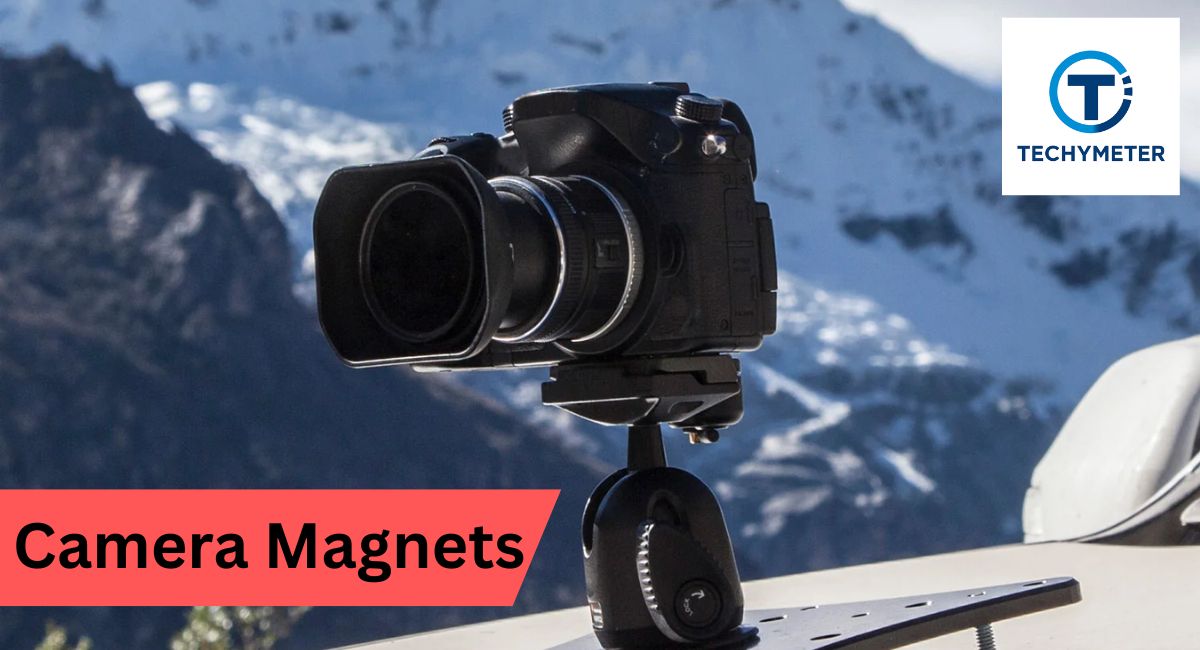
Photography and videography are evolving faster than ever, and today’s creators demand tools that are not only powerful but also efficient. This is where camera magnets enter the spotlight. Once considered niche accessories, magnetic mounting systems have rapidly gained popularity among photographers, videographers, and content creators who value speed, flexibility, and reliability.
From magnetic camera mounts and magnetic filters to innovative magnetic smartphone camera accessories, these tools are reshaping how gear is attached, removed, and managed during a shoot. Whether you’re working in a controlled studio or capturing fast-moving moments outdoors, magnetic camera accessories simplify workflows and reduce distractions.
This complete guide explores how camera magnets work, why they are trending, their safety, real-world applications, and how they are shaping the future of modern photography and videography.
Camera magnets are versatile tools that allow photographers and content creators to quickly attach, remove, and organize camera accessories safely and efficiently.
In this article, we explore “Camera Magnets.”
What Are Camera Magnets?

Camera magnets are precisely engineered magnetic systems designed to securely connect camera accessories without mechanical locking. They replace twisting, screwing, tightening, and clamping with smooth alignment and instant engagement.
Unlike ordinary magnets, photography-grade magnets are calibrated. Strength is controlled. Release is intentional. This balance protects delicate equipment while preserving confidence during movement, vibration, and repeated use.
You’ll find camera magnets embedded in mounts, filters, lens caps, lighting accessories, and mobile rigs. They create invisible efficiency. Once accustomed, traditional mounting feels clumsy and dated.
Why Camera Magnets Are Trending in Photography
Photography culture has changed. Speed now outweighs ceremony. Social content, documentary work, and hybrid shooting demand flexibility. Camera magnets step into that gap naturally.
However, popularity didn’t explode because of trends alone. Magnetic camera systems solve long-standing frustrations. Cross-threaded filters disappear. Lost caps vanish. Setup fatigue reduces dramatically.
There’s also psychological relief. Gear that responds instantly reduces stress. Less resistance equals more creativity. That’s why professionals quietly adopt camera magnets and never look back.
How Camera Magnets Work
The operation behind camera magnets is elegant. Magnets provide attraction. Mechanical frames provide alignment. Friction disappears because guidance replaces force.
When an accessory approaches, magnetic polarity guides it into position. Alignment happens automatically. The frame then absorbs lateral stress that magnets alone cannot manage.
This hybrid design is crucial. It prevents rotation, slippage, and shear force. The magnet isn’t working alone. The system works together, like bones and muscles.
Basic Science Behind Camera Magnets
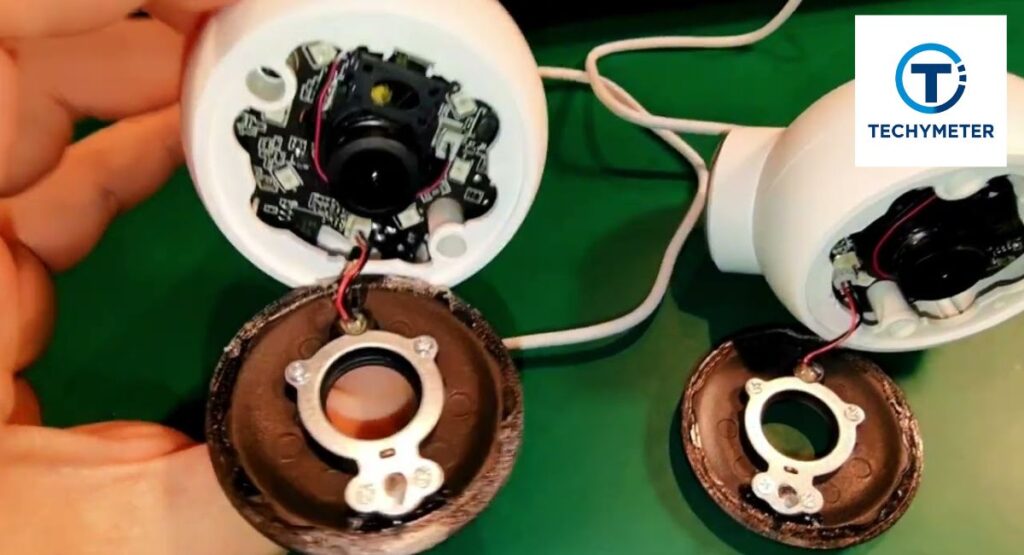
Most camera magnets use neodymium rare-earth magnets, known for high magnetic density. Small size. Big power.
Magnetic strength decreases exponentially with distance. Designers exploit this by tuning thickness, spacing, and shielding. That way, strength exists only where needed, never where it could cause harm.
This is why fears about sensors are unfounded. Modern camera bodies are shielded. The magnetic field never reaches critical internal components.
Types of Magnets Used in Camera Accessories
Premium accessories rely on nickel-coated neodymium magnets. These resist sweat, moisture, oxidation, and abrasion. Durability matters because these parts face constant handling.
Lower-tier products use ferrite magnets. They feel weaker. Over time, inconsistencies become evident. Serious users prefer high-grade camera magnets that maintain performance year after year.
Types of Camera Magnets
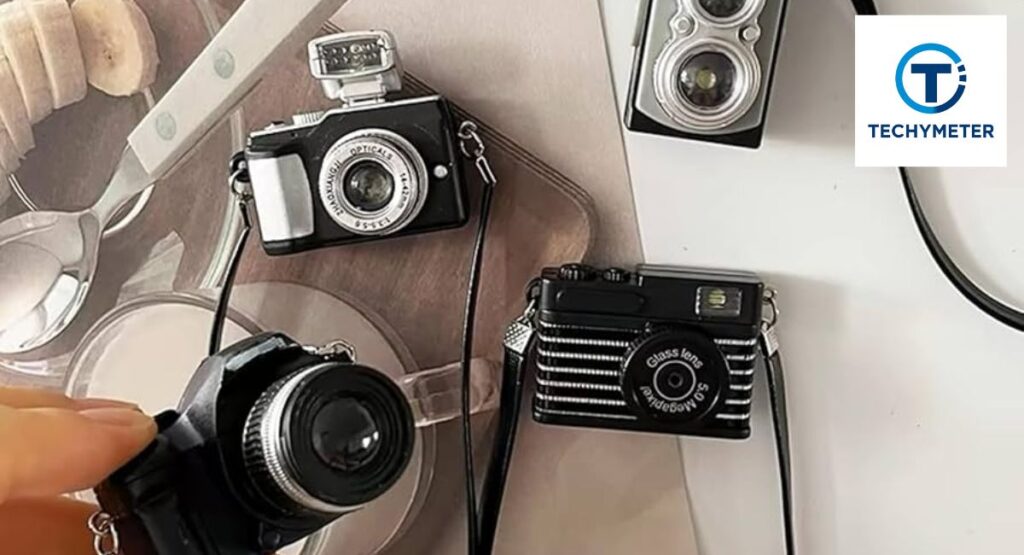
Not all camera magnets serve the same purpose. Each accessory category solves a different pain point. Understanding types prevents wasteful purchases. These systems aren’t gimmicks. They’re practical engineering responses to common photographic frustrations.
Magnetic Camera Mounts
Magnetic mounts allow cameras to snap into place instantly while maintaining alignment. Camera magnets ensure fast engagement with zero play. Studio shooters benefit from repeatable framing.
Content creators appreciate instant transitions. Magnetic mounts reduce mental load during complex shoots. Some mounts also include mechanical lips or safety detents. This dual-security design eliminates accidental drops.
Magnetic Camera Filters
Traditional filters screw on. Slowly. Magnetic versions transform that ritual. Camera magnets allow filters to attach cleanly and evenly with a simple motion.
Light changes quickly outdoors. A magnetic ND system allows fast exposure control without interrupting composition. Timing improves. Missed shots decrease. Image quality remains intact. Alignment is precise. Optical integrity stays preserved.
Magnetic Lens Caps
Lens caps consistently go missing. Magnetic versions stay attached but remove easily. Camera magnets provide gentle resistance without frustration. This improves long-term lens protection. Scratches decrease. Replacement costs vanish. Small upgrade. Big satisfaction.
Magnetic Camera Straps
Quick-release straps using camera magnets allow instant detachment when switching to tripods or gimbals. This improves comfort. Shoulder strain reduces. The camera transitions feel fluid rather than technical.
Magnetic Smartphone Camera Accessories
Mobile photography thrives on modularity. Camera magnets enable lights, grips, lenses, and microphones to attach instantly. This turns phones into flexible production tools. Creativity expands without complexity.
| Type of Camera Magnet | Primary Use | Strength | Best For |
| Magnetic Camera Mounts | Attaching cameras to surfaces | Strong | Outdoor and travel photography |
| Magnetic Camera Filters | Quick lens filter swapping | Medium | Portrait, landscape, or videography |
| Magnetic Lens Caps | Protecting lenses from dust | Medium | Everyday photography |
| Magnetic Camera Straps | Easy camera carrying | Medium | Studio or casual use |
| Magnetic Smartphone Accessories | Mounting or stabilizing phone cameras | Medium to strong | Mobile photography & vlogging |
Benefits of Using Camera Magnets
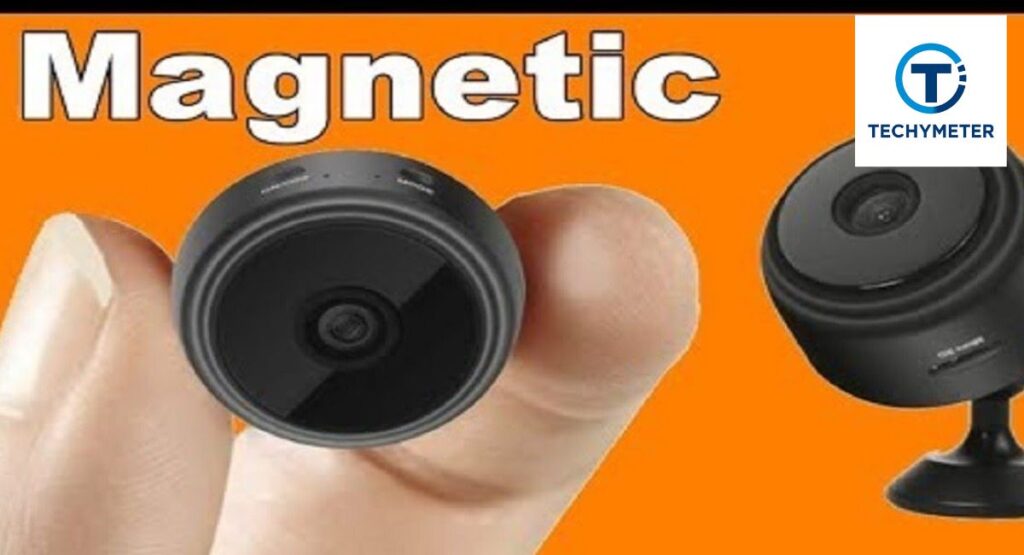
The true benefit of camera magnets lies in compound efficiency. Small time savings accumulate quickly during shoots. They don’t impress on paper. They impress in practice.
Quick Attachment and Removal
Seconds saved become minutes gained. Camera magnets eliminate mechanical delays. Once muscle memory forms, setups feel instinctive, not procedural.
Enhanced Workflow for Creators
Every interruption fractures focus. Camera magnets preserve creative continuity. You think less about gear. You think more about framing, emotion, and timing.
Portability and Convenience
Magnetic systems reduce bulk. Camera magnets replace knobs, clamps, and threaded mechanisms. Travel kits shrink. Bags feel lighter. Movement becomes easier.
Camera Magnets for Professional Photography

Professionals value reliability above novelty. Camera magnets pass scrutiny because they reduce failure points. Less wear. Fewer adjustments. Consistent results.
Use in Studio Photography
Studios rely on precision. Camera magnets ensure repeatable configurations for cameras, lights, and modifiers. Consistency simplifies editing and protects brand identity.
Use in Outdoor and Travel Photography
Field conditions test equipment. Camera magnets resist dust, moisture, and vibration reliably. When momentum matters, smooth transitions win.
Camera Magnets for Videography and Content Creation

Video production multiplies accessories rapidly. Camera magnets simplify this complexity. They reduce setup time and cognitive load simultaneously.
Vlogging and YouTube Setup
Vloggers reset often. Camera magnets allow fast repositioning without stabilizer recalibration. Energy remains high. Fatigue stays low.
Magnetic Accessories for Reels and TikTok
Short video demands speed. Camera magnets support fast transitions between vertical, handheld, and tripod modes. Creativity stays spontaneous.
Are Camera Magnets Safe for Cameras?
Safety doubts arise naturally. Quality camera magnets are engineered with shielding and spacing. Risk appears only when using cheap, uncertified products.
Impact on Camera Sensors
Camera sensors are shielded by design. Camera magnets operate at safe distances. There is no measurable degradation over extended use.
Impact on Memory Cards and Electronics
Solid-state memory is immune to magnetic interference. Camera magnets pose no threat to stored data. Safety testing confirms compatibility.
How to Choose the Best Camera Magnets
Choosing blindly leads to disappointment. Camera magnets vary significantly in engineering quality. Focus on balance, materials, and compatibility.
Magnet Strength Explained
Stronger isn’t always better. Camera magnets must match accessory weight precisely. Excessive force reduces usability and can cause stress mounts.
Build Quality and Materials
Premium finishes protect longevity. Camera magnets benefit from coated metals and reinforced frames. Feel matters. Consistency matters.
Compatibility with Camera Brands
Mounting standards matter deeply. Camera magnets must align with plates, lenses, or cages. Misalignment ruins trust instantly.
Best Camera Magnet Accessories You Can Buy
Quality accessories justify their price through longevity. Camera magnets excel when properly engineered. Cheaper options feel adequate until they fail.
Top Magnetic Filter Systems
High-end systems maintain optical alignment under stress. Camera magnets ensure filters sit perfectly flat. Color accuracy remains consistent.
Best Magnetic Mounts for Cameras
The best mounts combine camera magnets with mechanical safeguards. Two systems. One goal. Absolute security.
Budget vs Premium Camera Magnets
Budget serves experimentation. Premium serves professionals. Camera magnets reward long-term investment. Reliability separates tools from toys.
Camera Magnets vs Traditional Mounting Systems
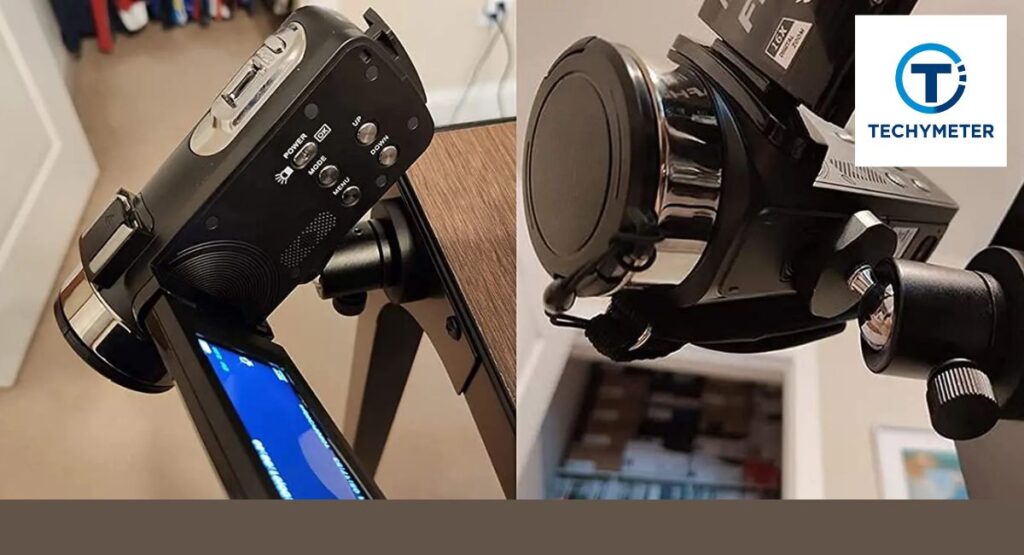
For years, photographers relied on screws, twist-locks, and clamps. They worked, but they demanded patience. Camera magnets quietly challenge that old reality by replacing friction with flow.
Traditional systems rely on pressure. Magnetic systems rely on alignment. That single difference changes everything. Magnetic camera systems remove resistance without sacrificing control, which is why many professionals never revert once they switch.
Speed Comparison
Speed defines modern workflows. Camera magnets win without debate. Attaching a filter or mount takes seconds, not minutes. When light shifts fast, those seconds protect your shot.
Traditional mounts slow momentum. Threads jam. Locks misalign. Magnetic connections guide accessories instantly, preserving rhythm and creative energy.
Durability Comparison
Threaded systems wear mechanically. Every twist adds friction. Camera magnets reduce physical wear because fewer parts move.
Less movement means less failure. Over time, magnetic systems maintain consistency while traditional mounts loosen and degrade.
Common Mistakes When Using Camera Magnets
Despite their simplicity, camera magnets still demand respect. Most failures occur because users assume magnets compensate for carelessness. Awareness prevents damage. Good habits protect expensive gear.
Improper Mounting
Misalignment weakens the magnetic hold. Camera magnets perform best when seated completely and evenly. Rushing attachments creates instability. Slowing down prevents accidents.
Using Low-Quality Magnets
Cheap magnets exaggerate risk. Weak coatings corrode. Strength fluctuates. Camera magnets should feel confident every time. If doubt appears, trust your instinct and replace questionable gear.
Maintenance and Care for Camera Magnets
Like all tools, camera magnets perform best when maintained. Neglect doesn’t break them immediately, but performance slowly declines. Simple habits preserve reliability.
Cleaning Magnetic Accessories
Dust reduces contact efficiency. Camera magnets attract fine particles naturally. Regular dry cleaning maintains full holding strength and smooth alignment.
Storing Camera Magnets Safely
Loose storage causes friction and scratches. Camera magnets should be separated from metal clutter. Organized storage protects coatings and preserves accuracy.
Camera Magnets for Smartphones
Phones reshaped photography. Camera magnets followed naturally, enabling modular creativity. For many creators, mobile rigs now rival traditional cameras.
MagSafe and Camera Magnets
MagSafe popularized camera magnets in mobile workflows. Its standardized alignment inspired accessory ecosystems. Now phone photography feels deliberate rather than improvised.
Mobile Photography Accessories
Lights, lenses, and grip systems rely on camera magnets for instant transformation. This modularity encourages experimentation without overwhelming beginners.
DIY Camera Magnet Ideas
DIY attracts curious creators. Camera magnets allow experimentation cautiously. However, precision matters more than enthusiasm.
Homemade Magnetic Mounts
Some photographers build mounts using high-strength camera magnets and metal plates. These work best for static setups, not movement.
Safety Tips for DIY Projects
Always test limits beyond expected weight. Camera magnets should exceed requirements. Failure during testing prevents disaster during shooting.
Future of Camera Magnets in Photography
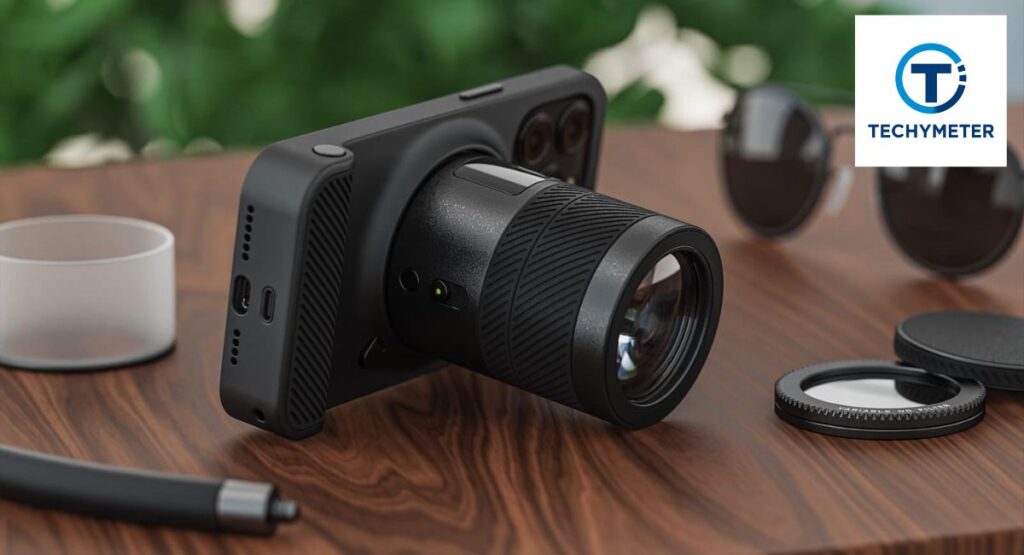
Innovation hasn’t stalled. Camera magnets continue evolving with smarter alignment and modular design. Expect tighter integration with smart accessories.
Innovations and Smart Accessories
Future systems may include feedback indicators within camera magnets. Visual or tactile confirmation could eliminate guesswork.
Who Should Use Camera Magnets?
The answer is broader than most expect. Camera magnets scale with experience rather than replacing it. They support learning and mastery equally.
Beginners
Beginners struggle with setup anxiety. Camera magnets remove mechanical distractions. Confidence grows faster when gear feels cooperative.
Professional Photographers
Professionals value reliability. Camera magnets deliver consistent performance under pressure. Efficiency translates directly to profit.
Content Creators
Creators thrive on adaptability. Camera magnets support improvisation and rapid output. Creative freedom expands.
How Camera Magnets Improve Shooting Speed
Speed separates missed shots from memorable ones. Camera magnets remove the tiny delays that stack up during a shoot. Instead of twisting filters, tightening plates, or double-checking locks, accessories settle instantly into place.
That immediacy keeps your hands moving and your attention where it belongs—on the scene unfolding in front of you. Think of it like an automatic transmission versus a manual. Both work, but one lets you focus on the road.
Magnetic camera systems shorten the distance between intention and action. In fast lighting changes or live events, those seconds reclaimed often mean the difference between capturing emotion or watching it disappear.
Real-Life Use Cases of Camera Magnets
Real-world shooting exposes weaknesses quickly. Wedding photographers often switch lenses and filters rapidly, sometimes while moving through crowds. Camera magnets allow those changes without setting gear down or breaking flow. The result is quieter operation and fewer missed moments during critical transitions.
Travel photographers see similar benefits. Wind, sand, and time pressure make traditional mounting frustrating. Magnetic camera accessories reduce handling, limit exposure to dust, and help photographers work efficiently in unpredictable environments where hesitation costs images.
Camera Magnets for Hybrid Shooters
Hybrid shooters live between stills and video. Switching modes repeatedly stresses traditional mounts. Camera magnets simplify these transitions by allowing quick changes between rigs, filters, and stabilization setups without reconfiguring everything.
This flexibility reduces fatigue. Instead of resetting gear mentally and physically, hybrid creators stay in rhythm. Magnetic mounting systems support fluid storytelling where photos and video coexist rather than compete.
How Camera Magnets Reduce Gear Wear and Tear
Mechanical mounts degrade slowly. Threads wear. Locks loosen. Camera magnets reduce this mechanical fatigue by minimizing friction and repeated stress. This matters for expensive lenses and filters. Magnetic systems preserve threads, coatings, and mounts by eliminating constant tightening. Over months and years, this translates into lower maintenance costs and more reliable performance.
Camera Magnets and One-Handed Operation
One-handed operation changes how photographers work in dynamic environments. Camera magnets allow attachments and removals without setting the equipment down or using excessive force.
Street photographers, vloggers, and documentarians benefit most. While one hand stabilizes the camera, the other completes changes effortlessly. This freedom increases confidence and reduces hesitation in unpredictable situations.
Weather Performance of Camera Magnets
Weather exposes design flaws quickly. Dust, rain, and cold affect mechanical systems first. Camera magnets maintain performance because magnetic attraction doesn’t rely on friction or tight tolerances.
In cold conditions where dexterity drops, magnetic camera accessories feel forgiving. Gloves interfere less. Movements remain intuitive. Reliability improves when conditions become hostile.
Camera Magnets for Minimalist Camera Setups
Minimalist photographers seek clarity and efficiency. Camera magnets support this philosophy by removing bulk and complexity from setups. Fewer knobs and clamps mean cleaner rigs and lighter travel bags. A streamlined kit encourages mobility. Magnetic camera solutions let you carry less while doing more, which aligns perfectly with travel and everyday photography goals.
How Camera Magnets Enhance Creative Flexibility
Creativity thrives when experimentation feels safe. Camera magnets make trying new angles, filters, and configurations frictionless. When change is easy, curiosity increases. This flexibility encourages play. Magnetic systems invite quick adjustments without commitment, allowing photographers to explore variations they might otherwise skip.
Camera Magnets in Commercial and Client Work
Commercial shoots demand consistency and speed. Clients expect professionalism without delays. Camera magnets reduce setup time and minimize visible fussing with gear on set. Reliability builds trust. When accessories attach cleanly every time, photographers project confidence. Magnetic camera accessories quietly support that professional image.
Common Myths About Camera Magnets
One myth suggests magnets damage cameras. High-quality camera magnets are engineered with shielding and spacing to avoid electronic interference. Modern cameras are designed with this reality in mind.
Another myth claims magnets lack strength. In practice, magnetic systems designed for photography hold securely under movement and vibration, often outperforming worn mechanical mounts.
Camera Magnets Compared Across Skill Levels
Beginners appreciate simplicity. Camera magnets reduce technical hurdles, helping new photographers focus on composition rather than gear mechanics. Experienced photographers appreciate efficiency. As skill increases, magnetic camera systems scale naturally, offering speed without limiting control.
Why Camera Magnets Feel More Intuitive Than Mechanical Locks
Human hands prefer guidance over force. Camera magnets guide accessories into place rather than requiring precision alignment under pressure. This intuitive behavior mirrors natural motion. Magnetic mounting systems feel cooperative, reducing cognitive load and physical strain during long shoots.
Long-Term Cost Benefits of Camera Magnets
Upfront costs can hide long-term savings. Camera magnets reduce replacement frequency for mounts, filters, and threads damaged by wear. Over time, fewer repairs offset the initial investment. Magnetic accessories pay for themselves through longevity and reliability.
How Camera Magnets Support Fast-Paced Event Photography
Events move quickly. Camera magnets keep photographers responsive during ceremonies, concerts, and sports. When moments are fleeting, setup delays feel costly. Magnetic camera systems maintain readiness without sacrificing security.
Camera Magnets and Modular Camera Ecosystems
Modern photography favors modularity. Camera magnets enable ecosystems where accessories interchange cleanly across setups. As systems evolve, magnetic compatibility future-proofs gear investments and reduces redundancy.
Top Camera Brands Compatible with Magnetic Accessories
Compatibility improves yearly. Camera magnets integrate with industry standards. DSLR and mirrorless users benefit equally.
DSLR Cameras
DSLR systems adapt easily using plates and rings. Camera magnets don’t disrupt legacy workflows. Transition feels smooth and reversible.
Mirrorless Cameras
Mirrorless designs embrace camera magnets naturally due to lighter bodies. Balance improves. Handling feels refined.
Environmental Impact of Camera Magnets
Sustainability matters. Camera magnets reduce waste by lasting longer. Fewer broken mounts mean fewer replacements. Durability becomes an environmental advantage often overlooked.
Buying Guide: Online vs Offline
Online markets offer variety. Offline stores offer tactile testing. Camera magnets benefit from both paths. Testing strength physically builds confidence before commitment.
Conclusion
As photography and content creation continue to move toward speed and adaptability, camera magnets are proving to be more than just a convenience—they are becoming a creative advantage. Their ability to streamline setups, reduce mechanical wear, and support rapid transitions makes magnetic camera systems appealing for beginners and professionals alike.
From event photography to vlogging, and from DSLR setups to mirrorless and smartphone rigs, magnetic camera accessories offer a balance of strength, safety, and simplicity that traditional mounting systems often struggle to match. When chosen thoughtfully and used correctly, camera magnets enhance efficiency without compromising performance.
Looking ahead, ongoing innovation in smart magnetic accessories suggests that magnets will play an even bigger role in how cameras are used, carried, and customized—making them a smart investment for creators focused on the future of visual storytelling.
FAQs
1. What does a magnet do to a camera?
A magnet can attract metal parts or hold accessories in place, but generally does not affect the camera’s core functions if used externally. Strong magnets near electronics may interfere with sensitive components.
2. Can magnets disable cameras?
Typical small camera magnets won’t disable your camera, but very strong magnets near memory cards or sensors can cause damage or data corruption.
3. Does the camera have magnets?
Some camera accessories, like lens mounts, filters, or tripod adapters, use small built-in magnets, but the camera itself usually doesn’t rely on magnets internally.
4. How to make a magnetic mount?
You can create a magnetic mount by attaching strong neodymium magnets to a base and a metal plate, ensuring it holds your camera or accessory securely.
5. Can I make a magnet at home?
Yes, you can magnetize certain metals using a strong magnet or electric current, but the resulting magnet may not be very strong for heavy camera use.
6. Does Dollar Tree carry magnets?
Yes, Dollar Tree sells small craft and household magnets, which can be used for light DIY projects, but may not support heavy camera equipment.
7. Camera magnets Amazon
Amazon offers a wide range of camera magnets, including magnetic mounts, filters, and lens caps, with various strength options for photographers.
8. Best camera magnets
The best camera magnets are usually neodymium-based, strong, durable, and compatible with multiple camera brands for easy attachment and removal.
Read More
A Complete Overview of — Mamiya ZD Camera
The Ultimate Guide to Choosing the Stylish Camera System for Daycare Centers in the USA
The Complete Guide to the Best Covert Cameras for Private Investigators (USA Edition)
CCTV Camera Junction Box — The Complete Expert Guide
 Ahmedd12