 By Ahmed11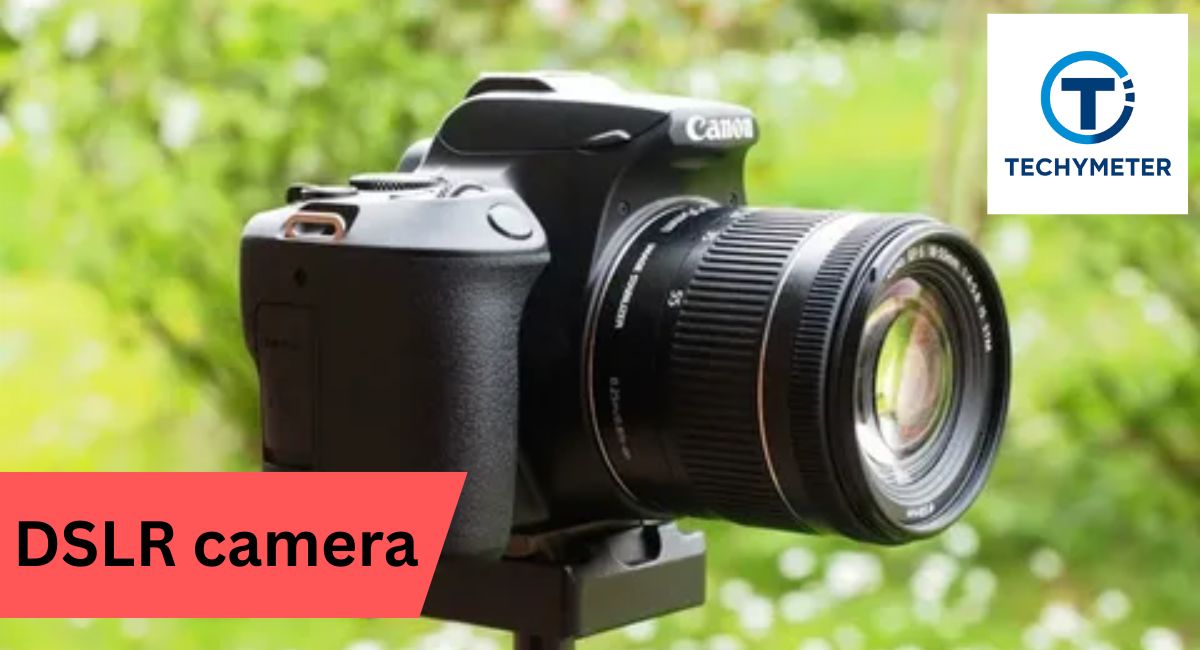
Photography enthusiasts and professionals in the USA often ask, What makes a DSLR camera so popular? The answer lies in its versatility, image quality, and ability to adapt to almost any shooting scenario. Unlike compact cameras or smartphones, DSLRs offer interchangeable lenses, manual control over settings, and large image sensors that capture detailed, high-resolution photos.
Whether you’re exploring the basics of digital photography or aiming for advanced creative techniques, understanding how a DSLR works and its key features is essential. From low-light performance to professional portrait shooting, mastering a DSLR unlocks endless possibilities for capturing stunning, professional-quality images.
“Discover everything about DSLR cameras, from types, lenses, features, and tips to mastering photography, choosing the right model, and maximizing performance for stunning, professional-quality images.”
In this article, we discuss the “DSLR camera.”
DSLR Photography
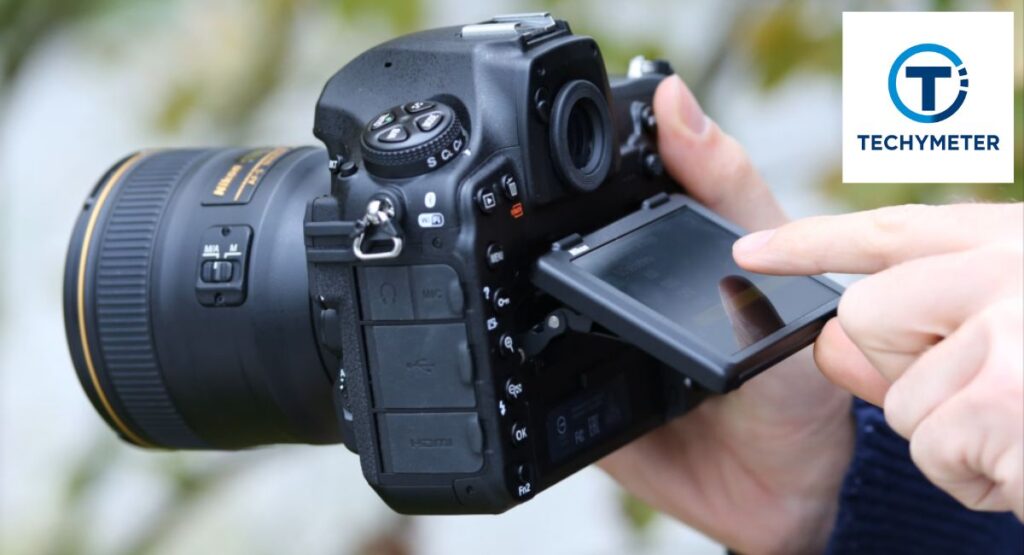
If you’re diving into DSLR photography, you’re stepping into a world where manual control and image quality make a huge difference. Unlike smartphone cameras, DSLR cameras let you manipulate exposure, shutter speed, and focus, giving you full creative freedom. In the USA, photographers love DSLRs for capturing everything from street life to stunning landscapes.
Digital photography with a DSLR provides more versatility than compact cameras. You can attach different lenses, use optical viewfinders, and shoot in low light with excellent results. Whether you’re a beginner or a professional, understanding DSLR basics will help you make smarter photography decisions.
DSLR Meaning and Full Form Explained
A DSLR camera stands for Digital Single-Lens Reflex. Digital means it records images on a sensor, not film. A single-lens camera shows that one lens handles both viewing and shooting. Reflex refers to the mirror inside that reflects light to the viewfinder, giving you a real-time preview.
Many beginners confuse DSLR terminology with generic digital cameras. Knowing the DSLR acronym helps you understand why these cameras offer high-quality images and interchangeable lenses. It’s not just a technical term; it explains the precision and control that make DSLRs a top choice in the USA.
What Is a DSLR Camera?
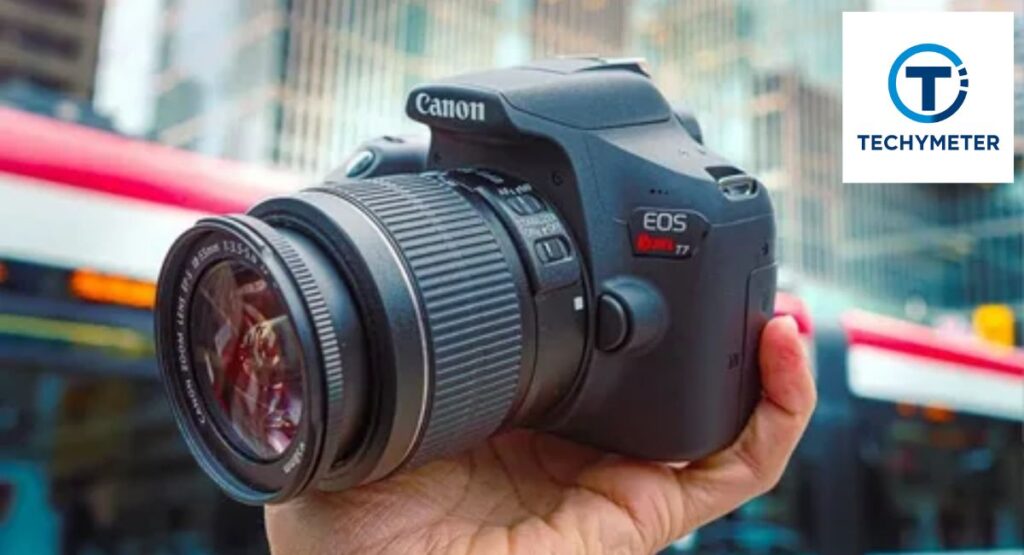
A DSLR camera is more than a simple digital camera. It uses a mirror and prism system to let you see exactly what the lens sees. This single-lens reflex mechanism gives real-time composition, unlike most compact cameras that rely on LCD previews.
With interchangeable lenses, a DSLR can handle any photography style—portraits, landscapes, or wildlife. The combination of optical viewfinder, manual controls, and sensor quality makes it an essential tool for anyone serious about DSLR photography.
Brief History and Evolution of DSLRs
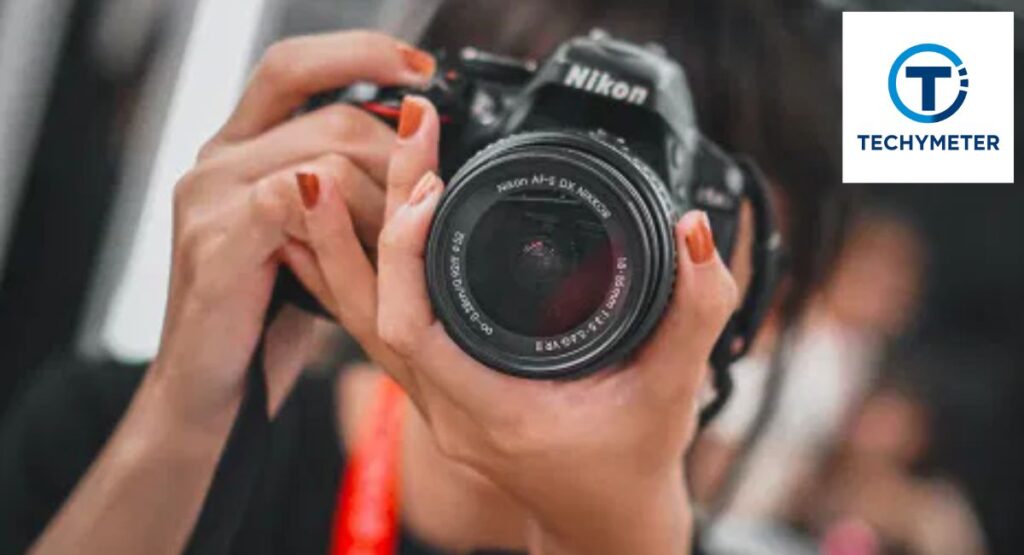
DSLRs evolved from film SLR cameras that date back to the early 20th century. The first commercial digital SLR appeared in 1991, marking a shift in digital photography history. High-resolution full-frame DSLRs were introduced by companies like Nikon, Canon, and Pentax as sensor technology advanced over the years.
In the USA, the transition to digital photography changed how professionals and enthusiasts approached photography. Today’s DSLRs combine durability, speed, and versatility, continuing the legacy of SLR cameras but with modern advantages like high ISO performance and advanced autofocus systems.
Crop Sensor vs Full Frame Sensors
Choosing between a crop sensor DSLR and a full-frame DSLR depends on your photography needs. Full-frame sensors provide wider angles, superior low-light performance, and shallow depth of field for a professional look. Crop sensors offer a tighter field of view, ideal for wildlife or sports photography, and are usually more affordable.
In practical terms, a crop sensor increases the focal length, making distant subjects appear closer. Understanding these differences is essential before buying a DSLR, as it affects lens compatibility, image quality, and overall shooting experience.
The Power of Interchangeable Lenses
One of the biggest advantages of DSLR cameras is the ability to use interchangeable lenses. From wide-angle to telephoto lenses, each lens type allows you to achieve different perspectives and artistic effects. This flexibility makes DSLRs suitable for portraits, landscapes, sports, or macro photography.
Photographer Ivy Chen explains, “DSLRs offer unmatched versatility because you can swap lenses depending on your scene and style.” Understanding the power of lens options helps you choose the right DSLR system for your photography journey, enhancing both creativity and technical performance.
Common Types of DSLR Lenses
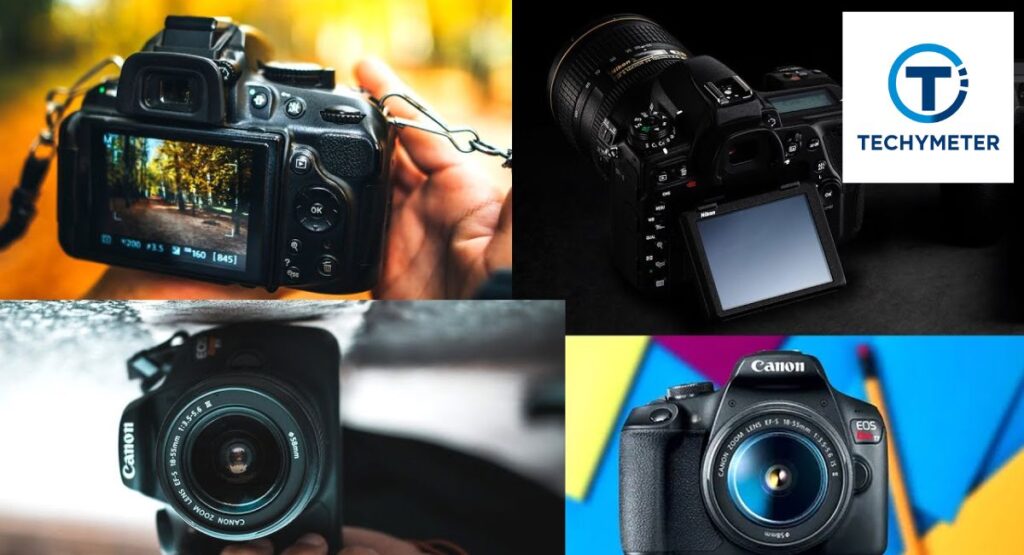
DSLR lenses come in several types, each designed for specific shooting scenarios. Wide-angle lenses capture expansive landscapes, telephoto lenses bring distant subjects close, macro lenses reveal tiny details, and prime lenses offer sharp images with fixed focal lengths.
Knowing which lens to use improves your DSLR photography skills. For example, a telephoto lens is perfect for wildlife photography, while a macro lens is ideal for capturing flowers or insects. Choosing the right lens type enhances your camera’s versatility and image quality.
Core Features That Define a DSLR Camera
DSLR cameras are defined by several core features, including manual controls, optical viewfinder, autofocus system, and image stabilization. These features allow photographers to control exposure, focus, and motion blur, delivering superior images compared to compact or smartphone cameras.
Other essential features include high ISO performance for low-light conditions and burst mode for action shots. Understanding these key DSLR features helps you select a camera that matches your photography style, whether you’re shooting indoors, outdoors, or on the go.
Image Quality and Manual Control Advantages
One of the main reasons photographers love DSLR cameras is the superior image quality. Larger image sensors, combined with precise manual controls, allow you to adjust shutter speed, aperture, and ISO for perfect exposure. This flexibility ensures your photos are sharp, vibrant, and professional-looking.
Manual control also gives you freedom to experiment with creative techniques. For instance, slowing the shutter speed captures smooth waterfalls, while a wide aperture produces a beautiful background blur. DSLRs empower you to capture exactly what you envision, not just what the camera sees.
Other Important Benefits of Using a DSLR
Beyond image quality, DSLR cameras offer unmatched versatility, durability, and battery life. Unlike compact cameras, you can swap lenses, use advanced filters, and rely on a robust build that withstands long shooting sessions. Professional photographers in the USA often favor DSLRs for events and outdoor shoots because of their reliability.
DSLRs also excel in low-light photography thanks to larger sensors, and extended battery life allows for longer shooting without frequent recharging. These benefits make DSLRs a practical choice for both hobbyists and professionals, ensuring consistent high-quality results.
Main Disadvantages and Limitations of DSLRs
While DSLRs are powerful, they come with some drawbacks. They are often bulkier and heavier than mirrorless cameras, making them less convenient for travel or casual use. Additionally, the learning curve can be steep for beginners due to manual settings and advanced controls.
Another limitation is exposure discrepancy, where the optical viewfinder doesn’t always perfectly match the final image captured by the sensor. Despite these challenges, many photographers accept these trade-offs for the precision, versatility, and image quality DSLRs deliver.
DSLR vs Mirrorless Cameras: Complete Comparison
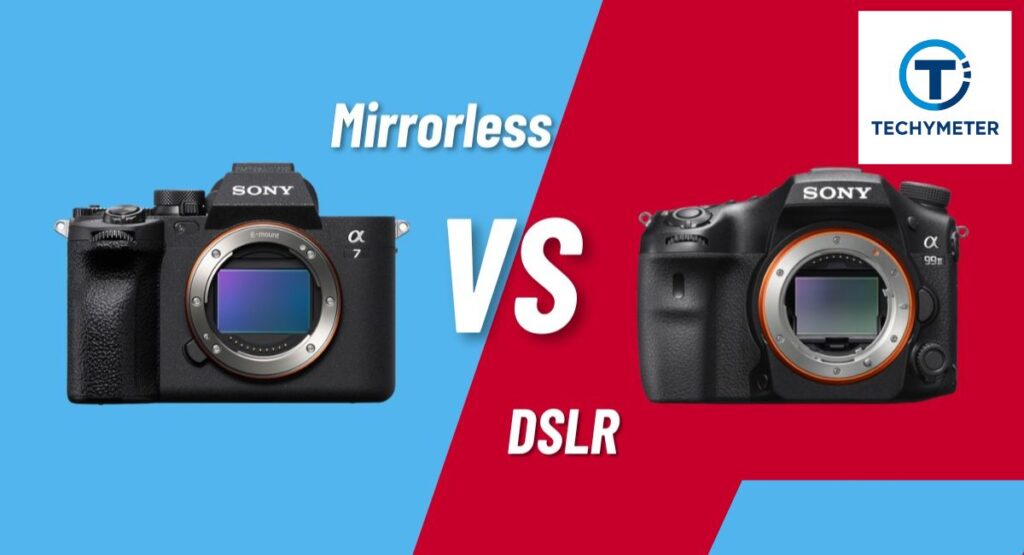
Comparing DSLR cameras with mirrorless cameras helps determine which suits your needs. DSLRs feature an optical viewfinder, longer battery life, and a robust lens ecosystem, while mirrorless cameras are more compact, lighter, and better for video due to advanced electronic viewfinders.
In practical use, DSLRs excel in sports, wildlife, and portrait photography because of faster autofocus and more lens options, while mirrorless cameras shine in travel, street, and video shooting. Choosing the right camera depends on your style, shooting environment, and budget.
Battery Life and Performance in Real Use
DSLR cameras are known for impressive battery life compared to mirrorless cameras. Since they don’t rely on a digital viewfinder constantly, DSLRs can shoot for hundreds of photos on a single charge. This is especially useful for long events, outdoor shoots, or travel photography in the USA.
Performance also shines in continuous shooting or burst mode, allowing you to capture fast action with minimal delay. A DSLR’s robust processor ensures quick image processing and reduces lag, giving photographers reliable performance when every moment counts.
Types of DSLR Cameras by User Level
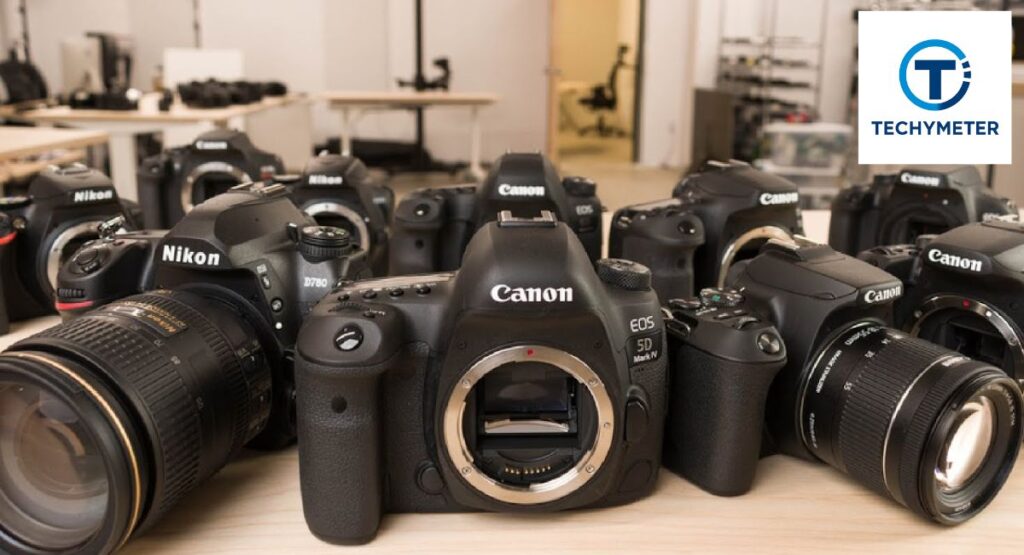
DSLRs come in three main types: entry-level, mid-range, and professional. Entry-level DSLRs are budget-friendly, lightweight, and simple to operate. Mid-range cameras offer advanced features and better autofocus systems. Professional DSLRs deliver the highest image quality and durability for demanding shoots.
Understanding your user level helps you pick the right camera without overspending. Beginners can start with an entry-level DSLR, while enthusiasts and pros benefit from high-end models designed for more complex photography challenges.
Entry-Level DSLRs for Beginners
Entry-level DSLRs are perfect for those new to DSLR photography. Affordable models like Canon EOS Rebel series or Nikon D3500 offer easy-to-use controls, lightweight designs, and solid image quality. They also support interchangeable lenses, giving beginners room to explore creative photography.
These cameras provide a gentle learning curve, making it easier to understand manual settings, ISO, and aperture control. For new photographers in the USA, an entry-level DSLR is an ideal starting point for building skills without overwhelming complexity.
Mid-Range DSLRs for Enthusiasts
Mid-range DSLRs combine cutting-edge functionality with economy. Cameras like the Nikon D7500 or Canon 90D provide improved autofocus, better sensors, and faster continuous shooting than entry-level models. Long exposures, sports photography, and landscape photography are examples of creative techniques that enthusiasts can try out.
These cameras often include additional features like higher megapixels, better low-light performance, and robust build quality, making them versatile tools for hobbyists ready to take their DSLR photography to the next level.
Professional DSLRs for Experts
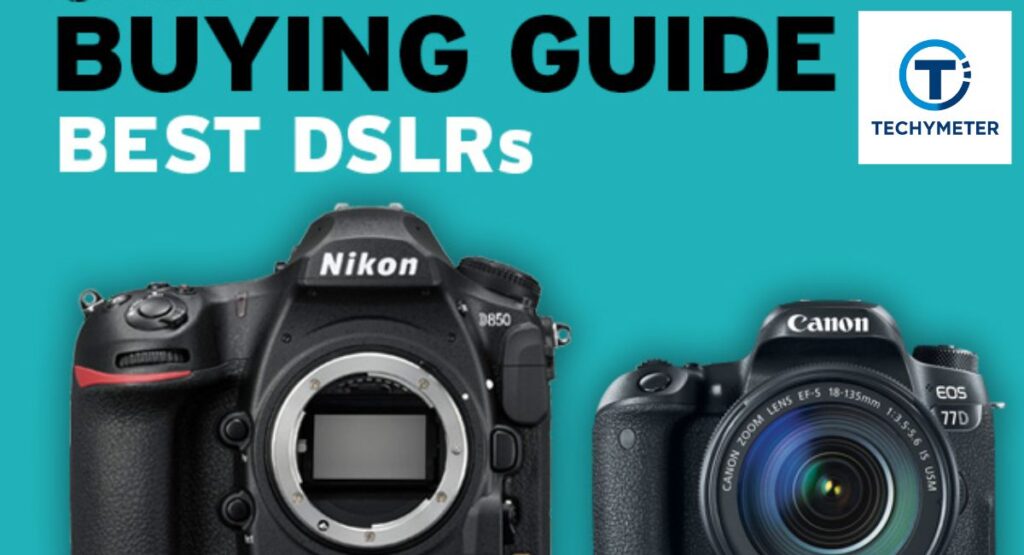
Professional DSLR cameras are made for photographers who want the best performance, durability, and image quality. Models like the Nikon D850, Canon 5D Mark IV, and Pentax K1 II feature full-frame sensors, advanced autofocus systems, and robust construction. These cameras are ideal for studio, wildlife, or sports photography, where precision and speed are critical.
Experts rely on professional DSLRs for customizable settings, wide ISO ranges, and compatibility with an extensive range of high-quality lenses. While they are heavier and more expensive, the results justify the investment, allowing photographers to capture perfect images under challenging conditions.
How to Pick Your Ideal DSLR Camera
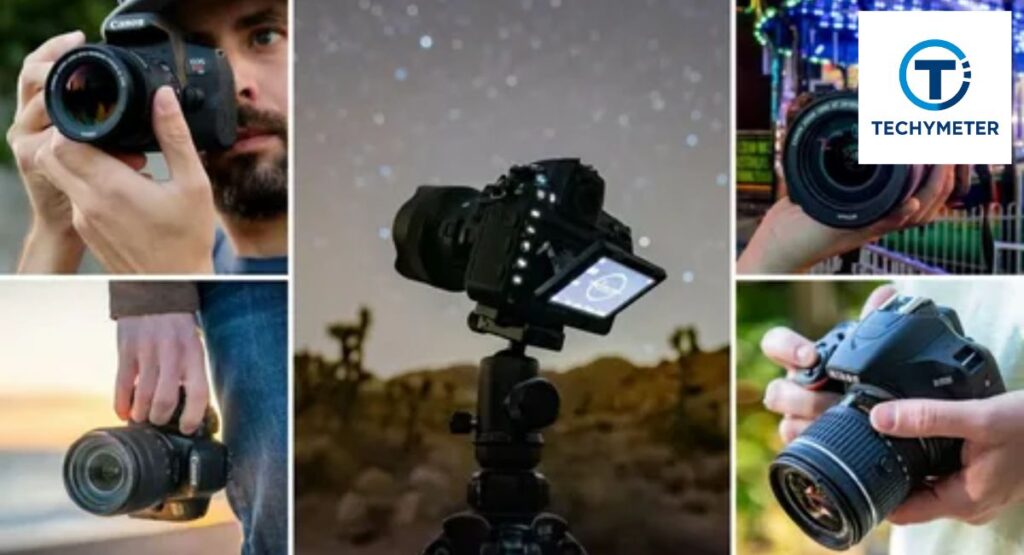
Choosing the right DSLR camera starts with assessing your photography goals. Beginners may prioritize ease of use and affordability, while enthusiasts look for better sensors, autofocus, and extra features. Professionals focus on durability, lens compatibility, and high-end performance.
Other key considerations include sensor type, image quality, lens options, and weight. Testing cameras in-store or reading reviews helps determine which model suits your style. Ultimately, selecting a DSLR that aligns with your needs ensures a more enjoyable and productive photography experience.
Important Things to Check Before Buying a DSLR
Before buying a DSLR, pay attention to sensor size, lens compatibility, autofocus system, and build quality. Entry-level DSLRs may lack advanced features, while professional models may be heavier but offer superior performance.
Also, consider battery life, memory card options, and warranty. Checking for these factors ensures you get a DSLR that meets your photography needs and avoids unnecessary expenses or limitations later. Making an informed purchase saves time and enhances your overall DSLR experience.
Popular and Recent DSLR Camera Models
Several DSLR models stand out for their performance and reliability. In the Nikon lineup, the D850 and D500 are favorites for professionals and enthusiasts. Canon’s 5D Mark IV and EOS 90D offer versatility and high-quality imaging, while Pentax K1 II appeals to landscape photographers.
These cameras vary in sensor type, megapixels, and autofocus capabilities, catering to different user levels. Choosing from recent models ensures compatibility with modern lenses and accessories, helping photographers in the USA capture stunning, high-resolution images.
Brand Spotlight: Why Consider a PENTAX DSLR
Pentax DSLRs stand out for their robust build, weather sealing, and unique features like the astrotracer, which is perfect for astrophotography. While most major brands focus on mirrorless cameras, Pentax continues to support DSLRs, making them a niche but highly reliable choice.
For landscape and outdoor photographers, Pentax cameras offer durability and full-frame or APS-C sensor options. Their lens ecosystem, combined with affordable pricing compared to other pro-level DSLRs, makes Pentax a strong contender for anyone looking to invest in a long-lasting camera system.
DSLR Camera Price Range and What You Get
DSLR prices vary widely, reflecting features, sensor size, and user level. Entry-level DSLRs start around $400-$600, offering basic image quality and beginner-friendly features. Mid-range models cost $800-$1,500 and include faster autofocus, better sensors, and improved burst shooting. Professional DSLRs often exceed $2,000, offering full-frame sensors, advanced autofocus, and rugged builds.
Investing in a DSLR also includes lenses, memory cards, and accessories. Understanding the price-to-feature ratio ensures you get a camera that suits your photography goals without overspending. Table 1 below shows a quick comparison:
| DSLR Level | Price Range | Key Features |
| Entry-Level | $400 – $600 | Basic sensor, beginner-friendly, lightweight |
| Mid-Range | $800 – $1,500 | Better autofocus, improved ISO, versatile |
| Professional | $2,000+ | Full-frame sensor, robust build, fast shooting |
New vs Used DSLR: What Should You Buy?
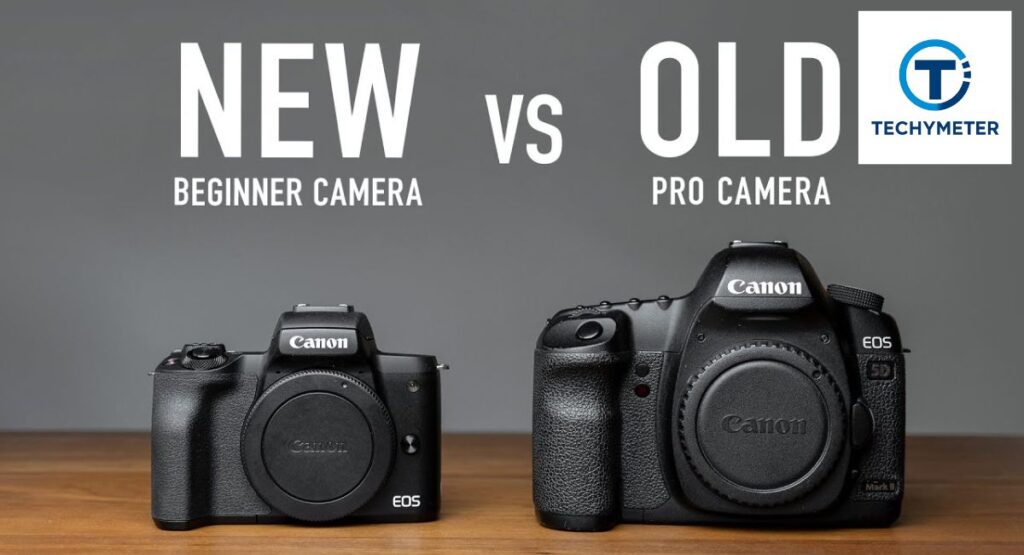
Buying a new DSLR guarantees the latest features, warranty, and long-term reliability. In contrast, used or refurbished DSLRs can save hundreds of dollars and are often in excellent condition. For beginners, a lightly used DSLR offers a cost-effective way to learn photography without compromising quality.
However, ensure the used DSLR has a low shutter count, no sensor damage, and functional autofocus. Reputable sellers or stores offering refurbished cameras with a warranty are the safest options. Ultimately, the choice depends on your budget and comfort level with second-hand gear.
Budget Planning for a DSLR Camera Setup
Planning your DSLR budget is crucial to avoid overspending. Beyond the camera body, factor in lenses, tripods, memory cards, camera bags, and filters. For example, an entry-level setup may cost $600-$800, while a professional kit can exceed $3,000.
Budgeting wisely ensures you have a complete, functional DSLR kit ready for various photography genres. Allocate funds for essential accessories first, then invest in specialty lenses or gear as your skills grow. Proper budget planning maximizes both performance and enjoyment.
Practical Guide to Using a DSLR for the First Time
Using a DSLR camera for the first time can feel overwhelming, but starting with basic settings simplifies the process. Begin by learning how to adjust aperture, shutter speed, and ISO, then experiment with manual and automatic modes. Understanding these controls ensures sharper, well-exposed images.
Familiarize yourself with the viewfinder, lens attachments, and focus modes. Take practice shots in different lighting conditions and review your images carefully. Over time, you’ll gain confidence and understand how to capture professional-quality photos with your DSLR.
Tips to Get Better Photos with a DSLR
Improving your DSLR photography involves mastering composition, lighting, and focus. Position subjects using the rule of thirds to create visually appealing photos. Pay attention to natural light and consider using reflectors or diffusers for balance.
Experiment with different lenses for variety. A wide-angle lens enhances landscapes, while a telephoto lens captures distant wildlife. Practicing manual focus and adjusting settings for low-light or action shots helps elevate your photography skills. Consistency and experimentation lead to the best results.
Built-in vs External Flash in DSLR Cameras
Most DSLRs include a built-in flash, but external flashes provide greater flexibility. Built-in flashes are convenient for casual use but may create harsh shadows. External flashes allow angle adjustments, bounce lighting, and higher power output, giving more professional results.
For indoor photography, events, or low-light shooting, an external flash is often the better choice. Combined with diffusers or softboxes, it can dramatically improve image quality, providing even, natural-looking light compared to the direct built-in flash.
Essential DSLR Accessories for Beginners
Beginners benefit from essential DSLR accessories to enhance their photography experience. A sturdy tripod stabilizes the camera for long exposures, while a camera bag protects gear during travel. Additional items like UV filters, lens cleaning kits, and memory cards ensure longevity and convenience.
Other accessories, including remote shutter releases and spare batteries, help capture more creative shots and extend shooting sessions. Investing in the right accessories early makes learning DSLR photography easier and more enjoyable.
Memory Cards and Storage Options for DSLRs
Choosing the right memory card is essential for smooth DSLR operation. Most cameras support SD or CF cards, with varying storage capacities. High-speed cards improve continuous shooting and 4K video recording, while larger capacities prevent running out of space during long sessions.
Regularly backing up images to external hard drives or cloud storage safeguards your work. This ensures that even if a card fails, your precious photos remain safe. Selecting the right storage combination enhances performance and protects your photography investments.
Cleaning and Maintaining Your DSLR Camera
Proper DSLR maintenance prolongs the life of your camera. Clean lenses with microfiber cloths and lens cleaning solutions to avoid scratches. Use a blower or sensor cleaning kit to remove dust particles from the sensor and mirror.
Store your DSLR in a dry, padded camera bag to prevent moisture damage and accidental drops. Regular maintenance ensures that the camera performs optimally, maintaining image quality and reliability for years of photography.
Common DSLR Mistakes and How to Avoid Them
Many beginners make avoidable mistakes with DSLRs, like blurry images due to shaky hands, wrong focus settings, or poor exposure choices. Understanding your camera’s settings, using a tripod, and practicing manual focus help reduce these errors.
Other mistakes include neglecting lens cleaning, over-relying on automatic mode, and not checking battery levels. Avoiding these pitfalls improves your learning curve and ensures that every DSLR shot is sharp, well-exposed, and professional-looking.
DSLR for Different Photography Genres
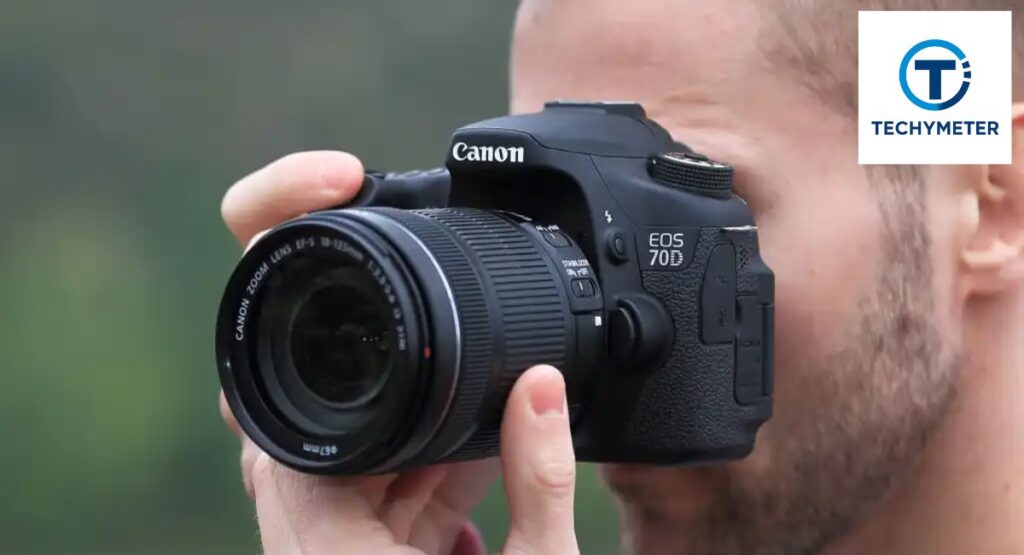
DSLR cameras are versatile tools suitable for multiple photography genres. For portrait photography, DSLRs provide excellent depth-of-field control. Landscapes benefit from high-resolution sensors and wide-angle lenses, while wildlife photography requires fast autofocus and telephoto lenses.
Even genres like macro, sports, or travel photography are achievable with the right lens and settings. Understanding the strengths of your DSLR and matching them to your preferred genre ensures consistent, high-quality images every time.
Landscape, Portrait, and Wildlife with DSLR
DSLR cameras excel in capturing landscapes, portraits, and wildlife thanks to their versatility. For landscapes, a wide-angle lens and high-resolution sensor capture intricate details. Portraits benefit from shallow depth-of-field using a prime lens, creating soft, professional-looking backgrounds.
Wildlife photography demands fast autofocus and telephoto lenses to capture subjects at a distance. DSLRs allow photographers to adjust settings manually, ensuring sharp, vibrant, and well-composed images across diverse environments. Mastery of lens choice and exposure is key to success.
Travel and Street Photography Using a DSLR
Using a DSLR for travel or street photography requires a balance between portability and performance. Compact DSLRs or lightweight setups with versatile lenses allow you to explore without feeling weighed down. Shooting in manual or aperture priority mode helps adapt to changing light conditions quickly.
Street photographers benefit from fast autofocus, silent shooting modes, and prime lenses for candid shots. Proper planning, such as extra batteries and memory cards, ensures you never miss a moment while traveling, capturing authentic, high-quality photographs.
Is a DSLR Still Worth Buying Today?
Despite the rise of mirrorless cameras, DSLRs remain valuable for photographers prioritizing ergonomics, battery life, and lens versatility. They are durable, perform well in low-light conditions, and offer a tactile shooting experience that many professionals prefer.
While mirrorless cameras are compact and excel in video recording, DSLRs continue to provide reliable performance, a wide range of lenses, and cost-effective options, making them a practical choice for enthusiasts, hobbyists, and professionals in the USA.
DSLR Myths and Misconceptions
Several myths surround DSLRs, including beliefs that they are too bulky, difficult for beginners, or obsolete. While DSLRs are larger than mirrorless cameras, modern models remain manageable, especially with smaller lenses. Beginners can quickly learn the basics with entry-level models and tutorials.
Another misconception is that DSLRs can’t shoot quality video, which is untrue. Many models offer Full HD and 4K video, although mirrorless cameras may have slight advantages. Understanding the facts helps new photographers make informed decisions without being swayed by outdated opinions.
The Future of DSLR Cameras in Digital Photography
Although mirrorless cameras are gaining popularity, DSLRs remain relevant for many photographers due to their robust build, long battery life, and extensive lens compatibility. Manufacturers like Pentax continue to innovate in the DSLR niche, proving that these cameras still have a strong market presence.
DSLRs will likely coexist with mirrorless systems, serving professional and hobbyist photographers who value ergonomics, optical viewfinders, and tried-and-tested technology. For enthusiasts, DSLRs provide a dependable, high-quality platform that can evolve with new lenses and accessories.
Final Thoughts on Mastering DSLR Basics
Mastering a DSLR involves more than just buying the camera; it requires understanding lens selection, sensor types, exposure settings, and camera maintenance. By learning the fundamentals, experimenting with genres, and investing in essential accessories, you can unlock the full potential of your DSLR.
Even in the era of compact and mirrorless cameras, DSLRs remain powerful, versatile, and reliable tools. For photographers in the USA seeking high-quality images, creative control, and long-term durability, mastering DSLR basics is the first step toward achieving professional-level photography.
Conclusion
In conclusion, DSLR cameras remain a cornerstone of digital photography, offering unmatched image quality, versatility, and creative control. From understanding sensor types and lenses to mastering manual settings and exploring different photography genres, DSLRs empower both beginners and professionals to capture stunning visuals.
While mirrorless cameras are growing in popularity, DSLRs continue to provide durable performance, ergonomic design, and extensive lens options. By choosing the right model, investing in essential accessories, and practicing consistently, you can unlock the full potential of your DSLR and elevate your photography skills, making it a worthwhile investment for years to come.
FAQs
1. What does DSLR mean in a camera?
DSLR stands for Digital Single-Lens Reflex, a camera that uses a mirror and prism system to show exactly what the lens sees. It allows for interchangeable lenses and manual control over settings.
2. What is the difference between a DSLR camera and a normal camera?
A DSLR has manual controls, large image sensors, and interchangeable lenses, unlike normal point-and-shoot cameras. It delivers higher image quality and more creative flexibility.
3. Are DSLRs good for beginners?
Yes, entry-level DSLRs are user-friendly and versatile, making them perfect for learning photography. They also allow beginners to grow into advanced manual controls.
4. How do I know if my camera is a DSLR?
Check for a mirror system and optical viewfinder inside the camera. Also, if it supports interchangeable lenses and manual controls, it’s likely a DSLR.
5. What are the 4 types of cameras?
The four main types are DSLR, mirrorless, point-and-shoot, and action/360 cameras. Each type varies in size, functionality, and image quality.
6. Which one is better, DSLR or SLR?
DSLRs are better for digital photography because they use a digital sensor instead of film. SLRs are older, film-based cameras with no instant image preview.
7. Is a DSLR expensive?
Prices vary from entry-level models under $500 to professional full-frame cameras costing several thousand dollars. The cost depends on sensor size, features, and brand.
8. Which brand DSLR is best?
Top DSLR brands include Canon, Nikon, and Pentax, each offering reliable image quality and lens compatibility. The best brand depends on your budget and photography needs.
9. Is Nikon better than Sony?
For DSLRs, Nikon is preferred due to its wide DSLR lens range, while Sony specializes in mirrorless cameras. Your choice depends on whether you want DSLR ergonomics or mirrorless innovation.
10. How do I choose my first camera?
Consider budget, photography goals, sensor size, and lens options. Beginners often start with an entry-level DSLR or mirrorless camera for ease and growth.
11. What is mirrorless vs DSLR?
Mirrorless cameras lack a mirror system, showing a live preview on an electronic screen, while DSLRs use a reflex mirror and optical viewfinder. DSLRs are superior in terms of battery life and lens choice, while mirrorless is lighter.
12. What is the best camera for beginners?
The best camera for beginners is usually an entry-level DSLR or mirrorless model with user-friendly controls. It should offer good image quality, interchangeable lenses, and learning flexibility.
Read More
Best Veo Camera Alternatives for Football and Soccer Clubs
Can You Fight a Red Light Ticket by Camera in Scottsdale? Complete Legal Guide
PTC50 Camera – Complete Guide for USA Users
The Ultimate Guide to Choosing the Stylish Camera System for Daycare Centers in the USA
 Ahmedd12