 By Ahmed11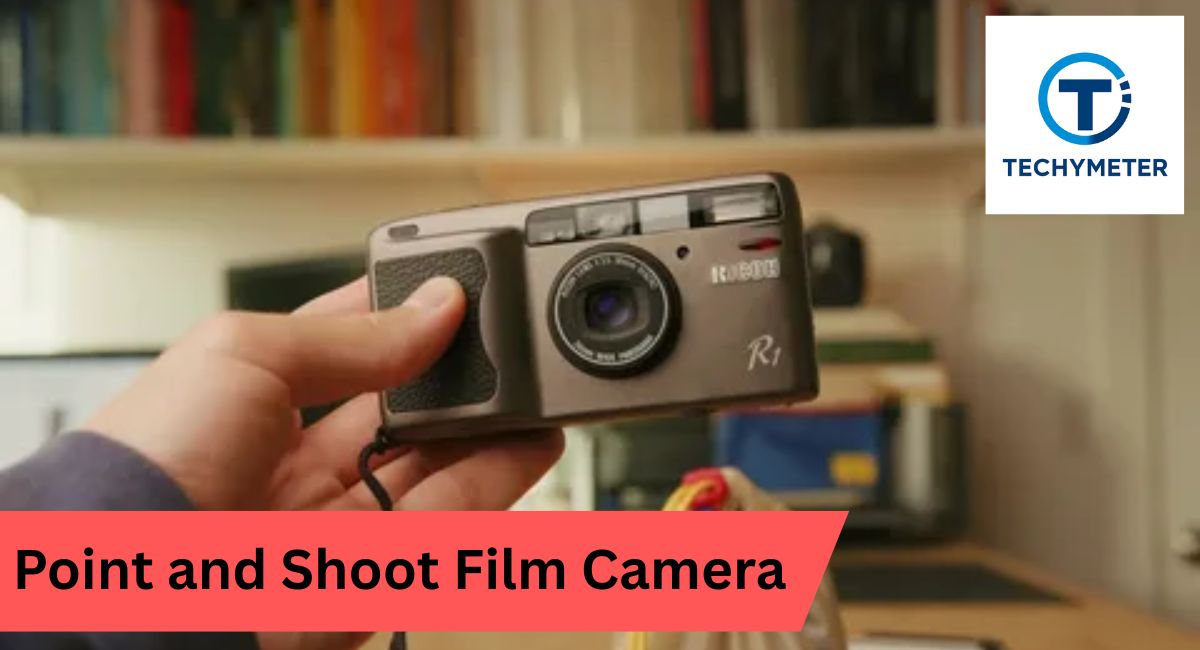
Point-and-shoot film cameras are no longer relics hiding in drawers. Across the United States, photographers are rediscovering the charm of simplicity, slower shooting, and emotional images that feel real. This guide explains the essential facts of point-and-shoot film camera use in a way that feels human, practical, and honest, not technical for the sake of it.
If you want photography that feels intentional rather than disposable, a compact film camera offers something smartphones cannot replicate. The texture, timing, and restraint behind point-and-shoot film photography create photographs that feel lived in. This article walks you through every angle, step by step, so the knowledge flows naturally from start to finish.
“Learn how to use a point-and-shoot film camera. Discover the best models, advice, and professional techniques for crisp, beautiful analog photography outcomes.”
In this article, we discuss “Point and Shoot Camera.”
What Is a Point and Shoot Film Camera?
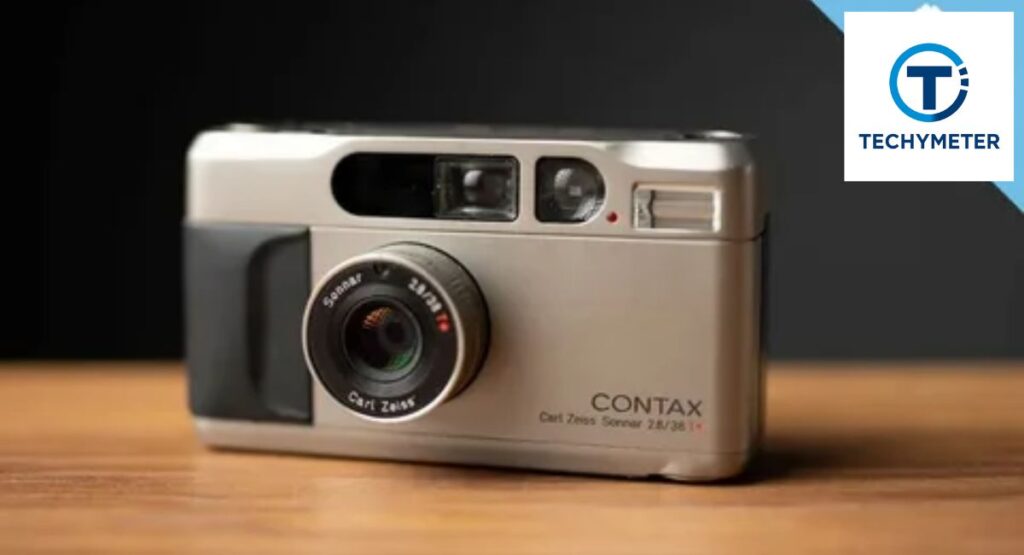
A point-and-shoot film camera is an automatic film camera designed to make photography effortless. You load film, frame the scene, and press the shutter. The camera handles focus, exposure, and flash using an automatic exposure system, making it ideal for a beginner film camera or casual shooting.
Most models are 35mm point-and-shoot camera systems with a compact camera body, a fixed lens, and simple controls. This design prioritizes camera portability, quick operation, and a relaxed analog shooting experience that removes distractions and keeps you focused on moments rather than settings.
Why Point and Shoot Film Cameras Are Trending Again
Film’s comeback is emotional, not technical. In a world of endless digital images, people crave photos with film grain and color rendering that feel imperfect and human. A retro film camera slows you down and makes each frame count, which resonates strongly with younger photographers in the USA.
Social media also plays a role. Influencers share scans with a classic film aesthetic, sparking curiosity about vintage point-and-shoot camera models. The joy comes from anticipation, the film development process, and seeing moments captured honestly rather than algorithmically perfected.
Film vs Digital Point and Shoot Cameras Explained
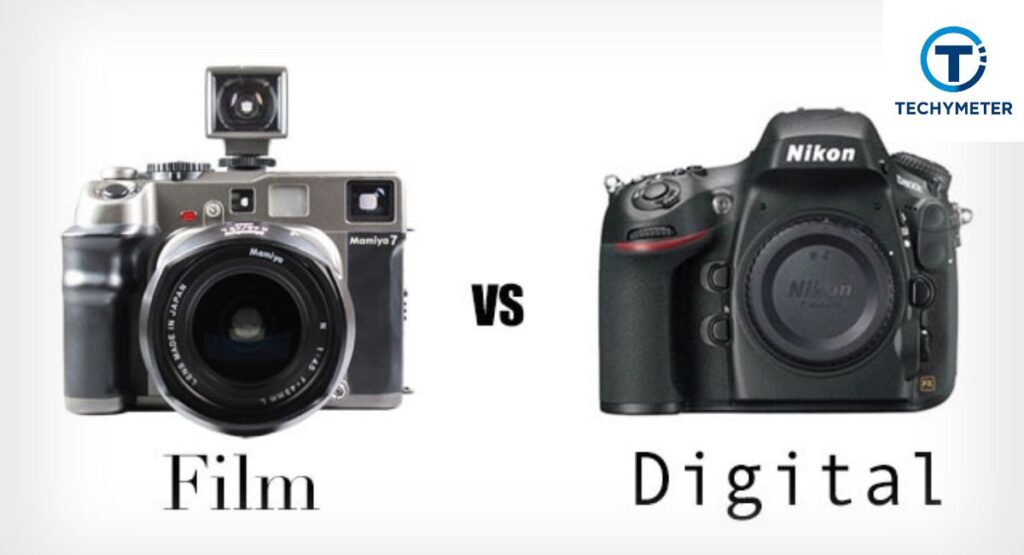
Digital point and shoots focus on convenience, while analog point and shoot cameras emphasize character. Film responds differently to light, especially in highlights, giving smoother transitions and organic tones that digital sensors struggle to mimic consistently.
Digital cameras deliver instant previews, but film offers intention. With limited frames and no screen, photographers trust instinct. This difference transforms casual snapshots into meaningful memories, especially during travel film photography and everyday candid photo moments.
Key Differences Between Point and Shoot and SLR Cameras
SLR cameras offer full control but demand technical skill. Point and shoot film cameras trade control for speed, relying on fixed lens quality, automated focus, and reliable metering. This simplicity makes them ideal for spontaneous shooting.
Portability is the real separator. A pocket film camera fits anywhere and reacts quickly thanks to fast shutter response time. For many photographers, convenience outweighs customization, especially for street and daily documentation.
Point and Shoot vs SLR Film Cameras
| Feature | Point and Shoot Film Camera | SLR Film Camera |
| Operation | Fully automatic | Mostly manual |
| Size | Compact camera body | Larger and heavier |
| Learning curve | Beginner-friendly | Steep |
| Shooting speed | Fast, intuitive | Slower, deliberate |
| Ideal use | Street, travel, daily life | Studio, controlled work |
Who Should Use a Point-and-Shoot Film Camera?
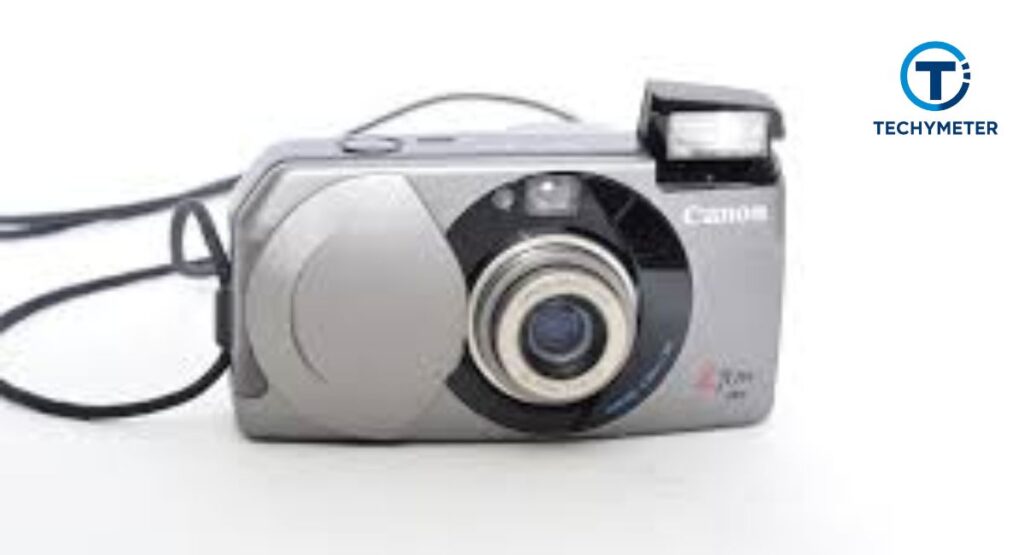
A point-and-shoot film camera suits anyone who values simplicity and emotion over settings. Beginners love it because it removes fear, while experienced photographers enjoy freedom. The beginner film camera appeal comes from reliability, speed, and a stress-free analog shooting experience.
Professionals also use these cameras intentionally. A professional point-and-shoot film camera shines in everyday work where discretion matters. Quiet shutters, strong camera handling and ergonomics, and dependable focus accuracy make them perfect for real-life photography.
Common Myths About Point-and-Shoot Film Cameras
One common myth claims these cameras produce poor images. In reality, many models deliver excellent image sharpness thanks to refined optics and strong fixed lens quality, especially when paired with good film.
Another myth suggests they are toys for amateurs. History proves otherwise. Famous photographers relied on point-and-shoot film cameras to capture authentic scenes, trusting automation to preserve moments rather than interrupt them.
Understanding the Technical Limits of Film Point and Shoots
Every film compact camera has limits. You cannot manually control shutter speed or aperture, and that restriction defines the experience. The camera’s automatic exposure system makes decisions quickly, sometimes favoring safety over creativity.
Autofocus systems also vary. Older models may struggle in darkness, affecting low-light film photography. Still, knowing these limits helps you work with the camera instead of against it, producing consistent and pleasing results.
Lens Quality in Point-and-Shoot Film Cameras
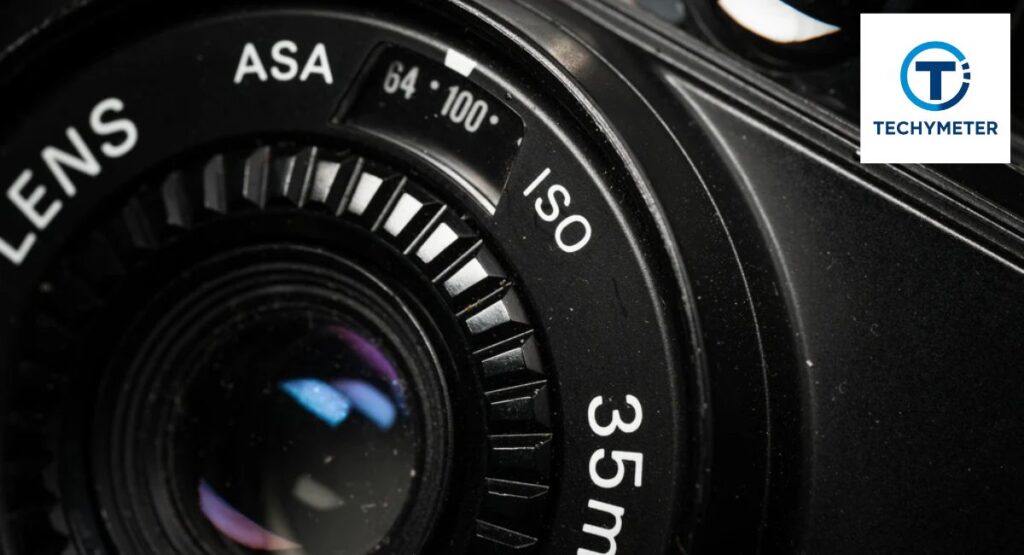
Lens design is where many point-and-shoot cameras surprise people. Despite their size, premium models deliver impressive contrast and smooth rendering. The strength lies in optimized fixed lens quality built specifically for one focal length.
This specialization enhances the classic film aesthetic many photographers seek. Combined with thoughtful framing and good light, these lenses help transform simple scenes into photographs that feel intentional and emotionally grounded.
Autofocus Systems: How Accurate Are They?
Most point-and-shoot film cameras rely on simple yet effective autofocus systems. In bright conditions, an autofocus film camera locks quickly and delivers reliable focus accuracy, especially for everyday scenes and casual portraits where speed matters more than precision.
Problems appear in darker environments. Older systems struggle during low-light film photography, causing missed focus. Understanding your camera’s autofocus behavior helps you anticipate results and work within its strengths rather than fighting its limitations.
Flash Performance in Film Point and Shoot Cameras

A point-and-shoot camera with flash is designed for convenience, not studio lighting. The built-in unit prioritizes ease, offering dependable built-in flash performance for indoor shots, parties, and nighttime street scenes.
However, the flash range is limited. Subjects too close or far may appear harsh or flat. Learning when to trust flash and when to rely on ambient light improves balance and preserves the classic film aesthetic.
Exposure Control: What You Can and Can’t Change
Exposure in a point-and-shoot film camera is largely automatic. The camera measures light and applies its automatic exposure system instantly, keeping results consistent even when lighting changes quickly.
What you lose is creative override. You cannot directly adjust the shutter or aperture, but trusting automation simplifies shooting. This limitation encourages instinctive timing and stronger composition rather than technical micromanagement.
Choosing the Right Film for Point and Shoot Cameras
Film choice shapes your final image more than the camera itself. Selecting the right stock enhances film grain and color rendering, giving your photos mood and personality from the start.
Pay attention to ISO film selection. Lower ISO works best outdoors, while higher ISO supports indoor shooting. Matching film speed to light conditions protects detail and maintains pleasing tonal balance.
Color Film vs Black and White Film: What Works Best
Color film excels at capturing emotion through natural tones and subtle shifts in light. When paired with point-and-shoot film cameras, it produces pleasing film grain and color rendering that feels warm and familiar, especially in everyday scenes.
Black and white film strips distractions away. It emphasizes contrast, shape, and light, creating a timeless classic film aesthetic. Many photographers choose it to focus on storytelling rather than color accuracy.
ISO Selection Tips for Better Image Results
Choosing the correct film speed is critical. Lower ISO film performs best in daylight, preserving fine detail and improving overall image sharpness without harsh grain.
Higher ISO film supports indoor scenes and evening shots. It improves flexibility during low-light film photography, but increased grain becomes part of the visual character rather than a flaw when used intentionally.
How to Get Sharp Images with a Point-and-Shoot Film Camera
Sharpness starts with stability. Results are improved by holding the camera firmly and precisely timing the shutter, especially considering that some models have slower shutter response times.
Understanding focus distance also helps. Most point-and-shoot cameras are optimized for mid-range subjects, which is why everyday moments often appear sharper than close-up shots.
Lighting Techniques That Improve Film Photos
Light defines film photography. Soft daylight enhances skin tones, while side lighting adds depth and mood without overwhelming highlights.
Avoid harsh overhead light when possible. Learning how your camera reacts to shadows improves consistency and supports a smoother analog shooting experience across different environments.
Developing a Consistent Photography Style
A consistent style grows from repetition and intention. Using the same analog point and shoot regularly trains your eye to recognize light, distance, and timing. Over time, your images begin to share a visual rhythm rooted in the analog shooting experience.
Film choice reinforces that identity. Sticking to one or two stocks helps standardize contrast and tone, strengthening your signature look and enhancing the classic film aesthetic across different scenes.
Testing Your Camera for Repeatable Results
Testing builds trust between you and the camera. Running a test roll reveals how the film loading mechanism, metering, and autofocus behave in real conditions, not just on paper.
Reviewing negatives after the film development process helps identify exposure patterns. This knowledge reduces surprises and improves consistency, especially when shooting fast-moving or unpredictable subjects.
Composition Tips for Point and Shoot Film Photography
Composition becomes instinctive when controls disappear. Without manual adjustments, your attention shifts to framing, balance, and timing, which elevates point-and-shoot film photography naturally.
Clean backgrounds and strong subject placement matter most. This approach improves storytelling and preserves image sharpness, even when technical control is limited.
Street Photography with Point and Shoot Film Cameras
Street photography thrives on speed and invisibility. A small pocket film camera allows discreet shooting, helping you capture authentic life without drawing attention.
The quiet operation supports spontaneous street photography shooting and genuine candid photo moments. Automation ensures exposure stays reliable while you focus purely on timing and emotion.
Travel Photography Using Compact Film Cameras
A compact film camera is ideal for travel due to its lightweight portability. It fits into bags or even pockets, allowing you to document cities, landscapes, and cultural experiences without burdening yourself with heavy gear.
Its automation lets you focus on composition and capturing moments rather than fiddling with settings. This makes travel film photography effortless, ensuring your memories are authentic, spontaneous, and consistent.
Beginner Mistakes to Avoid with Film Point and Shoots
New users often rely too heavily on flash, resulting in flat or harsh images. Learning to balance ambient light and the built-in flash performance is essential for maintaining a classic film aesthetic.
Another common mistake is ignoring film speed. Choosing an inappropriate ISO can lead to overexposed highlights or excessive grain. Understanding ISO film selection helps beginners create professional-looking results while learning the ropes.
How to Protect and Maintain Your Film Camera
Proper care ensures longevity. Store your camera away from humidity, remove batteries when idle, and avoid mechanical stress to preserve camera durability. Cleaning lenses and inspecting seals maintains image quality.
Regular checks of the film loading mechanism and shutter response prevent surprises. Treating a point-and-shoot film camera as both a tool and a collectible enhances its reliability and lifespan for years of analog shooting experience.
Understanding Film Camera Terminology
Film photography comes with its own language. Terms like ISO, aperture, and shutter speed guide decision-making, even when the camera automates them. Understanding these phrases improves your camera handling and ergonomics.
Other terms, like grain, exposure latitude, and film contrast, describe film grain and color rendering and the film development process. Familiarity allows you to communicate about film photography confidently and choose the right gear for your style.
Buying Used vs New Point-and-Shoot Film Cameras
Deciding between a point-and-shoot film camera, new or used, depends on budget, reliability, and your goals. New models guarantee functionality, warranty, and modern features, while a used point-and-shoot film camera can offer vintage charm and lower cost.
Collectors and enthusiasts often favor used cameras for their retro film camera appeal and unique optical character. However, a thorough inspection of camera durability, focus accuracy, and film loading mechanism is crucial to avoid unexpected failures.
What to Check Before Buying a Film Point and Shoot
Before purchasing, inspect the lens for scratches, test the autofocus film camera system, and evaluate shutter response time. Flash units should deliver consistent built-in flash performance, and the film loading mechanism must advance correctly without sticking.
Battery compartments and seals are often overlooked but vital for long-term reliability. Checking these ensures your camera functions as intended and maintains the quality of point-and-shoot film photography.
Best Point and Shoot Film Cameras for Beginners
For beginners, cheap point-and-shoot film camera options are ideal. Models with a strong automatic exposure system and reliable focus accuracy make learning film photography stress-free while still producing sharp, appealing images.
Cameras like the Olympus Stylus line and the Canon Sure Shot series offer sturdy, small camera bodies and easy-to-use controls, allowing novices to concentrate on composition, light, and narrative rather than technical intricacy.
Best Point and Shoot Film Cameras for Professionals
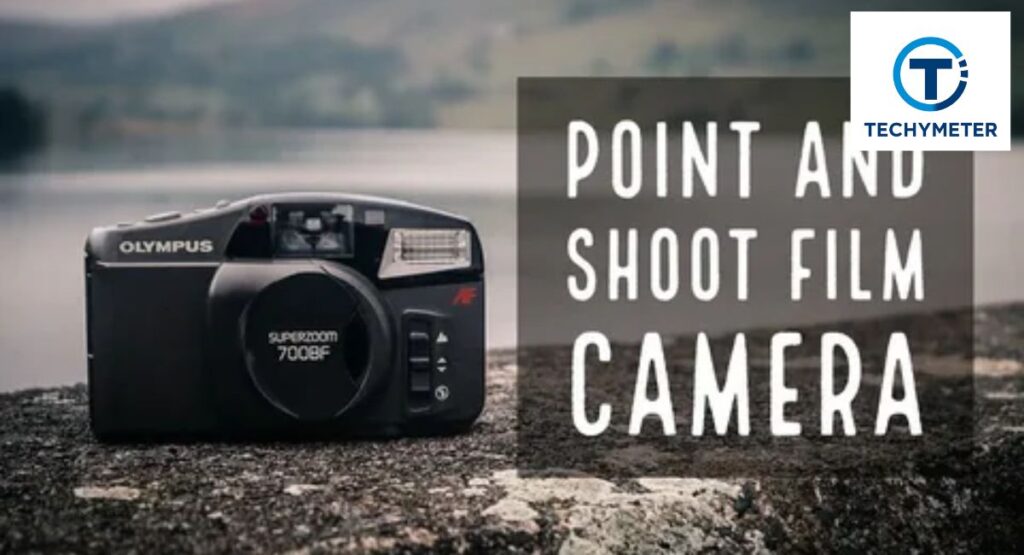
Because of their optical quality and consistency, professional photographers frequently choose high-end point-and-shoot film camera types. These cameras combine fast shutter response time, excellent fixed lens quality, and camera handling and ergonomics that support extended shooting.
These cameras are essential for creative work with a vintage film look because they provide the dependability and aesthetic control that professionals want, whether shooting, street photography, or recording impromptu candid moments.
Are Premium Point-and-Shoot Cameras Worth the Price?
Investing in a premium point-and-shoot film camera often pays off for serious photographers. The combination of superior fixed lens quality, fast shutter response time, and reliable autofocus film camera performance ensures images with consistent image sharpness and a classic film aesthetic.
For casual users, the difference may be subtle. However, enthusiasts and professionals who prioritize camera handling and ergonomics, precise exposure, and film grain and color rendering often find the premium price justified.
Most Expensive Point-and-Shoot Film Cameras Ever Made
Luxury models like the Contax T2 or Minolta TC-1 set records in price due to build quality, rare optics, and collectibility. These cameras combine camera durability, precise focus accuracy, and exceptional compact camera body engineering.
Collectors often seek these vintage point-and-shoot camera models for both display and shooting. Their historical value, paired with high performance, highlights how design and material choices impact the analog shooting experience.
Canon Point and Shoot Film Cameras: Top Models
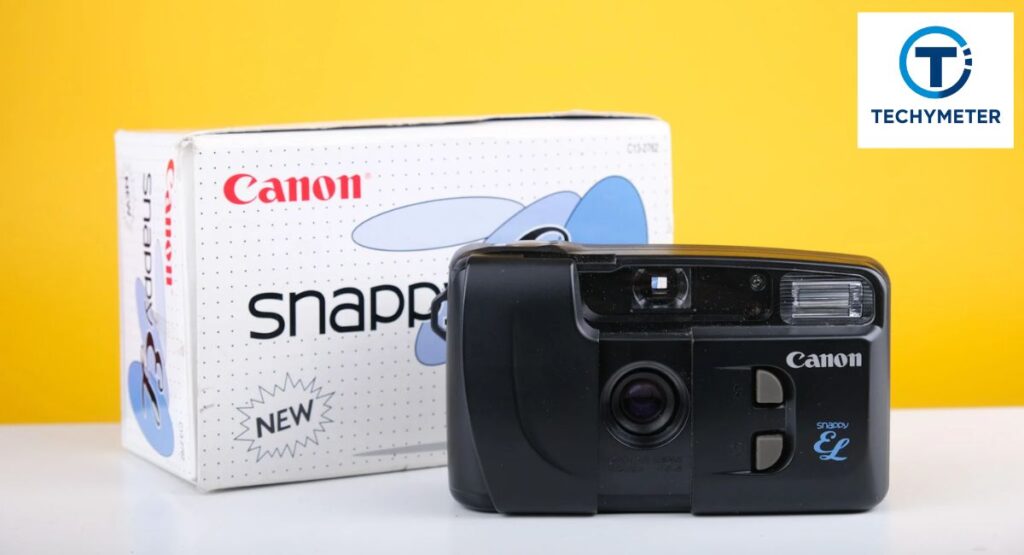
Canon’s Sure Shot series remains iconic among Canon point-and-shoot film camera fans. Reliable automatic exposure systems, crisp image sharpness, and portable compact camera bodies make them excellent for beginners and pros alike.
Popular models like the Canon Sure Shot 80u or AF35M II deliver consistent results in street photography shooting, travel film photography, and candid photo moments, combining ease of use with a classic film aesthetic.
Cheap Point and Shoot Film Cameras That Still Perform
Even budget options can impress. A cheap point-and-shoot film camera can deliver excellent focus accuracy, a durable compact camera body, and usable built-in flash performance when paired with appropriate film.
Models like the Olympus Mju II or older Nikon L35 offer beginner-friendly automation without sacrificing the analog shooting experience. These cameras demonstrate that affordability doesn’t mean compromising film grain and color rendering.
Finding Point and Shoot Film Cameras Near You
Finding a point-and-shoot film camera locally can be easier than you think. Thrift stores, vintage shops, and specialty camera stores often carry used point-and-shoot film cameras at affordable prices. Checking the film loading mechanism, autofocus film camera function, and camera durability is crucial before purchase.
Online marketplaces like eBay, Etsy, and dedicated film camera forums provide extensive options. You can filter by pocket film camera, retro film camera, or brand-specific models, allowing collectors and beginners to locate cameras suited to both analog shooting experience and budget.
Comparing Top Film Point and Shoot Camera Brands
Brand choice impacts reliability and image character. Canon, Olympus, Nikon, and Minolta dominate the point-and-shoot film camera market. Canon offers durable Canon point-and-shoot film camera models with a dependable automatic exposure system, while Olympus cameras often excel in compact camera body design and portability.
Each brand provides unique optics, fixed lens quality, and shutter response time characteristics. Understanding these differences ensures your purchase aligns with your shooting style, whether focused on travel film photography, street photography, or candid photo moments.
Film vs Smartphone Photography: Real-World Comparison
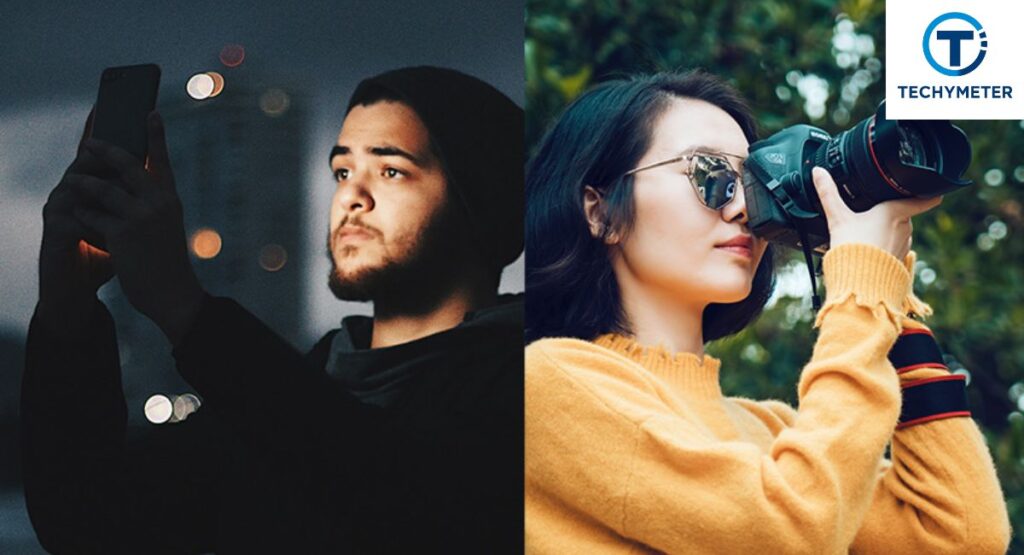
Film captures a classic film aesthetic smartphones cannot replicate. Grain structure, film grain, and color rendering, and the analog shooting experience offer depth, warmth, and unpredictability, which digital sensors struggle to reproduce convincingly.
Smartphones excel in convenience and instant sharing but often produce sterile images lacking subtle tonal variation. A point-and-shoot film camera encourages slower, more thoughtful composition, resulting in authentic candid photo moments and creative travel film photography.
The Future of Point-and-Shoot Film Cameras
Despite digital dominance, analog point-and-shoot cameras remain relevant. Film culture thrives, with enthusiasts valuing classic film aesthetic, camera portability, and the tactile analog shooting experience that modern cameras rarely match.
Manufacturers continue producing limited editions, while film stocks remain accessible. The future blends retro charm with practical film compact camera use, ensuring that point-and-shoot film photography stays alive for both beginners and professionals alike.
Is a Point-and-Shoot Film Camera Right for You?
Deciding if a point-and-shoot film camera fits your needs depends on your photography goals. If you value analog shooting experience, portability, and spontaneity, these cameras offer unmatched simplicity. Beginners appreciate the automatic exposure system, while professionals enjoy focus accuracy and a classic film aesthetic for creative projects.
Consider your lifestyle. For travel, street photography, or casual daily documentation, a compact film camera or pocket film camera is ideal. If you enjoy deliberate composition, tactile control, and the anticipation of film development, embracing point-and-shoot film photography can transform your images into authentic, memorable works.
Conclusion
Point-and-shoot film cameras combine nostalgia, convenience, and artistic expression in one compact camera body. From cheap point-and-shoot film camera options for beginners to premium point-and-shoot film camera models for professionals, there’s a camera for everyone seeking the classic film aesthetic.
The charm lies not only in the images but in the analog shooting experience, from film selection and loading to capturing candid photo moments and reviewing developed prints. For anyone in the USA eager to explore photography differently, understanding the essential facts of point-and-shoot film camera use ensures smarter choices, sharper images, and a lifetime of creative inspiration.
FAQs
1. What is a point-and-shoot film camera?
A point-and-shoot film camera is a fully automatic camera that handles focus, exposure, and flash for you. It provides a simple analog shooting experience without complex controls.
2. Are point-and-shoot film cameras good for beginners?
Yes, a beginner film camera is ideal for learning photography without worrying about settings. Its automatic exposure system and compact camera body make it stress-free.
3. Can I use a point-and-shoot film camera for travel photography?
Absolutely. A compact film camera or pocket film camera is portable and perfect for travel film photography, capturing authentic moments on the go.
4. How do point-and-shoot cameras differ from SLRs?
Point and shoots use fixed lens quality and automation, while SLRs offer manual control. Their shutter response time and camera portability make them faster for casual shooting.
5. Are vintage point-and-shoot cameras still usable?
Yes, vintage point-and-shoot camera models can produce excellent results if maintained properly. Inspect the autofocus film camera function and film loading mechanism before use.
6. Which film is best for point-and-shoot cameras?
Choose based on lighting and mood. Color film emphasizes film grain and color rendering, while black and white highlights contrast and the classic film aesthetic.
7. Do all point-and-shoot film cameras have flash?
Most include a built-in flash performance, but the range is limited. Knowing when to rely on flash enhances low-light film photography and maintains image sharpness.
8. Can professionals use point-and-shoot film cameras?
Yes, a professional point-and-shoot film camera offers reliable focus accuracy and a classic film aesthetic, ideal for street or candid photography.
9. Is film photography better than smartphone photography?
Film provides organic film grain and color rendering and an authentic analog shooting experience, which smartphones cannot replicate, despite convenience.
10. Where in the United States can I purchase a point-and-shoot film camera?
Point-and-shoot film cameras are available online, at thrift stores, and at local camera shops. Before making a purchase, always inspect the film loading mechanism, autofocus film camera, and camera durability.
Read More
Everything About Cellular Security Cameras: The Ultimate Surveillance Guide
Which Moultrie Trail Camera Should You Buy? Complete Comparison Guide for USA Hunters
Everything About DSLR Cameras: Types, Features, and Tips
Cameras for the Disabled: The Complete Accessibility Guide for Empowered Photography
 Ahmedd12