 By Ahmed11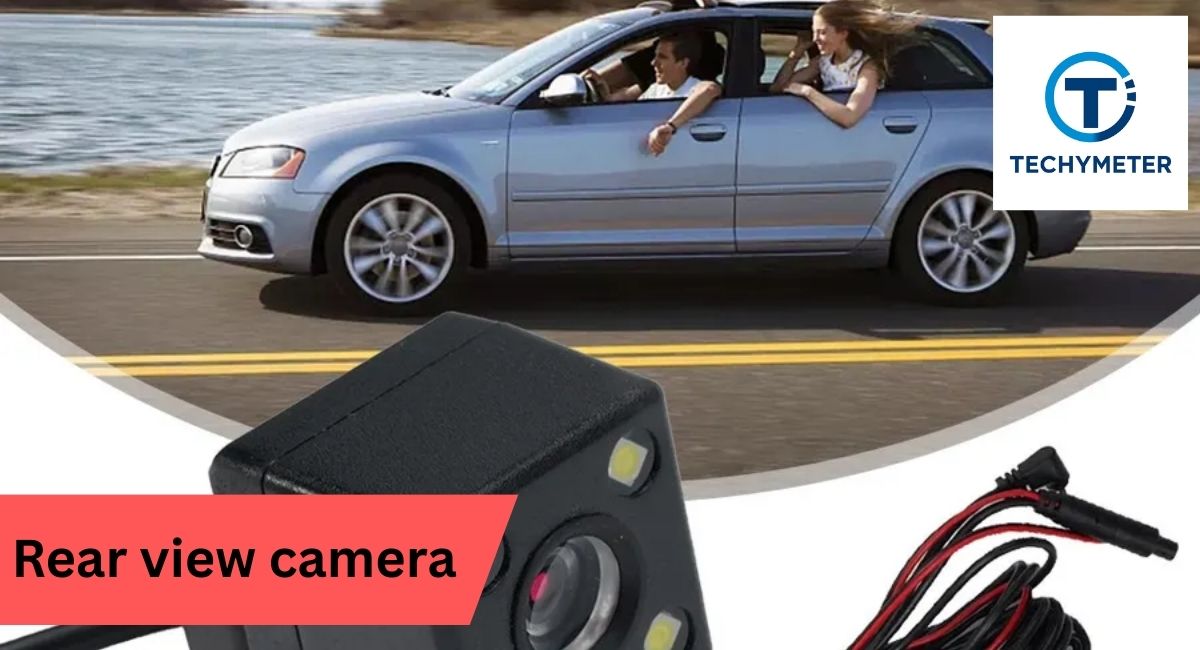
A rear-view camera is no longer a luxury in the United States. It has become a critical driving safety system. Modern vehicles rely on backup cameras, vehicle reversing cameras, and parking assist cameras to prevent accidents and save lives. This guide reveals how a rear-view camera system silently protects you every time you shift into reverse.
The rear-view camera technology used today is smarter than ever. It uses wide-angle lenses, HD video feeds, and smart object detection to show what your eyes cannot see. Whether you drive a car, SUV, truck, or RV, the backup camera is now your most trusted digital co-driver.
Unlock the ultimate rear-view camera guide with tips, tech, and features that make reversing safer, easier, and smarter for every vehicle in the USA.
In this article, we discuss “Rear-view camera.”
How Do Rear View Cameras Operate?
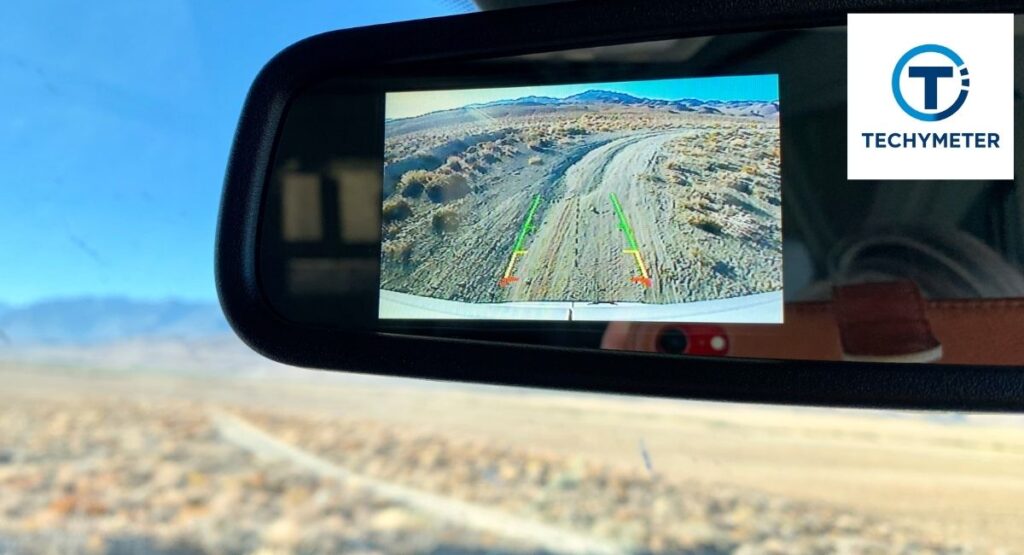
A rear-view camera is a small digital camera mounted at the back of a vehicle. It sends a live video feed to a dashboard screen or mirror display when you reverse. This backup camera system gives you instant visibility behind your car, even in blind zones.
The vehicle camera system works through either wired transmission or wireless signal technology. The camera captures images and sends them to a display monitor inside the cabin. The system activates automatically when the reverse gear is engaged, creating a real-time safety window behind your vehicle.
Why a Rear View Camera Is Important for Every Vehicle
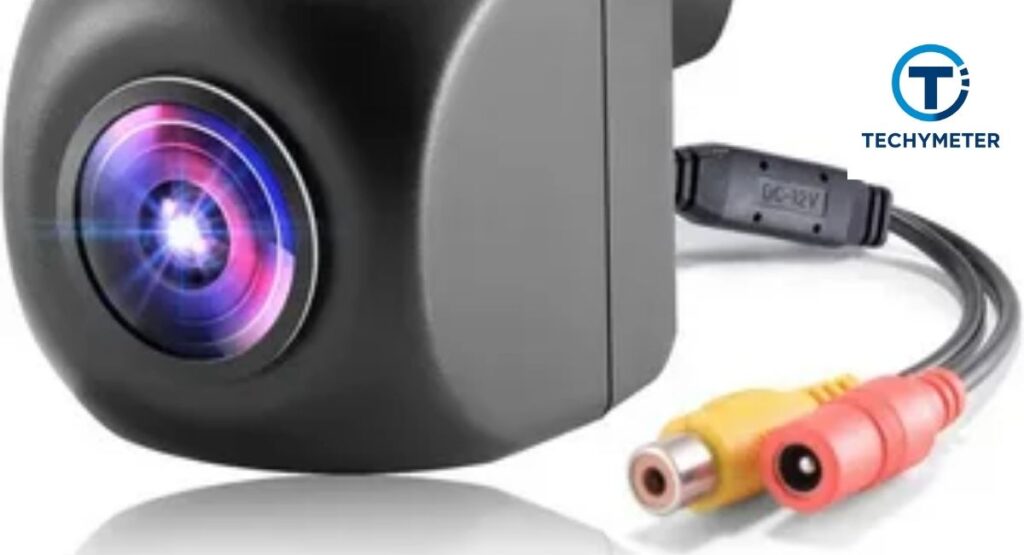
A rear-view camera protects what mirrors cannot show. Children, pets, and low obstacles stay hidden below the rear windows. The backup camera removes this risk by delivering a clear rear-area visual feed. According to the NHTSA, backup cameras reduce reversing accidents by over 30 percent.
For drivers in the USA, a rear-view camera system is now required in all new vehicles. It helps prevent tragic driveway accidents. It also lowers insurance claims. This makes the vehicle safety camera both a legal requirement and a financial advantage for every driver.
Rear View Camera vs Side and Front Cameras
A rear-view camera focuses only on what matters most when reversing. Side and front cameras assist driving, but the backup camera covers the largest blind zone. That zone is where most low-speed accidents happen.
Front and side cameras help with lanes and turns. However, the rear camera system handles parking, reversing, and hitching trailers. This makes it the most essential automotive safety camera in daily driving.
How Backup Cameras Improve Driving Safety
The backup camera gives drivers immediate awareness. It shows moving objects, people, and obstacles behind the car. This reduces human reaction delay. It also lowers the risk of back-over accidents, which are common in parking lots and driveways.
Here is a safety fact table that shows how rear-view camera systems improve safety.
| Safety Factor | With Rear View Camera | Without Camera |
| Child detection | High | Very low |
| Obstacle visibility | Clear | Limited |
| Parking accuracy | Precise | Guesswork |
| Accident risk | Reduced | High |
A famous NHTSA quote says, “Backup cameras save lives by showing what mirrors cannot.” That is why every modern rear-view camera is designed for protection, not just convenience.
History and Evolution of Rear View Camera Technology
The first rear-view camera appeared in luxury vehicles in the early 2000s. It was simple and blurry. Still, it changed how drivers reversed. Over time, backup camera systems gained HD sensors, digital signal processing, and wide-angle optics that made images sharp and reliable.
Today’s vehicle rear camera uses smart image correction and AI-based detection. These tools remove glare, adjust brightness, and highlight danger zones. What began as a premium feature is now a standard vehicle safety system across the United States.
Types of Rear View Cameras Available Today
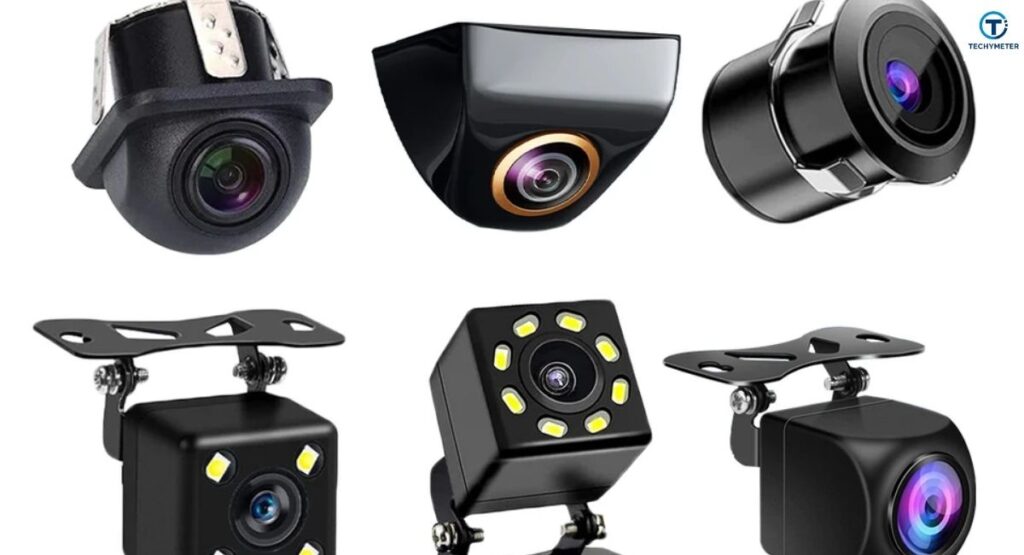
Modern rear-view camera systems come in many styles. Some mount near the license plate. Others sit inside tailgates or bumpers. Each backup camera type is built for a specific vehicle and driving style.
Here is a small comparison table.
| Camera Type | Best Use |
| License plate camera | Daily cars |
| Flush-mount camera | SUVs and trucks |
| High-mount camera | Vans and RVs |
| Mirror camera | Compact vehicles |
Each automotive rear camera connects to a display to give drivers real-time reversing vision.
Wired vs Wireless Rear View Camera Systems
A wired rear-view camera sends video through a physical cable. It offers stable signal quality and zero lag. A wireless backup camera sends video through radio waves, making installation faster but sometimes less reliable.
Drivers in busy cities prefer wired camera systems for clear video. RV and trailer users often choose wireless rear cameras for easier setup. Both systems deliver the same rear visibility, but signal strength differs.
HD vs Standard Rear View Camera Quality
An HD rear-view camera shows sharper lines, better colors, and clearer objects. A standard backup camera works, but it may blur small obstacles. HD systems use high-resolution sensors that help drivers spot dangers faster.
This matters when parking in tight areas. The clearer the rear camera image, the safer the maneuver. Many new vehicle camera systems now include HD video feeds as a default safety feature.
Night Vision in Rear View Cameras Explained
A modern rear-view camera does not sleep when the sun goes down. It uses infrared sensors and low-light image processors to show clear video in darkness. This night vision backup camera helps you see people, pets, and objects even when headlights fail.
Many vehicle rear camera systems also use digital brightness correction. This removes shadows and glare. The result is a safer reversing experience in parking lots, alleys, and dark driveways across the USA.
Waterproof and Weatherproof Rear View Cameras
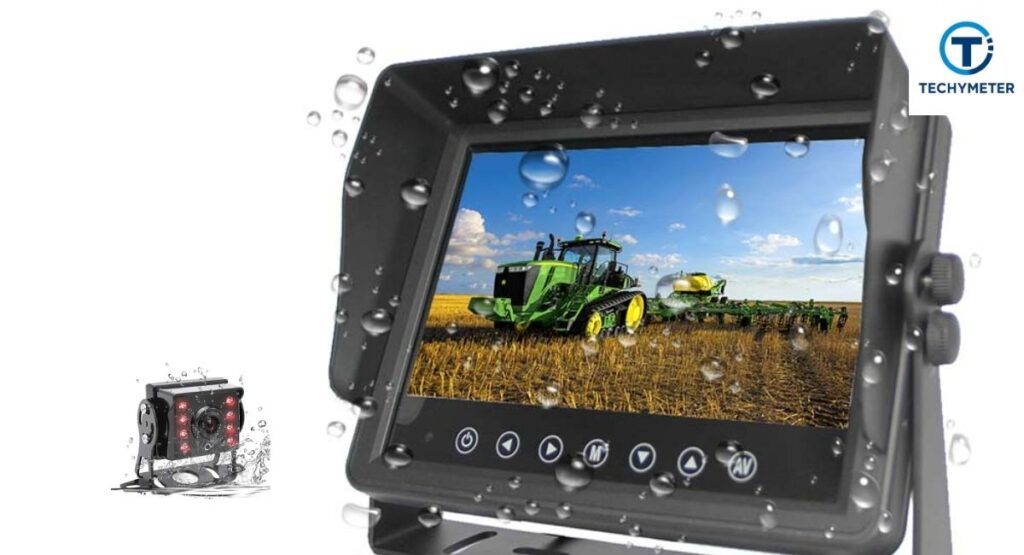
A rear-view camera faces rain, dust, snow, and heat every day. That is why most backup cameras come with IP67 or IP68 waterproof ratings. These ratings mean the camera survives heavy rain and car washes without damage.
A weatherproof vehicle camera keeps its lens clear in fog and mud. This ensures your rear camera system stays reliable in all seasons. In the USA, where the weather changes fast, this protection is essential for safety.
Wide-Angle Lens and Field of View
A wide-angle rear view camera sees more than the human eye. It captures up to 170 degrees of space behind your vehicle. This field of view removes blind zones that mirrors miss.
The wider the lens, the more accurate the parking camera becomes. You can see curbs, bikes, and moving cars. This makes every backup camera system far more effective when reversing or parking in tight spaces.
Parking Guidelines and Line Marking Systems
Most rear-view camera systems include parking guidelines on the screen. These lines show where your vehicle will move. Some backup cameras use dynamic lines that turn with the steering wheel.
This technology helps drivers park with precision. It also prevents bumping walls, poles, and other cars. The rear camera display becomes a digital parking assistant that improves accuracy and confidence.
Rear View Camera for Cars
A rear-view camera in a standard car makes daily driving safer and calmer. Compact sedans have small rear windows. This limits natural visibility. A backup camera system fills that gap by showing everything behind the vehicle.
Urban drivers rely on the vehicle rear camera for tight parking spaces. The live video feed helps avoid scratches and bumper damage. In crowded American cities, this technology saves both time and money.
Rear View Camera for SUVs and Trucks
Large vehicles have huge blind zones. A rear-view camera is critical for SUVs and pickup trucks. These vehicles sit high and hide small obstacles. The backup camera makes reversing safer for children, pets, and property.
Many truck rear cameras also include trailer hitch views. This helps drivers align trailers with precision. It turns a difficult task into a smooth, stress-free experience.
Rear View Camera for Vans and Commercial Vehicles
A rear-view camera system is a must for delivery vans and work vehicles. Cargo blocks rear windows. The backup camera becomes the driver’s only rear vision source.
Fleet operators use vehicle camera systems to reduce accidents and insurance costs. A single rear camera can prevent thousands of dollars in damage. This makes it a smart business investment.
Rear View Camera for RVs and Trailers
RVs and trailers stretch long and wide. A rear-view camera helps control these massive vehicles. The backup camera lets drivers see traffic, curbs, and campsite boundaries.
Wireless RV rear cameras are popular because they install easily. They give real-time views that prevent jackknifing and parking mistakes. This improves safety for families on the road.
Rear View Camera for Motorcycles
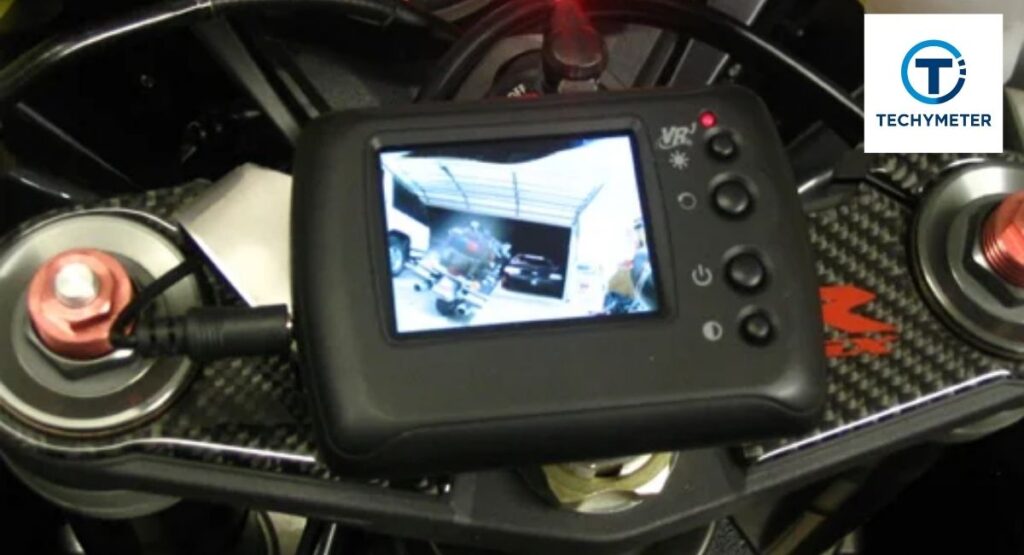
A rear-view camera for motorcycles adds digital eyes behind the rider. These motorcycle backup cameras send video to a small screen on the handlebars or helmet. This improves lane awareness and reduces blind-spot danger.
Riders in busy American traffic benefit from this vehicle camera system. It helps detect fast-approaching cars. This extra awareness makes every ride safer and more controlled.
Factory-Installed vs Aftermarket Rear View Cameras
A factory rear-view camera comes built into the vehicle. It works smoothly with the dashboard. An aftermarket backup camera gives more flexibility. You can upgrade to better lenses, HD video, and smart features.
Many drivers choose aftermarket rear cameras because they offer better image quality and lower cost. Both systems provide safety, but aftermarket models often deliver more value.
Rear View Camera with Dashboard Screen
A rear-view camera connected to a dashboard display offers a large, bright viewing area. This makes objects easier to see. The backup camera feed shows distance, angles, and moving hazards.
Touchscreen displays allow zoom and brightness control. This turns the vehicle’s rear camera into a smart safety hub that improves parking and reversing accuracy.
Rear View Camera with Mirror Display
A mirror-mounted rear-view camera hides a digital screen inside the rear-view mirror. It shows the backup camera image when reversing. This keeps the dashboard clean.
Many drivers prefer this mirror camera system because it feels natural. Your eyes stay in one place. This reduces distraction and improves reaction time.
Rear View Camera with Mobile App Support
A modern rear-view camera can connect to a smartphone using Wi-Fi or Bluetooth. This mobile-supported backup camera lets drivers view the rear feed on their phone. It also allows recording and playback.
This vehicle camera system is popular with RV and fleet owners. They can monitor movement even when parked. The rear camera app adds another layer of safety and control.
AI and Smart Features in Rear View Cameras
Smart rear-view camera systems now use AI object detection. These systems recognize people, cars, and obstacles. They give visual and sound alerts when danger appears. This intelligent backup camera helps drivers react faster. It reduces human error. AI makes the vehicle’s rear camera smarter than ever before.
Rear View Camera Installation Process
Installing a rear-view camera involves mounting the camera, connecting power, and linking the display. The camera usually connects to the reverse light, so it turns on automatically. Professional installation ensures proper camera angle and stable video. A well-installed backup camera system works reliably for years.
Wiring and Power Connection Guide
A wired rear view camera connects to the vehicle’s reverse light or fuse box. This supplies power only when reversing. A wireless backup camera still needs power, but avoids long video cables. Correct wiring protects the vehicle camera system from electrical damage. It also ensures the rear camera activates at the right time.
Common Rear View Camera Problems
Even the best rear-view camera systems can face issues. Common problems include blurry images, flickering screens, and black displays. These often happen due to dirt, water, or loose wiring.
Another frequent issue is interference in wireless backup cameras. Urban areas with many electronic signals can cause temporary signal loss. Knowing these issues helps drivers maintain safety without surprises.
How to Fix Rear View Camera Not Working
If your rear-view camera stops working, first check the power source. Loose wires or blown fuses are often the cause. Cleaning the camera lens and rebooting the system can also fix minor glitches.
For persistent problems, professional service may be needed. Replacing a faulty camera or monitor ensures the backup camera system stays reliable for reversing and parking safety.
Rear View Camera Maintenance Tips
Proper maintenance keeps your rear-view camera system functioning optimally. Regularly check the lens, connectors, and monitor for damage. Avoid impact or heavy pressure on the camera.
Routine inspections prevent small issues from becoming major problems. Maintaining a vehicle rear camera ensures safety, especially in busy urban or high-traffic environments.
Cleaning and Care for Rear View Cameras
Cleaning a rear-view camera lens is simple but important. Use a soft microfiber cloth and mild cleaner to remove dirt and smudges. Avoid abrasive materials that scratch the lens. Regular care prevents blurred images and preserves HD clarity. A clean backup camera lens is essential for safe parking, reversing, and detecting small obstacles.
How to Choose the Best Rear View Camera
Choosing the best rear-view camera starts with knowing your vehicle and driving needs. Look for HD resolution, wide-angle lenses, night vision, and reliable mounting options. Features like AI alerts and mobile app integration add extra safety.
Consider compatibility with your dashboard or mirror display. A good backup camera system balances price, durability, and functionality. This ensures clear visibility and confidence every time you reverse.
Best Rear View Camera Brands in the Market
Several brands dominate the US rear-view camera market. Names like Garmin, Pioneer, Kenwood, Bosch, and Rear View Safety are widely trusted. They provide HD quality, durable construction, and warranty-backed reliability.
Choosing a reputable vehicle camera brand guarantees long-term performance. These cameras undergo rigorous testing for clarity, waterproofing, and shock resistance. Investing in a top brand improves safety and value.
Rear View Camera Price Range and Cost
The cost of a rear-view camera system varies. Budget models start around $50-$100, offering basic video feeds. Mid-range cameras range from $150-$300 with HD and night vision. Premium cameras exceed $400, adding AI and smart features.
Installation costs may add $50-$150, depending on vehicle complexity. Consider total cost vs. safety benefits when choosing your backup camera system. High-quality cameras often save more by preventing accidents.
Cheap vs Premium Rear View Cameras
Cheap backup cameras offer basic reversing views but may have low resolution, narrow angles, or poor night vision. Premium rear view cameras include HD clarity, wide angles, night vision, AI alerts, and app connectivity.
Investing in a premium vehicle rear camera provides long-term benefits. The difference in safety and reliability often outweighs the extra price, especially in urban driving conditions where blind spots are frequent.
Rear View Camera Legal Requirements
In the United States, all new vehicles sold after May 2018 are required by federal law to have a rear-view camera system. This rule, enforced by the National Highway Traffic Safety Administration (NHTSA), ensures every driver has backup visibility to reduce accidents.
The law specifies minimum performance standards. The backup camera must clearly show a 10-foot by 20-foot area behind the vehicle. Compliance improves safety and reduces liability in case of accidents, making rear-view cameras essential for modern cars.
Rear View Camera Laws in Different Countries
While the USA mandates rear-view cameras, laws vary worldwide. Canada and the European Union have similar regulations for new vehicles. In many developing countries, backup cameras remain optional, though their safety benefits are the same.
Understanding local regulations helps drivers know what is legal and recommended. In the US, adherence is compulsory, making vehicle rear camera systems not just a safety choice but a legal requirement.
Rear View Camera for New Drivers
New drivers often struggle with reversing and blind spots. A rear-view camera acts as a digital co-pilot. It gives instant visual feedback, reducing parking stress and improving confidence. Training with a backup camera system helps new drivers develop safer habits. It prevents low-speed accidents and builds trust in technology that complements human vision.
Rear View Camera for Elderly Drivers
Elderly drivers may face reduced vision or slower reaction times. A rear-view camera helps by providing a clear, wide-angle view behind the vehicle. This reduces the risk of back-over incidents and collisions in tight spaces.
Many vehicle camera systems designed for older drivers also include larger displays and high-contrast images. These features make parking and reversing easier, improving road safety for seniors.
Rear View Camera for Parking Assistance
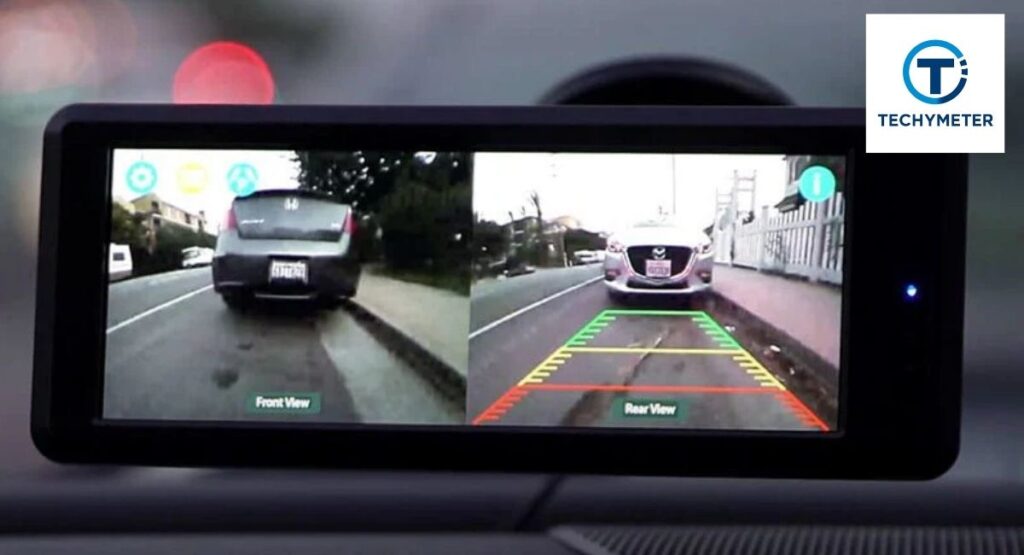
A rear-view camera transforms parking from guesswork into precision. It shows your exact position relative to curbs, walls, and other vehicles. Dynamic parking lines guide steering angles, making parallel and reverse parking effortless.
In urban areas across the USA, where spaces are tight, a backup camera system prevents dents and scratches. It acts like a digital parking assistant, boosting confidence and safety every time you reverse.
Future of Rear View Camera Technology
The future of rear-view cameras is closely tied to AI, 360-degree views, and autonomous driving. Next-generation systems will detect pedestrians, cyclists, and fast-moving objects in real-time. Some cameras will integrate with smart city traffic systems to predict hazards before they appear.
Wireless, ultra-HD, and cloud-connected cameras are emerging. These systems will allow remote monitoring, AI-assisted parking, and predictive safety alerts, making every vehicle safer and smarter than ever.
Rear View Camera Buying Checklist
When buying a rear-view camera, consider resolution, field of view, night vision, AI features, installation type, and warranty. Ensure the camera fits your vehicle and complements your display type, whether dashboard, mirror, or mobile app.
A solid checklist helps drivers compare options. Choosing the right backup camera system ensures long-term safety, reliability, and satisfaction, whether for personal cars, SUVs, or commercial vehicles.
Conclusion
A rear-view camera is no longer optional—it is a critical safety device for drivers across the USA. From night vision to AI-assisted alerts, these systems save lives, reduce accidents, and make parking stress-free. Whether you drive a car, truck, van, RV, or motorcycle, investing in a backup camera system protects you, your passengers, and everyone around you.
Modern rear cameras combine innovation, convenience, and reliability. Following proper installation, maintenance, and choosing the right brand ensures your vehicle camera system continues to deliver the highest level of safety.
FAQs
1. What is a rear-view camera?
A rear-view camera is a digital system mounted at the back of a vehicle that provides a live video feed to help drivers reverse safely.
2. Are rear-view cameras mandatory in the USA?
Yes, all new vehicles sold in the USA after May 2018 are required by law to have a backup camera system.
3. Can rear-view cameras work at night?
Yes, most modern cameras use night vision technology to show clear images in low-light conditions.
4. What is the difference between wired and wireless cameras?
Wired cameras offer stable signals and no interference, while wireless cameras are easier to install but may occasionally lose signal.
5. How wide should a rear-view camera lens be?
A lens with a 120–170-degree field of view is ideal to cover blind spots and provide complete rear visibility.
6. Can I install a rear-view camera myself?
Yes, but installation requires connecting power and mounting correctly. Professional installation ensures optimal performance.
7. Do rear-view cameras work in all weather conditions?
Most are waterproof and weatherproof, designed to survive rain, snow, and dust without losing clarity.
8. Are HD cameras better than standard ones?
Yes, HD rear cameras provide sharper images, better night vision, and improved object detection for safer reversing.
9. Can rear-view cameras help with parking?
Absolutely, dynamic parking lines and wide-angle views make parallel parking and tight spaces easier and safer.
10. What features should I look for in a rear-view camera?
Look for HD resolution, a wide-angle lens, night vision, AI alerts, installation type, and warranty for a reliable system.
Read More
Ways to Export Footage From the RED Camera Perfectly
Eye-Opening Benefits of the Secret Scope Camera Explained
Best Cat Collar Cameras That Reveal Your Cat’s Secret Life
Gully Camera – The Ultimate Solution for Drain & Sewer Inspections
 Ahmedd12