 By Ahmed11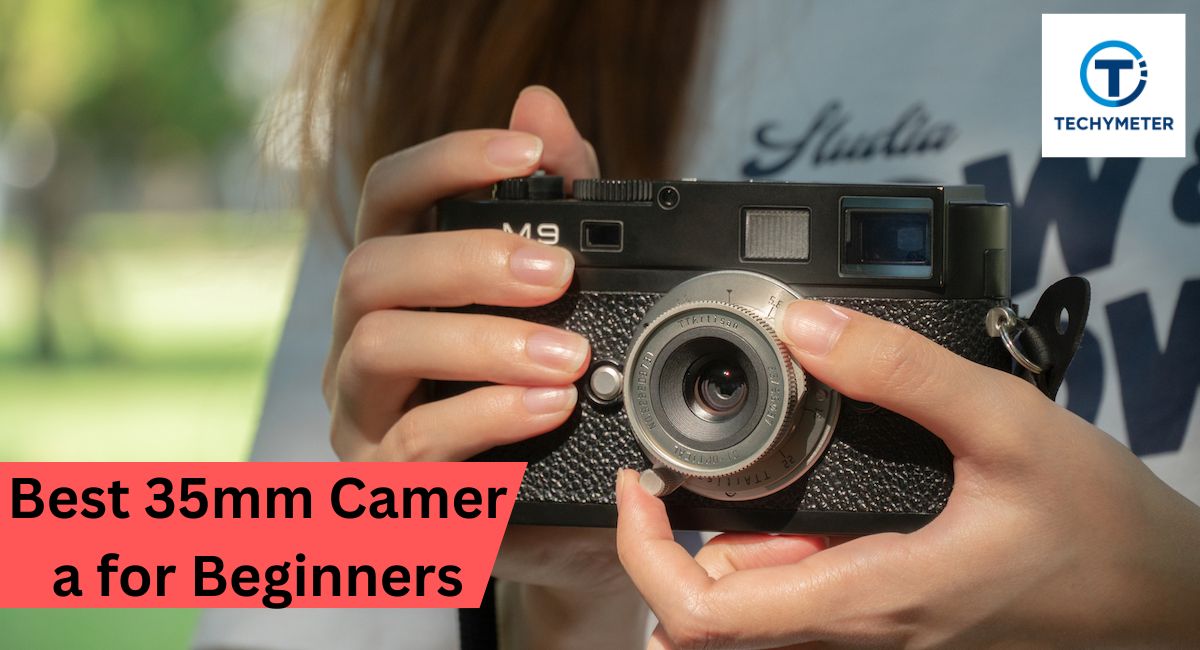
Stepping into the world of film photography is like opening a time capsule filled with creativity, patience, and discovery. The best 35mm camera for beginners isn’t just a tool—it’s a companion that teaches you to see light, shadow, and detail in ways digital cameras rarely do.
Whether you crave the nostalgic charm of grainy textures, the deliberate rhythm of manual controls, or the joy of watching your first negatives come to life, this guide will help you choose the perfect 35mm camera to start your photographic journey confidently.
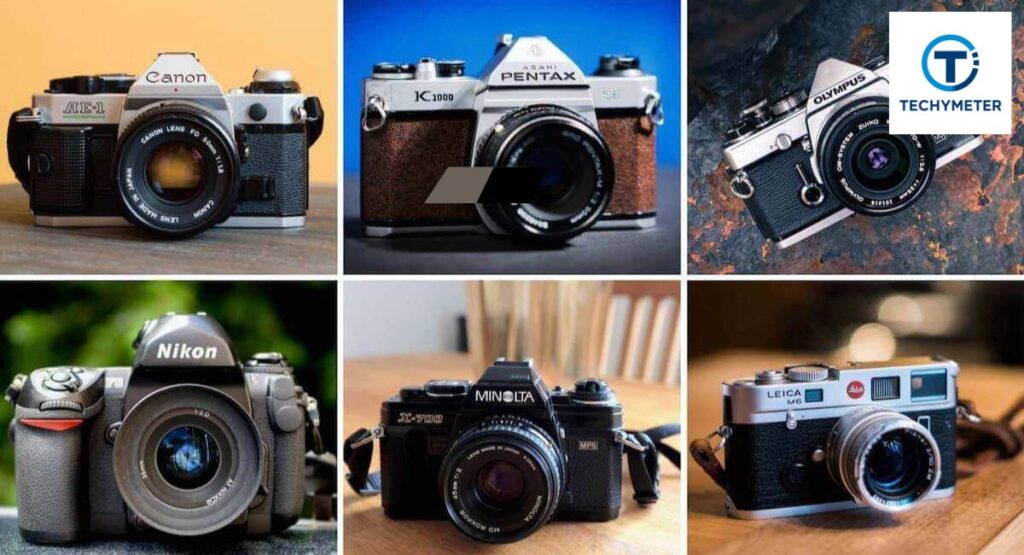
The best 35mm camera for beginners blends simplicity, durability, and creative control, making film photography a timeless way to learn light, composition, and intention. Classics like the Canon AE-1, Pentax K1000, and Olympus OM-10 offer reliability and charm—perfect companions for starting your analog journey.
Why the Best 35mm Camera for Beginners Still Matters Today
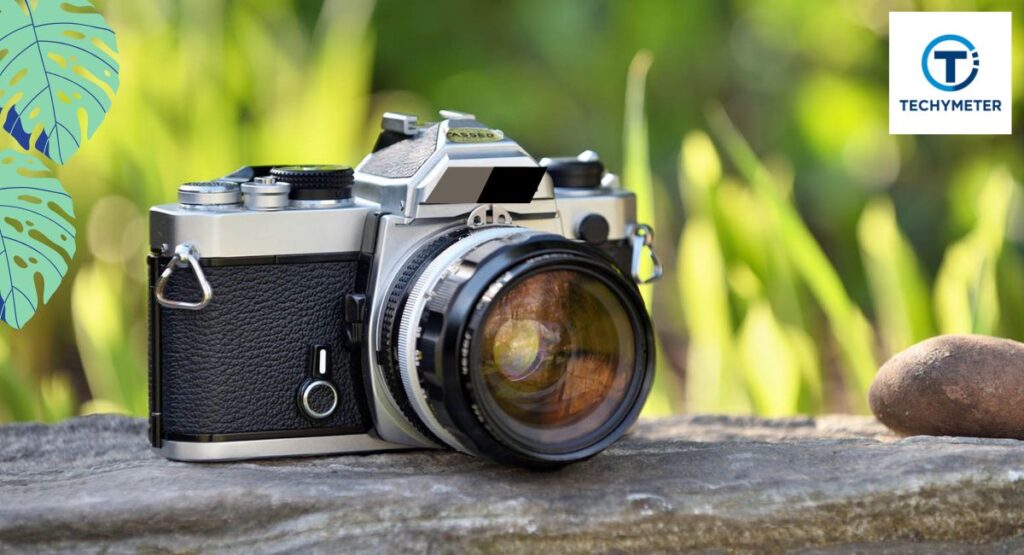
Film isn’t dead; it just took a scenic detour. The best 35mm camera for beginners invites you into photography’s purest form—slowing time, shaping light, and nurturing patience. In a digital era where perfection is instant, 35mm film teaches you to feel before you click, not merely capture.
The Undeniable Charm of Learning Photography on Film
You can’t rush film. Each frame is deliberate, a whisper of anticipation. When you wind the roll, you participate in history’s oldest dance between lens and light. Film photography rewards intention over convenience—it’s art disguised as simplicity. That’s what makes 35mm truly enchanting for creative souls like you.
Understanding the Magic Behind 35mm Film Cameras
A strip of 35mm film is deceptively small but remarkably powerful. Every exposure measures 24x36mm, a format that’s shaped generations of photographers. When you shoot with a manual film camera, you become part scientist, part poet—experimenting with chemistry, timing, and emotion in one delicate gesture.
Choosing the Right Camera
What Defines the Best 35mm Camera for Beginners
The best 35mm camera for beginners balances ease and exploration. It doesn’t overwhelm you with controls, yet it reveals how light behaves. You want sturdy mechanics, intuitive dials, and lenses you can grow with. Think of your first film camera as a mentor—firm, patient, endlessly forgiving.
Key Features Every Beginner Should Look For
Prioritize cameras with manual focus, clear viewfinders, and smooth film advance levers. Don’t chase megapixels—chase mechanics. Look for a built-in light meter, interchangeable lenses, and batteries that are still available today. These humble features define longevity, making your learning journey feel both accessible and rewarding.
How to Match a Camera to Your Shooting Style
Your ideal 35mm camera reflects your personality. Are you impulsive, capturing moments before they fade? A point-and-shoot works best. Prefer total creative control? Choose an SLR. Remember, your comfort behind the viewfinder shapes your confidence—photography is a partnership, not performance.
The Difference Between SLR and Point-and-Shoot 35mm Cameras
An SLR camera lets you see exactly what the lens sees, turning learning into hands-on discovery. Meanwhile, point-and-shoot film cameras offer spontaneity, letting you focus on storytelling instead of settings. Both formats nurture different instincts, so explore both before choosing your lifelong photographic companion.
Why Manual Controls Help You Master Photography Faster
Automatic settings can hide your mistakes, but manual cameras teach you to read light’s language. Adjusting aperture, ISO, and shutter speed develops intuition faster than any tutorial. The process feels tactile—each click of a dial etches knowledge into your muscle memory, shaping artistry through experience.
Budget & Value Picks
Affordable 35mm Cameras That Deliver Stunning Results
You don’t need to spend a fortune to start your film journey. The Olympus OM-10, Nikon FM10, and Pentax ME Super deliver rich tones and crisp details under $200. These models blend simplicity with strength, making them perfect gateways into the nostalgic world of 35mm photography.
Top Budget-Friendly Models Under $200
| Camera Model | Type | Avg. Price | Distinctive Feature |
| Canon AE-1 | SLR | $180 | Iconic beginner classic |
| Olympus Trip 35 | Compact | $120 | Solar-powered light meter |
| Pentax K1000 | SLR | $200 | Rugged student favorite |
| Nikon FG | SLR | $190 | Compact body, great meter |
Each choice balances usability with charm. If reliability matters more than automation, choose the Pentax K1000—its design feels intuitive and indestructible.
Mid-Range 35mm Cameras Worth Every Penny
Step up to mid-tier models like the Canon A-1, Minolta X-700, or Nikon FE2. They deliver sharper optics, advanced metering, and smoother operation. These cameras reward commitment; the more you learn, the better they perform. Investing in quality gear refines your craft without complicating it.
Premium 35mm Cameras for Beginners Ready to Invest
If your budget stretches further, explore the Leica M6, Nikon F3, or Contax G2. They’re mechanical symphonies—crafted from precision and history. The tactile joy of these cameras enhances every frame. Still, skill trumps luxury; even the best 35mm camera for beginners means little without curiosity behind the lens.
Where to Buy Used 35mm Cameras Without Getting Scammed
Buying used is smart, but caution matters. Trust marketplaces like MPB, KEH, or local vintage camera stores with test warranties. Inspect for light leaks, lens fungus, and battery corrosion. Always ask for sample shots before paying. Your best 35mm camera for beginners should click confidently—not creak in uncertainty.
Camera Brands and Models
Best Canon 35mm Cameras for First-Time Users
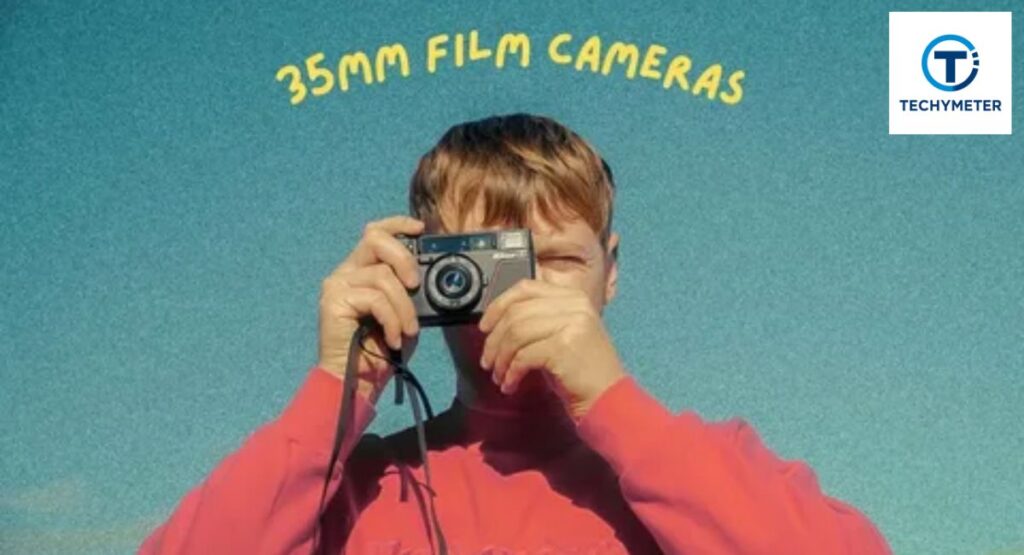
Canon’s legacy began long before digital sensors existed. The Canon AE-1, with its crisp build and intuitive layout, remains one of the best 35mm cameras for beginners. Its light meter is accurate, its controls clear. You’ll feel instantly confident, even if you’ve never shot film before.
Nikon’s Most Trusted 35mm Cameras for Starters
Nikon built its reputation on durability. Cameras like the Nikon FM10 and FE2 offer legendary toughness without complexity. Their mechanical precision and smooth shutter action make every frame satisfying. If you crave reliability and minimal fuss, a Nikon 35mm camera fits your rhythm perfectly.
Pentax Cameras That Make Learning Film Photography Easy
Few brands balance simplicity and quality like Pentax. The Pentax K1000 teaches you photography’s foundations through tactile control. No menus, no distractions—just pure mechanical joy. That’s why educators often recommend it as the best 35mm camera for beginners learning exposure by intuition.
Olympus 35mm Cameras That Beginners Swear By
Olympus thrives on compact elegance. Models such as the OM-10 and Trip 35 are lightweight yet remarkably sharp. Their portability makes them perfect for travelers and street photographers. If you want performance without bulk, an Olympus 35mm film camera feels like carrying creativity in your pocket.
Minolta Models That Still Shine in 2025
The Minolta X-700 and SRT-101 remain quiet legends. They combine ergonomic comfort with electronic precision. Minolta glass, known for its warm tones, adds cinematic charm to your images. These cameras prove that even vintage gear can produce results rivaling modern lenses in depth and emotion.
Leica 35mm Cameras for Beginners Who Love Quality
Owning a Leica feels like owning history. The Leica M6 merges engineering elegance with manual focus mastery. Though pricey, it rewards deliberate photographers who crave control. Every shutter click resonates like a heartbeat. For beginners with ambition, it’s an heirloom that teaches patience through perfection.
Yashica Cameras That Offer Vintage Vibes and Ease
If nostalgia drives your passion, the Yashica Electro 35 is a dream. Its smooth focusing and automatic exposure simplify learning while preserving analog charm. Yashica’s lenses produce velvety bokeh that flatters portraits and city scenes alike. It’s vintage reliability wrapped in understated style—ideal for curious beginners.
Camera Reviews and Highlights
Canon AE-1 Review: The Perfect Starter Camera
The Canon AE-1 isn’t just famous—it’s foundational. Introduced in the late ’70s, it democratized photography for hobbyists. Its quick shutter, accurate metering, and accessible controls make it timeless. Using it feels like having a teacher whispering guidance through every exposure. Reliable, intuitive, and iconic—that’s Canon’s promise kept.
Nikon FM10: A Reliable Companion for Learners
The Nikon FM10 embodies mechanical honesty. Built with metal gears and minimal electronics, it runs even without batteries. This makes it the best 35mm camera for beginners who want independence from automation. Every shot you take teaches precision—the perfect apprenticeship for future digital mastery.
Pentax K1000: The Best 35mm Camera for Beginners Ever Made
Ask any photography instructor, and they’ll nod approvingly at the Pentax K1000. Its meter needle, manual controls, and solid body create an ideal learning playground. It has no unnecessary distractions—only dials that make sense. Many photographers never part with it because it feels like an honest friend.
Olympus OM-10 Review for Modern Film Enthusiasts
The Olympus OM-10 blends sophistication with simplicity. Its automatic exposure helps beginners, yet its manual adapter encourages growth. Small, quiet, and beautifully balanced, it’s a traveler’s delight. The OM-series proves that you can learn serious photography without carrying something that feels like gym equipment.
Minolta X-700: Classic Power Meets Simplicity
The Minolta X-700 bridges vintage and modern worlds. With programmable exposure and bright focusing screens, it’s welcoming for beginners yet capable enough for pros. It encourages experimentation—switch to manual mode, and you’ll truly understand the dance between aperture and light. Classic design, enduring soul.
Beginner Learning and Techniques
How to Load and Unload Film Without Errors
Loading a film roll is both a ritual and a skill. Open the camera back gently, place the film canister into its slot, and feed the leader into the take-up spool. Turn the advance lever until it catches. When rewinding, do it slowly to prevent tearing. Mastering this makes you feel truly connected to the process.
Understanding Shutter Speed and Aperture in 35mm Cameras
Your shutter speed controls motion, while aperture defines light and depth. A slow shutter captures dreamy trails, a fast one freezes action. A wider aperture (f/2.8) brings blur; a smaller one (f/11) sharpens everything. Together, they create your exposure triangle—the heartbeat of every beginner photographer learning on 35mm film.
Simple Tips to Capture Sharp and Balanced Shots
Hold your 35mm camera firmly, elbows tucked close, and exhale gently before clicking. Use natural light when possible—it flatters colors beautifully. Always check your light meter and focus manually with care. Every shot teaches timing and observation. Remember: steadiness and patience matter more than expensive gear.
Avoiding Common Mistakes Beginners Make with Film Cameras
Film beginners often overexpose by forgetting ISO settings or rushing film advancement. Others misload rolls or open backs prematurely. To avoid this, slow down—treat each frame as precious. Keep your film camera shaded from direct sunlight, double-check focus, and note your settings. Practice brings consistency and confidence.
How to Choose the Right Film Roll for Your Camera
Choosing film is like picking your canvas. For rich contrast, try Kodak Tri-X 400; for vivid colors, go with Fujifilm Superia X-TRA 400. Beginners may start with ISO 200 or 400—it balances flexibility and forgiveness. Experiment across brands; your favorite film stock will define your visual voice.
Accessories & Maintenance
Must-Have Accessories for 35mm Film Photography
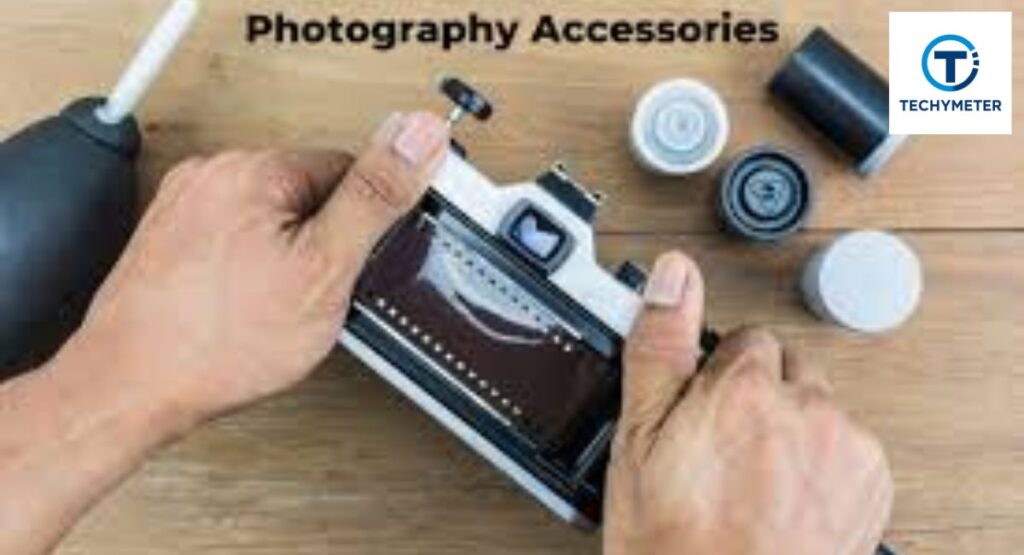
A good camera strap, lens cap, and cleaning cloth are essentials. Add a light meter if your camera lacks one. Keep extra batteries, film rolls, and a notebook for exposure notes. Accessories don’t just make shooting easier—they cultivate mindfulness and preparedness every time you press the shutter.
The Best Camera Bags for 35mm Film Cameras
The ideal camera bag should protect while remaining portable. Look for padded interiors, weather resistance, and quick-access compartments. Brands like Lowepro or Peak Design blend function with fashion. A well-fitted bag keeps your 35mm camera and lenses safe, letting you wander freely without worrying about bumps or dust.
How to Clean and Maintain Your Camera Properly
Use a soft microfiber cloth for lenses and a small blower to remove dust. Never touch the shutter curtain—it’s delicate. Store your 35mm film camera in a cool, dry place to prevent fungus growth. Clean lenses with circular motions using lens cleaner only. Regular care ensures decades of crisp, reliable performance.
Essential Tools for Developing Your Film at Home
Home development isn’t complex—it’s chemistry in a darkroom dance. You’ll need a developer, fixer, reels, and a light-proof tank. Use a thermometer for accurate temperatures. Processing film yourself deepens understanding—it transforms you from a picture-taker into a creator. Nothing compares to watching your negatives emerge for the first time.
Protecting Your Film Rolls from Heat and Light
Heat and sunlight are film’s worst enemies. Always store your rolls in a cool, dry environment—preferably refrigerated if unused. After shooting, keep them in lightproof containers until processing. Proper handling prevents color shifts and loss of detail. Respect the film, and it will reward you with timeless tones.
Practical Use & Inspiration
Why You Should Travel with a 35mm Film Camera
Traveling with a 35mm camera transforms every journey into art. Film slows you down—you notice light, texture, and faces more deeply. Each frame feels deliberate, each shot a memory. Besides, you’re not glued to screens; you’re living the moment, capturing authenticity the digital world often overlooks.
How Shooting Film Improves Your Eye for Composition
Film teaches patience. Without instant previews, you learn to visualize before pressing the shutter. Framing, balance, and leading lines start to feel intuitive. Soon, your eye notices symmetry in chaos. That’s the gift of film photography—it trains you to see like an artist, not just shoot like one.
Using a 35mm Camera for Street Photography
The compactness of a 35mm camera makes it perfect for the streets. It’s quiet, discreet, and timelessly stylish. Film grain adds a soulful texture to urban scenes—raw yet nostalgic. Wait for gestures, shadows, or fleeting laughter; every frame can become a slice of real life captured in honesty.
How Film Photography Boosts Your Creative Confidence
There’s something powerful about trusting your instincts when you can’t review a shot instantly. Each frame challenges your understanding of light and timing. When you finally develop your negatives and see beauty unfold, it feels earned. That confidence spills into every creative endeavor you pursue afterward.
Real Stories from Photographers Who Started on 35mm
Ask any seasoned shooter, and they’ll tell you—film changed their perspective. Many began with a Pentax K1000 or Canon AE-1, learning exposure the hard way but remembering the joy. That tactile experience shaped their discipline, making them more thoughtful digital photographers today. Film wasn’t just nostalgia—it was a foundation.
Advanced Tips and Insights
How to Digitize Your 35mm Negatives with Ease
Preserving your film work digitally is simple with a film scanner or DSLR scanning setup. Clean negatives first, then scan at high resolution (2400 dpi or more). Use editing software to adjust tones. This hybrid workflow bridges analog emotion with digital convenience—perfect for sharing your masterpieces online.
Understanding Different Film Types: Color vs Black-and-White
Color film tells stories in warmth, mood, and memory. Black-and-white strips away distraction, emphasizing light and shadow. Beginners should experiment with both. Try Kodak Portra 400 for rich hues and Ilford HP5 Plus for timeless monochrome drama. Each film stock feels like a different language—choose the one that speaks to you.
Mastering Manual Focus Like a Pro
Manual focus refines your precision. Turn the focusing ring until edges snap into clarity within the viewfinder. Practice on still subjects first, then progress to moving ones. Rely on your instincts as much as your eyes. With enough time, you’ll feel the lens lock onto sharpness even before you see it.
Light Meters Explained: Do You Really Need One?
Many 35mm cameras include built-in meters, but external light meters give better accuracy. They measure incident light instead of reflected, producing more consistent exposures. However, learning to “read the light” is equally vital. Eventually, you’ll sense brightness by observation alone—a skill every true photographer cherishes.
How to Repair or Restore Vintage 35mm Cameras
If your vintage film camera sticks or jams, start small—replace light seals, clean viewfinders, and lubricate gently using specialized kits. Avoid forcing levers or dials. Local camera repair shops often revive classics affordably. Maintaining these mechanical wonders connects you to decades of craftsmanship still unmatched by modern gear.
Legacy and Comparison
Why 2025 Will See a Rise of Film Photography
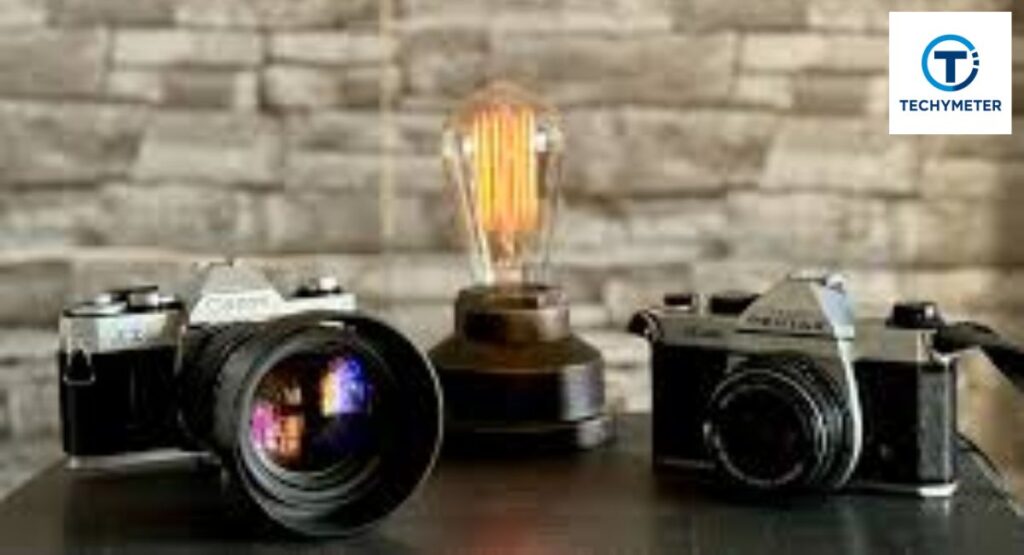
In a world obsessed with instant results, film feels revolutionary again. Photographers crave authenticity, imperfection, and texture. Film slows life down—it reminds you to savor creation. Sales of 35mm cameras have surged as artists rediscover the soulful magic of analog. It’s nostalgia reborn with purpose.
35mm vs Medium Format: Which Should You Try First?
Medium format offers incredible detail but demands heavier gear and higher costs. 35mm film cameras balance quality with portability, making them ideal for beginners. You’ll shoot more freely, learn faster, and still get cinematic results. Once you’ve mastered 35mm, medium format will feel like a natural evolution.
The Future of Analog Photography for Modern Beginners
How 35mm Cameras Build Stronger Photography Skills
With film, you think before you click. Limited exposures teach discipline; manual settings sharpen intuition. Each roll reveals your progress—mistakes become lessons, not deletions. This patience shapes powerful storytellers. In short, mastering a 35mm camera turns you from a casual shooter into a mindful image-maker.
Conclusion
Choosing the best 35mm camera for beginners isn’t just about specs—it’s about connection. Go with the one that feels natural in your hands, that inspires curiosity. Whether you pick a Canon, Pentax, or Olympus, your camera becomes a time capsule for memories that never fade. Film, after all, remembers everything.
FAQs
1. What makes the best 35mm camera for beginners?
A camera with simple controls, a durable build, and a reliable metering system. Models like the Canon AE-1 and Pentax K1000 top the list.
2. Are film cameras still available new?
Yes, brands like Nikon still produce new models, such as the FM10, and others are easily found refurbished.
3. How much does a good beginner 35mm camera cost?
You can find quality used options between $100–$300, depending on condition and lens.
4. Is film expensive to develop?
Not really—basic color processing costs around $10–$15 per roll, though developing at home can save more.
5. What film should a beginner start with?
Start with Kodak Gold 200 or Fujifilm C200—both are forgiving and affordable.
6. Can you use old lenses on modern digital cameras?
Absolutely! With adapters, many vintage lenses fit digital mirrorless bodies, adding unique character to images.
7. How long can undeveloped film last?
Stored properly in cool, dry conditions, film can last 5–10 years before degradation.
8. Do 35mm cameras need batteries?
Some do—mainly for the light meter. Fully mechanical models like the Nikon FM2 work without power.
9. Is film photography hard to learn?
Not at all. It’s slower, yes—but that’s the beauty of it. You learn intention, not just technique.
10. Where can I buy the best 35mm camera for beginners?
Trusted sources include KEH Camera, B&H Photo, and verified sellers on eBay. Always check condition grades before purchasing.
Read More
- The Best Bird Feeder Cameras of 2026: Smart Picks for Every Backyard
- 11 Vent Camera Truths That Will Surprise You in 2026
- 7 Powerful Camera 6 Secrets You Must Know (Complete 2026 Guide)
- 7 Shocking Fixes for Camera Battery Low Issues
- 9 Shocking Truths: Are Construction Cameras Worth It?
 Ahmedd12