 By Ahmed11
Photography is more than capturing images; it’s about freezing moments that tell stories. If you’ve ever wondered what the best camera for photography is, you know the challenge. The market is flooded with options, and every brand claims its latest model is “the one.” But what you really need is a camera for photographers that fits your style, your skill level, and your creative vision.
In this guide, we’ll cut through the hype and focus on what truly matters. From mirrorless technology to DSLR photography, and from high-resolution camera sensors to in-body image stabilization (IBIS), you’ll discover cameras that perform under real conditions.
We’ll explore models like Sony Alpha a7 IV, Canon EOS R5, and Fujifilm X-T5, providing insights on real-time eye autofocus, subject tracking autofocus, and dynamic range in photography. By the end, you’ll know exactly which camera matches your needs, whether you’re a beginner, an enthusiast, or a professional.
The ultimate guide to finding the best camera for photography, from beginner to professional, covering top models, features, lenses, and tips for perfect shots.
This article is your complete guide to choosing the best camera for professional photography, giving you the knowledge to invest wisely, shoot confidently, and elevate your photography to the next level.
Best Camera for Professional Photography
The best camera for professional photography must deliver fearless image quality and ruthless autofocus performance. You need speed that feels instant. You need files that bend in editing. Bodies like the Sony Alpha a7 IV and the Canon EOS R5 show how a true professional photography camera earns trust.
A pro body also brings weather-sealed camera body strength and deep camera durability. Long weddings test gear. Cold mornings punish batteries. A full-frame camera like Nikon Z7 II keeps colors rich and noise low. It becomes your silent partner on every paid shoot.
Understanding What Makes a Camera Truly Professional
A professional camera is not about price. It is about control. You get a wide dynamic range in photography, fast real-time eye autofocus, and clean RAW photo performance. These tools help you save moments that would vanish with weaker gear.
Build matters too. Professional camera build quality means strong magnesium frames and sealed buttons. Cameras like Fujifilm X-H2S survive rain and dust. They keep working when stories unfold. That reliability separates passion from profession.
Key Features That Define the Best Camera for Photography
The heart is the sensor. A high-resolution camera sensor gives detail you can crop. A low-light photography camera keeps shadows clean. Many shooters choose a full-frame camera for depth, while others love an APS-C camera for reach and light bodies.
Stability saves shots. In-body image stabilization (IBIS) steadies hands. A sharp electronic viewfinder shows exposure in real time. Pair that with strong color science, and every frame looks closer to how your eyes remember the scene.
How to Pick the Best Camera for Your Type of Photography
Your style leads the choice. Street shooters want silent speed from a mirrorless camera for photography. Wildlife fans crave reach and grip. Portrait lovers chase tones. This is where DSLR vs mirrorless cameras becomes personal, not technical.
For example, Fujifilm X-T5 fits travel storytellers with its lightweight body and film simulations. The Nikon D3500 suits those who enjoy the classic DSLR photography feel. Choose the tool that dances with your rhythm.
How to Choose the Best Camera for Photography Based on Your Needs
Choosing the right camera starts with your goals. A beginner photography camera like the Canon EOS Rebel T6 teaches the basics. A mid-range photography camera, such as the Fujifilm X-T50, balances performance and affordability. Professionals need a hybrid photo-video camera like the Sony α6700 for versatility.
Consider a budget camera for photography, a camera lens ecosystem, and long-term growth. Your choice shapes future gear. A camera that suits your style today may still inspire creativity years later. Think beyond specs to lifestyle fit.
Guide for Every Photographer
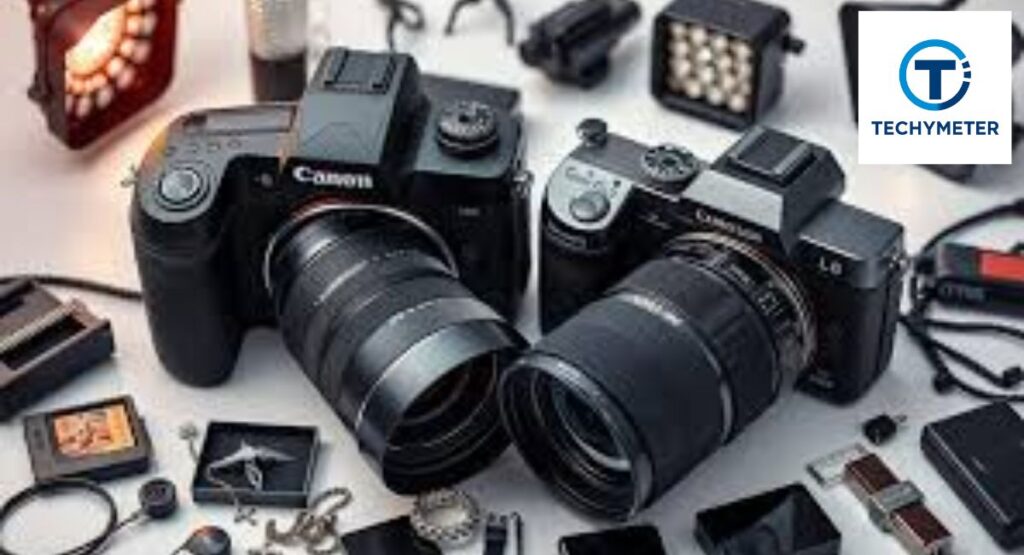
Finding the best camera for photography requires balance. You need autofocus performance, sharp image quality, and in-body image stabilization (IBIS). Some photographers value real-time eye autofocus. Others prioritize electronic viewfinder accuracy for street or travel work.
The best camera adapts. A professional photography camera handles studio, landscape, or social media content with equal grace. Bodies like Canon EOS R10 or Fujifilm X-H2 deliver versatility without compromise. Understanding your shooting scenarios ensures satisfaction.
Best Camera for Photography Overall
The overall best camera should blend performance, usability, and value. Cameras like the Sony Alpha a7 IV combine full-frame camera power with smooth subject tracking autofocus. They suit professionals and enthusiasts alike, making them ideal photography-focused cameras.
A top pick also balances battery life, lens compatibility, and low-light photography camera performance. These cameras work in travel, weddings, landscapes, and casual shoots. One choice can serve multiple purposes and last for years.
Best Camera for Professional Photography
Professional photographers often favor flagship models. Canon EOS R5, Nikon Z7 II, and Fujifilm X-H2S offer high-resolution camera sensors, dynamic range in photography, and durability. They survive extreme conditions and heavy usage without fail.
Professional cameras also provide advanced features like real-time eye autofocus, silent shooting modes, and a weather-sealed camera body. Investing in such gear ensures reliability when every shot counts, from sports to editorial work.
Top Full-Frame Cameras That Offer Flagship Power on a Budget
For photographers seeking high-end performance without breaking the bank, full-frame cameras like the Sony a7 III and Canon EOS R10 deliver remarkable image quality and robust autofocus performance. These cameras bring the richness of a high-resolution camera sensor and excellent low-light handling.
Despite their price, these cameras maintain in-body image stabilization (IBIS) and support a vast camera lens ecosystem. They allow ambitious shooters to produce professional-grade photos while staying budget-conscious, proving that power does not always demand premium costs.
Best Hybrid Cameras for Both Photography and Video Shooting
A hybrid photo-video camera suits creators who want versatility. Cameras like Canon EOS R5 or Fujifilm X-H2 excel in stills and video, with features like real-time eye autofocus and subject tracking autofocus. These models balance DSLR vs mirrorless cameras’ strengths for both mediums.
Hybrid systems also support video features in modern cameras, such as 4K recording and high frame rates, while maintaining professional camera build quality. Creators can switch seamlessly between photography and filmmaking, making them ideal for content production and social media.
Best Budget Camera for Photography
Entry-level photographers often seek a budget camera for photography without sacrificing essential features. Cameras like Canon EOS Rebel T6 and Nikon D3500 offer reliable autofocus performance, a solid camera lens ecosystem, and user-friendly controls suitable for beginners.
Even as entry-level cameras, these models provide dynamic range in photography, competent low-light photography camera performance, and clean RAW photo performance. They serve as stepping stones for serious photographers looking to upgrade in the future.
Best Budget-Friendly Cameras for Serious Photographers
For mid-range enthusiasts, mid-range photography cameras like Fujifilm X-T50 and Canon EOS Rebel SL3 / 250D deliver advanced image quality and color science at an approachable price. They combine speed, reliability, and creative flexibility in one body.
These cameras often include electronic vs optical viewfinder options, IBIS, and interchangeable lens camera compatibility. Serious photographers can explore techniques like portrait, street, or landscape photography without overextending their budget.
Best Cameras for Beginners in Photography
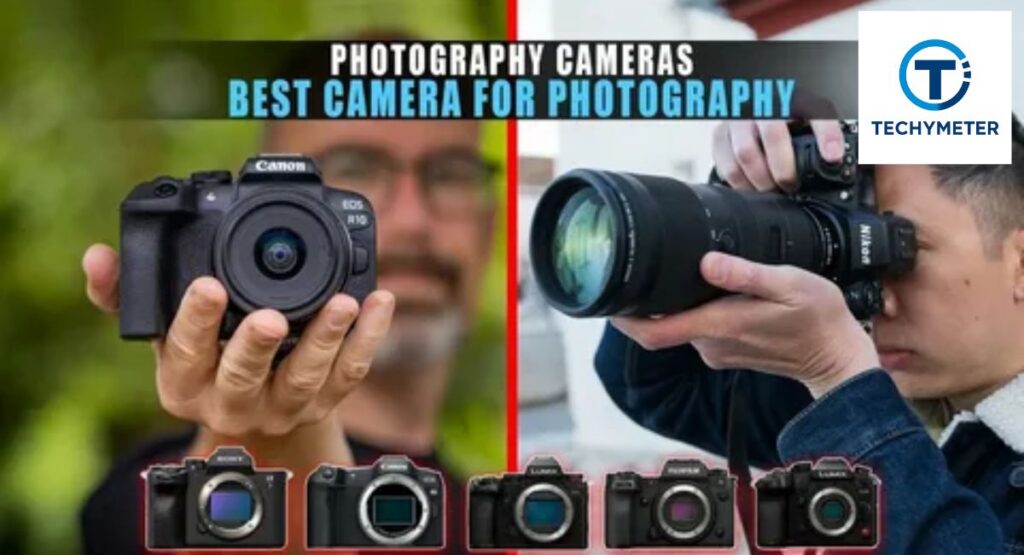
A camera for beginning photographers should be user-friendly and intuitive. Cameras like Canon EOS Rebel SL3 / 250D or Nikon D3500 provide simple menus, helpful guides, and reliable autofocus performance. They introduce essential skills without overwhelming new users.
These cameras also feature electronic viewfinder or optical viewfinder options and a solid camera lens ecosystem. Beginners can explore landscapes, portraits, and street photography while learning the basics of exposure, composition, and color.
Best Cameras for Beginners Who Want Pro-Level Results
Some beginners dream of pro-level output from day one. A high-resolution camera sensor, dynamic range in photography, and adaptable interchangeable lens camera systems are features of cameras like the Fujifilm X-T50 and Canon EOS R10. They bridge beginner learning with professional tools.
These models often include real-time eye autofocus, in-body image stabilization (IBIS), and film simulations. Beginners gain confidence knowing their shots will look polished, whether for portfolios, social media, or personal projects.
Best Compact and Lightweight Cameras for Travel Photography
Travel photography demands light, versatile gear. Cameras like Ricoh GR III or Fujifilm X-T4 combine a compact and lightweight camera for photography with excellent image quality and color science. They are easy to carry, yet powerful enough for creative freedom.
These cameras support mirrorless technology and offer electronic viewfinder advantages for street and landscape photography. Travel enthusiasts appreciate the blend of portability and professional-grade performance for capturing every moment on the go.
Best Mirrorless Camera Bodies for Travel and Everyday Use
Mirrorless cameras dominate modern travel and everyday photography. Models like Sony α6700 and Fujifilm X-H2 provide fast autofocus performance, low-light photography camera capabilities, and strong camera durability in a compact frame.
With hybrid camera systems, they handle both photos and videos efficiently. Their professional camera build quality ensures long-lasting performance, making them ideal companions for daily shooting, city walks, and spontaneous adventures.
Best Camera for Travel and Street Photography
Street and travel photographers need speed, discretion, and reliability. Cameras like the Leica Q3 and Fujifilm X-T4 deliver compact and lightweight cameras for photography with sharp image quality and fast real-time eye autofocus. Their mirrorless technology allows for silent shooting in busy environments.
These cameras excel in capturing fleeting moments while offering dynamic range in photography. With interchangeable lens camera options, photographers can switch from wide street scenes to intimate portraits seamlessly, making them ideal companions for urban and travel photography.
Best Cameras for Social Media, Instagram, and Content Creators
Content creators need cameras that combine professional photography features with strong video features in modern cameras. Hybrid photo-video cameras, such as the Fujifilm X-H2 and Canon EOS R5, provide both 4K video and excellent stills in one device.
These models include real-time eye autofocus, subject tracking autofocus, and excellent color science. For Instagram, YouTube, or TikTok, creators benefit from an electronic viewfinder, quick Wi-Fi transfer, and film simulations for instantly sharable, professional-looking content.
Best Lightweight and Compact Camera for Photography
The best lightweight and compact camera for photography allows creativity without fatigue. Models featuring a high-resolution camera sensor and dependable autofocus capabilities, such as the Ricoh GR III and Fujifilm X-T50, are compact and lightweight.
These cameras shine in street, travel, and casual photography. With in-body image stabilization (IBIS), dynamic range in photography, and a flexible camera lens ecosystem, photographers can carry professional performance in a pocket-sized body.
Best DSLR vs Mirrorless for Photography – Which One Wins?
The DSLR vs mirrorless cameras debate continues. DSLRs like Nikon D3500 offer a classic optical viewfinder experience, long battery life, and rugged durability. Mirrorless cameras like the Sony a7 III deliver an electronic viewfinder, fast real-time eye autofocus, and lighter bodies.
Mirrorless technology dominates for travel and street photography, while DSLRs remain favored in long-term battery performance and professional camera build quality. Your choice depends on style, shooting environment, and whether you value portability or tradition.
Best Cameras for Wildlife and Sports Photography
Capturing action requires speed and precision. Cameras like Sony α6700 and Canon EOS R10 excel in subject tracking, autofocus, and rapid frame rates. Their high-resolution camera sensor ensures details remain sharp even when cropping for distant wildlife.
Durability matters. Professional camera build quality and weather sealing allow photographers to shoot in rain, dust, or extreme conditions. Combined with a rich camera lens ecosystem, these cameras turn fleeting moments into spectacular shots with ease.
Best Cameras for Landscape and Astrophotography
Landscape and astrophotography demand precision and dynamic range. The Nikon Z7 II and Fujifilm X-H2 offer outstanding color science, crisp pictures in low-light camera performance, and a broad dynamic range. Their full-frame camera sensors capture vast scenes with rich detail.
Tripods often pair with these cameras for stability, while in-body image stabilization (IBIS) reduces handheld blur. High-resolution sensors let photographers crop or print massive images without losing quality, perfect for professional landscape or night sky work.
Best Cameras for Landscape, Astrophotography, and Macro Work
Macro and fine-detail work requires sharp optics and precision. For close-up, astrophotography, and nature photography, the Fujifilm X-T4 and Canon EOS R5 feature high-resolution camera sensors, robust focusing capabilities, and versatile interchangeable lens camera compatibility.
For essential focus, low-light shooting, camera support, and strong camera durability, these cameras frequently come with an electronic viewfinder. Their versatility allows photographers to explore multiple genres without changing primary bodies.
Best Cameras for Street, Portrait, and Wedding Photography
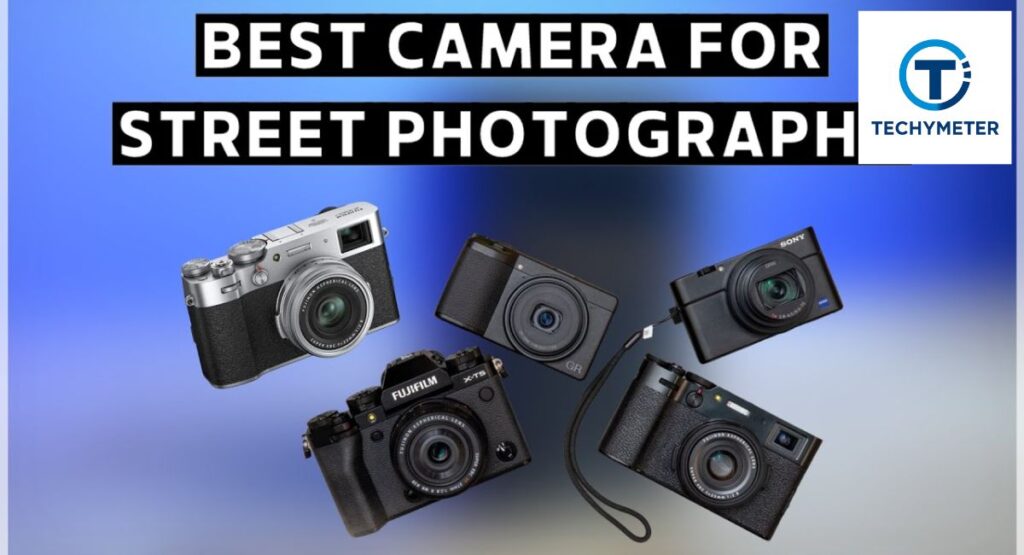
For street work, weddings, and portraits, exceptional color science and image quality are crucial. For sharp shots in dynamic situations, cameras such as the Sony Alpha a7 IV, Fujifilm X-T5, and Canon EOS R5 have in-body image stabilization (IBIS), silent shutters, and real-time eye focusing.
Their versatile camera lens ecology and professional photography camera features make them perfect for taking intimate pictures, ceremonial occasions, and candid moments. These bodies balance speed, reliability, and creative control for any photographer.
Best Cameras for Product and Commercial Photography
Product and commercial photography demand precision and clarity. Cameras with a high-resolution camera sensor, superior color science, and dependable RAW photo performance include the Fujifilm X-H2S and Canon EOS R5. These features ensure product images are crisp, vibrant, and true to life.
Lighting setups often pair with professional photography camera bodies. Photographers can select conventional, tilt-shift, or macro lenses with interchangeable lens camera systems. A rich camera lens ecosystem maximizes versatility for studio, commercial, or e-commerce photography.
Best Camera for Photography and Video (Hybrid Use)
A hybrid photo-video camera is perfect for creators who need versatility. Models like Fujifilm X-H2 and Canon EOS R5 excel in both stills and video with real-time eye autofocus and smooth subject tracking.
These cameras combine video features in modern cameras with professional camera build quality. They include electronic viewfinder, fast processors, and strong in-body image stabilization (IBIS), making them ideal for YouTube, Instagram, and commercial projects.
Best Action and Adventure Cameras for Extreme Shooting
Extreme shooting requires durability and portability. Cameras like GoPro or Sony α6700 (with weather-sealed bodies) withstand harsh environments. Professional camera build quality and rugged designs keep your gear safe in rain, snow, or dust.
Action cameras often include fast autofocus performance, low-light photography capabilities, and robust battery life for photography. They are perfect for adventure sports, travel vlogs, and on-the-go creators who need reliable performance anywhere.
Top Value Camera Picks: Nikon, Sony, Canon, and Fujifilm Compared
Choosing between brands requires understanding strengths. Sony Alpha a7 IV and Sony a7 III excel in mirrorless technology and electronic viewfinder quality. Canon EOS R5 and Canon EOS R10 bring rich color science and strong video options. Fujifilm X-T4 and Fujifilm X-H2 shine with film simulations and hybrid camera systems. Nikon Z7 II and Nikon ZF deliver a high-resolution camera sensor and professional camera build quality.
A comparison table clarifies choices:
| Brand | Model | Strength | Best Use |
| Sony | a7 III | Mirrorless, low light | Portraits, travel |
| Canon | R5 | Color science, video | Weddings, hybrid |
| Fujifilm | X-H2 | Film simulations, compact | Travel, street |
| Nikon | Z7 II | High-resolution, durability | Landscape, studio |
Choosing Lenses and Accessories to Maximize Camera Performance
A professional photography camera is only as good as its lenses and accessories. Investing in quality interchangeable lens camera glass improves image quality, autofocus performance, and low-light results. Lenses like wide-angle for landscapes, macro for close-ups, and fast prime lenses for portraits are essential.
Accessories also matter. Tripods stabilize shots, filters enhance creativity, and extra batteries extend battery life for photography. Using a rich camera lens ecosystem ensures your gear evolves with your skills and photography needs, maximizing every camera’s potential.
Common Buying Mistakes, Ethics, and Photos You Should Avoid Taking
Many photographers rush purchases or focus on specs rather than needs. Buying without testing leads to frustration. Choosing cameras beyond your skill level often wastes money and learning time. Ignoring camera durability and ergonomics is another common error.
Ethics matter too. Respect privacy, wildlife, and cultural norms. Avoid harmful or illegal photos. Understanding when and where to shoot safely is part of being a responsible camera photographer. Ethical shooting ensures your work is respected and sustainable.
Common Mistakes When Buying a Camera for Photography
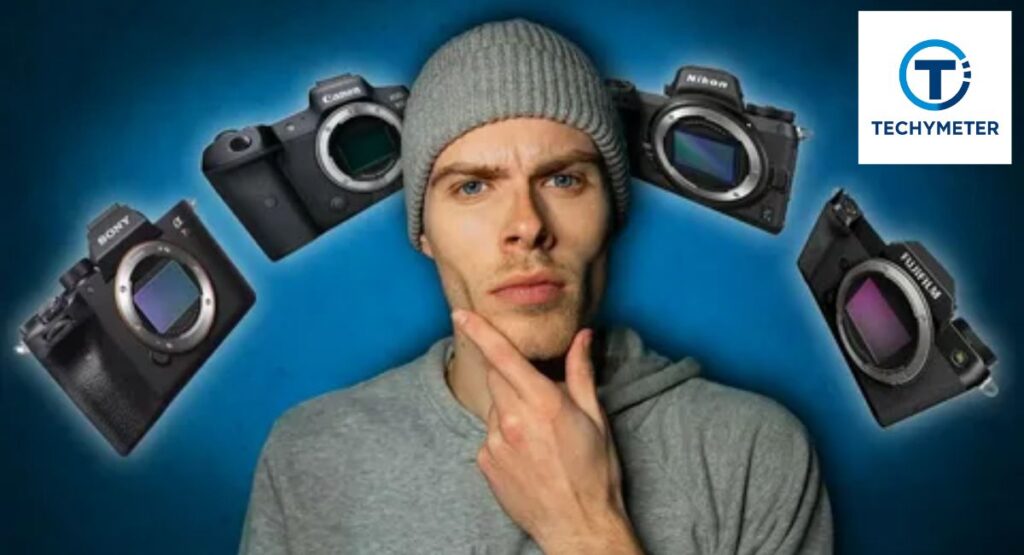
Shoppers often prioritize brand over functionality. Overlooking DSLR vs mirrorless cameras or failing to check electronic vs optical viewfinder preferences leads to regrets. Buying cameras without considering hybrid photo-video camera needs or camera lens ecosystem options also limits creativity.
Other mistakes include ignoring low-light photography camera performance, skipping hands-on trials, or choosing overly complex cameras like the Canon EOS R5 for beginners. Understanding your style, budget, and goals ensures the best camera for photography truly fits your needs.
Conclusion
Choosing the best camera for photography is more than picking the latest model; it’s about matching your style, needs, and creative goals. Whether you opt for a mirrorless camera for photography, a DSLR, or a hybrid photo-video camera, understanding features like real-time eye autofocus, dynamic range in photography, and a strong camera lens ecosystem ensures every shot counts. From beginners using Canon EOS Rebel T6 to professionals with Sony Alpha a7 IV or Fujifilm X-H2S, the right camera empowers you to capture stunning images, elevate your craft, and tell your story with confidence.
FAQs
1. Which camera is the best?
The best camera depends on your needs. For professionals, the Sony Alpha a7 IV or the Canon EOS R5 offer top performance, while beginners may prefer the Nikon D3500 or the Canon EOS Rebel T6.
2. What camera do most photographers use?
Professional photographers often use full-frame mirrorless cameras like the Sony a7 III, Canon EOS R5, or Nikon Z7 II due to their high-resolution camera sensors and reliability.
3. Which camera has the highest picture quality?
The best image quality is produced by cameras with full-frame sensors, such as the Nikon Z7 II or Canon EOS R5. They offer superior dynamic range in photography and excellent low-light performance.
4. What is a good camera to start photography with?
Beginner-friendly cameras like Canon EOS Rebel T6 or Nikon D3500 are ideal. They are entry-level cameras with simple controls and reliable autofocus performance.
5. Is Nikon better than Sony?
Sony excels in mirrorless technology and low-light performance, while Nikon offers durability and excellent high-resolution camera sensor options. The choice depends on your photography style.
6. Is a DSLR better than an iPhone?
Indeed, in contrast to smartphones, DSLRs like the Canon EOS Rebel SL3 or Nikon D3500 offer better image quality, interchangeable lens camera flexibility, and dynamic range.
7. Which phone is no. 1 in camera?
Currently, top contenders include the iPhone 15 Pro Max and Google Pixel 8 Pro, offering computational photography, AI-based enhancements, and strong low-light performance.
8. Who is better, Nikon or Canon?
Both brands excel; Canon is strong in color science and video, while Nikon offers a high-resolution camera sensor and a rugged build. Preference depends on your photography needs.
9. Should a beginner use a DSLR or a mirrorless?
Beginners can start with either. Mirrorless cameras are lightweight with fast real-time eye autofocus, while DSLRs offer classic handling and long battery life for photography.
10. What does EOS mean in a camera?
EOS stands for Electro-Optical System, Canon’s line of cameras designed for interchangeable lens camera versatility and advanced automation.
11. Can a phone camera beat a DSLR?
Smartphones are improving, but DSLRs or mirrorless cameras still outperform them in low-light photography, lens flexibility, and dynamic range in photography.
12. What’s better, EOS or DSLR?
“EOS” refers to Canon’s DSLR and mirrorless line, so comparing them is more about model type. A Canon EOS DSLR or EOS mirrorless camera depends on your need for portability versus traditional handling.
Read More
How to Add Cameras to Your Blink Network: Complete Step-by-Step Guide
Camera Storage Guide: How to Protect Your Camera, Lenses, and Gear the Right Way
Camera Magnets: The Ultimate Guide for Photographers and Videographers
How Long Does a Vicohome Battery Camera Last? Complete Lifespan Guide & Deep Insights
 Ahmedd12