 By Ahmed11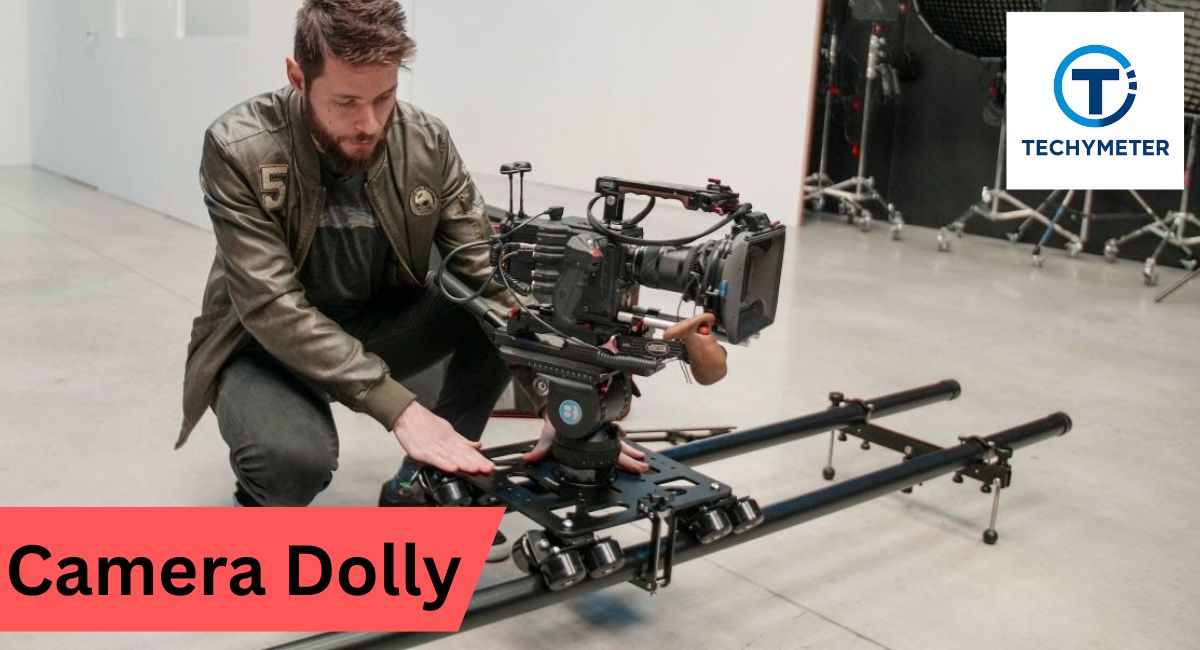
In the world of professional filmmaking, few tools are as transformative as a camera dolly. Whether you’re crafting a suspenseful chase scene, capturing a tender dolly-in, or revealing a sprawling landscape with a dolly-out, this versatile film equipment brings smooth movement and cinematic precision that elevates every shot.
A camera dolly isn’t just a moving platform—it’s the backbone of dynamic camera movement, allowing filmmakers to execute flawless tracking shots, push-in shots, or parallel tracking sequences. From studio dolly rigs to slider dollies and portable dolly setups, mastering this tool opens up endless possibilities for visual storytelling and film narrative.
By understanding the secrets of dolly shots, compound moves, and even complex circular track setups, you can transform ordinary scenes into unforgettable cinematic shots. Whether you’re a professional filmmaker or an independent filmmaking enthusiast, the insights in this guide will help you harness the full potential of camera dolly magic.
“Mastering camera dollies unlocks smooth cinematic motion, dynamic tracking shots, and professional visual storytelling for filmmakers of all levels.”
In this article, we explore “Camera Dolly.”
What Is a Camera Dolly and How Does It Operate
A camera dolly is a rolling camera platform designed for gentle travel. The device carries the camera rig, the camera operator, and often the focus puller. During a classic dolly shot, the system glides along a dolly track to record clean motion.
The heart of the system is smooth movement. Wheels ride on a steel track or an aluminum track. Some crews prefer a rubber track placed over a plywood overlay and masonite surface. A trained dolly grip guides direction using rear wheel steering or crab steering.
Why Camera Dollies Are Essential in Cinematography
Modern video production depends on controlled motion. A tracking shot pulls the viewer into the film narrative. Neither handheld shot nor steadicam can fully replace the emotional weight of a true film dolly move.
Directors rely on dollies for continuous take scenes. In busy TV production, a broadcast dolly with Newton stabilized head keeps frames steady. The result feels natural, unlike stiff tripod work.
How Camera Dolly Improves Video Quality
A dolly changes the relationship between the subject and the lens. The gentle push in the shot builds intimacy. A calm pull-out shot reveals space and mood. These actions shape the viewer’s feelings without a single spoken word.
Professional sets combine tools. A jib arm dolly adds height. A motorized dolly repeats exact paths. Even a small tabletop dolly can upgrade product videos for independent filmmaking creators.
Major Types of Camera Dollies Explained
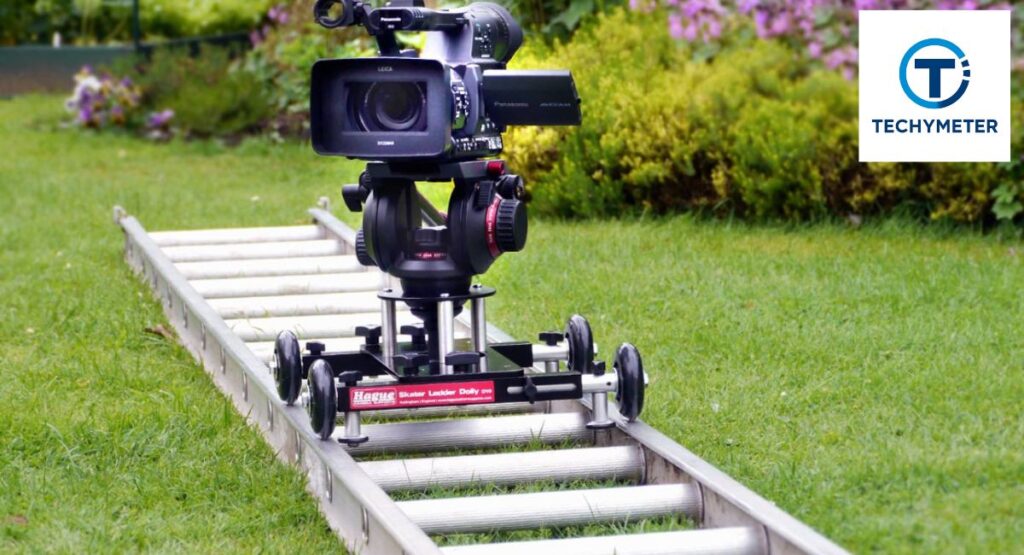
The market offers many forms of film equipment. Big studios choose the classic studio dolly with a hydraulic lift. Travelers carry a portable dolly that fits in a car trunk. Online creators love the compact slider dolly.
| Dolly Type | Best Use | Key Strength |
| studio dolly | feature films | heavy stability |
| portable dolly | travel shoots | quick setup |
| slider dolly | interviews | precise short move |
| remote dolly | events | operator free |
| Jib arm dolly | crane style | vertical reach |
Traditional Studio Dollies
A studio dolly is the powerhouse of professional filmmaking. It carries not just the camera rig but also the camera operator and focus puller. These dollies move on steel track or aluminum track, offering unmatched smooth movement and precision in high-budget productions.
They often include hydraulic dolly systems for vertical lifts, allowing complex compound moves. The dolly grip controls the motion, while the team can perform parallel tracking or circular setups. This setup ensures every cinematic shot is consistent across multiple takes.
Portable and Travel Dollies
A portable dolly is ideal for independent filmmaking and creators on the move. Lightweight yet sturdy, it can traverse rubber tracks or flat surfaces for dolly-in or dolly-out shots without a heavy setup.
These dollies are perfect for small crews. They allow continuous take sequences in tight spaces and can be combined with slider dolly attachments. Many video production teams use them for events, interviews, or travel shoots in the USA, where location scouting is unpredictable.
Slider Dollies and Mini Dollies
Slider dollies are compact camera platforms built for precision. They glide smoothly for short tracking shots and can fit on tables or small surfaces. Mini dollies function similarly, offering smooth movement in tight indoor sets.
These are excellent for product videos, YouTube content, and creative cinematic shots without heavy equipment. Even a handheld shot can be stabilized with a small slider. They also allow dolly zoom experiments or parallel tracking in creative angles.
Understanding Dolly Movement in Filmmaking
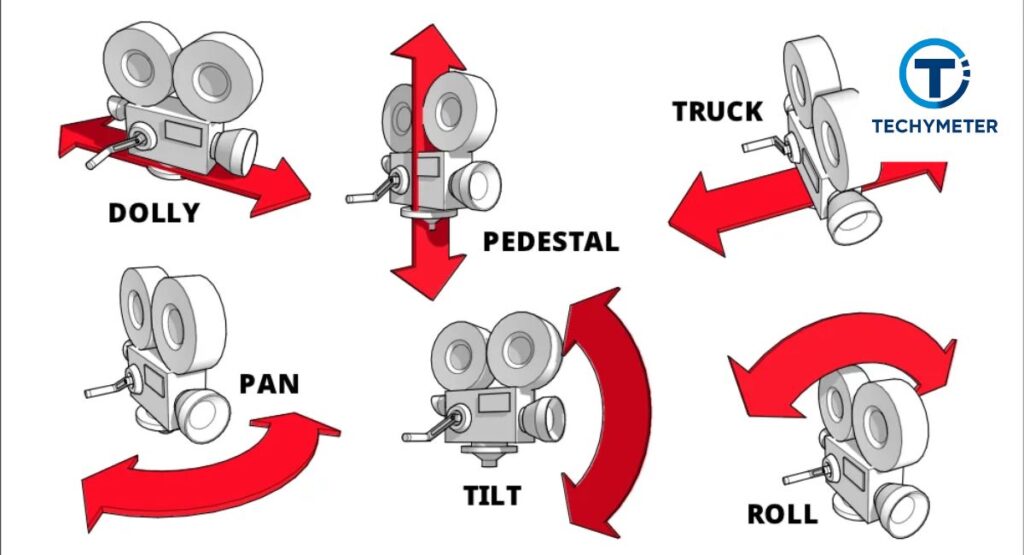
Dolly movement transforms storytelling. A gentle push in a shot focuses attention, while a pull-out shot opens space and reveals emotion. Strategic tracking camera usage guides the audience’s gaze across the film narrative naturally.
Movements are not just forward and back. Dancefloor moves, circular track setups, and compound moves create complex paths. Crab steering or rear wheel steering allows the dolly grip to execute curved or diagonal cinematic shots, keeping scenes fluid and professional.
Precision and Control in Dolly Shots
Achieving perfect precision in dolly shots requires skilled dolly grip work and careful camera rig setup. Every push-in shot or pull-out shot depends on exact speed and alignment on a straight track or a curved track to maintain a smooth movement.
The control also ensures consistency in continuous take scenes. Using hydraulic dolly lifts or motorized dolly systems, filmmakers can repeat complex compound moves precisely, helping the camera operator and focus puller capture the perfect cinematic shot every time.
Planning and Practice for Smooth Shots
Before filming, extensive storyboarding and practice runs are crucial. Adding dolly shots to your shot list allows the team to anticipate camera angles, camera lens changes, and location scouting challenges for each scene.
Even a remote dolly or Blackcam dolly benefits from rehearsal. Professional filmmaking relies on trial runs to master parallel tracking, circular track movement, and dancefloor moves, ensuring every tracking shot feels seamless to the viewer.
Dolly Zoom Shots Explained
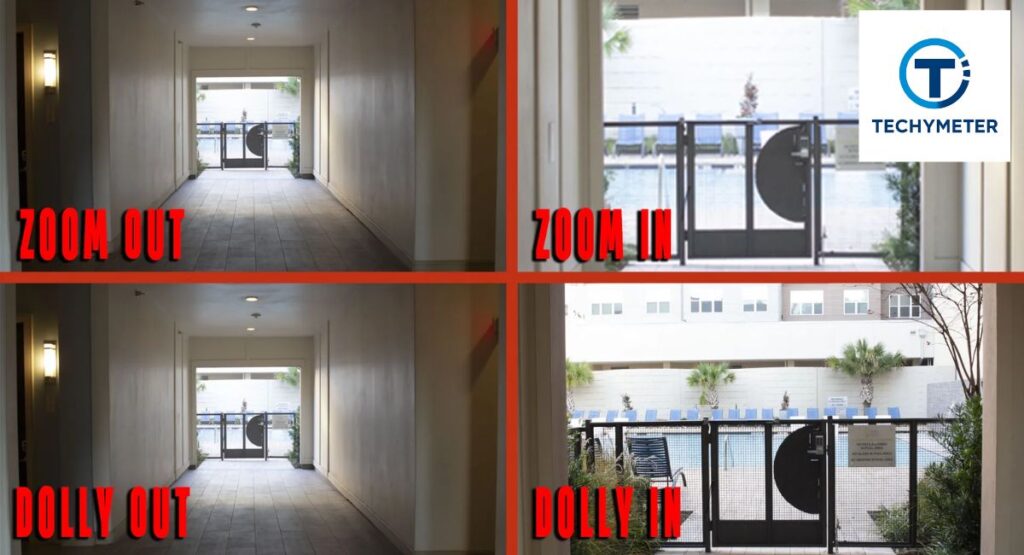
A dolly zoom is a striking cinematic effect where the camera dolly moves forward or backward while the camera lens zooms in the opposite direction. This creates a surreal sense of depth, often emphasizing tension or emotional impact in a scene.
Famous examples appear in Hollywood blockbusters. Using a motorized dolly or studio dolly, filmmakers maintain smooth movement while executing the dolly zoom. The combination of dolly in, dolly out, and zoom adjustment makes the effect both dynamic and unsettling.
What Is a Dolly Shot Used For in Films
A dolly shot guides viewers through the film narrative naturally. Push-in shots draw attention to emotions or dialogue, while pull-out shots reveal the environment or create tension. These moves enhance visual storytelling more than static or handheld cameras.
Tracking shots using a jib arm dolly, slider dolly, or tabletop dolly allow filmmakers to maintain continuity in continuous take sequences. Even smaller productions, including independent filmmaking projects, use parallel tracking and circular track moves to elevate scene impact dramatically.
Classic Dolly Shot Examples
Classic dolly shots have defined Hollywood storytelling. For instance, in Interstellar, a subtle dolly in on Anne Hathaway’s face heightens emotional connection. The camera operator glides along a studio dolly track, paired with precise focus puller adjustments, creating a seamless cinematic shot.
Similarly, Joker uses dollies out moves to reveal urban isolation. These tracking shots show how a film dolly transforms ordinary frames into immersive visual storytelling, demonstrating the power of smooth movement in shaping audience perception.
Creative Uses in Modern Cinema
Modern directors experiment with compound moves and circular track shots for dynamic effects. Quentin Tarantino’s Death Proof employs a long dolly shot around a conversation scene, using crab steering and curved dolly track to capture multiple characters in one continuous take.
Independent filmmakers also adopt slider dolly or portable dolly setups for creative angles. Dolly zoom shots create tension in thrillers, while parallel tracking emphasizes choreography, proving that camera dolly is both functional and expressive in professional filmmaking.
How to Use a Camera Dolly Effectively
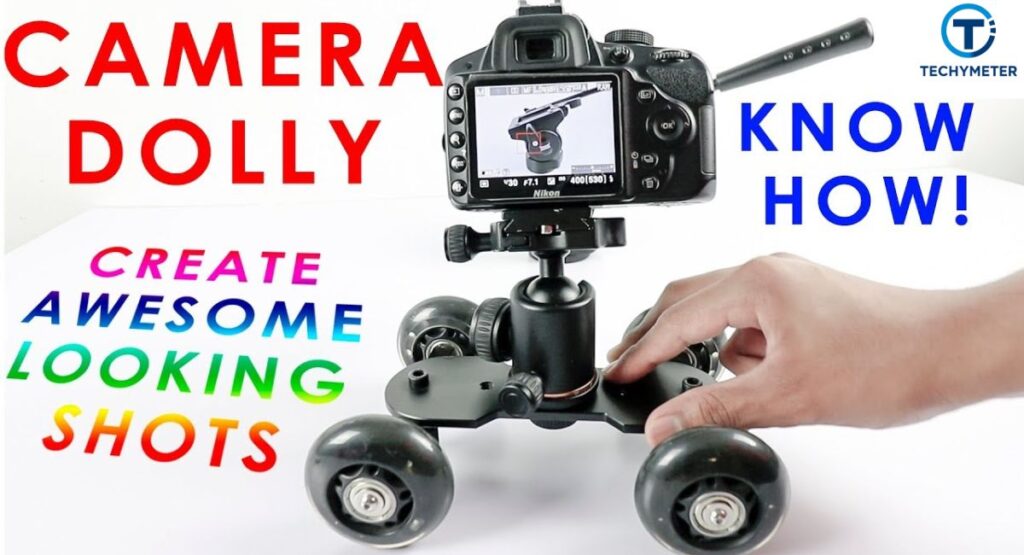
Using a camera dolly effectively starts with preparation. Storyboarding, location scouting, and pre-planning camera angles allow smooth push-in shots and pull-out shot sequences. Knowing when to switch between handheld shots, steadicam, or crane shots enhances scene impact.
A dolly grip must coordinate with the camera operator and camera assistant to execute tracking camera movements flawlessly. Even small tools like a tabletop dolly or slider dolly need careful alignment on a straight track or a rubber track for professional video production.
Storyboarding Dolly Shots
Storyboarding dolly shots transforms ideas into actionable steps. Adding every move to the shot list ensures the camera rig and dolly track are ready for precise parallel tracking or circular track setups.
Include camera lens choices, camera angles, and lighting in the storyboard. For professional filmmaking, planning continuous take sequences prevents mistakes on set. Even independent filmmaking crews can use this method to mimic big studio precision.
Adding Dolly Shots to the Shot List
Integrating dolly shots into your shot list ensures smooth execution. By planning push-in shots, pull-out shots, and parallel tracking, the camera operator and dolly grip know exactly when and where to move. Storyboarding complements this by showing intended camera angles and lens choices.
Even independent filmmaking projects benefit from this approach. Whether using a slider dolly, portable dolly, or studio dolly, documenting every move minimizes errors, keeps the continuous take consistent, and enhances visual storytelling across the scene.
Setting Up Circular Dolly Track
A circular track allows dynamic shots around subjects. Proper setup requires alignment of steel track, rubber track, or aluminum track segments, ensuring smooth rotation for crab steering or compound moves. The dolly grip can then navigate push-in or pull-out movements while maintaining camera platform stability.
| Track Type | Best Use | Notes |
| Steel Track | Heavy studio dolly | Durable, stable for motorized dolly or hydraulic dolly |
| Aluminum Track | Lightweight portable dolly | Easier to transport, good for independent filmmaking |
| Rubber Track | Temporary or flexible setups | Quick assembly, works with a tabletop dolly or a small slider dolly |
| Curved Track | Circular track or arcs | Allows compound moves and creative cinematic shots |
How to Choose the Best Camera Dolly
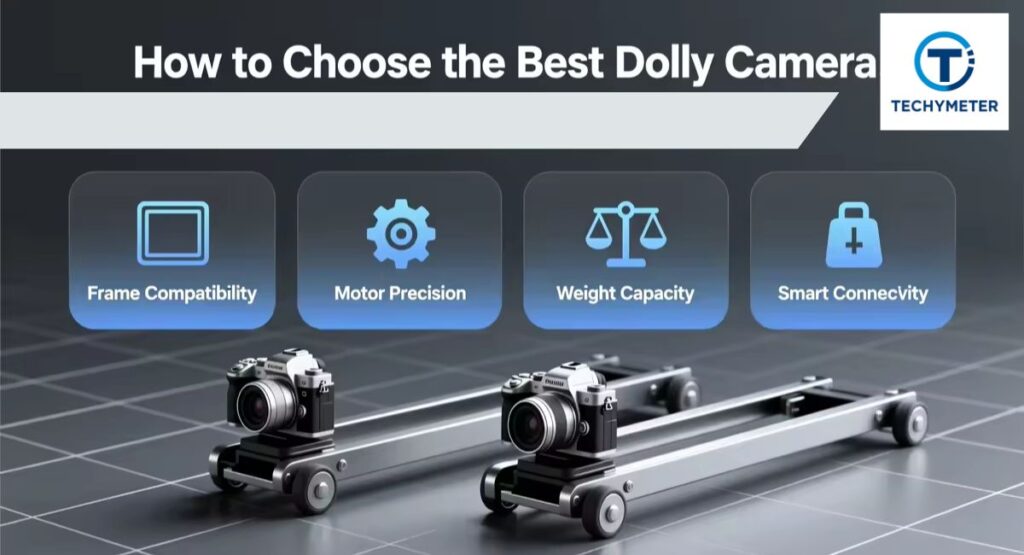
Selecting the best camera dolly depends on your production type. Studio dollies are ideal for large-scale professional filmmaking, while portable dollies and slider dollies fit independent filmmaking and small crews. Consider weight, mobility, and whether a motorized dolly or a hydraulic dolly is needed.
Factors like camera platform capacity, track type compatibility, and continuous take capability are crucial. A dolly that supports dolly zoom, parallel tracking, and versatile camera movement will maximize your video production potential while maintaining smooth movement throughout every shot.
Essential Features in a Professional Camera Dolly
A professional camera dolly must provide precision and stability. Features like hydraulic dolly lifts, motorized dolly controls, an adjustable camera platform, and easy attachment for jib arm dolly or tabletop dolly ensure versatility. Crab steering and rear wheel steering options allow complex compound moves and circular track shots.
Additional features include focus puller accessibility, smooth tracking camera movement on steel track or rubber track, and compatibility with Newton stabilized head or Blackcam dolly systems. These ensure every cinematic shot is repeatable, consistent, and visually compelling.
Camera Dolly vs Camera Slider: Key Differences
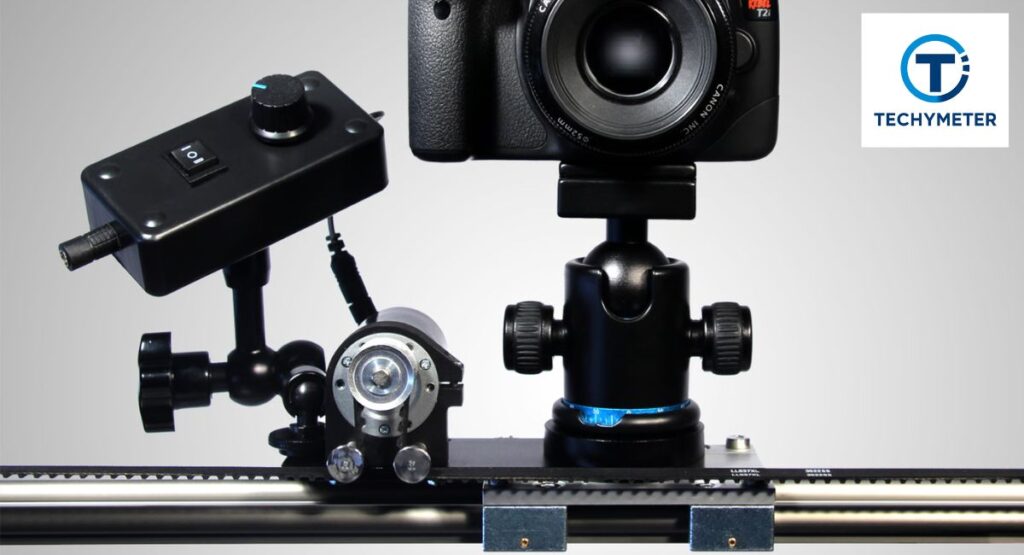
While both a camera dolly and a slider dolly allow smooth movement, their applications differ. A camera dolly provides versatile movement over dolly track, circular track, or even dancefloor moves, supporting studio dolly, portable dolly, and heavy motorized dolly setups.
In contrast, a slider dolly is compact, ideal for tabletop dolly shots or tight spaces. It is easier to transport for independent filmmaking, but it lacks the extended range and continuous take flexibility of a full film dolly. Both tools, however, enhance visual storytelling when used correctly.
| Feature | Camera Dolly | Camera Slider |
| Movement Range | Long, circular track, parallel tracking | Short, linear |
| Weight Capacity | Heavy (studio dolly) | Light (slider dolly) |
| Setup Time | Moderate to long | Quick |
| Best Use | Professional video production, film narrative | Tight spaces, independent filmmaking |
| Accessories | Jib arm dolly, hydraulic dolly | Limited |
Budgeting for Camera Dolly Setup
Investing in a camera dolly requires balancing cost with functionality. Studio dolly setups with hydraulic dolly or motorized dolly systems can reach thousands of dollars, including dolly track, circular track, and professional camera platform attachments.
For independent filmmaking, smaller portable dolly or slider dolly setups reduce expenses. Budget for focus puller support, camera assistant fees, and necessary plywood overlay or masonite surface for dancefloor moves. Proper budgeting ensures every tracking shot is smooth without compromising video production quality.
DIY Camera Dolly Ideas for Beginners
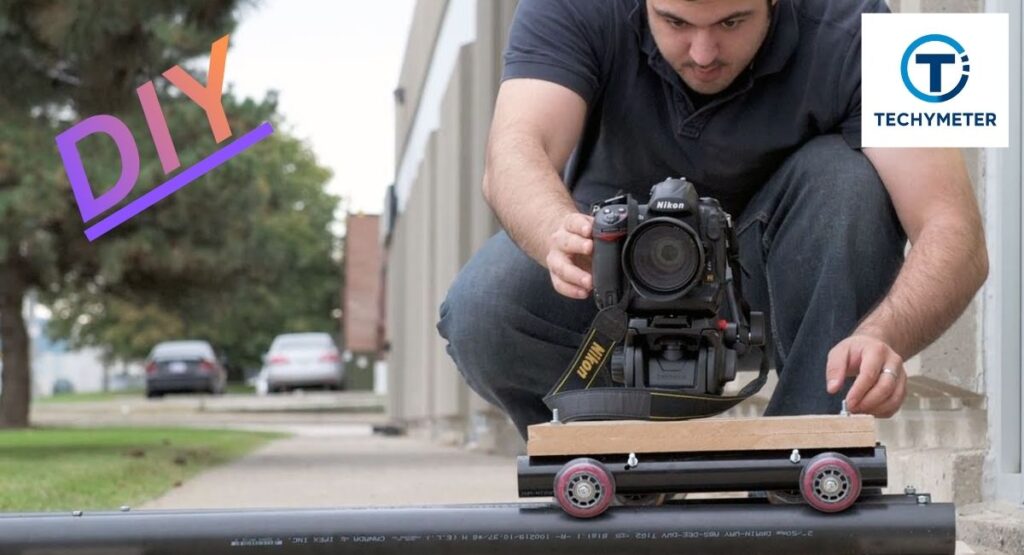
Beginners can build a functional camera dolly using simple materials like PVC pipes, wheels, and a sturdy camera platform. Tabletop dolly or mini slider dolly setups allow experimentation with push-in shots, pull-out shots, and parallel tracking without heavy investment.
Even DIY setups can replicate continuous take movements if carefully aligned on a rubber track or smooth masonite surface. This approach is ideal for independent filmmaking, film students, or low-budget projects wanting to explore professional camera movement techniques.
Simple Low-Cost Dolly Builds
A low-cost camera dolly can include a small platform with four wheels, a slider dolly for linear moves, or a makeshift circular track with plywood overlay. Adding adjustable mounts allows the camera operator and dolly grip to test compound moves or dolly zoom effects safely.
Even inexpensive builds benefit from storyboarding and adding the DIY dolly to your shot list. For smooth results, ensure proper leveling and use aluminum track, rubber track, or straight track alternatives to replicate professional film dolly movements.
Best Camera Dolly Brands in 2025
In 2025, the US market offers several camera dolly brands recognized for quality and innovation. Blackcam dolly and Newton stabilized head systems are top-tier choices for professional filmmaking, offering precise push-in shots, pull-out shots, and compound moves.
Other notable brands include Movo, Konova, and Edelkrone, which specialize in portable dolly and slider dolly solutions. These brands provide both studio dolly setups for large productions and tabletop dolly options for independent filmmaking, making video production accessible to all budgets.
Top Models for Beginners and Professionals
For beginners, the Edelkrone SliderPLUS or Movo Dolly Mini is perfect for slider dolly or tabletop dolly experiments. They are lightweight, portable, and compatible with camera rig setups for tracking shots and smooth movement.
Professionals often prefer Blackcam dolly, Konova HD-100, or Newton stabilized head-equipped studio dolly systems. These models support motorized dolly and hydraulic dolly features, enabling parallel tracking, circular tracking, and dolly zoom shots required for high-end film narrative projects.
Common Camera Dolly Mistakes
A frequent mistake is poor track setup. Misaligned steel track, aluminum track, or uneven rubber track can ruin continuous take shots. Another common error is neglecting storyboarding, leading to missed camera angles or awkward camera movement.
Inexperienced operators may misuse rear wheel steering, crab steering, or fail to coordinate the dolly grip, camera operator, and camera assistant, resulting in shaky or inconsistent dolly shots. Proper planning ensures smooth tracking of camera sequences in any video production.
Professional Camera Dolly Tips
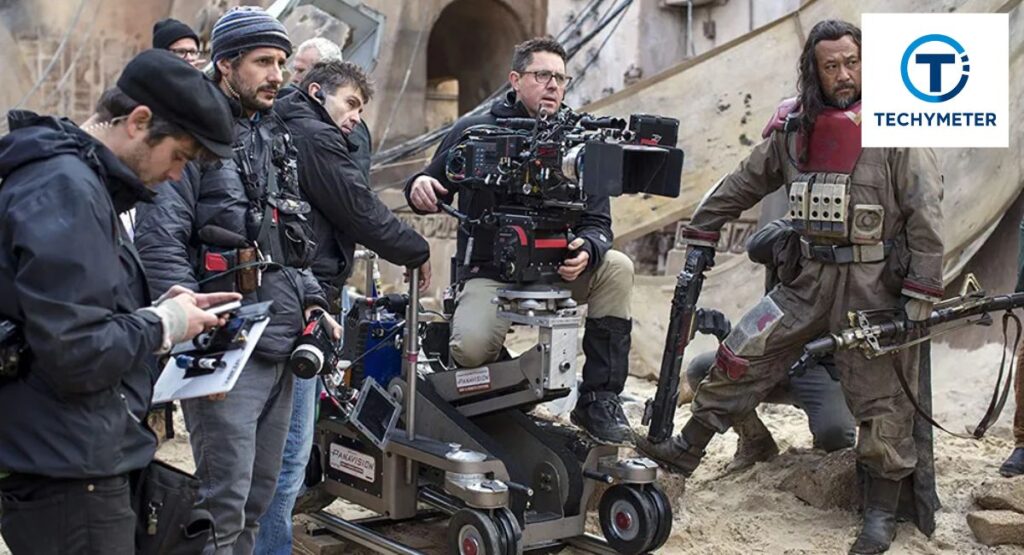
Professional tips include pre-visualizing every dolly shot through storyboarding and adding it to your shot list. Location scouting is essential to ensure plywood overlay or masonite surface supports dancefloor moves and smooth push-in shots or pull-out shots.
Always check camera lens choices, camera rig setup, and track type. Utilize steadycam or crane shot integration when necessary. Even with a portable dolly, practicing compound moves and maintaining smooth movement improves cinematic quality, turning every scene into a professional film dolly experience.
Must-Have Camera Dolly Accessories
Using the right camera dolly accessories elevates every dolly shot. Essential items include dolly track, Newton stabilized head, jib arm dolly, and focus puller tools for precise camera movement. Circular track adapters, plywood overlay, and masonite surface ensure smooth dancefloor moves and consistent push-in shots or pull-out shots.
| Accessory | Purpose | Compatible With |
| Dolly Track | Guides tracking camera | Studio dolly, portable dolly |
| Newton Stabilized Head | Smooth compound moves | Motorized dolly, Blackcam dolly |
| Jib Arm Dolly | Vertical or crane-like shots | Studio dolly, portable dolly |
| Plywood Overlay / Masonite | Smooth dancefloor move surface | Slider dolly, tabletop dolly |
| Focus Puller Tools | Precise focus during continuous take | All dolly types |
Camera Dolly Care and Maintenance
Proper camera dolly maintenance ensures long-term smooth movement and reliable film equipment performance. Clean steel track, aluminum track, or rubber track regularly to remove dust and debris. Lubricate wheels, check rear wheel steering or crab steering, and inspect camera platform mounts for stability.
Even independent filmmaking setups benefit from care. Store portable dolly and slider dolly in protective cases, secure the Newton stabilized head, and maintain hydraulic dolly systems. Regular maintenance preserves professional-quality cinematic shots and reduces downtime during production.
The Future of Camera Dollies
The future of camera dollies merges technology with creativity. Motorized dolly, remote dolly, and AI-assisted systems promise more precise compound moves, dolly zoom, and parallel tracking shots. Integration with VR camera rigs and advanced video production software will allow filmmakers to pre-visualize film narrative moves before shooting.
Even independent filmmaking will benefit from accessible automation, while studio dolly innovations will continue enabling complex circular track and continuous take sequences. As technology evolves, camera dollies remain central to cinematic visual storytelling.
Conclusion
Mastering camera dolly techniques is essential for filmmakers seeking smooth movement, dynamic tracking shots, and unforgettable cinematic shots. From studio dolly to slider dolly, understanding dolly in, dolly out, and dolly zoom allows you to elevate storytelling, enhance film narrative, and create professional-quality video production.
With careful storyboarding, location scouting, and the right accessories, any filmmaker—whether in independent filmmaking or professional filmmaking—can turn ordinary scenes into visually stunning sequences. By embracing the secrets of the camera dolly, you give your audience a captivating and immersive experience that truly brings your story to life.
FAQs
1. What is a dolly in camera?
A dolly in is when the camera physically moves closer to the subject on a camera dolly, creating a more intimate or dramatic effect. It enhances focus and draws the viewer into the scene.
2. What is the difference between a dolly and a tracking shot?
A dolly shot refers to the camera mounted on a dolly moving forward, backward, or around the subject, while a tracking shot follows a subject along a path, often parallel to the action. Both create smooth movement but differ in direction and intent.
3. Why is it called a camera dolly?
It’s called a camera dolly because the camera is mounted on a wheeled dolly, similar to a cart, which allows controlled movement across the set or track.
4. What is a dolly used for?
A camera dolly is used to create smooth, cinematic shots, such as dolly in, dolly out, or tracking shots, enhancing film narrative and visual storytelling.
5. What is another name for a dolly?
A dolly can also be called a camera cart or film dolly, especially in professional video production and cinematic shots.
6. What are the different types of dollies?
Common types include studio dolly, portable dolly, slider dolly, tabletop dolly, and jib arm dolly, each offering unique camera movement capabilities.
7. What is the synonym of doll?
In filmmaking, a dolly’s synonym is a camera cart, trolley, or moving platform used for smooth movement of the camera.
8. Do you need a special floor for a dolly?
For dancefloor moves, a plywood overlay or Masonite surface can be used. Tracks like steel track, aluminum track, or rubber track are required for heavier studio dolly setups.
9. How much weight can a regular dolly hold?
A standard studio dolly can hold between 100 and 500 pounds, including the camera rig, operator, and focus puller, depending on the model.
10. What are the common problems with a tow dolly?
Two dollies may face wheel alignment issues, track instability, or uneven surfaces, which can affect smooth movement and consistent dolly shots.
11. How to use a 2-wheel dolly?
A 2-wheel dolly is pushed manually while maintaining balance, making it ideal for lightweight camera rigs. Ensure proper steering and a stable surface for precise tracking shots.
Read More
Powerful Underwater Fishing Cameras That Reveal Hidden Fish
Discover Powerful 16mm Cameras for Stunning Films
Powerful Rear View Camera Secrets That Instantly Boost Safety
Ways to Export Footage From the RED Camera Perfectly
 Ahmedd12