 By Ahmed11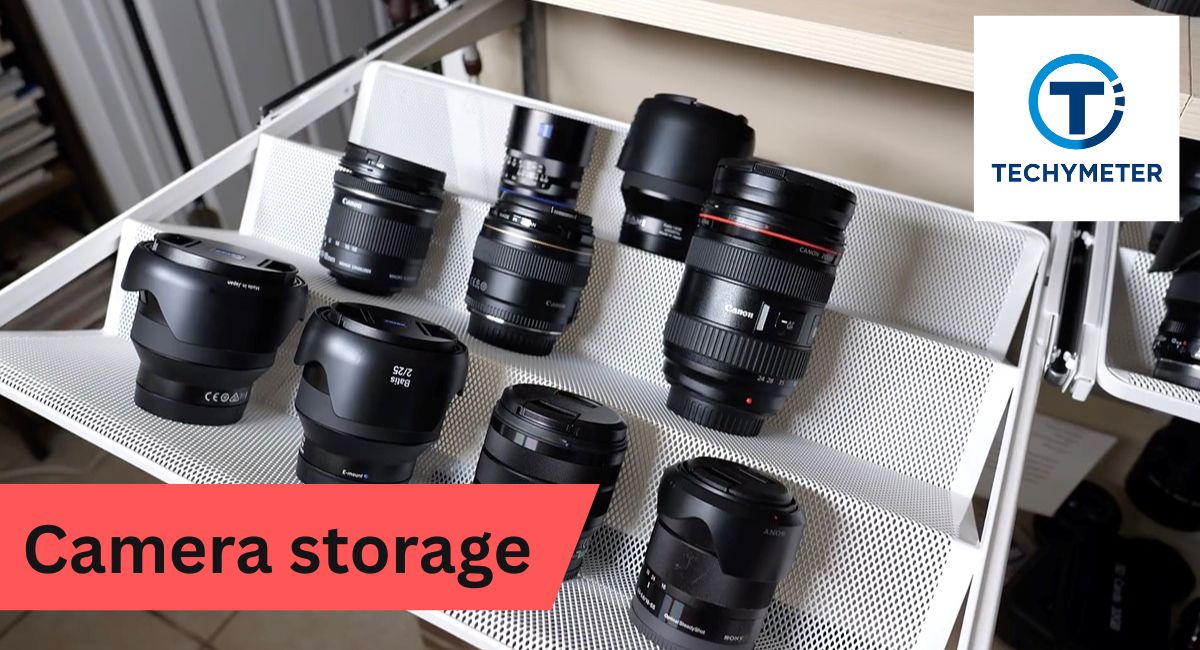
Keeping your camera safe is not about luck. It is about smart habits. This Camera Storage Guide is written for photographers in the USA who want their gear to last for years. Whether you shoot casually or professionally, proper camera storage protects image quality, saves repair costs, and preserves resale value.
Think of your camera like a classic car. If stored poorly, it slowly breaks down even when unused. Modern cameras are sensitive machines. Heat, dust, humidity, and poor handling silently damage internal parts.
This guide explains how to store camera gear the right way using simple language, real examples, and proven methods that work in American homes and climates.
Proper camera storage keeps your camera and lenses safe from moisture, dust, and temperature damage, ensuring long life, reliable performance, and lower repair costs.
In this article, we discuss “Camera Storage.”
Storing Your Camera the Right Way

Properly storing a camera is one of the most important habits a photographer can develop. Good camera storage protects delicate internal electronics, optical elements, and mechanical parts from damage caused by dust, moisture, and temperature changes.
Even when a camera is not in use, environmental factors continue to affect it. Keeping your camera clean, dry, and in a stable location helps maintain image quality and ensures it works reliably whenever you pick it up.
The way you store your camera should match how often you use it and the environment you live in. Short-term camera storage may only require a padded bag in a cool room, while long-term storage needs extra care, such as removing batteries and controlling humidity.
Simple steps like avoiding direct sunlight, preventing sudden temperature changes, and using protective cases can significantly extend the life of your camera and lenses.
Why Proper Camera Storage Is Essential for Gear Longevity
Camera gear ages even when you do not use it. Moisture slowly causes corrosion. Dust settles on sensors. Rubber grips dry and crack. This is why proper camera storage is not optional. It is basic care. Many photographers in the USA lose gear value simply because it sat in a drawer without protection.
Good storage keeps mechanical parts moving smoothly and electronics stable. When your camera stays clean and dry, it performs the same every time you pick it up. That consistency is what separates reliable gear from frustrating equipment failures.
How Proper Storage Protects Your Camera Investment
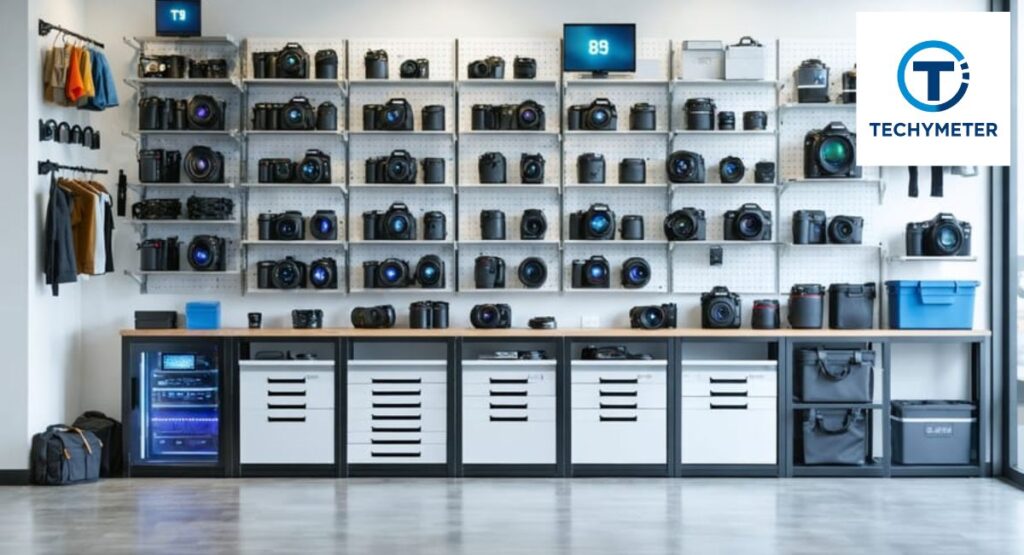
Cameras are expensive investments. A mid-range DSLR or mirrorless setup can cost thousands of dollars. Camera storage at home acts like insurance. It prevents fungus, battery leaks, and internal damage that repairs rarely fix fully.
Resale value also depends on condition. Buyers inspect lens mounts, sensor cleanliness, and exterior wear. Proper camera gear storage keeps your equipment looking newer for longer. That means more money back if you upgrade later.
Basic Camera Cleaning Before Storage
Cleaning before storage removes invisible threats. Finger oils attract dust. Salt from sweat causes corrosion. A camera stored dirty slowly degrades. This is why camera cleaning before storage matters just as much as storage itself.
Use a microfiber cloth, air blower, and lens-safe solution. Clean the body, lens glass, and mount area gently. Never store gear immediately after outdoor shooting. Let it dry fully. Clean gear stores safely. Dirty gear decays silently.
How to Prepare Your Camera and Lenses Before Storing
Preparation is about reducing stress on parts. Turn off the camera. Detach accessories. Cap both lens ends. Set zoom lenses to neutral positions. This keeps internal components relaxed during long-term camera storage.
Professional studios in the USA follow this habit religiously. They treat storage like parking a vehicle properly. A few minutes of preparation can add years to your camera’s working life.
Preventing Dust Inside the Camera and Lens
Dust enters through lens changes, loose caps, and open shelves. Once inside, it sticks to sensors and internal glass. Preventing dust is easier than removing it later. Dust-free camera storage starts with sealed environments.
Store cameras with body caps and lens caps always on. Avoid open shelves near windows or fans. Dust prevention protects image quality and reduces cleaning costs.
Battery, Memory Cards, and Accessories: What to Remove and Store Separately
Batteries age faster inside cameras. Memory cards can corrupt data if left unused for long periods. For safe camera gear storage, remove these items and store them separately in labeled cases.
Accessories like flashes and microphones also benefit from separate storage. This prevents pressure damage and electrical issues. Organized storage also saves time when shooting resumes.
Should You Remove the Battery Before Storage
Yes. Batteries can leak chemicals. This damages internal circuits permanently. Removing the battery is one of the most important camera storage tips professionals follow. Batteries should be kept in dry, cold environments at around 50% charge. This extends battery lifespan and protects your camera body from internal corrosion.
Is It Safe to Store a Camera With the Lens On
Short-term storage is usually safe with the lens attached. Long-term storage is different. Keeping lenses attached adds stress to the mount and traps moisture inside. For safe long-term camera storage, detach the lens. Separating the body and lens allows better airflow and moisture control. This small habit significantly reduces fungus risk.
Storing Cameras and Lenses Together or Separately: What Works Best
Storing together works for daily use. Separate storage works best for long periods. Camera and lens storage depend on how often you shoot. For hobbyists, separate padded compartments offer flexibility. For professionals, modular storage systems reduce wear. Choose based on frequency, not convenience.
How to Store Camera Lenses Properly
Lenses prefer vertical storage with caps on. This reduces pressure on internal elements. Proper lens storage also includes spacing to prevent impact damage. Below is a simple reference table for lens storage orientation.
| Lens Type | Best Storage Position | Reason |
| Prime Lens | Vertical | Reduces element stress |
| Zoom Lens | Neutral Zoom Position | Prevents barrel creep |
| Heavy Lens | Horizontal with Support | Avoids mount strain |
Best Place to Store Your Camera at Home
The best place is dry, cool, and stable. Closets inside living areas work well. Avoid basements and garages. Camera storage at home should stay away from temperature swings. Bedrooms often offer the most stable conditions in American homes. Stable environments protect electronics and optics long-term.
How to Store a Camera When Not in Use
Short breaks need simple protection. Long breaks need humidity control. Knowing the difference prevents damage. How to store a camera when not in use depends on the time. For weeks, padded bags work. For months, controlled containers have been safer. Always match storage to duration.
Best Ways to Store Camera Gear at Home Without Damage
Protection comes from padding, dryness, and stability. Soft surfaces absorb shocks. Dry air prevents fungus. Flat placement prevents falls. These principles define safe camera gear storage. Avoid stacking heavy items on bags. Pressure damages lenses silently. Storage should protect, not compress.
Choosing the Right Storage Container for Camera Equipment
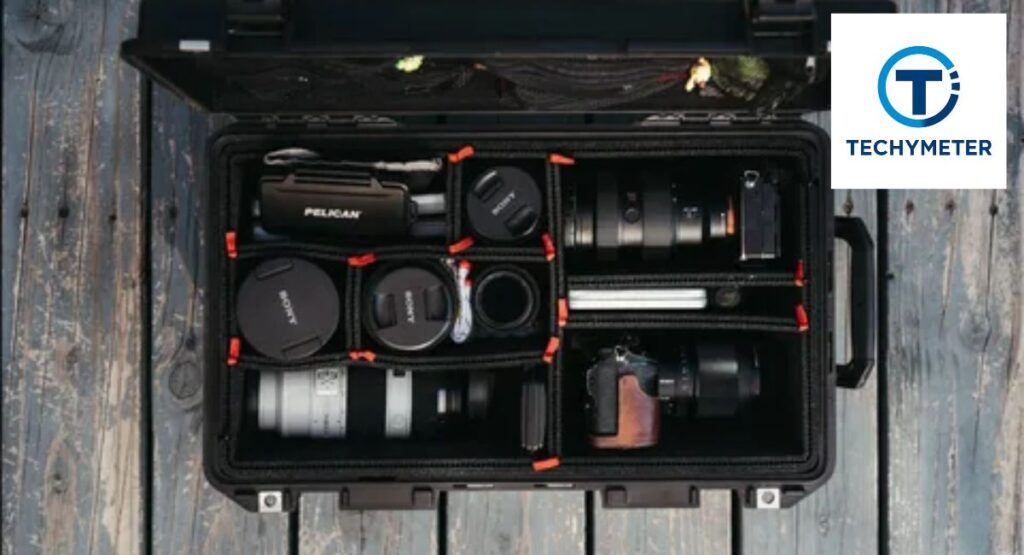
Containers matter more than brands. Look for seals, padding, and space. Camera storage containers should protect from dust and minor impacts. Hard cases suit travel. Soft cases suit home use. Choose based on environment, not marketing.
Camera Storage Bags vs Hard Cases
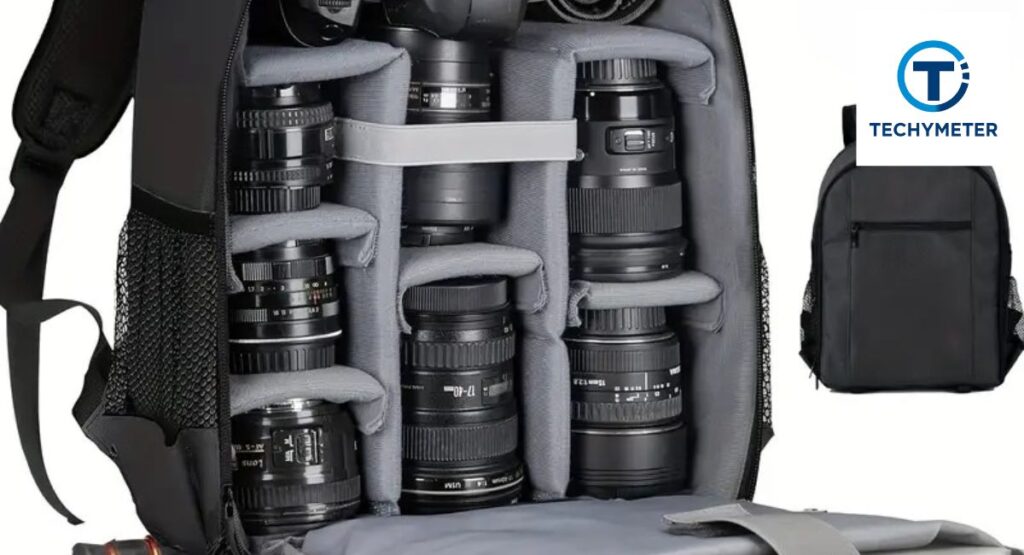
Bags offer flexibility and quick access. Hard cases offer maximum protection. For home use, bags are practical. For travel, hard cases are safer. This balance defines smart camera storage solutions. Professionals often use both. Home bag. Travel case. Simple logic saves gear.
| Feature | Camera Storage Bags | Hard Camera Cases |
| Protection Level | Moderate protection from dust and minor bumps | Maximum protection against impact, crushing, and water |
| Flexibility | Soft structure adapts to different gear sizes | Rigid structure with fixed interior layout |
| Accessibility | Quick and easy access to equipment | Slower access due to latches or locks |
| Portability | Lightweight and comfortable to carry | Heavier and bulkier for transport |
| Best Use | Home storage and daily shooting | Travel, shipping, and harsh environments |
| Weather Resistance | Limited weather protection | Often waterproof and dustproof |
| Professional Preference | Ideal for short trips and studio use | Preferred for flights and rugged travel |
| Cost Range | Generally more affordable | Usually higher priced |
| Storage Logic | Convenient organization at home | Secure protection on the move |
Should You Store Camera Gear in a Bag or an Open Shelf
Open shelves invite dust and accidents. Bags reduce risk. Camera storage bags provide padding and dust protection. If using shelves, add closed containers. Open exposure shortens gear lifespan.
Camera Storage Without a Dry Box
A dry box is useful, but it is not mandatory for safe camera storage. Many photographers successfully practice camera storage without a dry box by controlling humidity through simple methods. The key is consistency, not expensive equipment. When moisture stays within a safe range, your camera gear remains protected from internal damage.
Sealed plastic containers paired with silica gel packs create an effective environment for camera gear storage at home. This setup is affordable, easy to maintain, and ideal for many American households where climate control already exists indoors. With regular monitoring, this method protects against fungus and corrosion.
Using Silica Gel for Camera Storage
Silica gel for camera storage is one of the simplest ways to manage moisture. It works by absorbing excess humidity from the air inside storage containers. This makes it highly effective for protecting camera lenses, sensors, and internal electronics from fungus growth.
Color-indicating silica gel makes maintenance easier. When the beads change color, it signals that they need recharging or replacement. Keeping silica gel dry ensures humidity control for camera storage, which directly increases the lifespan of your gear and prevents costly repairs.
Managing Humidity and Temperature to Prevent Fungus and Corrosion
Proper humidity control for camera storage keeps internal parts safe. The ideal humidity level sits between forty and fifty percent. At this range, fungus cannot grow, and metal components resist corrosion. Temperature stability matters just as much as humidity.
Sudden temperature changes cause condensation inside lenses and camera bodies. This trapped moisture leads to long-term damage. Stable indoor environments protect camera gear better than extreme adjustments. Consistency always beats perfection when storing photography equipment.
Storing Camera Gear in Humid Regions: Practical Solutions
High-humidity areas pose serious risks to camera storage. Coastal regions and southern states experience higher moisture levels year-round. This makes camera storage in humid regions more challenging but still manageable with the right habits.
Photographers in places like Florida often inspect their gear monthly. Sealed containers, fresh silica gel, and regular checks prevent fungus from spreading. Early detection protects lenses and ensures your camera gear storage remains safe even in difficult climates.
Camera Storage in Dry Climates: What You Should Do Differently
Dry climates create different challenges for camera storage. Extremely low humidity dries out rubber seals, grips, and internal lubricants. This can shorten the lifespan of your camera if ignored.
Balanced humidity is the solution. Adding a small amount of controlled moisture prevents material fatigue. Camera storage in dry climates works best when dryness is managed, not eliminated. A healthy balance keeps gear flexible and fully functional.
Camera Storage in Hot Weather
Heat is harmful to electronics. Camera storage in hot weather must avoid spaces like cars, garages, and attics. Prolonged exposure to heat weakens batteries, stresses sensors, and degrades internal circuits.
Climate-controlled indoor rooms offer the safest conditions. Keeping temperatures stable protects camera gear from long-term electronic damage. Heat protection is just as important as moisture control.
Camera Storage in Cold Weather
Cold environments introduce condensation risks. When cold camera gear warms too quickly, moisture forms inside. Camera storage in cold weather requires slow temperature changes to prevent internal damage.
Keeping cameras inside sealed bags while warming allows moisture to settle on the bag instead of the gear. This simple habit protects lenses and internal components from water exposure and corrosion.
Preventing Lens Fungus During Long-Term Camera Storage
Lens fungus thrives in dark, moist environments. Preventing lens fungus depends on airflow, dryness, and occasional light exposure. Fungus spreads silently and damages lens coatings permanently.
Regular inspections and controlled humidity stop fungus before it starts. Once fungus appears, removal is difficult and expensive. Prevention remains the most reliable method of protecting camera lenses during long-term storage.
Storing Camera Gear for Long Time Use
Long-term storage requires preparation. Clean every surface. Remove batteries. Set up proper humidity control. Long-term camera storage is not about storing and forgetting. It is about maintaining conditions over time.
Collectors who store film and digital cameras for decades follow these habits. Consistency ensures gear remains functional and valuable even after years of inactivity.
Long-Term Camera Storage Tips for Months or Years of Inactivity
Extended storage needs routine attention. Camera storage for long periods benefits from quarterly inspections. Rotating lenses and refreshing silica gel keep internal parts healthy. Neglect allows small problems to grow unnoticed. When you finally use the gear again, damage may already be permanent. Regular care avoids these surprises.
How Often You Should Check Stored Camera Equipment
Monthly checks help catch early warning signs. Checking stored camera gear reveals moisture buildup, dust intrusion, or fungus before serious damage occurs. These inspections take only minutes but save hundreds of dollars in repairs. Preventive attention is the smartest form of camera storage care.
Camera Storage Solutions for Small Homes and Apartments
Limited space does not mean unsafe storage. Camera storage for small homes focuses on efficiency and smart placement. Vertical storage and drawers maximize protection without clutter. Compact solutions keep gear accessible while preventing accidental damage. Smart organization matters more than room size.
How to Store Camera Gear in Small Spaces
Small spaces demand thoughtful layout. Storing camera gear in small spaces works best with under-bed containers, closet shelves, and padded drawers. Padding and organization protect gear regardless of space limitations. Even minimal setups can provide professional-level protection.
Camera Storage Ideas Using Everyday Furniture and Shelving
Everyday furniture offers creative storage options. Camera storage ideas include using bookshelves with closed containers or cabinets with padding. Repurposing furniture saves money and space while still protecting valuable gear. You do not need specialized furniture for effective storage.
How to Store Camera Gear Without a Dedicated Storage Cabinet
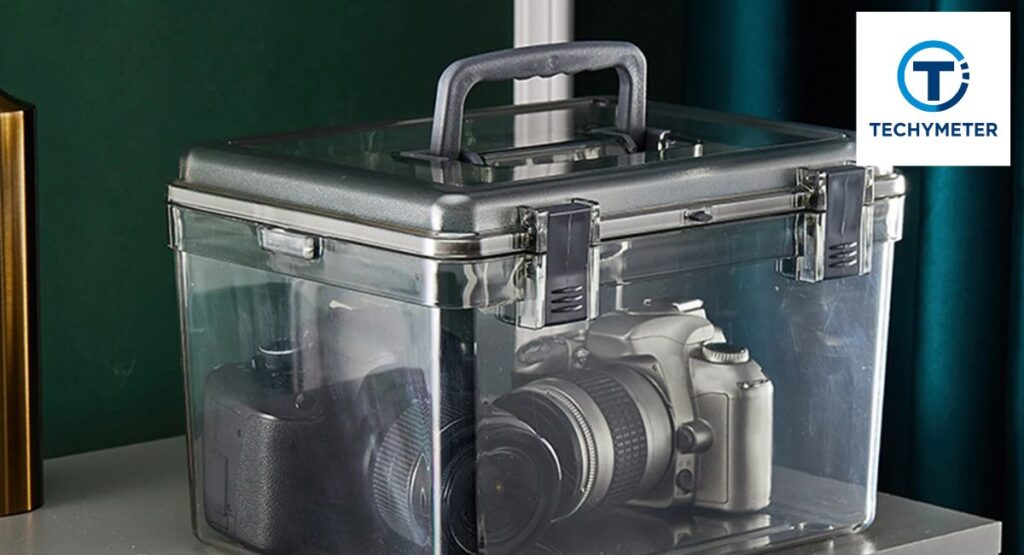
Not everyone owns a camera cabinet. Camera storage without cabinets is still effective using sealed plastic containers and soft padding. These budget-friendly solutions protect against dust, impact, and humidity. Professional storage does not always require professional equipment.
Organizing Camera Gear for Quick Access and Safety
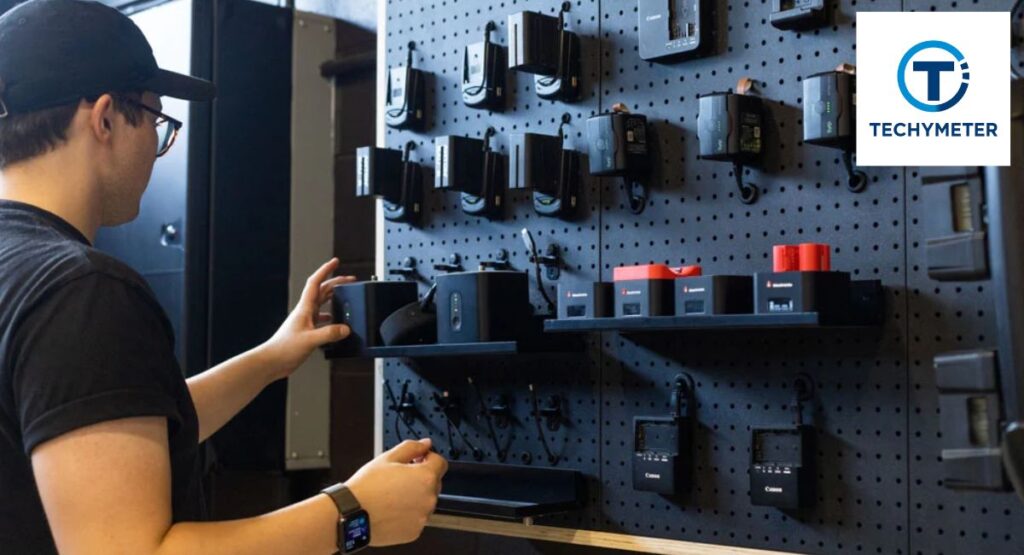
Organization improves safety. Organized camera storage reduces drops, prevents rushed handling, and saves time during shoots. Knowing exactly where each item belongs eliminates stress and accidents. Order protects gear as much as padding does.
Protecting Camera Gear From Dust, Impact, and Accidental Falls
Most camera damage happens accidentally. Protecting camera gear means elevating storage, adding padding, and using covers. Dust protection and fall prevention work together. Small precautions prevent major losses and extend gear lifespan.
Common Camera Storage Mistakes That Reduce Gear Lifespan
Leaving batteries inside, storing gear in cars, and ignoring humidity are common camera storage mistakes. These habits slowly destroy equipment. Awareness fixes most issues. Once you understand the risks, avoiding them becomes easy.
Mistakes to Avoid When Storing Cameras
Over-tight packing and damp environments cause hidden damage. Avoiding storage mistakes preserves camera performance and appearance. Space, airflow, and dryness remain the core principles of safe storage.
Best Storage Practices for Vintage and Film Cameras
Older cameras require extra care. Vintage camera storage must protect mechanical parts and aging lubricants. Moderate humidity and occasional movement keep components from seizing. Collectors treat these cameras like antiques for good reason.
Safe Storage and Carrying Solutions for Travel, Hiking, and Daily Use
Travel introduces vibration and impact risks. Camera storage for travel needs shock resistance and secure padding. Daily use balances accessibility with protection. Proper carrying solutions prevent wear during frequent movement.
Camera Storage for Travel and Daily Carry
Weather-resistant bags protect gear from rain and dust. Daily camera storage should allow fast access without sacrificing safety. Comfort matters during long shooting sessions. A good bag protects both gear and the photographer.
Safe Camera Storage During Travel and Seasonal Use
Flights demand hard cases. Seasonal breaks require humidity control. Seasonal camera storage prevents damage during inactivity. Planning storage around shooting schedules keeps gear ready year-round.
Camera Storage Tips for Outdoor and Adventure Photographers
Outdoor photography exposes gear to extreme conditions. Adventure camera storage requires waterproofing and shock absorption. Drying gear immediately after exposure prevents long-term damage and fungus growth.
Professional Camera Storage Methods Used by Studios
Studios rely on systems, not habits. Professional camera storage uses labeled compartments, controlled environments, and regular maintenance. Consistency protects high-value equipment better than improvisation.
Simple Camera Storage Ideas for Beginners
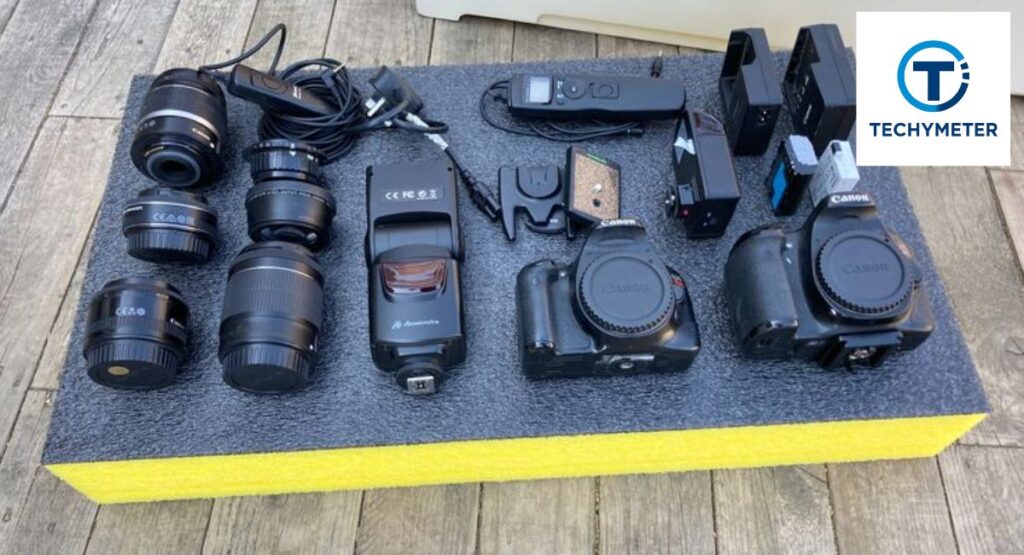
Beginners benefit from simplicity. Simple camera storage focuses on cleanliness, dryness, and basic organization. Building good habits early prevents costly mistakes later.
Minimalist Camera Storage Setups for Casual Photographers
Minimal gear simplifies care. Minimalist camera storage reduces clutter while maintaining protection. Fewer items mean easier maintenance and longer gear life.
Conclusion
Proper camera storage is not just about putting your gear away when you are done shooting; it is about protecting your investment and preserving performance for years to come. Cameras and lenses are sensitive to dust, humidity, heat, and sudden temperature changes, even when they are not in use.
By following correct storage practices such as cleaning gear before storing, removing batteries, controlling humidity, and choosing the right storage location, you greatly reduce the risk of fungus, corrosion, and electronic failure.
Whether you live in a humid coastal area, a dry climate, or a small apartment, smart camera storage habits ensure your equipment stays safe, reliable, and ready whenever creativity strikes.
FAQs
1. How should I store my camera when not in use for a few weeks?
Store it in a padded bag in a cool, dry room and remove the battery to prevent leakage.
2. Is it safe to store a camera with the lens attached?
It is fine for short-term storage, but long-term storage is safer with the lens removed.
3. What humidity level is best for camera storage?
A humidity range of forty to fifty percent helps prevent fungus and corrosion.
4. Do I need a dry box to store my camera safely?
No, sealed containers with silica gel can work well if humidity is controlled properly.
5. How often should I check stored camera gear?
Inspect your gear at least once a month to catch moisture or dust issues early.
6. Can heat damage a camera even when it is not in use?
Yes, prolonged heat can harm batteries, sensors, and internal electronics over time.
7. What is the best place to store a camera at home?
An indoor, climate-controlled room away from sunlight and moisture is ideal.
8. How can I prevent lens fungus during long-term storage?
Keep lenses dry, use silica gel, and check them regularly for early signs of fungus.
9. Should memory cards be stored inside the camera?
It is better to remove memory cards and store them separately in protective cases.
10. Can improper storage reduce my camera’s resale value?
Yes, poor storage can cause visible wear and internal damage that lowers resale value.
Read More
Cameras for the Disabled: The Complete Accessibility Guide for Empowered Photography
- The Best Bird Feeder Cameras of 2026: Smart Picks for Every Backyard
- 11 Vent Camera Truths That Will Surprise You in 2026
- 7 Powerful Camera 6 Secrets You Must Know (Complete 2026 Guide)
- 7 Shocking Fixes for Camera Battery Low Issues
- 9 Shocking Truths: Are Construction Cameras Worth It?
 Ahmedd12