 By Ahmed11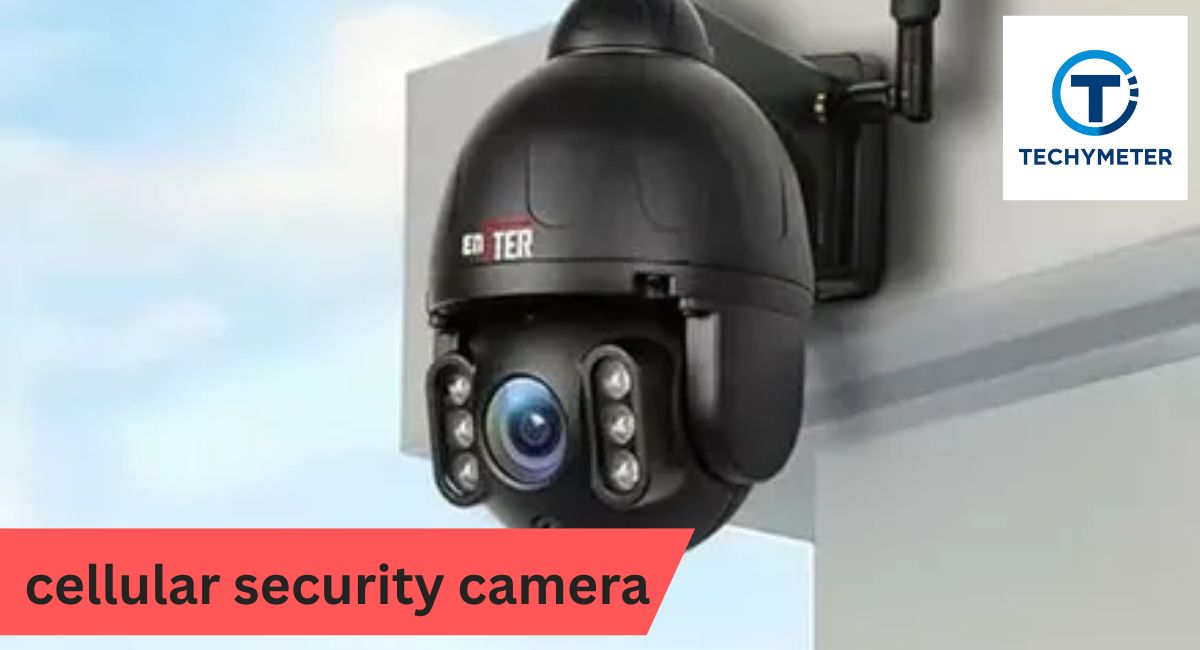
Security today moves fast. You want protection that works anywhere, even where Wi-Fi fails. That is why the cellular security camera has become a trusted solution across the USA. It protects homes, farms, job sites, and remote property using mobile network connectivity instead of traditional internet.
This guide explains everything clearly. You will learn how a cellular security camera no wifi works, what makes it reliable, and when it beats other systems. Think of it as a friendly expert walking you through modern surveillance without confusion or technical noise.
“Discover everything about cellular security cameras, from 4G LTE technology, indoor and outdoor options, solar and battery-powered setups, data plans, and reliability, to choosing the best system for homes, farms, and remote locations.”
In this article, we discuss “cellular security camera.”
Cellular Security Camera Technology
Modern cellular security camera technology relies on LTE and 4G data transmission rather than broadband. These cameras operate as SIM card-based security cameras, sending footage directly to your phone through secure carrier networks. This design allows constant protection even where wired internet does not exist.
Behind the scenes, advanced wireless surveillance technology manages motion-triggered recording, compresses video, and sends alerts instantly. The result feels simple to you. However, the engineering ensures strong security camera reliability even in harsh outdoor environments or remote locations.
What Makes a Cellular Security Camera Different from Traditional Cameras
Traditional cameras depend on cables or Wi-Fi routers. A cellular wireless security camera works independently. It communicates using cellular towers, making it ideal for installation without internet and in temporary locations. This difference matters when power or connectivity is unstable.
Another key difference lies in flexibility. A cellular home security camera acts like a standalone security system. It offers remote video monitoring, secure storage, and remote access via a mobile app without needing routers or repeaters. That freedom changes how surveillance fits real life.
How Cellular Security Cameras Work Without Wi-Fi
A cellular security camera has no Wi-Fi and connects to the internet using a SIM card, similar to a smartphone. Video travels through video streaming over cellular networks, reaching your phone securely. This process supports real-time alerts and notifications whenever motion is detected.
For example, an off-grid cellular security camera on a ranch records activity, uploads clips, and stores footage safely. You can review events anywhere. This makes cellular cameras without internet ideal for remote cellular security camera setups.
Understanding 4G and LTE Cellular Security Cameras
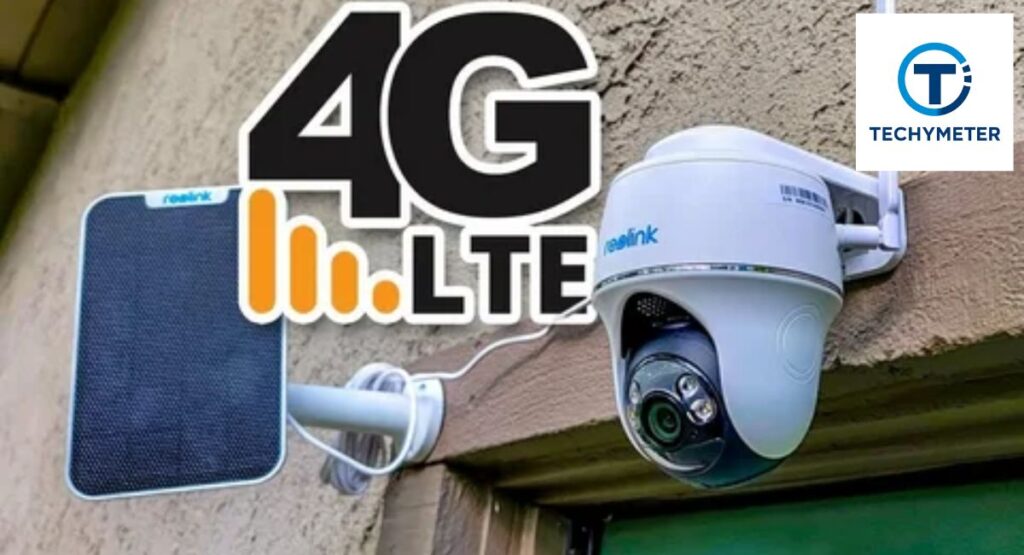
A 4g cellular security camera uses faster and more stable networks than older systems. A 4g LTE cellular security camera improves video clarity and reduces delay. These improvements directly impact night vision surveillance and live viewing performance.
Carrier support also matters. In the USA, carrier compatibility, signal strength, and coverage, and providers like Verizon cellular security camera plans influence performance. The table below shows why LTE matters.
| Network Type | Video Quality | Latency | Reliability |
| 3G | Low | High | Limited |
| 4G | Medium | Moderate | Stable |
| LTE | High | Low | Excellent |
Cellular Security Camera vs Wi-Fi Camera: Full Comparison
The debate of cellular camera vs wifi camera comes down to independence. A cellular security camera works anywhere with a cellular signal. A Wi-Fi camera fails the moment your internet drops. This makes cellular models stronger for uninterrupted home and property protection.
Wi-Fi cameras rely on routers and cables. A cellular video security camera uses video streaming over cellular networks with better uptime. For rural users, cellular options win due to signal strength and coverage, especially where broadband remains unreliable.
| Feature | Cellular Security Camera | Wi-Fi Camera |
| Internet Need | No Wi-Fi required | Wi-Fi required |
| Reliability | High | Medium |
| Remote Areas | Excellent | Poor |
| Setup | Simple | Router dependent |
Cellular Security Camera vs Wireless Security Camera Explained
Many people confuse wireless with cellular. A cellular wireless security camera refers to connectivity, not cables. Wireless simply means no physical wiring. Cellular means the camera uses mobile network connectivity for communication.
A wireless camera may still need Wi-Fi. A cellular security camera system does not. This distinction matters when choosing outdoor and indoor surveillance solutions. Cellular cameras deliver true independence through SIM card-based security cameras.
Are Cellular Security Cameras Reliable for Daily Surveillance?
Reliability defines trust. A modern cellular security camera performs well for daily monitoring thanks to LTE and 4G data transmission. These networks are stable across most US regions, including cellular cameras for rural areas.
Daily use benefits from motion-triggered recording, real-time alerts and notifications, and efficient uploads. Together, these features ensure strong security camera reliability, even during storms or internet outages that disable Wi-Fi systems.
Security and Privacy: Are Cellular Security Cameras Safe to Use?
Security goes beyond recording video. A cellular security camera protects footage using privacy and data encryption during transmission. This reduces interception risks compared to unsecured Wi-Fi connections.
Storage choices also matter. Cloud storage vs local storage determines accessibility and risk. Most cellular systems combine both, offering secure backups and fast playback. This balance strengthens smart security monitoring without compromising user privacy.
When Should You Use a Cellular Security Camera?
You should choose a cellular security camera when internet access is unstable or unavailable. These cameras thrive in places where routers fail. Think farms, remote homes, or temporary locations. Their strength lies in installation without internet and dependable mobile network connectivity.
For example, a vacation cabin benefits from a remote cellular security camera that keeps watch year-round. Even during outages, real-time alerts and notifications continue. This makes cellular solutions practical for real-world security needs.
Best Locations Where Cellular Security Cameras Perform Best
Location defines performance. An outdoor cellular surveillance camera works best in open areas with clear signal strength and coverage. Rural land, parking lots, and construction zones allow stable connections and uninterrupted monitoring.
Urban users also benefit. A cellular camera for construction site setups prevents theft without relying on temporary Wi-Fi. These systems support remote video monitoring and deliver dependable results across varied environments.
Indoor vs Outdoor Cellular Security Cameras
An indoor model focuses on discretion and clarity. A cellular indoor security camera prioritizes compact design, silent alerts, and smooth remote access via mobile app. It fits apartments or offices needing constant observation.
Outdoor models are built tougher. Weatherproof outdoor cameras resist heat, rain, and dust. They enhance night vision surveillance and long-range detection. Choosing between them depends on exposure, not just placement.
Best Cellular Security Camera for Outdoor Surveillance
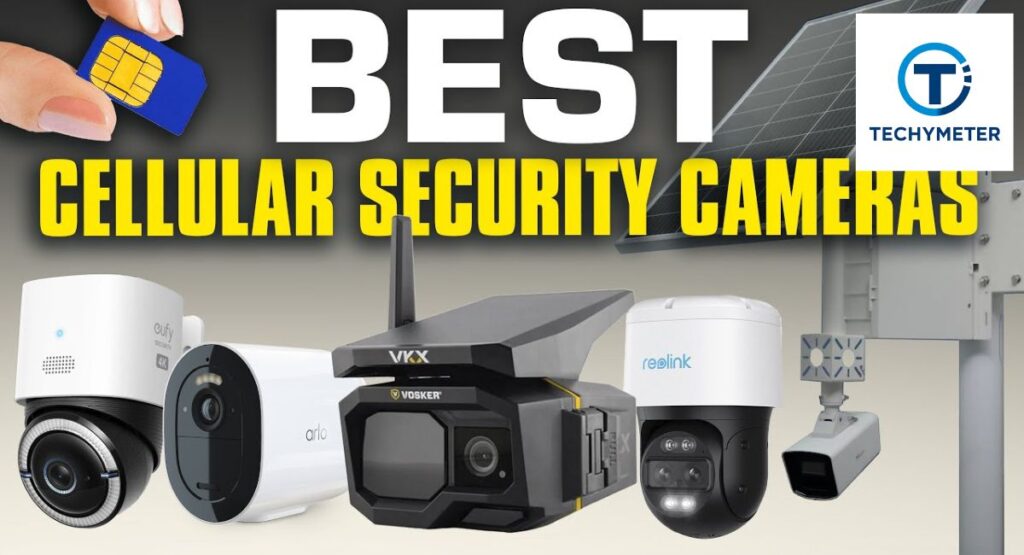
The best outdoor cellular security camera balances durability with intelligence. It combines rugged housing, accurate detection, and motion-triggered recording. These features reduce false alerts while maintaining reliable coverage.
Power matters outdoors. Many users prefer a battery-powered cellular security camera or a solar-powered cellular security camera for flexibility. When paired with power-efficient security devices, outdoor monitoring becomes effortless and dependable.
Best Cellular Indoor Security Camera Options
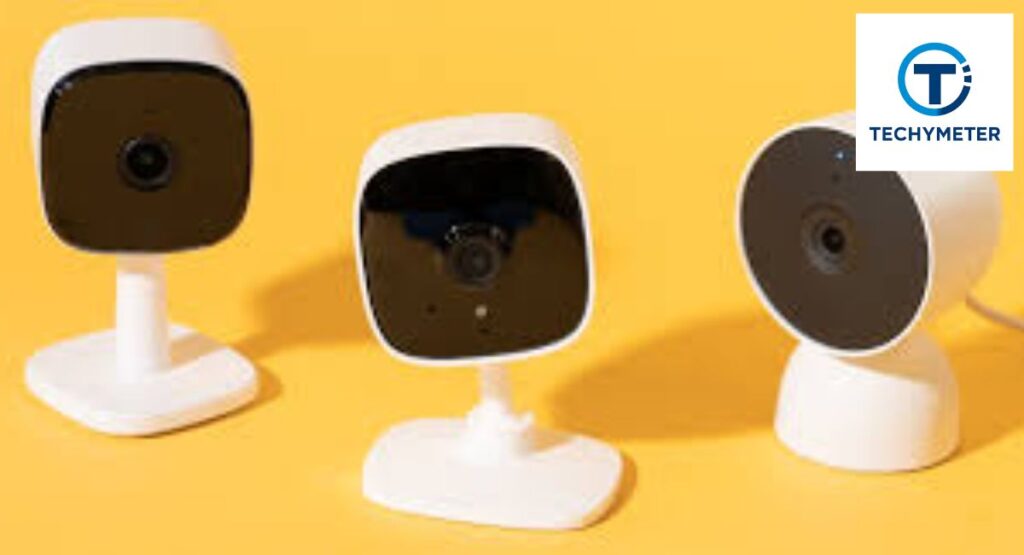
The best cellular security camera for indoor use focuses on clarity and discretion. A cellular indoor security camera delivers smooth remote video monitoring with minimal delay. It blends into living spaces while maintaining strong security camera reliability.
Indoor cameras also support smarter alerts. Features like motion-triggered recording and remote access via mobile app help you monitor pets, elders, or entrances. These cameras quietly protect your space without clutter or complex wiring.
Cellular Security Cameras for Homes, Farms, and Construction Sites
Different locations demand different strengths. A cellular home security camera suits everyday protection, while farms rely on cellular cameras for rural areas with wide coverage. Construction zones prefer cellular cameras for construction sites to deter theft.
These environments benefit from standalone security systems that work without routers. Strong signal strength and coverage ensure stable performance. This versatility explains why cellular surveillance fits diverse American lifestyles.
Cellular Security Cameras for RVs, Cabins, and Vacation Homes
Mobility changes everything. RV owners depend on cellular cameras without internet to monitor vehicles across states. Cabins and vacation homes rely on off-grid surveillance solutions that function year-round.
A remote cellular security camera protects property even when you are miles away. With mobile network connectivity, alerts arrive instantly. This peace of mind matters when properties remain unattended for long periods.
Cellular Security Camera Systems: Single Camera vs Full Setup
A single camera suits small areas. A cellular security camera system with multiple units suits larger properties. The difference lies in coverage, not complexity.
Multi-camera systems coordinate alerts and footage through smart security monitoring platforms. They share data securely and simplify management. Choosing the right setup depends on space size, risk level, and monitoring goals.
Do Cellular Security Cameras Need a Monthly Data Plan?
Yes, most cellular security cameras require a cellular security camera subscription or a monthly data plan. The camera sends video through LTE and 4G data transmission, so you need a plan to support video streaming over cellular networks and real-time alerts and notifications.
For example, a Verizon cellular security camera plan allows constant monitoring without relying on home Wi-Fi. These plans vary in data allowance and cost, so understanding cellular security camera data plans is crucial before purchase. Proper planning prevents unexpected interruptions.
Understanding Cellular Security Camera Data Usage
Data usage depends on camera activity. Continuous recording consumes more, while motion-triggered recording saves bandwidth. High-definition streaming or night vision surveillance also increases consumption.
Data usage optimization ensures your cellular security camera’s monthly fee stays manageable. Most systems allow settings to balance video quality, alerts, and storage. Smart configuration can save hundreds of megabytes monthly without losing security effectiveness.
How Much Data Do Cellular Security Cameras Use Per Month?
Average consumption ranges from 2GB to 20GB monthly per camera, depending on settings. A remote cellular security camera recording full HD constantly will use more data than a cellular security camera with a solar panel configured for motion alerts only.
The table below illustrates typical usage for different settings:
| Camera Type | Recording Mode | Estimated Data per Month |
| Indoor Cellular Security Camera | Motion-only | 2–5GB |
| Outdoor Cellular Surveillance Camera | Continuous | 15–20GB |
| Off-Grid Solar Powered Camera | Motion-only | 3–6GB |
Understanding this helps choose the right cellular security camera system and avoid surprises.
Cellular Security Cameras in Canada: Coverage and Compatibility
Many US buyers consider cross-border use. Cellular security camera Canada versions may require compatible SIM cards and carriers. Carrier compatibility and signal strength, and coverage become critical for smooth operation.
While US LTE networks are standard, Canadian regulations or carrier differences can affect off-grid cellular security camera performance. Always verify that your 4G cellular security camera supports North American bands before deployment.
Cost Breakdown: How Much Does a Cellular Security Camera Cost?
The cellular security camera cost varies widely depending on features. Basic indoor models start around $100, while premium outdoor cellular security camera units can exceed $500. High-end cameras include advanced night vision surveillance, motion-triggered recording, and cloud storage vs local storage options.
Consider the cellular security camera’s monthly fee, too. Plans for cellular security camera subscription or cellular security camera data plans may range from $10 to $50 monthly. Factoring in both hardware and data costs ensures realistic budgeting for home and property protection.
Hidden Costs: Data Plans, Storage, and Maintenance
Beyond the initial purchase, hidden costs can affect your budget. Continuous video streaming over cellular networks consumes more data, increasing your cellular security camera’s monthly fee. Cloud storage adds another recurring cost, though local storage can reduce this expense.
Maintenance matters as well. Battery replacement for battery-powered cellular security camera models and occasional cleaning of weatherproof outdoor cameras ensures reliability. Planning for these power-efficient security devices keeps your cellular security camera system running smoothly over time.
Battery-Powered Cellular Security Cameras Explained
Battery-powered cellular security cameras offer unmatched flexibility. They allow off-grid surveillance solutions in remote or temporary locations, eliminating the need for wired electricity. Coupled with mobile network connectivity, these cameras can function anywhere, providing remote video monitoring at all times.
Battery life depends on usage. Motion-based recording and data usage optimization can extend operational time. Many cellular cameras without internet rely solely on battery power, making them ideal for cabins, farms, and cellular cameras for rural areas.
Solar-Powered Cellular Security Cameras: Are They Worth It?
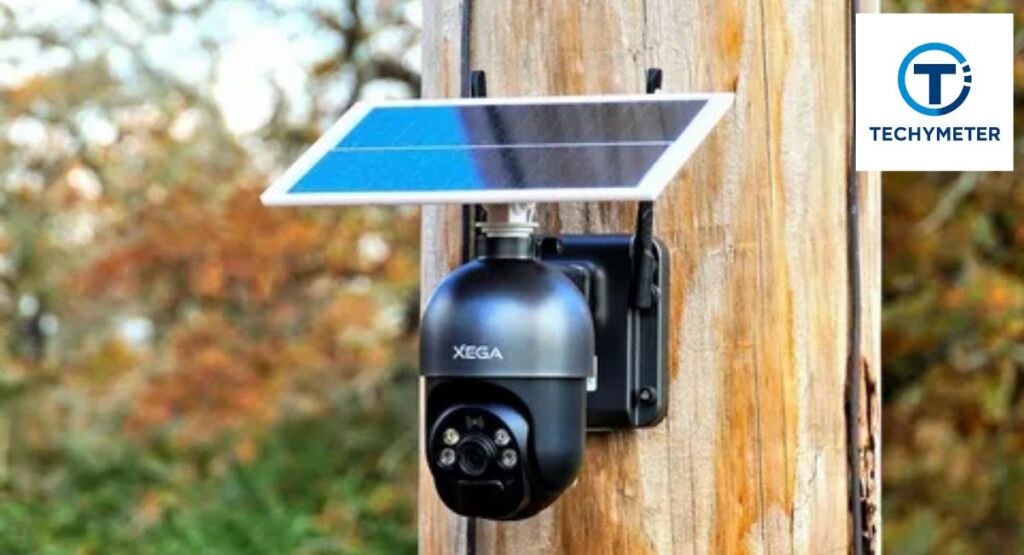
A solar-powered cellular security camera combines renewable energy with cellular independence. Solar panels provide a continuous charge, reducing downtime and monthly electricity costs. This is perfect for off-grid cellular security camera setups or areas where wiring is impractical.
These cameras integrate solar charging support with power-efficient security devices, making them reliable for long-term outdoor surveillance. They can maintain real-time alerts and notifications and night vision surveillance even in remote locations. Solar models are especially useful for farms, cabins, and cellular cameras for construction sites.
Off-Grid Cellular Security Camera with Solar Panel
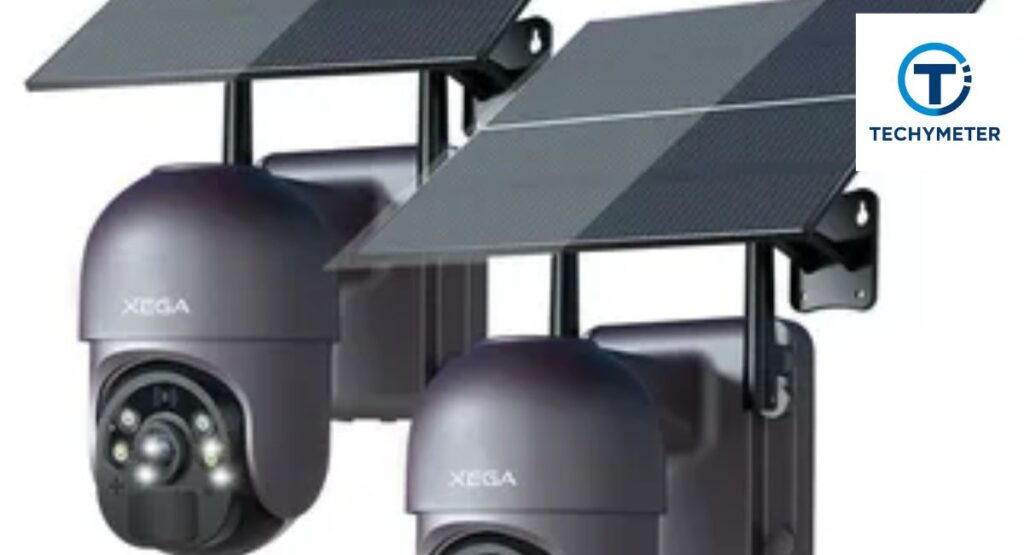
A cellular security camera with a solar panel is perfect for remote or temporary setups. Combining off-grid surveillance solutions with solar charging support, these cameras provide continuous remote video monitoring without relying on Wi-Fi or electricity.
For instance, a farm in a rural area can use a battery-powered cellular security camera supplemented by solar energy. This ensures standalone security systems remain operational, giving peace of mind and reliable home and property protection year-round.
Key Features to Look for in the Best Cellular Security Camera
When choosing the best cellular security camera, prioritize features like night vision surveillance, motion-triggered recording, and real-time alerts and notifications. Carrier compatibility and signal strength, and coverage determine reliability.
Other essential elements include cloud storage vs local storage, battery life, and durability. A camera supporting remote access via a mobile app allows flexible management, while power-efficient security devices reduce running costs for long-term use.
Video Quality, Night Vision, and Motion Detection Capabilities
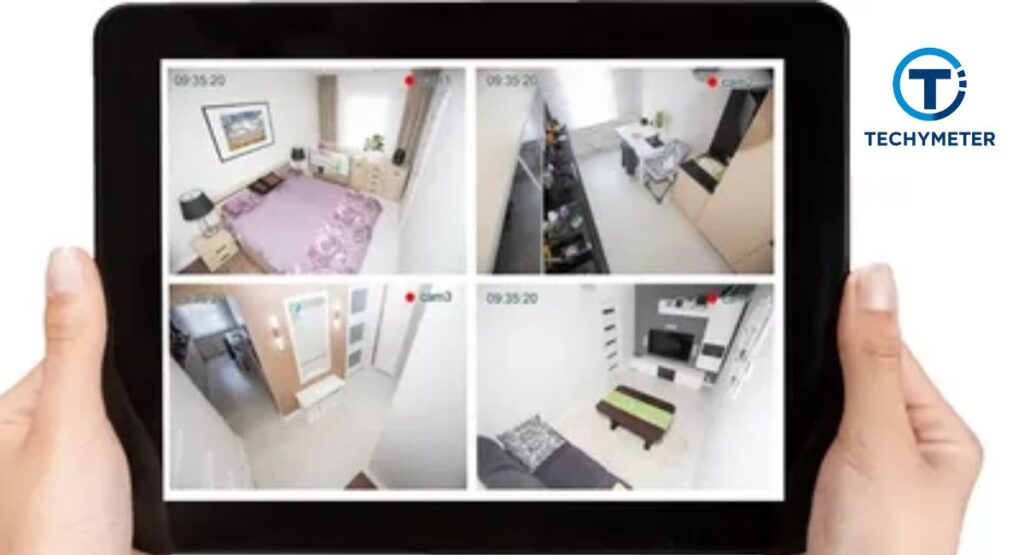
High-quality video is non-negotiable for cellular video security camera users. Resolution, color accuracy, and video streaming over cellular networks affect how clearly events are captured. Infrared night vision surveillance ensures monitoring continues even in darkness.
Motion-triggered recording and smart detection reduce false alerts, while fast real-time alerts and notifications inform you instantly. These features combined enhance smart security monitoring for both indoor and outdoor setups.
Pros of Using Cellular Security Cameras
A cellular security camera system offers independence from internet failures. Cellular cameras without internet provide reliable coverage in remote areas, including cellular cameras for rural areas and construction sites. Flexibility, ease of installation, and mobile accessibility make these cameras ideal for modern users.
Additionally, battery-powered cellular security cameras or solar-powered cellular security cameras reduce wiring and maintenance needs. They deliver consistent outdoor and indoor surveillance while supporting privacy and data encryption, giving complete peace of mind.
Cons and Limitations of Cellular Security Cameras
While powerful, cellular security cameras have limitations. High-quality 4G LTE cellular security camera models often come with a higher upfront cellular security camera cost. Data usage and cellular security camera monthly fees can add up, especially for continuous video streaming over cellular networks.
Environmental factors also matter. Poor signal strength and coverage reduce performance, and battery or solar-powered cameras need monitoring to maintain uptime. Understanding these constraints helps users balance flexibility with real-world security camera reliability.
Common Myths About Cellular and Wireless Security Cameras
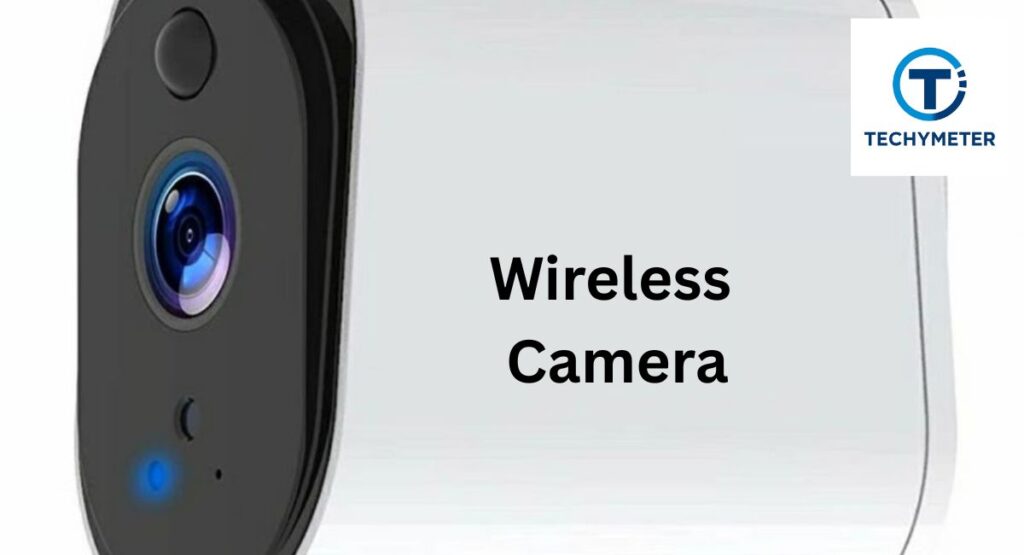
Many believe that cellular camera vs wifi camera systems are always expensive or slow. In reality, modern 4G cellular security camera models offer fast remote video monitoring and motion-triggered recording comparable to Wi-Fi systems.
Another myth is that wireless cameras are less secure. A cellular security camera system with proper privacy and data encryption can be safer than unsecured Wi-Fi cameras. Awareness of these myths helps users make informed choices for home and property protection.
Are Cellular Security Cameras Better Than Fake Security Cameras?
Fake cameras provide only a visual deterrent. A real cellular security camera delivers actual protection through real-time alerts and notifications, motion-triggered recording, and cloud storage options. Unlike decoys, they enable remote access via a mobile app for instant monitoring.
For example, a cellular security camera with no wifi installed on a property in a rural area can prevent theft, monitor livestock, or protect temporary job sites. Real cameras provide measurable benefits over decorative, fake alternatives.
Who Should Buy a Cellular Security Camera?
Ideal buyers include those in rural areas, travelers with cabins, or anyone needing off-grid cellular security camera solutions. Properties without stable broadband benefit from cellular cameras without internet, while urban users can rely on remote cellular security camera setups for backup security.
Homeowners seeking a cellular home security camera or businesses using cellular cameras for construction sites gain from standalone security systems that combine portability, reliability, and smart security monitoring. These cameras suit users who value flexibility and constant coverage.
Who Should Avoid Using Cellular Security Cameras?
Not every property benefits from a cellular security camera system. If you have reliable Wi-Fi and prefer wired setups, a cellular camera vs wifi camera comparison may favor Wi-Fi for cost savings. Heavy data users may find cellular security camera data plans expensive.
Additionally, small apartments or areas with weak signal strength and coverage may see reduced performance. Users unwilling to manage batteries or solar panels might prefer conventional cameras instead of off-grid cellular security camera solutions.
Are Cellular Security Cameras Worth Buying?
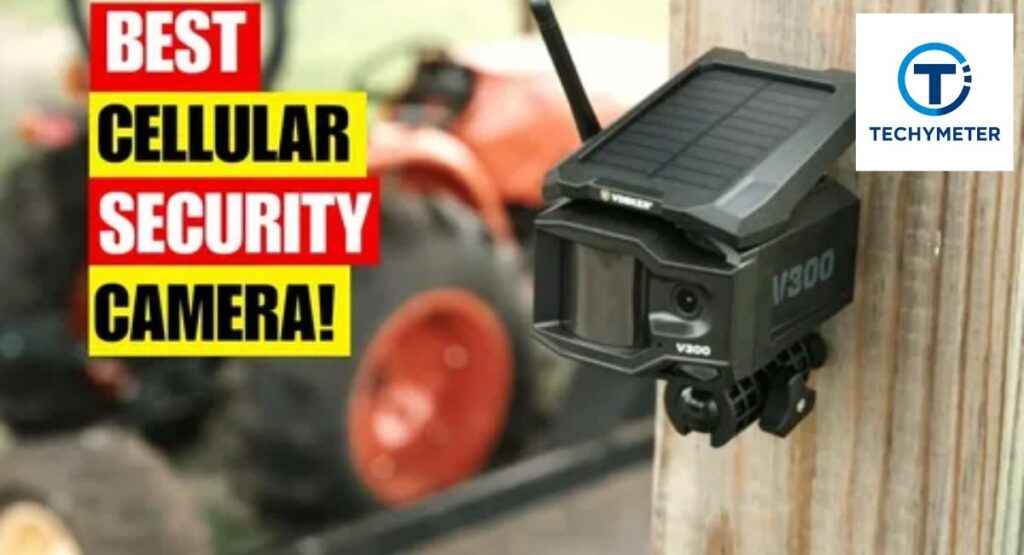
For most users, the investment pays off. Cellular security cameras offer freedom from Wi-Fi dependence, reliable remote video monitoring, and flexible installation options. Battery-powered cellular security camera and solar-powered cellular security camera models expand coverage in any environment.
They protect homes, farms, RVs, and job sites, combining real-time alerts and notifications, motion-triggered recording, and privacy and data encryption. When reliability, flexibility, and true home and property protection matter, cellular security cameras prove their value.
Conclusion
In today’s security landscape, cellular security cameras are essential for anyone seeking reliable protection without depending on Wi-Fi. From remote cellular security camera setups to best outdoor cellular security camera installations, these cameras provide constant smart security monitoring, versatile placement, and real peace of mind.
Whether you choose a cellular indoor security camera, solar solar-powered cellular security camera, or a full cellular security camera system, understanding data usage optimization, signal strength, and coverage, and the right plan ensures success. With proper setup, your property is monitored, secure, and accessible anytime, anywhere.
FAQs
1. What is a cellular security camera?
A cellular security camera is a surveillance device that uses mobile network connectivity instead of Wi-Fi to transmit video. It works anywhere with a SIM card and LTE or 4G network.
2. Do cellular security cameras require a data plan?
Yes, most require a cellular security camera subscription or data plan to enable real-time alerts and notifications and video streaming over cellular networks.
3. Can cellular cameras work without Wi-Fi?
Absolutely. Cellular cameras without internet rely on SIM card-based security cameras to transmit footage, making them ideal for remote or off-grid locations.
4. Are cellular security cameras reliable for outdoor use?
Yes, the best outdoor cellular security camera models are weatherproof outdoor cameras with motion-triggered recording, providing consistent surveillance in various conditions.
5. How much data does a cellular security camera use?
Data usage depends on recording mode. Motion-based recording typically uses 2–5GB/month, while continuous video streaming over cellular networks may consume 15–20GB/month.
6. Can I use a solar-powered cellular security camera?
Yes, solar-powered cellular security cameras combine solar charging support with off-grid surveillance solutions, offering continuous operation without wired power.
7. What’s the difference between a cellular and Wi-Fi security camera?
A cellular security camera works independently of Wi-Fi, while a Wi-Fi camera depends on internet connectivity. Cellular models provide more signal strength and coverage in remote areas.
8. Are cellular security cameras secure?
Yes, they use privacy and data encryption to protect footage. Combining cloud storage with local storage ensures home and property protection without compromising safety.
9. Who should buy a cellular security camera?
Ideal buyers include homeowners, farmers, and RV owners needing off-grid cellular security camera solutions, or anyone seeking remote cellular security camera monitoring.
10. Are cellular security cameras worth the cost?
Yes, they provide flexibility, reliable remote video monitoring, and standalone security systems, making them worth investing in for uninterrupted protection anywhere.
Read More
Which Moultrie Trail Camera Should You Buy? Complete Comparison Guide for USA Hunters
How to Make a Pinhole Camera and Take Stunning Photos (Complete Guide)
Gully Camera – The Ultimate Solution for Drain & Sewer Inspections
A Complete Overview of — Mamiya ZD Camera
 Ahmedd12