 By Ahmed11
Moviegoers often ask, “Do movie theaters have cameras?” or “Are there cameras in movie theaters?” The truth is, most theaters in the USA use movie theater surveillance cameras to ensure safety, prevent theft, and stop illegal recording. These cameras are part of modern cinema surveillance systems covering lobbies, hallways, entrances, concession areas, parking lots, and sometimes auditoriums.
Understanding why these cameras are installed, where they are located, and how they function can help you feel more comfortable during your movie experience. It also clarifies questions about privacy laws for movie theater cameras, video surveillance legality in theaters, and how theaters balance safety with guest privacy.
Most movie theaters in the USA use movie theater surveillance cameras in lobbies, hallways, and occasionally auditoriums to ensure safety, prevent illegal recording in theaters, monitor staff, and deter theft, all while complying with privacy laws for movie theater cameras and CCTV regulations for cinemas.
In this article, we discuss “Do movie theaters have cameras?”
Understanding Surveillance in Modern Movie Theaters
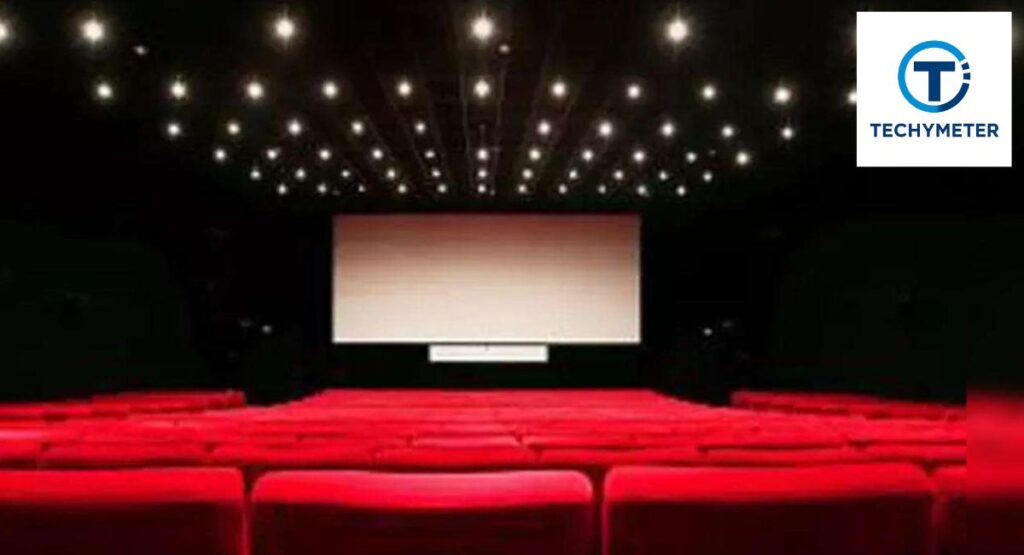
Modern cinemas heavily invest in movie theater security cameras to protect both their assets and their patrons. Cameras in movie theater lobbies and hallways, and entrances monitor crowds, detect suspicious behavior, and deter criminal activity. Big chains like AMC, Regal, and Cinemark rely on a combination of dome cameras in movie theaters, bullet cameras in cinemas, and PTZ cameras for auditoriums to cover different areas efficiently.
Besides security, these cameras help theaters with employee monitoring in theaters, operational oversight, and emergency response. For example, if a fire alarm goes off or a patron suffers an injury, movie theater surveillance cameras provide footage that helps staff react quickly. This makes theaters safer and reassures guests about their environment.
Do Movie Theaters Have Cameras Inside the Auditorium?
Yes, but placement is usually discreet. Cameras inside movie theaters are often installed in ceiling corners or side aisles and focus on detecting illegal recording in theaters rather than monitoring individual patrons. High-resolution infrared cameras in theaters and low-light surveillance cameras allow staff to observe auditoriums without disturbing the audience.
Are Cameras Installed Facing the Audience?
Some cameras face the audience, primarily to prevent bootleg movie recording detection and maintain safety. These cameras are designed to comply with video surveillance legality in theaters and CCTV regulations for cinemas, ensuring they focus on general activity rather than private behavior.
Do Movie Theaters Monitor Individual Seats or Rows?
No, cameras rarely target individual seats or rows. The main objective is crowd monitoring in cinemas, ensuring safety, and preventing movie piracy. PTZ cameras for auditoriums can zoom if staff need to check for unauthorized recording devices without compromising privacy.
Where Are Cameras Usually Located in a Movie Theater?
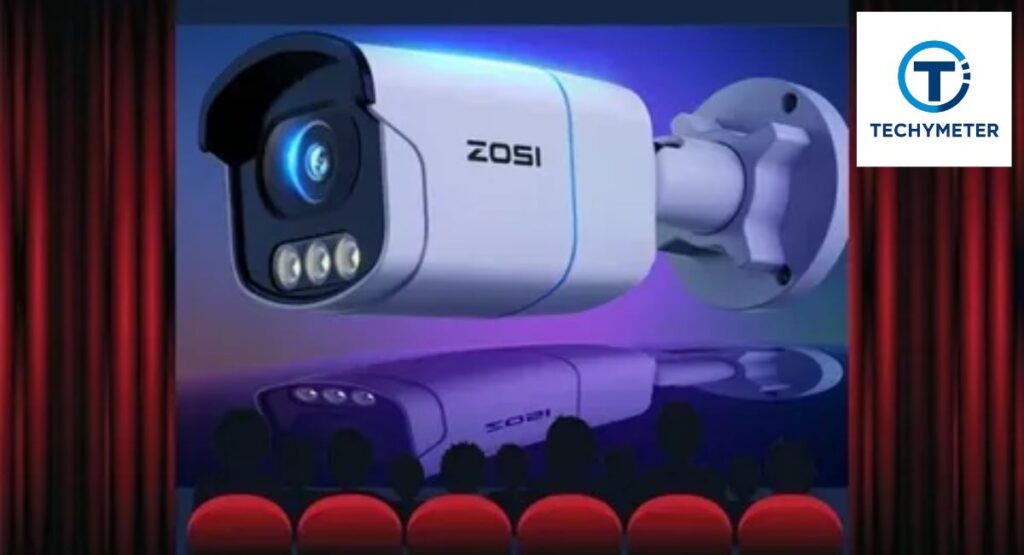
Cameras in movie theaters are placed in areas with high foot traffic and potential security risks. Cameras in movie theater lobbies monitor patrons as they enter and exit, while cameras in hallways and entrances help staff observe movement between auditoriums.
Cameras in concession areas ensure cash handling is secure and prevent theft. Additionally, parking lot cameras at movie theaters keep an eye on vehicles, offering an extra layer of protection for visitors.
Cameras in Screening Rooms vs Public Areas
In screening rooms, cameras are usually discreet and only monitor for illegal recording in theaters or safety hazards. They don’t focus on individuals, respecting privacy laws for movie theater cameras. Public areas like lobbies, entrances, and hallways are fully covered, allowing theaters to handle emergencies, monitor crowds, and prevent theft in movie theaters effectively.
Parking Lot and Exterior Security Coverage
Outside, parking lot cameras at movie theaters watch entrances, exits, and large parking zones. These cameras reduce vandalism, theft, and car-related incidents. Combining dome cameras in movie theaters and bullet cameras in cinemas, theaters create a complete multiplex surveillance setup that extends beyond the building itself.
Why Are There Cameras in Movie Theaters?
Theaters install cameras for many reasons, from safety to operational efficiency. Deter crime and disorderly behavior is a primary reason. Visible movie theater security cameras discourage vandalism, fights, and harassment. Guests feel safer knowing cinema surveillance systems are active, and staff can respond quickly to incidents.
Another reason is to prevent movie piracy. Cameras in theater auditoriums detect unauthorized recording devices and prevent bootleg movie recording. This protects both the theater and the film industry. Theaters also monitor crowd monitoring in cinemas, ensuring smooth audience flow during peak hours.
Deter Crime and Disorderly Behavior
High-traffic areas like entrances and lobbies are prone to theft and disruptive behavior. Movie theater surveillance cameras act as a deterrent. Staff can review footage to resolve disputes or track lost items. Even subtle signs of cameras influence patron behavior, making incidents less likely.
Prevent Movie Piracy
The rise of smartphones makes illegal recording in theaters a serious concern. Infrared cameras in theaters and night vision cameras in movie theaters allow detection without distracting viewers. Anti-piracy laws in the USA support theaters using cameras to prevent movie piracy, protecting copyrighted content.
Ensure Customer and Staff Safety
Cameras provide an extra layer of protection. In emergencies like fires, medical incidents, or accidents, footage helps staff respond quickly. Low-light surveillance cameras ensure visibility in dim auditoriums. Guests and employees both benefit from this proactive safety monitoring.
Manage Employees and Internal Operations
Employee monitoring in theaters helps track staff performance, reduce theft, and maintain high service standards. Cameras in back-of-house areas, concessions, and entrances allow managers to supervise efficiently without hovering, improving overall theater operations.
Document Emergencies and Accidents
Footage from movie theater surveillance cameras serves as evidence during legal claims or insurance procedures. Accidents, injuries, or disputes can be verified, protecting both patrons and theaters. This reduces liability and improves safety policies.
Discouraging Inappropriate or Sexual Activities
Some cameras in screening rooms or public spaces discourage misconduct. For example, theaters use signage combined with discreet hidden cameras in cinemas to prevent sexual activity or inappropriate behavior, keeping the environment safe for all visitors.
Why Movie Theaters Rely on Security Camera Systems
Theater security goes beyond simple monitoring. Theater security systems provide operational insights, assist in crowd management, and prevent theft. Modern setups use multiplex surveillance setups combining dome cameras in movie theaters, bullet cameras in cinemas, and PTZ cameras for auditoriums. This ensures full coverage and flexibility.
Crowd Control and Audience Behavior Monitoring
During busy shows, cameras help staff manage long lines, seating, and crowd flow. Crowd monitoring in cinemas ensures emergencies are handled swiftly. Real-time alerts from cameras allow immediate intervention, reducing chaos during high-attendance events.
Theft Prevention at Kiosks, Lobbies, and Concessions
Surveillance in high-risk areas prevents theft in movie theaters. Cameras monitor cash handling, ticket counters, and snack stands. Recorded footage also resolves disputes and confirms transactions, maintaining operational efficiency.
Employee Monitoring and Operational Oversight
Cameras allow managers to oversee staff without constant physical supervision. Employee monitoring in theaters ensures compliance with policies, reduces misconduct, and improves service quality. Recorded evidence can also help in investigations if necessary.
What Types of Security Cameras Are Used in Movie Theaters?
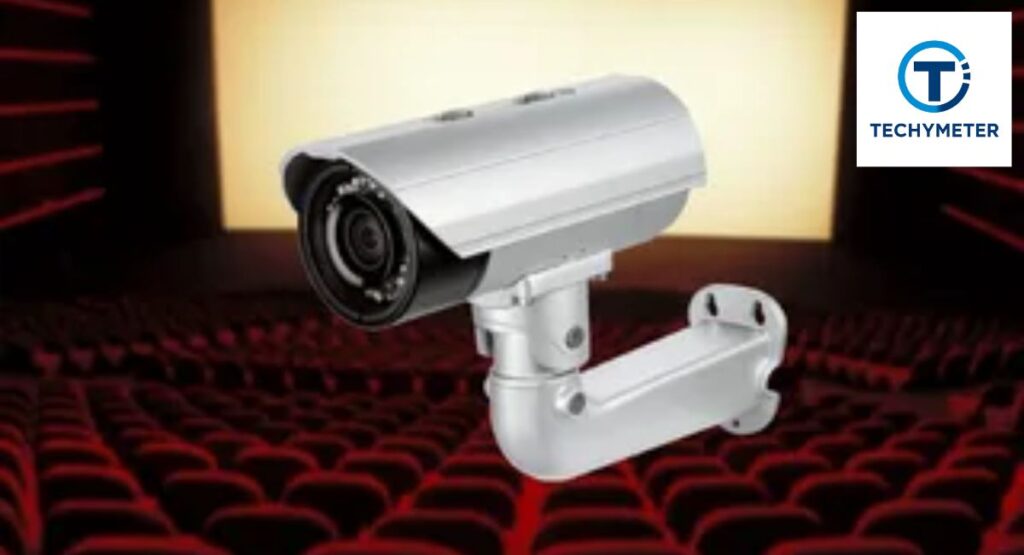
Movie theaters use a combination of cameras to cover every angle. Dome cameras in movie theaters are common for hallways, lobbies, and auditoriums. They provide a wide field of view and are hard to detect, making them ideal for monitoring patrons discreetly. Bullet cameras in cinemas are often used outside or at entrances, designed for long-distance coverage and outdoor durability.
PTZ cameras for auditoriums are high-end cameras that can pan, tilt, and zoom to monitor crowds or detect suspicious activity. Modern setups often include infrared cameras in theaters for night vision capability and low-light surveillance cameras to cover dim auditoriums. Together, these cameras create a complete cinema surveillance system that balances security, safety, and operational efficiency.
Dome Cameras
Dome cameras in movie theaters are typically ceiling-mounted and offer 360-degree coverage. Their design prevents patrons from knowing which direction they are recording. These cameras are great for crowd monitoring in cinemas, reducing theft, and ensuring general safety in public areas like cameras in movie theater lobbies and hallways.
Bullet Cameras
Bullet cameras in cinemas are elongated and visible, making them a deterrent for criminals. These cameras are often placed at entrances, exits, or parking lots. Equipped with infrared capabilities, they double as parking lot cameras at movie theaters and help monitor external security effectively.
PTZ Cameras
PTZ cameras for auditoriums can move in all directions and zoom in on specific sections. They are especially useful in large auditoriums where a single camera needs to cover the entire room. These cameras assist in spotting illegal recording in theaters and tracking any suspicious behavior without being intrusive.
Dome vs Bullet Cameras in Cinema Environments
Both dome cameras in movie theaters and bullet cameras in cinemas have specific advantages. Dome cameras are discreet, less noticeable, and provide wide coverage. Bullet cameras, however, are more visible and act as a deterrent while offering a longer range. A multiplex surveillance setup often combines both types to maximize coverage inside and outside the theater.
| Camera Type | Ideal Placement | Key Advantage | Example Usage |
| Dome Cameras | Lobbies, hallways, auditoriums | 360-degree coverage, discreet | Monitoring crowds and internal security |
| Bullet Cameras | Entrances, exits, parking lots | Visible deterrent, long-distance view | External security and parking lot monitoring |
| PTZ Cameras | Large auditoriums | Pan, tilt, zoom for wide coverage | Anti-piracy, audience behavior monitoring |
PTZ Cameras and Their Role in Large Auditoriums
PTZ cameras for auditoriums are essential in large theaters where fixed cameras cannot cover the entire audience effectively. They allow operators to focus on specific rows or sections during busy shows. These cameras are also used to detect bootleg movie recording, ensuring compliance with anti-piracy laws.
The versatility of PTZ cameras helps in both safety and operational tasks. For example, they can monitor emergency exits, detect suspicious objects, or assist in crowd management. By combining PTZ cameras with infrared cameras in theaters, theaters can maintain 24/7 surveillance, even in dark or low-light conditions.
Do Movie Theaters Use Night Vision Cameras?
Yes, do movie theaters use night vision cameras is a common concern. Modern theaters use night vision cameras in movie theaters and infrared cameras in theaters to capture footage in dimly lit auditoriums, parking areas, and hallways. These cameras ensure security even when the lights are off.
How Night Vision Cameras Work in Dark Theaters
Night vision cameras detect infrared light invisible to the human eye. They capture movement and shapes without using visible light, which prevents distraction during shows. This is especially useful for spotting illegal recording in theaters or emergencies when regular lighting is unavailable.
How to Detect Night Vision Cameras in a Theater
To identify how to detect night vision cameras in a theater, look for small red or blinking lights in dark areas. Often, night vision cameras are discreet, hidden in ceiling corners, exit signs, or decorative fixtures. However, reputable theaters prioritize safety over surveillance, so these cameras are generally not intrusive.
Signs That a Movie Theater Is Under Surveillance
Wondering how to tell if a movie theater has cameras? Most theaters display clear signs that a movie theater is under surveillance in lobbies, ticket counters, and hallways. These notices are often required by law to inform patrons about active movie theater surveillance cameras.
Even without visible signs, cameras in hallways and entrances or in concession areas indicate active monitoring. You might also spot subtle indicators like hidden cameras in cinemas, ceiling-mounted dome cameras, or small devices near exits.
Some theaters employ low-light surveillance cameras and infrared cameras in theaters, which are nearly invisible in dim lighting but continue monitoring. Observing these areas usually reveals if a venue uses a full multiplex surveillance setup.
Are Movie Theater Cameras Actively Monitored or Recorded?
The question of are movie theater cameras are monitored is common among visitors. In major chains, many cameras are actively viewed in real-time from central security rooms. This ensures quick responses to theft, safety issues, or movie piracy prevention. Smaller theaters often record footage locally, reviewing it only when incidents occur.
Live Monitoring vs Footage Review Policies
Some theaters use live monitoring for crowd monitoring in cinemas, especially during busy weekends or premieres. Others rely on footage review policies, keeping recordings for 30 to 90 days. Both approaches balance security with privacy, ensuring incidents like theft or medical emergencies are documented without invading personal space.
Are Movie Theater Cameras Legal?
Many ask are movie theater cameras are legal, and if cameras are allowed inside movie theaters. Generally, surveillance in public areas such as lobbies, hallways, and concessions is legal. However, privacy laws for movie theater cameras prevent monitoring in private areas like restrooms or dressing rooms.
Privacy Laws Related to Theater Surveillance
Theater operators must follow CCTV regulations for cinemas. Patrons should be informed about cameras in use to comply with transparency laws. This ensures that video surveillance legality in theaters is maintained while protecting customer privacy.
Are Cameras Allowed Inside Restrooms or Private Areas?
No, cameras are not allowed inside movie theaters in restrooms, dressing rooms, or other private areas is prohibited. These spaces are legally considered private, and any surveillance here violates privacy rights and can result in legal action.
Can Movie Theaters Record Audio Along with Video?
Most theaters do not record audio. Asking do movie theaters record audio confirms this. Audio recording is more regulated than video, and most cinemas avoid it to prevent privacy violations. Only explicit consent allows audio recording, and it’s rarely used in typical theater settings.
Do Big Cinema Chains Like AMC, Regal, and Cinemark Use Cameras?
Large chains like AMC, Regal, and Cinemark frequently utilize movie theater security cameras and cinema surveillance systems to maintain safety and prevent piracy. These theaters monitor cameras in screening rooms in rare instances, mostly for bootleg movie recording detection and emergencies.
Do AMC Movie Theaters Have Cameras Inside Auditoriums?
Yes, AMC movie theaters have cameras in some auditoriums. These cameras are usually mounted high, covering the audience broadly rather than focusing on individual patrons. Their main role is movie piracy prevention and employee monitoring in theaters for operational oversight.
Do Regal and Cinemark Theaters Monitor Audience Areas?
Similarly, does Regal have cameras in theaters, and does Cinemark use surveillance cameras in audience areas? These cameras ensure safety, deter theft, and detect unauthorized recording. Public areas such as lobbies, hallways, and concessions remain the primary focus, while cameras in theater auditoriums are minimal and highly regulated.
Do Movie Theaters Have Cameras — Reddit Discussions Explained
Many people ask do movie theaters have cameras on forums like Reddit. Discussions reveal a mix of experiences. Some patrons notice cameras inside movie theaters in lobbies or hallways, while others are skeptical about cameras in theater auditoriums. Reddit users often share stories about bootleg movie recording detection or spotting hidden cameras in cinemas, providing a real-world perspective on surveillance practices.
People also discuss how cinemas detect cameras and how theaters prevent illegal filming. The consensus is that most surveillance is focused on crowd monitoring in cinemas and security, rather than spying on individual patrons. Transparency, signage, and staff awareness are common recurring points in these discussions.
Do Movie Theaters Monitor Couples Specifically?
Many ask do movie theaters monitor couples. While theaters generally don’t focus on individual patrons, high-risk behavior such as making out in a movie theater may attract attention from staff if it disrupts others. Most monitoring is done via cameras facing the audience for general safety and employee monitoring in theaters, not to invade personal privacy.
Is Making Out in a Movie Theater Illegal or Monitored?
Is making out in a movie theater illegal? It’s not illegal unless it involves inappropriate public behavior or harassment. Theaters may intervene if couples’ actions disturb other guests or violate theater policies. Cameras in screening rooms or at entrances help staff respond promptly without invading privacy.
Can Theaters Detect Recording Devices or Hidden Cameras?
Theaters actively prevent piracy. Asking theaters can detect recording devices is common among moviegoers. Modern multiplex surveillance setups include infrared cameras in theaters, low-light surveillance cameras, and night vision cameras in movie theaters to spot illegal recording in theaters or bootleg movie recording detection.
Advanced systems can detect the glint of mobile cameras or suspicious movements in dimly lit auditoriums. Staff often monitor cameras in theater auditoriums or use automated alerts to stop piracy quickly. This shows the dual purpose of surveillance: maintaining security and protecting intellectual property.
Pros and Cons of Cameras in Movie Theaters
Movie theater surveillance cameras offer many benefits. They enhance safety, prevent theft in movie theaters, reduce violence, and assist in employee monitoring in theaters. Cameras also help detect illegal recording in theaters, ensuring copyright protection and operational oversight.
However, some patrons worry about privacy. Excessive monitoring may feel intrusive, and small incidents might be captured unnecessarily. Transparency and compliance with privacy laws for movie theater cameras and CCTV regulations for cinemas help balance security with privacy, ensuring a safe yet respectful environment.
Do All Movie Theaters Have Cameras or Only Large Chains?
Do all movie theaters have cameras? Not every cinema uses surveillance. Large chains like AMC, Regal, and Cinemark are equipped with cinema surveillance systems and comprehensive theater security systems, covering lobbies, hallways, parking lots, and sometimes auditoriums. Smaller independent theaters may have limited cameras, focusing only on public areas.
The decision depends on theater size, location, budget, and security requirements. Urban multiplexes tend to have full multiplex surveillance setups, while rural or small-town cinemas may rely on minimal movie theater security cameras.
Best Security Camera Solutions for Movie Theaters
Modern theaters require cameras that handle low light, wide coverage, and continuous activity. Recommended options include dome cameras in movie theaters, bullet cameras in cinemas, and PTZ cameras for auditoriums with infrared cameras in theaters. Night vision and low-light surveillance cameras improve safety and prevent movie piracy.
A table of suggested cameras can help:
| Camera Model | Best For | Features |
| Reolink RLC-811A | Auditoriums & Lobbies | 4K resolution, night vision, motion detection |
| Reolink Duo 3 PoE | Wide-area monitoring | 16MP dual-lens, 180° coverage, color night vision |
| Reolink RLK16-800B8 | Large multiplex | 16-channel NVR, 24/7 recording, HD video |
These cameras ensure comprehensive monitoring while maintaining compliance with video surveillance legality in theaters.
Case Studies — How Major Chains Handle Movie Theater Cameras
Big theater companies like Cinemark, AMC, and Regal provide practical information about whether Cinemark uses surveillance cameras, whether Regal has cameras in its cinemas, and whether AMC movie theaters have cameras. AMC, for example, installs cameras in movie theater lobbies, hallways, and entrances, and sometimes discreet cameras in screening rooms for movie piracy prevention. These cameras are primarily low-light surveillance cameras and infrared cameras in theaters, which help detect illegal recording in theaters even in dim lighting.
Regal emphasizes employee monitoring in theaters to prevent theft at concessions and ensure safety. Cinemark uses PTZ cameras for auditoriums to zoom in on suspicious activities and employs dome cameras in movie theaters to cover wide angles of lobby areas. Across all chains, the focus remains on public safety, operational oversight, and preventing bootleg movie recording detection rather than invading patrons’ privacy.
Examples of Hidden Cameras in Cinemas
The topic of hidden cameras in cinemas often alarms audiences. These are mostly small infrared cameras in theaters or night vision cameras in movie theaters used to monitor auditoriums for illegal recording in theaters. They are not meant to spy on personal activities but to protect the theater from piracy.
Some examples include cameras built into ceiling panels, emergency exit signs, or projector housings. While these cameras can occasionally record general audience behavior, their main function is to prevent movie piracy and support theater security systems. Understanding this distinction helps viewers feel safe without overestimating surveillance scope.
Future of Surveillance in Movie Theaters
As technology evolves, cinema surveillance systems are becoming smarter. AI-powered low-light surveillance cameras can detect unusual behavior automatically. Advanced multiplex surveillance setups might integrate motion alerts, automatic reporting, and video analytics for crowd monitoring in cinemas.
Future trends may include better movie piracy prevention, improved employee monitoring in theaters, and enhanced safety features without compromising privacy. While cameras in theaters may become more capable, strict adherence to CCTV regulations for cinemas and privacy laws for movie theater cameras ensures a safe, secure, and legally compliant environment for all patrons.
Conclusion
In summary, do movie theaters have cameras? Yes, most theaters in the USA install movie theater surveillance cameras, cameras in hallways and entrances, and cameras in movie theater lobbies for safety and security. Cameras in theater auditoriums are rare but sometimes used to prevent illegal recording in theaters or bootleg movie recording.
Modern theater security systems are designed for public safety, employee monitoring in theaters, and movie piracy prevention, not to invade your privacy. By understanding how to tell if a movie theater has cameras, signs of hidden cameras in cinemas, and CCTV regulations for cinemas, you can enjoy movies with peace of mind. Overall, security cameras make theaters safer, protect staff, and deter crime without affecting your movie experience.
FAQs
Q1: Do all movie theaters have cameras?
No, not all theaters have cameras, but most modern multiplexes and large chains do. Independent cinemas may have limited or no surveillance. Cameras inside movie theaters are usually in lobbies, hallways, and entrances.
Q2: Are there cameras in movie theaters’ auditoriums?
Some theaters install cameras in screening rooms or cameras facing the audience, mostly to prevent illegal recording in theaters. These are rare and highly regulated.
Q3: Are movie theater cameras legal?
Yes, as long as they follow video surveillance legality in theaters, privacy laws for movie theater cameras, and CCTV regulations for cinemas. Private areas like restrooms are off-limits.
Q4: Do movie theaters record audio?
Generally, no. Most systems only capture video. Recording audio requires consent and is restricted by law in many states.
Q5: Do AMC, Regal, and Cinemark use cameras?
Yes. Do AMC movie theaters have cameras? Does Regal have cameras in theaters, and does Cinemark use surveillance cameras? All three chains use movie theater security cameras in public areas and sometimes discreetly in auditoriums.
Q6: How do cinemas detect cameras or movie pirates?
Theaters use long-range cameras, infrared cameras in theaters, and AI-powered software to detect bootleg movie recording or unauthorized devices.
Q7: Do theaters monitor couples or audience behavior?
Theaters focus on crowd monitoring in cinemas and safety. Do movie theaters monitor couples? Rarely, and only in cases of safety concerns. Is making out in a movie theater is illegal depends on state and theater policies.
Q8: How can I tell if a movie theater has cameras?
Look for visible dome cameras in movie theaters, bullet cameras in cinemas, signs about CCTV, or subtle night vision cameras in movie theaters.
Q9: Are cameras allowed inside Indian movie theaters?
Yes, but they must follow are cameras in Indian movie theaters and local privacy regulations. Public area cameras are allowed; private areas are prohibited.
Q10: Do movie theaters use night vision cameras?
Yes, many use low-light surveillance cameras or infrared cameras in theaters to detect illegal recording in theaters or monitor auditoriums during dark screenings.
Read More
Hidden Car Cameras & Spy Cameras for Complete Vehicle Surveillance (USA Guide)
The Complete Guide to Night Vision Cameras: How They Work, Why They Matter & Best Options
CCTV Camera Junction Box — The Complete Expert Guide
Complete Guide to Body-Worn & Hidden Spy Cameras
 Ahmedd12