 By Ahmed11
Night vision has become extremely popular in modern cameras because people want reliable protection even after the sun goes down. Homeowners and businesses now depend on surveillance that keeps working in darkness, giving them clear views, stronger safety, and real-time awareness.
With advanced night vision, smart infrared beams, and improved sensors, cameras capture clean images in low light conditions, helping you detect movement that would normally stay hidden. Detailed security footage that safeguards residences, businesses, and outdoor areas during off-peak hours is supported by this technology. Many families trust it for peace of mind because it strengthens property monitoring and improves overall crime deterrence.
Night vision is popular in modern cameras because it delivers clear security footage in low-light conditions, helping you see activity that would normally stay hidden. It strengthens property monitoring and boosts crime deterrence, making homes and businesses safer even in complete darkness.
In this article, we explore “Why night vision is popular on cameras.”
What Makes Night Vision Cameras Essential for Modern Security
Night vision cameras play a vital role in modern home security system setups because criminals often strike in low-light conditions when visibility drops. You rely on night vision technology to give you reliable security footage even when the environment looks completely dark to the human eye. The ability to see clearly at night creates stronger crime deterrence and supports continuous property monitoring.
As more homes and businesses across the USA want 24/7 surveillance monitoring, these cameras help protect driveways, backyards, offices, and storage facilities. You benefit from nighttime identification, clearer faces, and license plate visibility thanks to advanced image processing and stronger illumination. Because intruders avoid places with cameras, their presence alone builds a powerful shield of awareness and prevention.
How Night Vision Technology Works in Low-Light Conditions
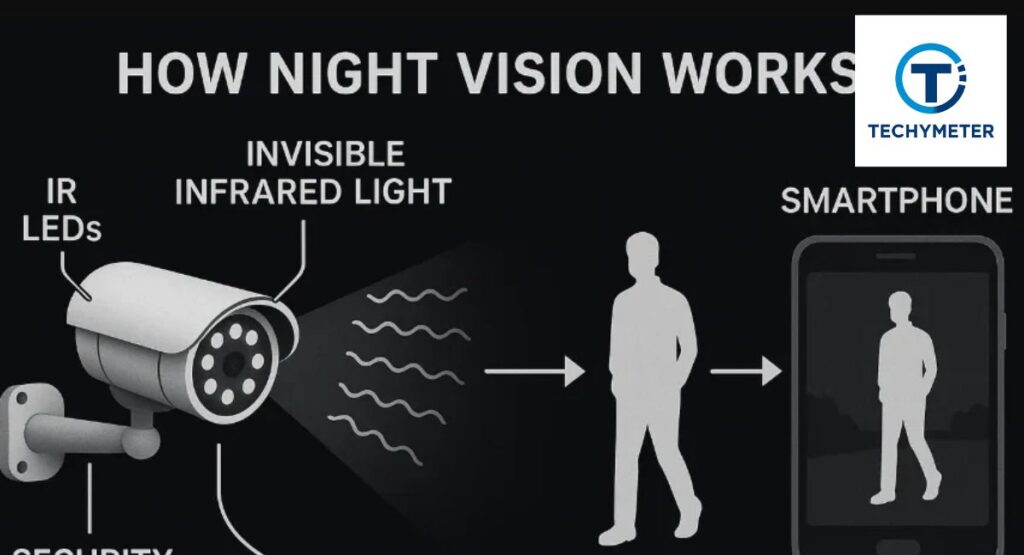
Understanding how night vision works helps you choose better surveillance camera options. Most cameras rely on infrared light to illuminate places you cannot see, using invisible beams that bounce off objects so the infrared sensor can create a clean image. You get smooth, detailed views through clever image processing that brightens dark zones without losing clarity.
Your camera automatically activates infrared mode when low-light surveillance conditions appear. The system evaluates incoming light levels and switches into night mode to maintain visibility. Even in complete darkness detection, advanced circuits capture available rays and improve them for high-resolution night footage that stays sharp and useful.
Light amplification vs. IR illumination vs. thermal detection
Light amplification boosts faint natural light, while IR light emission creates its own invisible lighting source. Infrared LEDs provide continuous support when natural light disappears. On the other hand, thermal detection senses heat patterns with thermal imaging cameras that detect heat signatures instead of visual detail. Each method works differently depending on your environment.
Role of Sensors and Processors
The quality of night vision depends on strong night vision sensors, powerful processors, and advanced noise reduction. A good processor improves low-light clarity, reduces grain, and sharpens edges. When combined with a starlight sensor, your camera produces outstanding night images that help you capture faces and movements that standard sensors miss.
The Role of Infrared Light in Night Vision Cameras
Infrared light is the backbone of infrared night vision because it illuminates the scene without disturbing people or alerting intruders. You benefit from silent illumination as your camera relies on infrared illumination to brighten spaces. This invisible beam ensures precise detail in pitch-dark areas.
Infrared light uses special wavelengths to travel farther than normal light. With a strong infrared range, you get more distance and deeper visibility. That’s why many outdoor night vision cameras use multiple infrared LEDs to extend their reach and improve clarity at night.
How IR Sensors Capture Images in Darkness
An infrared sensor interprets incoming IR reflections and converts them into visible images. You get a visible picture even when the surroundings look pitch-black. This sensor captures every detail of movement and shape by reading temperature and illuminated differences in the environment.
Your surveillance camera instantly switches to monochrome mode because black-and-white images respond better to infrared lighting. The outcome is sharp security footage with less noise, helping you track every event clearly.
Understanding IR-Cut Filters and Color Accuracy
During the daytime, the IR-cut filter blocks infrared wavelengths so your image looks natural. Without this filter, the picture would appear washed out. The filter activates in bright light, then moves aside at night so infrared illumination can work effectively.
This clever system delivers accurate color in the day and clean monochrome at night. You get smarter performance because the camera uses dynamic switching that adapts to low-light conditions instantly.
Near-Infrared Illumination for Enhanced Resolution
Near-infrared light (NIR) enhances sharpness and increases clarity for nighttime scenes. Many advanced cameras use NIR wavelengths to generate deeper contrast and give you clearer edges. When your camera uses NIR, you get better quality security footage even in open outdoor spaces.
Some manufacturers use NIR to create color night vision, allowing you to see details in dim areas without relying entirely on black-and-white imaging.
Active vs. Passive Night Vision Systems Explained
Active night vision uses IR light emission from built-in LEDs to brighten your environment. Most home cameras use this method because it works everywhere, even in total darkness. You get reliable results regardless of the surroundings.
Passive night vision depends on natural ambient light such as moonlight or streetlights. Cameras with strong starlight sensors excel here because they amplify what little light is available. These cameras provide realistic night views with less visible shine from the lens.
Image Enhancement Technology in Low-Light Environments
To improve night-time identification, cameras use internal image processing that reduces noise and boosts clarity. Algorithms remove grain and sharpen faces so you can identify people accurately. This leads to better facial recognition clarity across various lighting situations.
Image enhancement also adjusts contrast dynamically to help you spot suspicious shapes or objects. Even in foggy or dim weather, these adjustments keep your pictures readable.
How Starlight Sensors Improve Night Performance
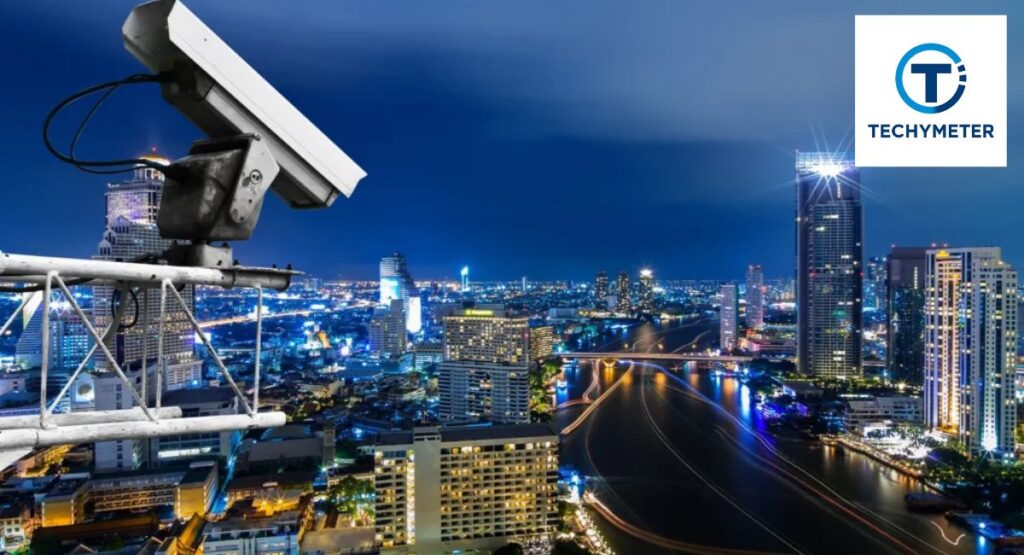
A starlight sensor captures ultra-low light by amplifying available brightness many times over. You get clearer images without relying entirely on infrared. This technology creates smoother video and helps record moving objects more accurately.
Homes and businesses in dim environments or rural areas benefit most because these sensors maintain image quality even when lighting is nearly absent.
Types of Night Vision Cameras Used in Security
Different types of night vision cameras work better in different settings. Your choice depends on coverage needs and aesthetics. Homes, offices, warehouses, and parking lots often use a combination of designs to build effective coverage.
Choosing the right type helps with wide-area coverage, better intrusion deterrence, and smoother property monitoring around entry points and outdoor spaces.
Dome cameras — features and best uses
Dome cameras blend easily with their surroundings and work well for indoor and moderate outdoor security. They offer a good field of view (FOV) and resist vandalism. Many models also include infrared illumination for clean night images.
Bullet cameras — range and deterrence benefits
Bullet cameras provide strong visibility and long-distance infrared range. Because of their shape, intruders notice them quickly, which increases crime deterrence. Their design supports sharper, high-resolution night footage outdoors.
PTZ cameras — tracking and coverage tradeoffs
A PTZ night vision camera offers a pan-tilt-zoom (PTZ) function to track motion across large areas. You get powerful rotation, optical zoom, and wider coverage for parking lots or open fields. These models excel at active monitoring.
Comparing Dome, Bullet, and PTZ Night Vision Cameras
Dome cameras are compact and ideal for indoor settings, bullet cameras work best for long distances, while PTZ cameras offer dynamic movement for broad areas. Each delivers different night vision technology benefits depending on your location.
A quick comparison helps you understand which camera fits your needs.
| Camera Type | Strengths | Best Use |
| Dome | Discreet, durable | Indoor & storefronts |
| Bullet | Long infrared range | Outdoor security |
| PTZ | Rotation & zoom | Parking lots & campuses |
Wired vs. Wireless Night Vision Camera Options
Wired cameras provide stable performance because they avoid interference and support higher resolutions like video resolution (1080p, 2K, 4K). These work great for permanent setups. Wireless options give flexible placement and easier installation.
A wireless night vision setup suits renters or people wanting simple adjustments. However, stable WiFi is important to avoid lag when recording security footage.
Indoor vs. Outdoor Night Vision Camera Capabilities
Indoor night cameras focus on clarity and detail, while outdoor night vision cameras prioritize durability and a strong weather resistance rating. Models with IP66/IP67 prevent dust, rain, and snow damage for all-weather outdoor monitoring. Outdoor units also use stronger infrared LEDs and an extended range to capture movement across wider spaces.
| Feature / Capability | Indoor Night Vision Cameras | Outdoor Night Vision Cameras |
| Primary Purpose | Clarity and detail in controlled lighting | Long-range visibility and robust outdoor security |
| Durability | Not designed for harsh environments | Built for rain, dust, heat, and cold |
| Weather Resistance | Minimal protection | IP66/IP67 weatherproof rating |
| Infrared Strength | Standard IR LEDs for short rooms | Stronger IR LEDs for long-distance illumination |
| Night Vision Range | Short to medium (5–10 meters) | Long range (15–30+ meters depending on model) |
| Build Quality | Lightweight, compact design | Reinforced, rugged housing |
| Installation Environment | Indoor rooms, hallways, and offices | Homes, yards, garages, warehouses, perimeters |
Key Benefits of Night Vision Cameras for Home Protection
Night vision cameras elevate home security because they monitor driveways, porches, and entryways even when everything is cloaked in darkness. This continuous visibility gives you quicker alerts and cleaner footage that helps track suspicious movement. Strong illumination and low-light monitoring make your home feel protected every hour of the night.
With dependable night capabilities, you improve property supervision and significantly increase intrusion deterrence. These systems create a protective shield that families trust, offering constant surveillance without relying on exterior lighting. Their infrared LEDs, long-range detection, and starlight sensors reinforce your home’s overall safety architecture.
Security Advantages for Businesses and Job Sites
Businesses gain highly effective protection through 24/7 monitoring systems that secure inventory, tools, and equipment. Since job sites are often quiet after hours, they become easy targets for opportunistic thieves. Night vision cameras minimize losses because they deliver real-time alerts and instant mobile notifications that allow owners to respond quickly.
This enhanced visibility builds long-term confidence and lowers insurance-related risks. When organizations rely on these systems, they strengthen their security posture with after-dark surveillance and evidence-backed reporting. These benefits create operational and financial advantages, making night vision a cornerstone of modern business protection.
How Night Vision Cameras Prevent Crime and Intrusions
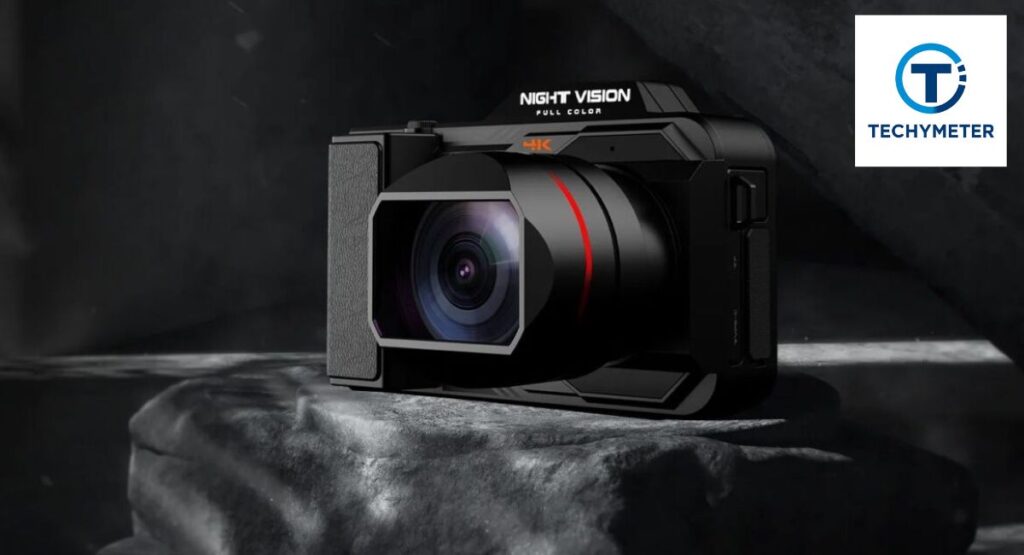
Most intruders avoid properties with clearly visible surveillance systems. Crime deterrence significantly increases when your camera captures fine detail during nighttime attempts. Strong illumination and precise infrared sensor accuracy provide you with valuable evidence that assists during investigations.
With reliable nighttime identification, law enforcement can respond swiftly because the footage includes movement patterns, body outlines, and facial detail. This clarity supports faster apprehension and improves your overall security response. The presence of enhanced crime prevention technology discourages repeat offenders and heightens property safety.
Cost-Saving Advantages of Modern Night Vision Cameras
New surveillance innovations reduce energy consumption, especially with modern, energy-efficient security cameras that use low-power LEDs and smart motion detection. You save on utility costs while still maintaining continuous monitoring. These features give you strong nighttime detail without heavy energy loads.
Battery-powered and solar-enabled devices reduce installation costs by eliminating the need for complex wiring. Combined with fewer theft incidents, the long-term savings become substantial. These budget-friendly security solutions bring excellent value for homeowners who want reliable surveillance without high monthly costs.
Factors to Consider When Buying a Night Vision Camera
When selecting a night vision camera, evaluate your required viewing distance, field of view, and lighting conditions. Determining the right detection range ensures clarity across your property. Choosing a camera with strong low-light clarity and optimized infrared output gives you dependable night footage.
You should also consider connectivity features, storage options, and smart home compatibility. A device that integrates smoothly with your existing ecosystem prevents technical issues and enhances reliability. Prioritizing secure cloud backup, wireless integration, and mobile access helps build a complete security setup.
Resolution and Image Quality in Night Vision Video
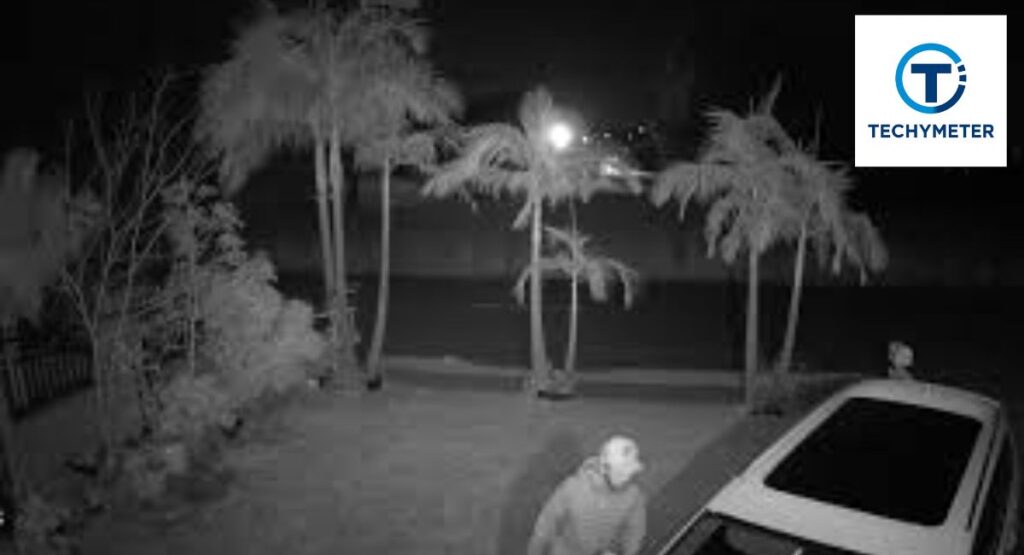
Higher resolution brings sharper nighttime identification and stronger facial recognition accuracy. A 1080p HD surveillance camera works well for smaller zones, while 2K outdoor cameras or 4K night vision cameras capture extensive detail in larger spaces. These formats support cleaner evidence collection.
Sharper images allow you to distinguish objects, license plates, and movement in low-light scenarios. Modern processors improve noise reduction and dynamic contrast, delivering high-definition night footage that remains clear even in challenging environments. This quality is essential for effective monitoring and documentation.
IR Range, Field of View, and Coverage Distance
A longer infrared range enables your camera to see farther into darkness without losing detail. Your field of view determines how wide an area becomes visible, helping you reduce blind spots. Wide-angle lenses provide broader coverage using fewer devices, improving your surveillance efficiency.
Coverage distance plays a crucial role in protecting large yards, warehouses, or commercial properties. Longer-range IR and wide FOV work together to enhance night-time visibility and maintain strong detection accuracy. These features ensure reliable monitoring across expansive areas.
Weather Resistance and Durability Requirements
A strong weather-resistance rating like IP66 or IP67 protects your camera from rain, dust, and severe environmental changes. Durable housings prevent internal damage and maintain outdoor camera performance even in unpredictable climates. These models withstand everything from heavy winds to scorching summers.
Durability ensures your system operates without interruption through storms, snow, and extreme temperatures. Choosing rugged, all-weather surveillance equipment reinforces long-term reliability. You benefit from year-round security and constant monitoring that doesn’t fail when conditions worsen.
Power Sources for Night Vision Cameras: Wired, Battery, Solar
Different power sources offer flexibility depending on your home layout. Wired cameras provide nonstop operation without worrying about charging. Battery-powered units offer placement freedom, making them ideal for renters or areas without electrical access. These wire-free cameras optimize convenience.
Solar-powered systems reduce maintenance and cut electricity expenses. They collect sunlight during the day and operate continuously at night. Pairing solar panels with long-lasting batteries ensures smooth monitoring during outages. The right power choice depends on your environment and installation goals.
Smart Features That Enhance Night Vision Performance
Smart features dramatically expand your surveillance capability. Motion-activated alerts notify you instantly when activity occurs. Two-way audio lets you communicate with visitors or warn potential intruders. Cloud-based video storage automatically secures your data, helping you preserve essential security footage.
When combined with wireless connectivity, these innovations build a powerful smart home protection system. You receive live video, AI-filtered alerts, and remote surveillance access from any location. These enhancements ensure your night vision setup responds quickly to threats while remaining easy to manage.
Top-Rated Night Vision Cameras for 2025
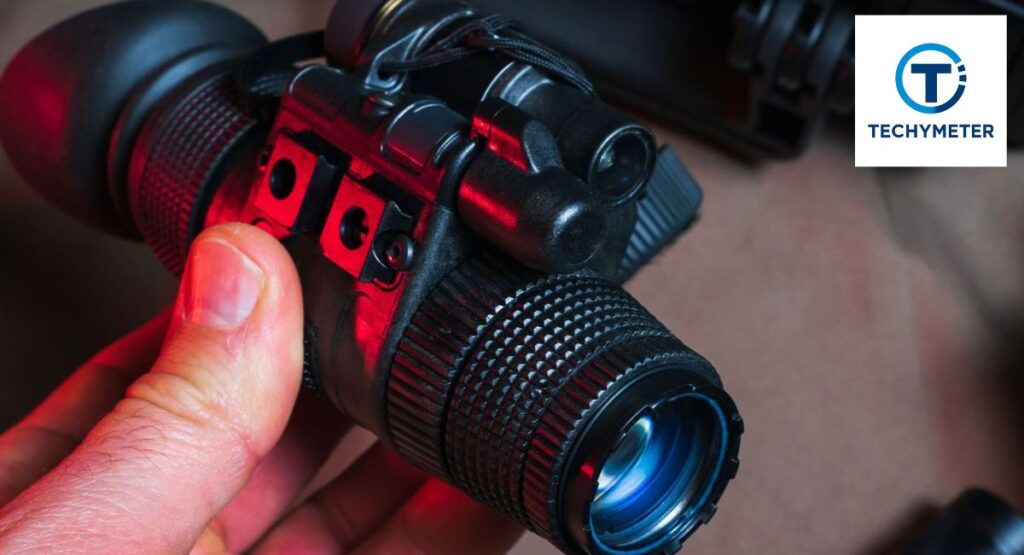
Top-rated 2025 models introduce improved processors, advanced infrared LEDs, and extended IR distances. They deliver sharper images through enhanced noise reduction and better low-light performance. These cameras also include enhanced AI detection to minimize false alarms.
Modern designs incorporate weatherproof exteriors, wide-angle lenses, and powerful night illumination. They support real-time mobile access, clean night-time identification, and automated threat detection. These upgrades make 2025 cameras exceptionally reliable for rural, urban, and low-light environments.
How Night Vision Cameras Improve Safety During Load Shedding
Homes and workplaces stay protected during load shedding when using battery or solar-powered cameras. These devices operate in total darkness without relying on external lighting. Their infrared capability captures movement even when the neighborhood is pitch-black.
This provides families and businesses with continuous peace of mind during unpredictable outages. Because the system stays active, you never lose surveillance. This backup security protection keeps monitoring uninterrupted and maintains full visibility throughout power failures.
Real-World Applications of Night Vision in Daily Security
In the United States, night vision cameras are used in homes, businesses, garages, farms, and storage facilities. They help maintain a strong outdoor perimeter protection and prevent unauthorized entry. Their low-light surveillance works reliably across varied environments.
In daily life, these systems strengthen parking lot monitoring, office visibility, warehouse oversight, and indoor supervision. They provide high-quality footage that assists in dispute resolution, inventory protection, and 24-hour monitoring for both residential and commercial areas.
Why Night Vision Remains a Critical Part of Modern Surveillance
Night vision remains essential because threats don’t pause when the sun sets. Infrared LEDs, starlight sensors, and advanced processors work together to maintain strong night-time clarity. These technologies ensure round-the-clock security for homes and businesses.
Year after year, night vision continues advancing with deeper coverage, more efficient illumination, and enhanced detail capture. This evolution makes it a critical part of modern surveillance. Its all-night visibility strengthens your security posture and delivers long-term protection.
Conclusion
Night vision has become a core feature in today’s surveillance cameras because it keeps you protected long after the sun goes down. With stronger infrared illumination, sharper detail, and smarter alerts, you gain dependable security for your home, office, or outdoor areas. As threats grow more advanced, night vision continues to evolve, offering clearer night-time identification and better property monitoring without requiring extra lighting. Whether you want peace of mind, crime prevention, or 24/7 visibility, modern night vision cameras deliver reliable performance in every environment.
FAQs
1. Do night vision cameras work in total darkness?
Yes. Cameras with infrared LEDs provide infrared illumination that lights the scene even when there is zero natural light.
2. Are night vision cameras good for outdoor spaces?
Absolutely. Outdoor models with IP66/IP67 weatherproof rating resist rain and support long-distance visibility.
3. Does resolution matter for night vision?
Yes. A 4K night vision camera or 2K outdoor camera offers sharper nighttime details than 1080p units.
4. Can night vision cameras detect heat?
Thermal units read heat signature detection, making them useful for total darkness or fog.
5. Do night vision cameras support smart home systems?
Many include wireless connectivity, app alerts, and cloud video backup for integrated security.
6. What is the purpose of the night vision camera?
Night vision cameras capture clear security footage in darkness, allowing you to monitor homes, businesses, and outdoor areas effectively. They enhance property monitoring and support crime deterrence even in low-light conditions.
7. Are most cameras night vision?
Not all cameras have night vision. Only surveillance and security cameras designed with infrared LEDs or starlight sensors can record in the dark.
8. What is the point of night vision?
Night vision allows visibility in darkness, improving intrusion detection and enabling continuous 24/7 surveillance monitoring. It ensures safety when natural light is unavailable.
9. What are the disadvantages of night vision?
Night vision cameras can have limited range, reduced color accuracy, and may be affected by extreme weather. They also rely on infrared illumination, which can reveal their position.
10. AI night vision camera
AI night vision cameras use smart algorithms to detect motion, identify faces, and reduce false alarms, enhancing real-time mobile alerts and property monitoring.
11. Science behind night vision goggles
Night vision goggles amplify available light or detect heat signatures, using infrared sensors and image processing to create visible images in darkness.
12. Basics of night vision
Night vision works by amplifying ambient light or using infrared illumination to capture clear images in low-light conditions. It relies on night vision sensors for detection.
13. Eufy infrared night vision
Eufy infrared night vision cameras use infrared LEDs to deliver clear images in pitch-dark conditions and support wireless night vision setup for home security.
14. How analog night vision works
Analog night vision cameras capture images via infrared light and convert them to visible footage, often in monochrome, for simple low-light surveillance.
15. Full security camera system
A full security camera system combines indoor, outdoor, wired, and wireless cameras with storage, alerts, and monitoring to ensure complete home and commercial surveillance.
Read More
BT Camera — Complete Guide, Features, Setup & Review
The Ultimate Guide to Choosing a Camera Strap Retro Style
A Complete Companion: Can You Use a Solar Bowl for a Camera to Charge a Battery?
Complete Guide to Body-Worn & Hidden Spy Cameras
 Ahmedd12