 By Ahmed11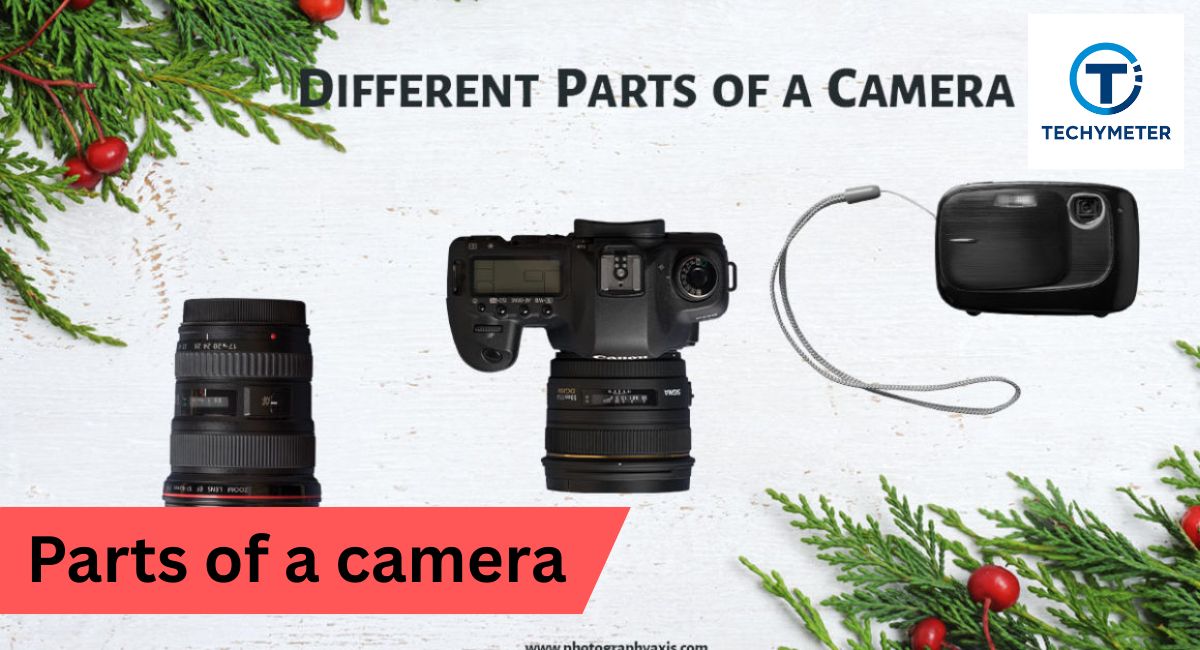
Understanding camera anatomy is like learning the alphabet before writing a story. Every image you take is shaped by small but powerful camera components working together. When you know the parts of a camera, you stop guessing and start controlling light, focus, and detail with confidence.

This guide explains camera anatomy in simple language. You will learn how camera parts and functions connect, why some internal camera parts matter more than others, and how external camera parts help you shoot better photos. Whether you use digital camera parts, DSLR camera parts, or mirrorless camera parts, the logic stays the same.
“Explore all essential parts of a camera and learn how each component works to capture stunning photos. Master camera anatomy like a pro today!”
In this article, we discuss “Parts of a Camera.”
What Is a Camera and Why Camera Anatomy Matters
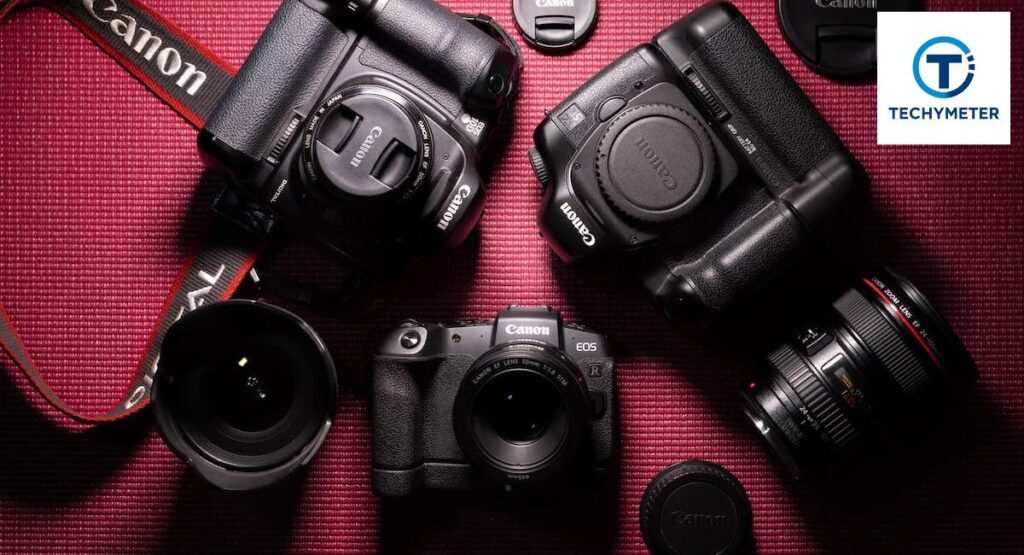
A camera is a device that uses light to create an image. At its core, camera anatomy explains how light enters, gets shaped, and becomes a photo. Understanding the basic camera parts helps you comprehend why images appear sharp, blurry, bright, or dark.
When you learn camera parts, you stop relying on auto mode. You begin to use the camera body, camera lens, and image sensor with intention. This knowledge improves image quality and saves time. It also helps you choose the right gear without wasting money.
Understand How Your Camera Works From Light to Image
Light enters through the camera lens and passes through the aperture, which controls brightness. The shutter opens briefly and allows light to hit the image sensor. This sensor records data and sends it to the image processor for conversion into a photo.
This flow explains why exposure matters. If one part fails, the image suffers. Understanding how camera components interact makes photography logical, not magical. You stop guessing and start predicting results, which is the real power of mastering camera anatomy.
Basic Understanding of Camera Anatomy
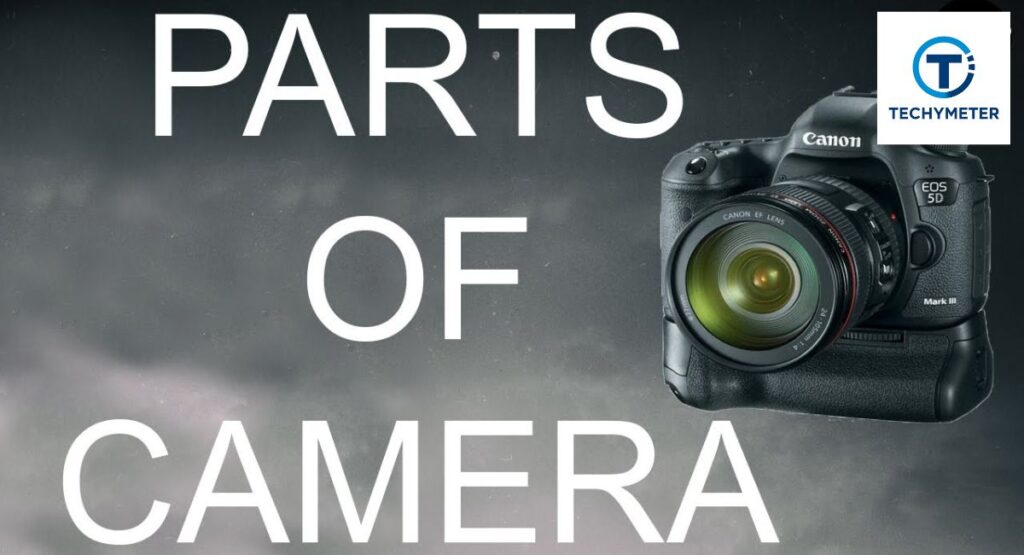
The foundation of camera anatomy includes both external camera parts and internal camera parts. The camera body parts protect delicate systems while allowing you to control settings. Inside, electronic systems translate light into data with incredible speed.
Every photographer interacts with camera lens parts, the lens mount, and the tripod mount daily. These parts may seem simple, but they stabilize, align, and support the entire imaging process. Without them, even advanced digital camera parts cannot function properly.
Camera Body
The camera body is the skeleton of the system. It houses electronics, controls, and the image processor. A strong body improves durability and handling. In modern mirrorless camera parts and DSLR camera parts, the body also manages heat and power efficiency.
Camera Lens
The camera lens directs light toward the sensor. High-quality glass improves clarity and color accuracy. Different camera lens parts affect sharpness and depth. A lens is like the eye of the camera. Poor lenses limit even the best sensors.
Lens Mount
The lens mount connects the lens to the body. It aligns optics with the image sensor precisely. Strong mounts prevent light leaks and focusing errors. Different brands use different mounts, which affects compatibility and future upgrades.
Light Control and Exposure Parts in Camera Anatomy
Light control defines how bright or dark an image appears. In camera anatomy, exposure depends on the balance between aperture, shutter, and ISO control. These camera components work together like a faucet, valve, and timer. Change one, and the entire image response changes.
Understanding these camera parts and functions helps you avoid washed highlights and muddy shadows. Every modern system, including digital camera parts, relies on precise exposure control. When exposure is correct, colors stay natural, and details remain sharp even in difficult lighting.
| Exposure Element | Role in Image |
| Aperture | Controls light volume |
| Shutter | Controls exposure time |
| ISO Control | Controls sensor sensitivity |
Aperture
The camera lens’s aperture is movable. It controls how much light enters the camera. A wide aperture brightens images and blurs backgrounds. A narrow aperture darkens images and sharpens details across the frame.
Shutter
The shutter is a moving curtain that opens and closes. It controls how long light reaches the image sensor. Fast speeds freeze motion. Slow speeds capture movement. Shutter timing affects clarity more than most beginners expect.
ISO Control
ISO control adjusts sensor sensitivity. Higher ISO brightens images in low light but adds noise. Lower ISO keeps images clean but needs more light. This balance is critical in understanding real-world camera anatomy.
Image Formation and Viewing System Inside a Camera
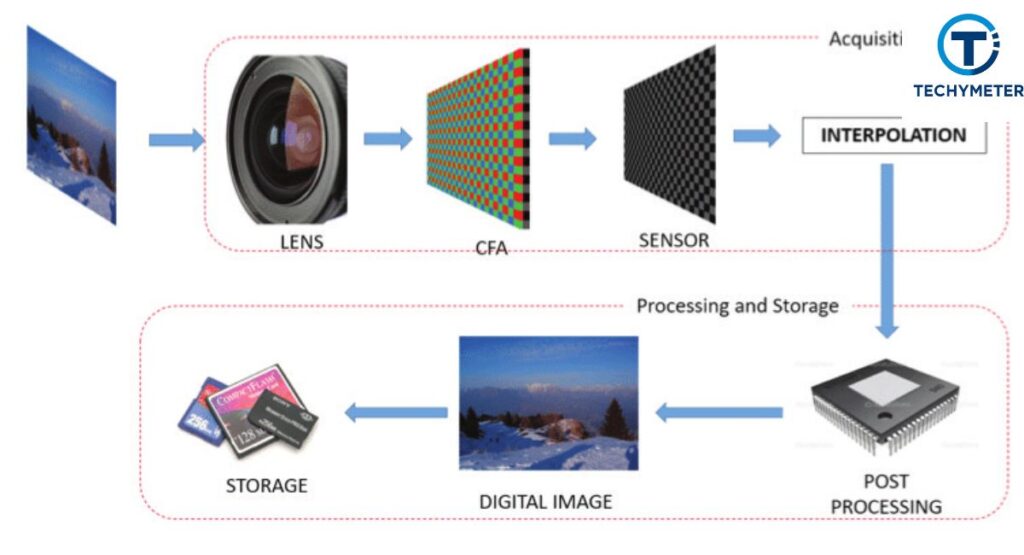
This system explains how light becomes a visible image. Light hits the image sensor, then travels through mirrors or electronic paths to the viewfinder. These internal camera parts determine accuracy, brightness, and viewing comfort.
Different systems use different designs. DSLR camera parts rely on mirrors and prisms. Mirrorless camera parts use digital previews. Both aim to show you the final image before you press the shutter release button.
Image Sensor
The image sensor is the heart of camera anatomy. It converts light into digital data. Larger sensors capture more detail and better color. Sensor size directly affects image quality and depth perception.
Mirror (DSLR Cameras)
In DSLR camera parts, the mirror reflects light upward. This lets you see through the optical viewfinder. When the shutter fires, the mirror flips up briefly, allowing light to reach the sensor.
Reflex and Relay Mirror
The reflex and relay mirror system directs light accurately. It ensures correct framing and focus. These camera components operate in milliseconds and must stay perfectly aligned for reliable results.
Pentaprism / Pentamirror
The pentaprism or pentamirror redirects light to your eye. It corrects image orientation. This system makes the view bright and natural, which helps photographers compose images precisely.
Viewfinder (Optical & Electronic)
The viewfinder lets you preview the scene. Optical versions show real light. The electronic viewfinder displays a digital image. Each system supports different shooting styles and lighting conditions.
Focusing and Autofocus Components of a Camera
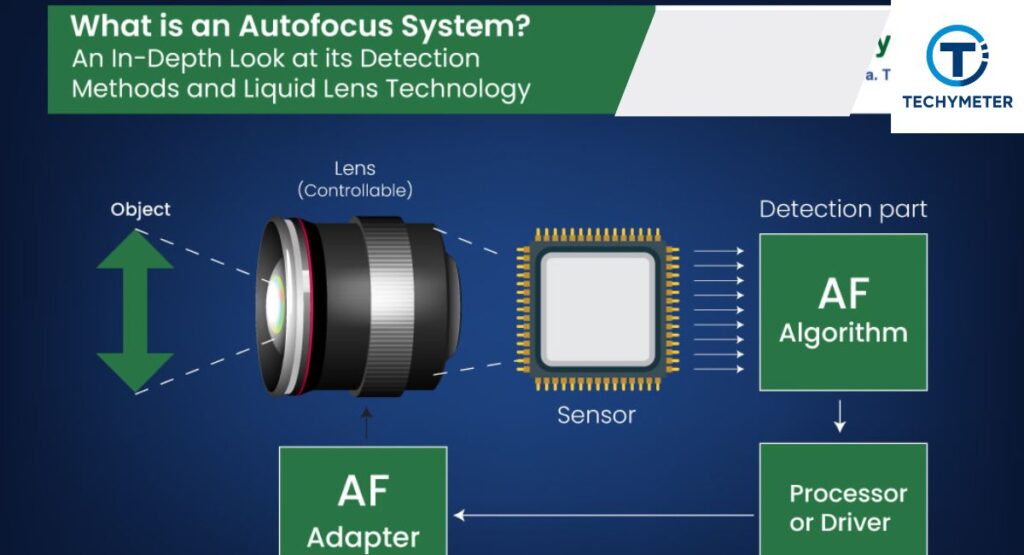
Focus systems control sharpness. Without accurate focus, even perfect exposure fails. Modern camera components use advanced tracking to lock onto faces, eyes, and movement. This evolution has transformed how photographers shoot action and portraits.
Both manual and automatic systems rely on precision optics. These camera parts ensure subjects remain clear even when moving. Focus accuracy defines professional-quality results more than most beginners realize.
Autofocus System
The autofocus system detects contrast or phase differences. It adjusts the lens instantly. Modern systems use AI for face and eye detection. This makes sharp images easier, especially in fast scenes.
Focusing Screen
The focusing screen sits above the mirror. It helps visualize focus accuracy. While often overlooked, it plays a quiet role in framing and clarity inside camera anatomy.
Condenser Lens
The condenser lens improves brightness in the viewfinder. It spreads light evenly for better viewing. This small part significantly improves usability in low-light environments.
Focus Ring (Lens)
The focus ring allows manual focus control. Turning it moves the lens elements precisely. Manual focus is preferred for video and macro work where accuracy matters more than speed.
Camera Controls and User Interface
The camera controls determine how you interact with your device. Every button, dial, and switch is part of the camera anatomy that gives you command over exposure, focus, and settings. Understanding these camera components ensures precise operation and faster shooting.
Modern cameras combine tactile buttons with digital interfaces. Learning basic camera parts like the mode dial, shutter release button, and function buttons can drastically improve your photography. Each control works together to make the camera responsive and intuitive.
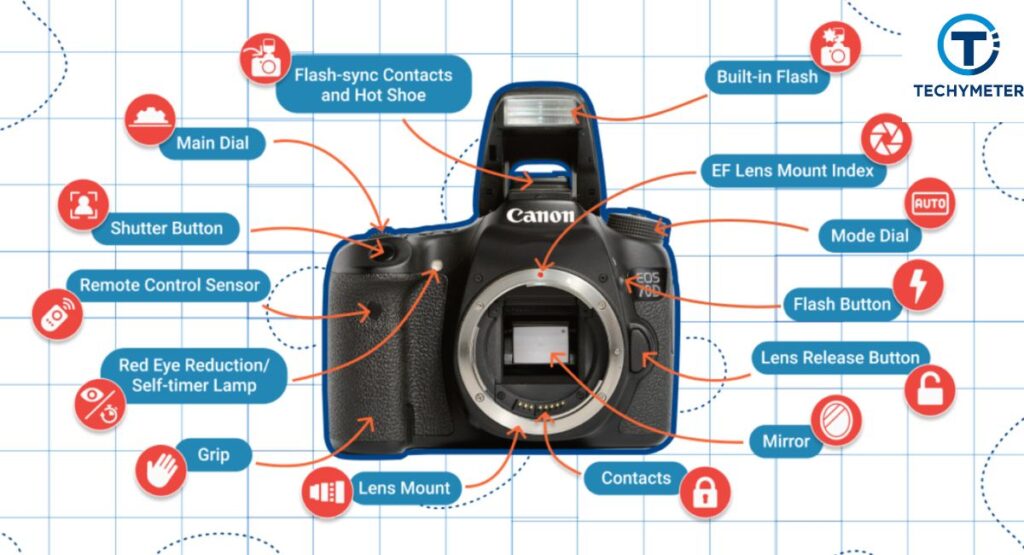
Shutter Release Button
The shutter release button triggers the shutter mechanism. Pressing it halfway engages the autofocus system, while a full press fires the shutter. This simple camera part is central to capturing every shot.
Mode Dial
The mode dial selects shooting modes such as aperture priority, shutter priority, or full manual. It allows photographers to adjust quickly to changing environments, giving control over aperture, ISO control, and shutter speed.
Main Dial
The main dial adjusts settings like shutter speed or exposure compensation. Located near your fingers for convenience, it works alongside other camera parts to offer seamless control over image quality.
Function Buttons
Function buttons can be customized for features like white balance, metering mode, or focus points. They provide quick access without diving into menus, making them vital external camera parts.
Button Interface
The button interface combines all physical controls. A well-designed interface enhances ergonomics and shooting efficiency. Professional DSLR camera parts often prioritize intuitive button layouts for better performance.
Display and Monitoring Parts
Display systems let you preview, review, and interact with images. LCD screens and electronic viewfinders are the window into your camera anatomy, giving feedback on composition, focus, and exposure. These camera components are critical for both beginners and professionals.
Modern displays often include touch capability and articulation. Understanding how each digital camera part works helps you compose shots from tricky angles and ensures accurate framing.
LCD Display
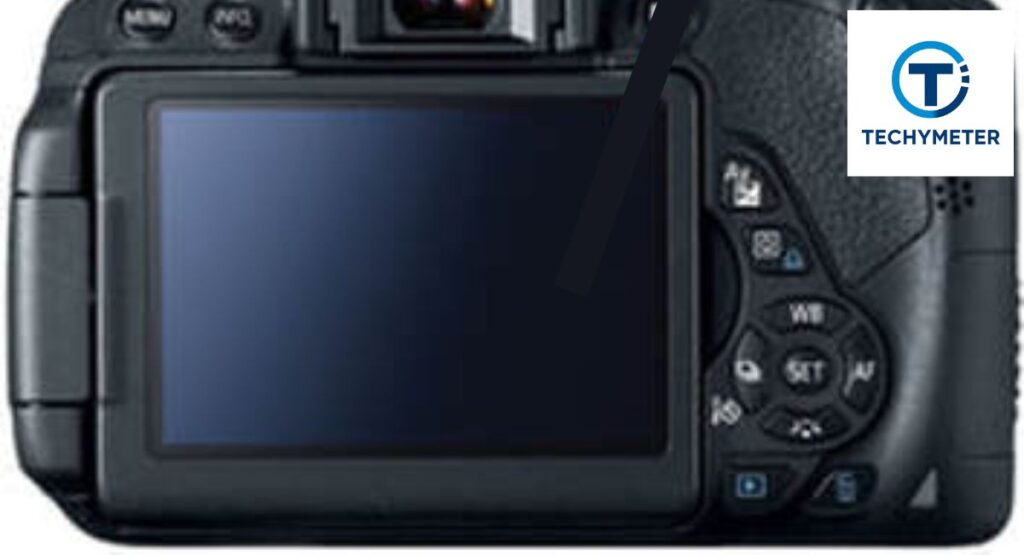
The LCD screen shows captured images and live view. Size and resolution affect clarity. High-quality screens provide accurate colors, brightness, and contrast for precise composition.
Touchscreen Interface
The touchscreen allows touch-to-focus and menu navigation. It reduces dependency on buttons, making camera operation faster. Many mirrorless camera parts rely heavily on the touch interface for functionality.
Articulating / Tilting Screen
Articulating or tilting screens let you shoot from low or high angles. This external camera part adds versatility for vlogging, macro photography, and creative compositions.
Flash and Lighting Components
Lighting control is essential in photography. Built-in flash, external flashes, and hot shoe mounts are critical camera parts and functions that ensure proper illumination. Understanding lighting components allows for professional results even in low-light conditions.
Each flash component affects exposure and color. Learning how to use internal camera parts like the flash sync contacts or red-eye reduction system can improve portrait and event photography significantly.
Built-in Flash
The built-in flash provides immediate light for dark scenes. While limited in power, it is convenient for snapshots and emergency lighting.
Flash Button
The flash button activates the built-in flash or external triggers. It controls timing and output, helping manage shadows and highlights.
Hot Shoe
The hot shoe mounts external flashes or accessories. It communicates electronically for precise flash synchronization. Professional setups often rely on this camera component.
Flash Sync Contacts
Flash sync contacts ensure synchronization between the camera and external flash units. Proper sync prevents ghosting and ensures sharp images with correct lighting.
Red-Eye Reduction System
This system emits pre-flashes to reduce red-eye in portraits. It works with built-in flash and external units to maintain natural eye tones and improve portrait quality.
Processing and Performance Units
The image processor and other internal camera parts manage how quickly your camera works. These camera components handle image processing, noise reduction, and continuous shooting. A fast processor ensures sharp images, smooth video, and responsive performance.
Modern cameras integrate advanced processing engines and buffers. Understanding these units helps you select a camera that meets your speed and quality requirements. Camera anatomy extends beyond optics; electronics play a huge role in performance.
Image Processor
The image processor converts raw data from the image sensor into photos. It reduces noise, enhances colors, and manages compression. High-end processors improve continuous shooting and video performance.
Processing Engine
The processing engine works alongside the image processor to handle calculations and algorithms. It ensures that autofocus, metering, and stabilization systems function seamlessly.
Camera Buffer
The camera buffer temporarily stores images during burst shooting. It guarantees the smooth operation of high-speed DSLR camera components in action photography and avoids lag between photos.
Electronics System
The electronics system coordinates all internal camera parts, including autofocus, exposure control, and image stabilization. A reliable system ensures accurate and fast responses in every shot.
Storage, Power, and Connectivity
Every camera needs power and storage to function properly. Memory card slots, battery compartments, and connectivity ports are vital external camera parts that keep your device operational and connected to other devices.
Choosing the right storage and battery setup ensures uninterrupted shooting. Many modern cameras also include USB, HDMI, and Wi-Fi ports, making digital camera parts highly versatile for professional and casual use.
Memory Card Slot
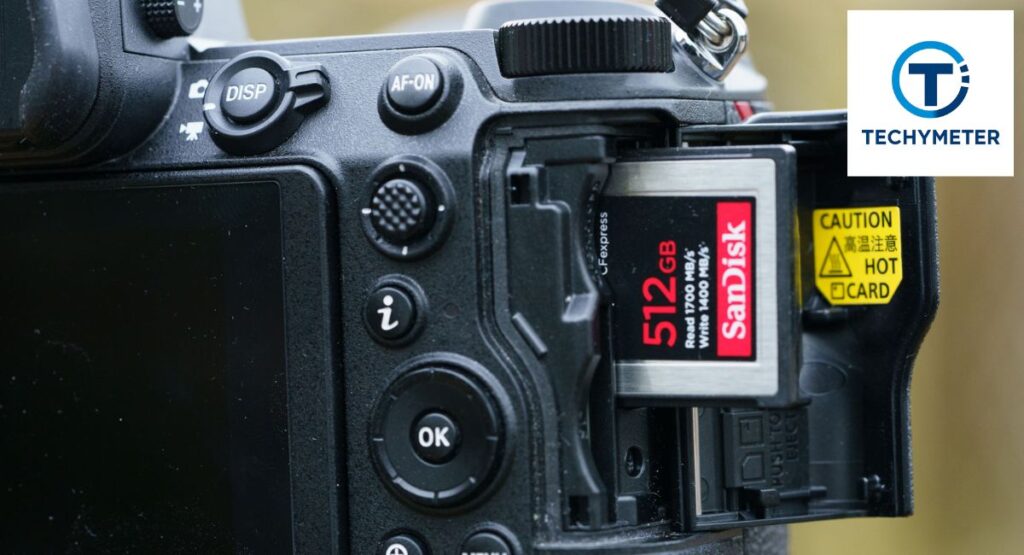
The memory card slot stores images and videos securely. It supports SD, CFexpress, or microSD cards, depending on the camera type, affecting write speed and storage capacity.
Battery
The battery powers all camera functions. Higher capacity batteries allow longer shooting sessions and reduce the need for frequent replacements.
Battery Compartment
The battery compartment houses the battery safely. Access is designed for quick changes during long shoots.
Communication Ports (USB, HDMI)
These ports allow data transfer and live streaming. Modern mirrorless camera parts often include USB-C or HDMI ports for professional workflows.
Remote Control Sensor
The remote control sensor enables wireless triggers and remote operation. It’s useful in wildlife photography, studio setups, and time-lapse shooting.
Audio, Software, and Smart Features
Audio and software integration are becoming essential in modern camera components. Microphones, sound systems, and firmware updates expand what your camera can do beyond traditional photography.
Understanding these camera parts and functions allows you to leverage video recording, sound capture, and smart features like AI autofocus, motion detection, and connectivity.
Microphone
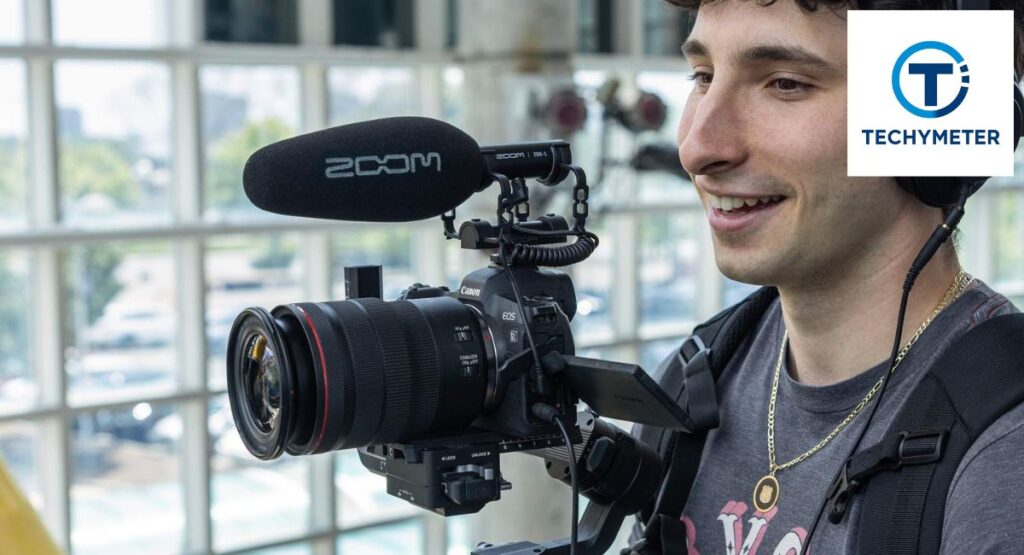
The microphone captures high-quality audio for video. Many cameras include stereo microphones or support external mics via a port.
Sound Recording System
The sound recording system synchronizes audio with video. Professional digital camera parts ensure minimal delay and high fidelity.
Camera Firmware
Camera firmware is the software that controls all camera operations. Updates can introduce new features, correct errors, and enhance performance.
Software & Programming System
Modern cameras include software for AI autofocus, scene detection, and post-processing. This camera component enhances overall usability and creative options.
Special Camera Technologies
Modern cameras include advanced technologies that enhance stability, exposure, and usability. Stabilization systems, metering sensors, and thermal components improve image quality and allow cameras to adapt to challenging conditions. These internal camera parts are critical for professional-level photography.
Understanding special technologies in camera anatomy helps you choose the right device for action, low-light, or specialized photography. Motion detection and AI integration make cameras more intelligent and versatile.
Stabilization System
The stabilization system reduces blur caused by shaky hands. Optical or sensor-based stabilization ensures crisp images even in low light or slow shutter speeds.
Metering Sensor
The metering sensor measures light intensity to determine proper exposure. It works with the aperture, shutter, and ISO control for accurate results in varied lighting.
Thermal Camera Components
Thermal components detect heat instead of visible light. These special camera components are used in security, wildlife monitoring, and industrial inspections.
Motion Detection System
The motion detection system triggers alerts or captures images automatically when movement is detected. It’s essential in security cameras and AI-enabled photography setups.
Camera Types and Component Differences
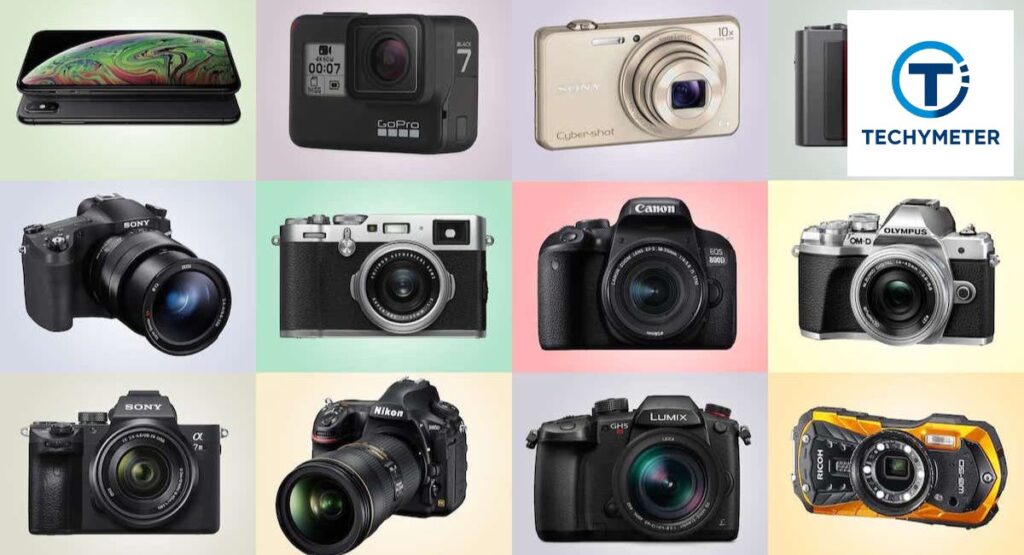
Different cameras have distinct camera parts and functions. Understanding the anatomy of DSLR camera parts, mirrorless cameras, and smartphone cameras helps you choose the best camera for your needs.
Each type offers unique advantages in image quality, portability, and versatility. Comparing basic camera parts across models ensures you understand performance and usability.
DSLR Camera Parts
DSLR camera parts include mirrors, pentaprisms, and optical viewfinders. These cameras are bulky but offer excellent image quality and lens versatility.
Mirrorless Camera Parts
Mirrorless camera parts eliminate the mirror system, making cameras smaller and lighter. They rely on electronic viewfinders and offer fast autofocus and video performance.
Film Camera Components
Film camera components are mechanical, using physical rolls of film instead of digital sensors. They include shutters, winding systems, and optical viewfinders.
Smartphone Camera Parts
Smartphone camera components typically include image sensors, lenses, and software. They rely heavily on camera firmware and AI for exposure, focus, and image enhancement.
Camera Accessories and Expansion Parts
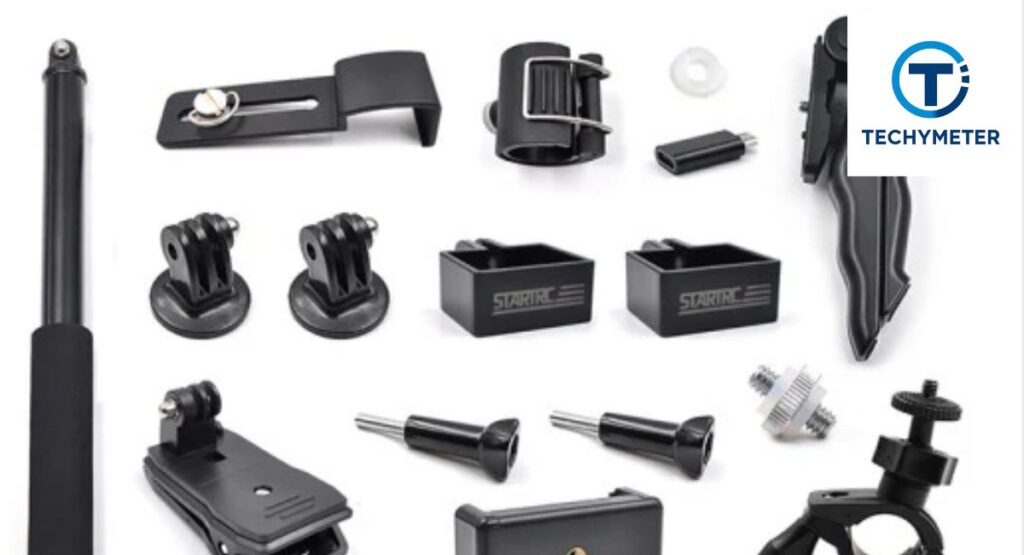
Accessories expand a camera’s functionality. External flashes, microphones, and lens filters enhance image quality and usability. These external camera parts allow photographers to adapt to different shooting scenarios.
Knowing which accessories work with your camera anatomy improves efficiency and creative options. Professional setups rely on a mix of built-in features and add-ons for optimal results.
External Flash
The external flash attaches to the hot shoe and provides additional light. It’s ideal for portrait, indoor, or low-light photography.
External Microphone
For video recordings, an external microphone enhances audio quality. Many cameras support 3.5mm or USB-C inputs for professional sound capture.
Remote Shutter Release
The remote shutter release triggers the camera without physically touching it. It prevents shake during long exposures or studio shoots.
Lens Filters
Lens filters attach to the camera lens parts to enhance colors, reduce glare, or protect the lens. They expand creative possibilities for photographers.
What Kind of Programming Goes into a Camera?
Modern cameras rely heavily on camera firmware and software to control all digital camera parts. Programming manages autofocus, exposure, image processing, and connectivity. This software ensures that each internal camera part works together seamlessly, from the image sensor to the image processor.
Programming also enables smart features like face detection, scene recognition, and stabilization control. Without camera firmware, even high-end cameras would function poorly, as software ties together hardware and user commands.
Does the Camera Sensor’s Size Impact Image Quality?
The image sensor size directly impacts photo quality. Larger sensors capture more light, reduce noise, and provide better depth of field. Professional DSLR camera parts often include full-frame sensors, while mirrorless cameras may offer APS-C or Micro Four-Thirds sensors.
Smaller sensors, like those in smartphone camera parts, are limited in low-light performance. However, software and AI can partially compensate, demonstrating how camera components and camera firmware work together for quality imaging.
What Are Some Ways Cameras Are Used in Technology and Computing?
Cameras are essential in technology beyond photography. Internal camera parts like image sensors and lens mounts are used in robotics, AI vision systems, drones, and industrial inspection. They also play a key role in virtual reality and augmented reality devices.
For example, motion detection cameras monitor environments for security, while AI-powered cameras analyze traffic flow or medical imaging. These applications highlight how camera anatomy extends far beyond traditional photography.
Is It Possible to Use a Camera for Coding and Programming?
Yes, cameras can be integrated into programming environments. Digital camera parts such as image sensors and autofocus systems provide real-time data for coding projects. Developers use cameras for AI experiments, computer vision, and motion tracking applications.
Software libraries like OpenCV interact with camera firmware, enabling automated detection, image analysis, and machine learning tasks. In essence, a camera becomes a sensor-driven computing device when combined with programming.
Would a Camera Be Considered a Computer?
Modern cameras are essentially specialized computers. They include image processors, memory card slots, batteries, and camera firmware. These components manage data, control optics, and process images, much like a conventional computer handles tasks.
Even smartphone camera parts integrate tightly with processing units and storage, blurring the line between cameras and computers. Every function from ISO control to stabilization relies on embedded computing power.
Can I Adjust the Aperture on My Camera?
Yes, the aperture can be adjusted on most cameras, either via the lens or camera controls like the mode dial. The aperture affects how much light reaches the image sensor, influencing exposure and depth of field.
In DSLR camera parts or mirrorless camera parts, adjusting the aperture gives photographers creative control over image brightness and background blur, enhancing overall photo quality.
Does a Camera Need Software to Function?
Every modern camera relies on camera firmware. The software controls the shutter, ISO control, autofocus system, and image processing. Without it, the internal camera parts cannot communicate, and the device cannot capture usable images.
Even basic digital cameras depend on camera firmware to manage power, storage, and output to LCD screens or external devices.
What Role Does a Camera Play in a Smartphone?
Smartphone cameras integrate image sensors, camera lens parts, and stabilization systems into compact modules. The camera firmware and AI software enhance image quality, control exposure, and provide features like night mode or portrait effects.
Smartphones combine external camera parts like lenses with software, giving users powerful imaging tools in a pocket-sized device.
How Does a Thermal Camera Work?
Thermal cameras detect heat using specialized thermal camera components instead of visible light. The image sensor captures infrared radiation, which the processor converts into visual images or color maps.
These cameras are widely used in security, industrial inspections, wildlife monitoring, and firefighting, demonstrating how camera anatomy can vary dramatically for specialized applications.
Can Cameras Detect Motion?
Yes, cameras equipped with a motion detection system sense movement in their field of view. The metering sensor and software algorithms trigger alerts or record video automatically.
This feature is crucial in security cameras, wildlife monitoring, and smart home applications, highlighting the importance of integrating camera components with camera firmware.
Can a Camera Record Sound?
Many modern cameras include built-in microphones and support external microphones. The sound recording system captures audio synchronized with video, which is processed by the image processor and stored on a memory card slot.
This makes cameras versatile tools for video production, vlogging, and multimedia projects, combining camera parts and functions for both sight and sound.
Conclusion
Understanding camera anatomy is essential for anyone who wants to master photography or use cameras in technology. By learning about camera parts, from the camera body and lens mount to the image sensor, shutter, and aperture, you gain control over both image quality and creative possibilities.
Knowledge of internal camera parts and external camera parts allows you to use your device efficiently, whether it’s a DSLR camera, a mirrorless camera, or a smartphone camera. Modern cameras are more than just tools for capturing photos.
With camera firmware, image processors, and smart software, they combine hardware and computing power, supporting motion detection, sound recording, thermal imaging, and AI applications.
Understanding camera components and their functions helps you maximize your camera’s potential and make informed choices about accessories, lenses, and settings. Whether you’re a beginner or a professional, knowing your camera parts and functions ensures better results and a deeper appreciation for the technology behind every shot.
FAQs
1. What are a camera’s primary components?
The main parts of a camera include the camera body, camera lens, image sensor, shutter, aperture, viewfinder, and LCD screen. These camera components work together to capture and display images.
2. What are the 7 elements of photography?
The 7 elements are line, shape, form, texture, color, space, and light. They help photographers create visually appealing and balanced images.
3. What are the parts and accessories of a camera?
Camera parts include the lens, shutter, aperture, ISO control, and image processor, while accessories include tripods, external flash, lens filters, and remote shutter release. Both enhance functionality and image quality.
4. What is the eyepiece called on a camera?
The eyepiece on a camera is called a viewfinder. It allows photographers to frame and focus the shot accurately.
5. What is a camera lens called?
A camera lens is generally called a camera lens, and it focuses light onto the image sensor. Lenses can be prime or zoom, depending on their flexibility.
6. What is a zoom lens called?
Another name for a zoom lens is a variable focal length lens. It allows photographers to adjust the zoom mechanism without changing the lens.
7. What are the six types of lenses?
The six types of lenses are prime, zoom, wide-angle, telephoto, macro, and fisheye. Each lens type is used for different photography styles and effects.
8. Can a camera record sound?
Yes, most modern cameras have a microphone and sound recording system to capture audio along with video. External microphones can further improve sound quality.
9. Can cameras detect motion?
Yes, cameras with a motion detection system can sense movement and trigger recording automatically. This is common in security and wildlife cameras.
10. Does the size of the camera sensor affect image quality?
Yes, larger image sensors capture more light and detail, producing better image quality and low-light performance. Smaller sensors may cause more noise in photos.
Read More
Essential Facts of Point and Shoot Film Camera You Can’t Ignore
Everything About Cellular Security Cameras: The Ultimate Surveillance Guide
Which Moultrie Trail Camera Should You Buy? Complete Comparison Guide for USA Hunters
Everything About DSLR Cameras: Types, Features, and Tips
 Ahmedd12