 By Ahmed11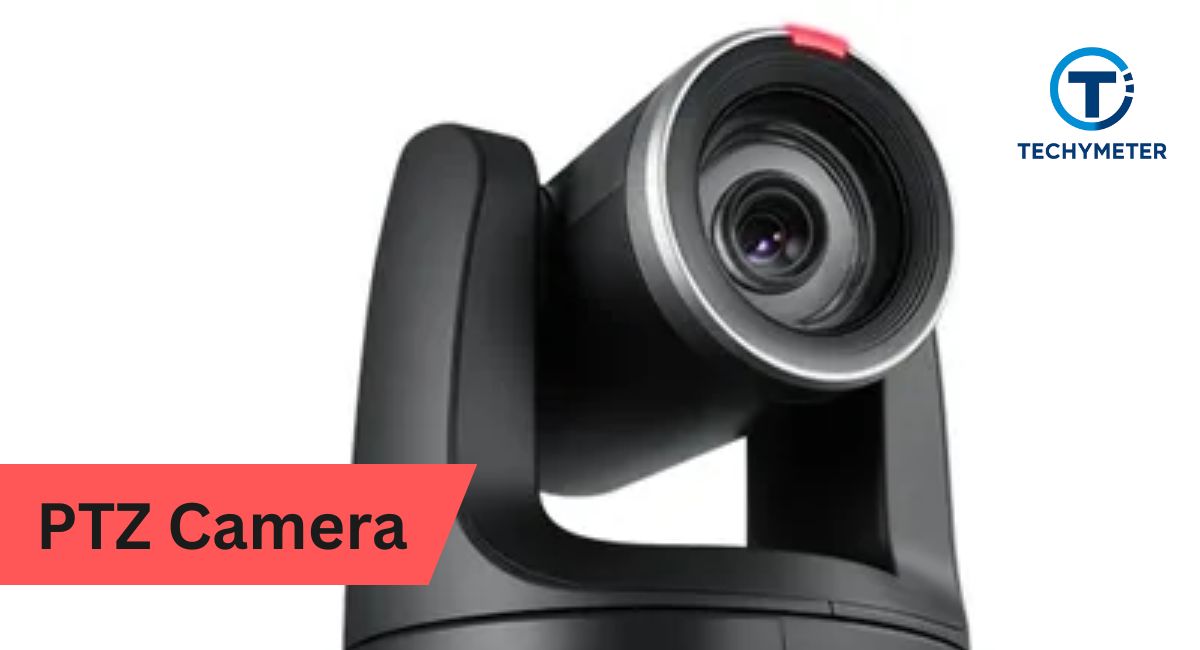
PTZ cameras have transformed modern video monitoring and production in a way few other devices have managed. Instead of relying on several fixed-angle cameras, you can now use one intelligent PTZ camera to pan across wide areas, tilt vertically to follow movement, and zoom into fine details without sacrificing image quality.
This flexibility saves installation time, reduces hardware costs, and improves operational efficiency across industries. This PTZ camera’s complete buyer & use-case guide is designed specifically for a USA-based audience seeking clarity before investing.
You will learn how PTZ cameras work, what features matter most, how pricing differs, and where these cameras perform best. Every section focuses on real-world usage so you can confidently choose the right solution.
PTZ cameras are intelligent pan-tilt-zoom systems that provide effective security, live streaming, and commercial use cases by combining high-definition video, optical zoom, AI tracking, audio, and flexible connections.
In this article, we discuss “PTZ Cameras.”
PTZ Camera Meaning, Full Form & How It Works
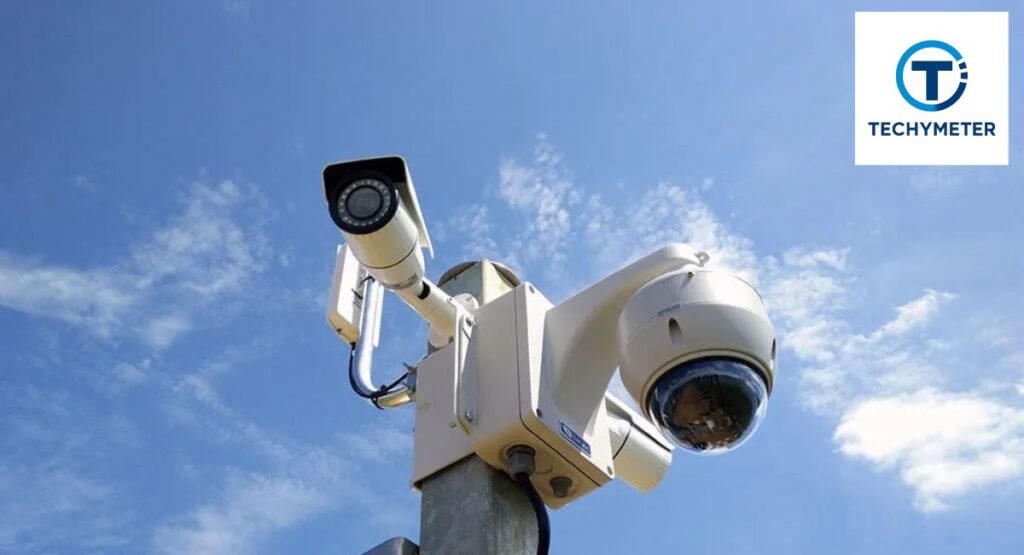
PTZ stands for Pan-Tilt-Zoom, which describes the three core movements that define a PTZ camera. Pan refers to horizontal rotation, tilt refers to vertical movement, and zoom refers to the ability to magnify distant objects optically.
Unlike digital zoom, optical zoom preserves image detail because it relies on physical lens movement rather than software enlargement. Internally, a PTZ camera uses precision motors and gears controlled by firmware.
These components respond instantly to commands sent from apps, controllers, or software interfaces. When combined with presets and automation, a PTZ camera can reposition itself in seconds, making it ideal for dynamic environments such as live events, surveillance zones, and conference rooms.
Key Features That Define a Modern PTZ Camera
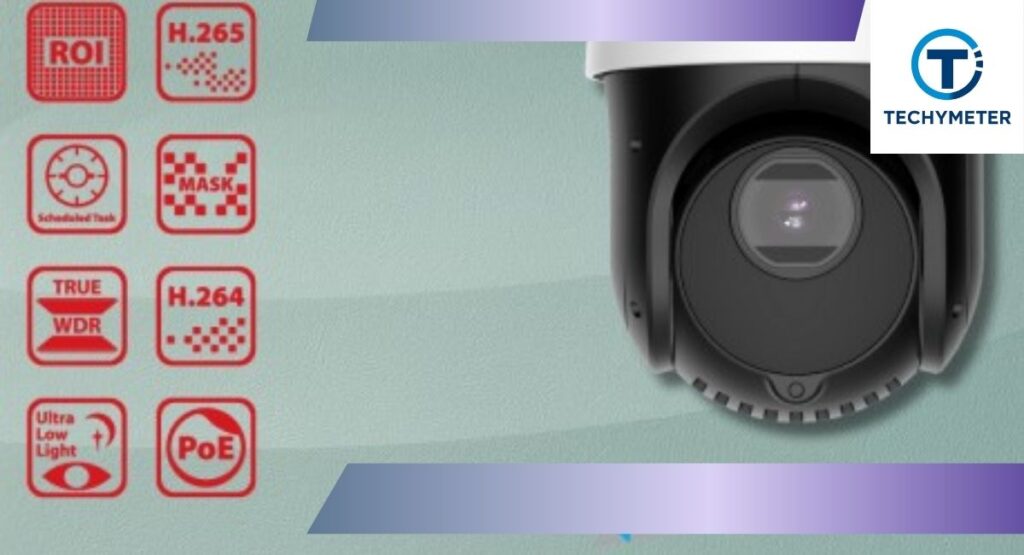
A modern PTZ camera is far more than a moving lens. Most current models offer 4K resolution, advanced night vision, integrated audio support, and intelligent auto-tracking capabilities. These features allow a single camera to replace complex multi-camera setups while maintaining professional-grade output.
Firmware updates also play a crucial role in defining long-term value. Manufacturers frequently release performance improvements, AI enhancements, and security patches. This means your PTZ camera becomes more capable over time, rather than outdated, which directly improves return on investment.
PTZ Camera Types Based on Usage Environment
Indoor PTZ cameras are optimized for controlled environments. They focus on silent motor operation, compact housings, and wide-angle lenses that suit conference rooms, studios, classrooms, and churches. These models prioritize aesthetics and smooth motion over extreme weather resistance.
Outdoor PTZ cameras, by contrast, are engineered for durability. They feature reinforced enclosures, weatherproof seals, and powerful zoom lenses capable of capturing details over long distances. Residential users often choose outdoor PTZ cameras for perimeter security, while businesses deploy them for parking lots, campuses, and city monitoring.
Optical Zoom Categories Explained
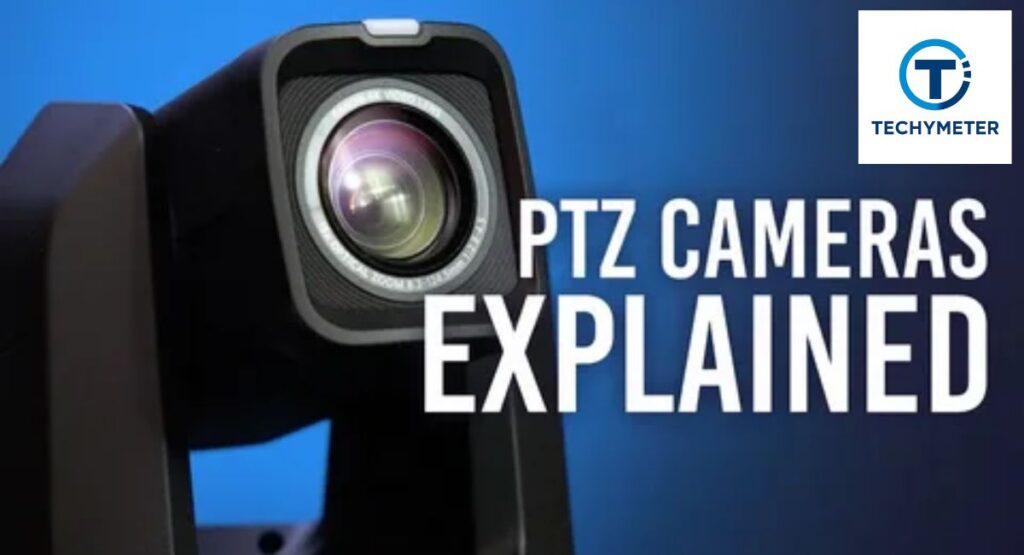
Optical zoom strength determines how versatile a PTZ camera will be in real-world scenarios. Lower zoom ranges are sufficient for small spaces, while higher zoom levels are essential for large venues and outdoor surveillance.
| Optical Zoom Range | Practical Application |
| Under 5x | Home offices, desktops, small rooms |
| 5x–12x | Meeting rooms, classrooms |
| 12x–20x | Churches, auditoriums |
| 20x–30x | Parking lots, outdoor security |
| Over 30x | Stadiums, city surveillance |
Selecting the right zoom range ensures clarity without unnecessary expense.
Connectivity & Interface Options in PTZ Cameras
Connectivity defines how flexible and scalable a PTZ camera can be. USB PTZ cameras are popular for plug-and-play setups, especially in conferencing and streaming. HDMI and SDI PTZ cameras serve broadcast environments where signal integrity matters most.
Ethernet-based IP PTZ cameras dominate professional installations because they support remote control, video streaming, and PoE power delivery. Wi-Fi PTZ cameras add convenience but may sacrifice stability in high-traffic networks.
PTZ Camera Control, Apps & Controllers
Control options directly affect usability. Most PTZ cameras include mobile apps that allow intuitive pan, tilt, and zoom through touch gestures. Desktop software adds precision and preset management, which is essential for production workflows.
For advanced control, joystick controllers provide tactile accuracy. These controllers are widely used in broadcasting and live streaming, where smooth camera motion creates a polished viewing experience.
PTZ Camera Use Cases Across Industries
The adaptability of PTZ cameras makes them valuable across many industries. In education, they capture lectures automatically. In broadcasting, they replace camera operators. In security, they monitor wide areas efficiently.
Businesses increasingly use PTZ cameras as webcam replacements because they offer superior framing, zoom control, and professional image quality. This versatility explains their rapid adoption across sectors.
PTZ Cameras for Live Streaming & Professional Video
PTZ cameras for live streaming integrate seamlessly with platforms like OBS, vMix, and YouTube Live. USB and IP outputs simplify workflows, allowing creators to focus on content rather than technical setup.
Professional video teams value silent motors, accurate presets, and high frame rates. These features allow instant angle changes that mimic multi-camera studios without the associated cost or complexity.
PTZ Camera Buying Guide – What to Consider Before Purchase
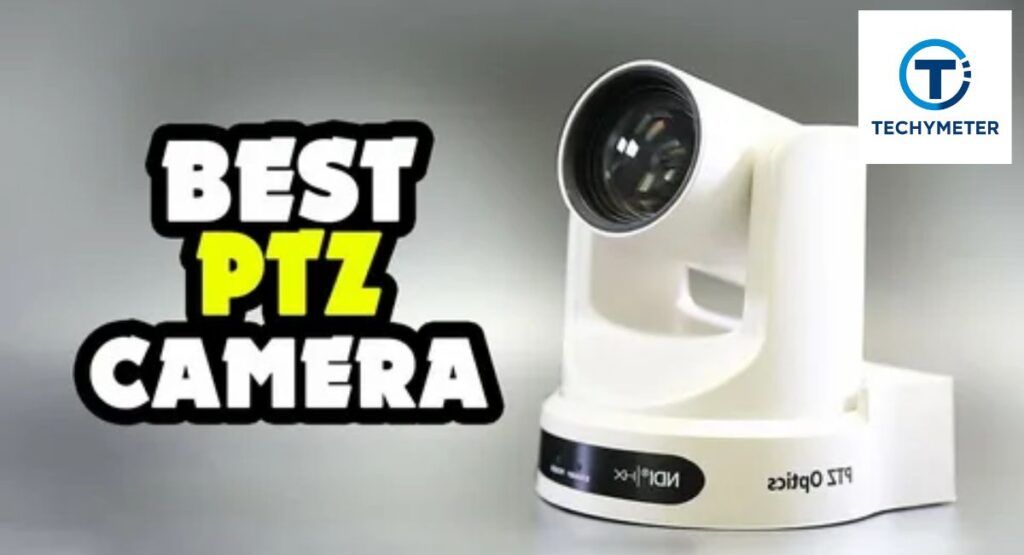
When buying a PTZ camera, sensor size determines low-light performance and color accuracy. Resolution affects clarity, while the field of view defines coverage. Optical zoom decides how flexible the camera will be.
Installation ease also matters. A camera that mounts easily and integrates with existing systems reduces setup time and long-term maintenance costs.
PTZ Camera Pricing, Deals & Value for Money
PTZ camera price varies widely based on features and build quality. Entry-level models under $800 suit home users and small offices. Mid-range options balance performance and affordability, while premium models target professional production.
New PTZ cameras offer warranties and firmware support. Used models can save money but carry a higher risk. Long-term value often favors new equipment.
Advantages, Disadvantages & Cost Effectiveness
The biggest advantage of PTZ cameras is efficiency. One camera covers multiple angles, reducing hardware and labor costs. Automation further enhances value by minimizing manual operation.
The main limitation is single-direction viewing at any moment. However, presets and AI tracking mitigate this issue, making PTZ cameras cost-effective in most scenarios.
Popular PTZ Camera Models & Market Trends
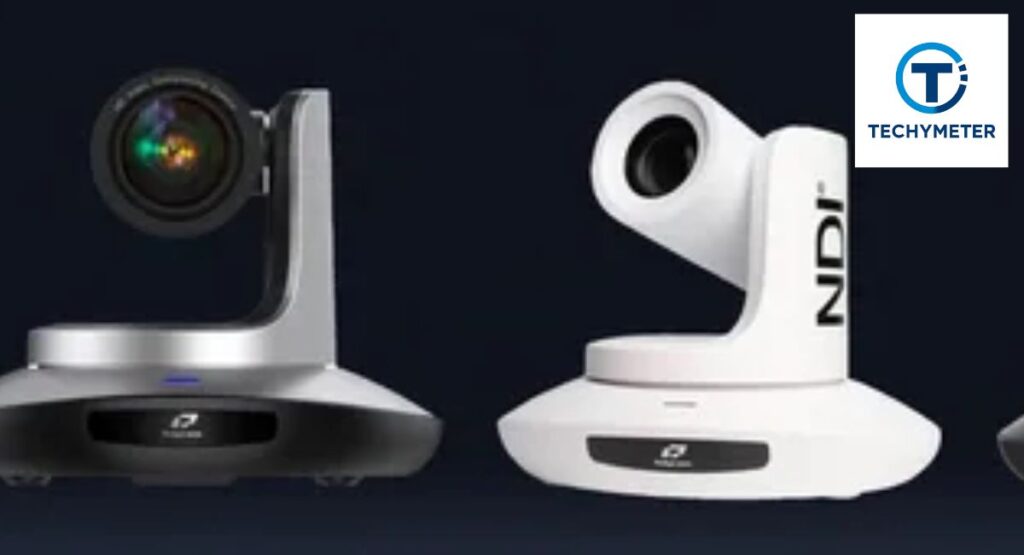
Popular PTZ camera models in the US market increasingly focus on high-definition video, integrated audio-enabled designs, and intelligent automation. Manufacturers are moving away from basic motorized cameras and instead building complete smart imaging systems.
Modern PTZ cameras now combine optical zoom, onboard microphones, and AI processors into a single compact unit. This shift reflects buyer demand for fewer devices that do more work without increasing system complexity.
Market trends clearly show strong growth in AI-based tracking, cloud integration, and remote management. Businesses now expect PTZ cameras to support firmware upgrades, analytics dashboards, and cloud-based control platforms. Future development also prioritizes energy efficiency and environmentally sustainable materials, especially for large commercial deployments seeking long-term operational savings.
PTZ Camera Installation, Setup & Mounting Options
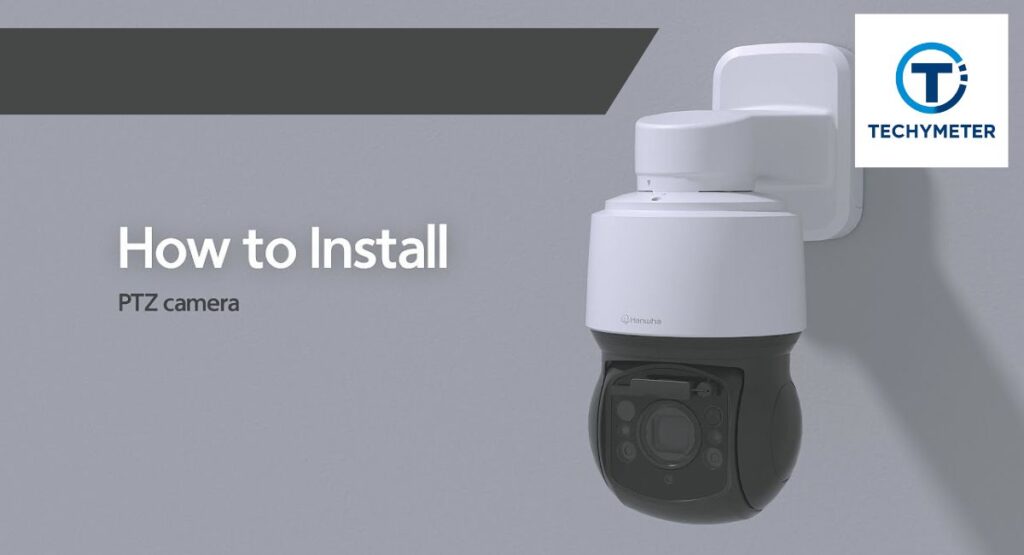
Proper PTZ camera installation plays a critical role in long-term performance and video stability. Ceiling-mounted PTZ cameras are common in conference rooms, churches, and auditoriums because they provide wide coverage without obstructing sightlines.
Wall-mounted installations are preferred for surveillance since they allow angled views of entrances, parking areas, and perimeters. Tripod-mounted PTZ cameras remain popular for events and temporary setups due to portability.
Outdoor installation requires additional planning. Cable sealing, grounding, and weatherproof housings protect the camera from moisture and temperature extremes. Correct mounting minimizes vibration, reduces motor strain, and extends the lifespan of internal components. A well-installed PTZ camera performs more reliably and requires less maintenance over time.
PTZ Camera Video Resolutions & Frame Rate Options
PTZ camera resolution directly affects image clarity and identification capability. Full HD PTZ cameras remain the most widely used because they balance quality and bandwidth efficiency.
4K PTZ cameras deliver superior detail, making them ideal for large venues, professional video production, and environments where digital cropping is required without quality loss.
However, higher resolution also demands stronger network infrastructure. Frame rate determines how smoothly motion appears during pan, tilt, and zoom movements.
Higher frame rates significantly reduce motion blur, which is critical for live sports, concerts, and active monitoring scenarios. Choosing the correct combination of resolution and frame rate ensures smooth visuals without unnecessary bandwidth strain.
Night Vision & Low-Light Performance in PTZ Cameras
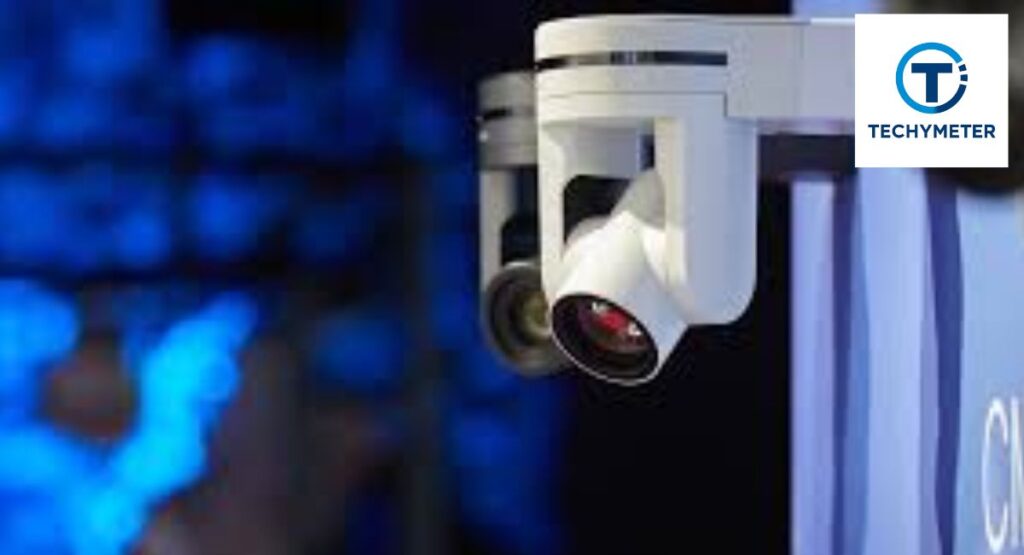
Night vision allows PTZ cameras to remain effective even in complete darkness. Most models rely on infrared LEDs to illuminate scenes invisibly, producing clear black-and-white footage.
Advanced PTZ cameras also support color night vision, which uses ambient lighting and sensitive sensors to preserve color detail, improving situational awareness in security applications.
Low-light performance depends heavily on sensor quality and image processing. Cameras with larger sensors and noise reduction algorithms deliver cleaner footage at night. This capability is essential for outdoor surveillance, overnight monitoring, and locations with inconsistent lighting conditions.
Auto-Tracking & AI-Based Smart Features
AI-driven auto-tracking is one of the most valuable innovations in modern PTZ cameras. Using facial recognition, motion detection, and object tracking, the camera automatically follows a subject without manual input. This ensures consistent framing and reduces the need for a dedicated operator.
These smart features are especially useful in lectures, conferences, worship spaces, and live broadcasts where subjects move unpredictably. AI tracking improves viewer experience while lowering operational effort, making PTZ cameras more accessible to non-technical users.
PTZ Camera Security, Privacy & Data Protection
Security is a top concern for network-connected PTZ cameras, especially in commercial and government environments. Modern cameras use encrypted video streams, secure authentication, and role-based access control to protect sensitive footage. These measures prevent unauthorized access and reduce the risk of data breaches.
Organizations often place PTZ cameras on isolated networks or VLANs to further enhance security. Regular firmware updates also address vulnerabilities. Strong cybersecurity practices ensure PTZ cameras remain safe while providing remote access convenience.
PTZ Camera for Home Security vs Commercial Surveillance
For home security, PTZ cameras emphasize ease of use, wireless connectivity, and mobile app control. Homeowners value quick installation, automated tracking, and notifications without complex configuration. These systems focus on convenience rather than large-scale management.
Commercial surveillance demands more robust features. Businesses require higher zoom power, centralized monitoring, durable construction, and long-term reliability. While both segments benefit from PTZ flexibility, commercial environments prioritize scalability and performance consistency.
Weatherproof Ratings & Outdoor Durability Explained
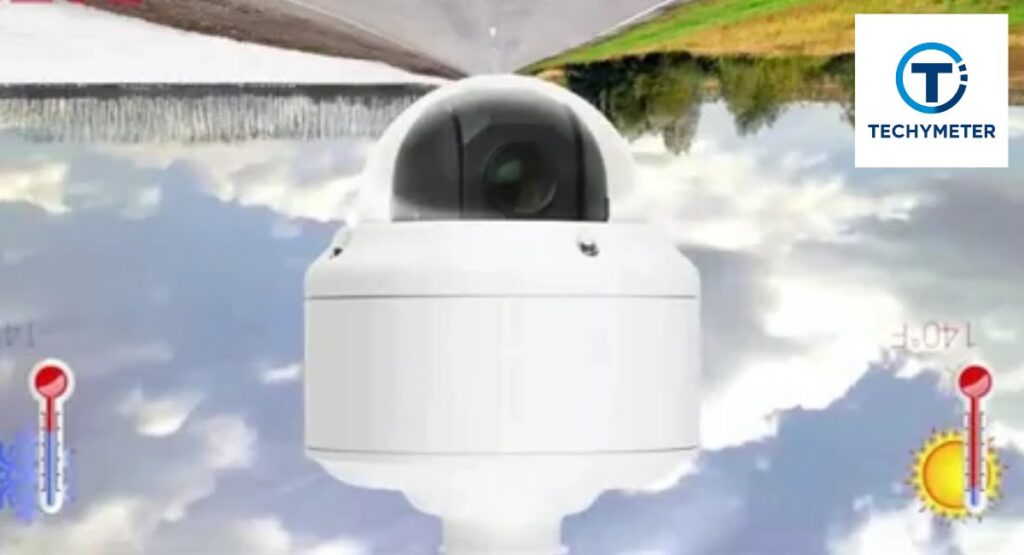
Outdoor PTZ cameras are rated using IP standards such as IP65, IP66, and IP67, which indicate resistance to dust and water. Higher ratings offer better protection against rain, snow, and environmental debris. These ratings are essential for cameras exposed to harsh conditions year-round.
Durability also depends on housing materials, internal seals, and temperature tolerance. A weatherproof PTZ camera maintains smooth motor movement and clear optics even during extreme weather, protecting long-term investment and reducing replacement costs.
PTZ Camera Field of View & Coverage Area
The field of view determines how much area a PTZ camera can see at once. Wide-angle lenses are ideal for monitoring large indoor spaces, while narrow zoom lenses capture distant details with precision. PTZ cameras combine both capabilities, offering flexible coverage through movement.
Selecting the right field of view ensures efficient monitoring without blind spots. A well-matched lens configuration improves situational awareness and reduces the need for additional cameras.
PTZ Camera Power Options & Energy Efficiency
PTZ cameras support multiple power options, including Power over Ethernet, DC adapters, and backup batteries. PoE is especially popular because it simplifies installation by delivering power and data through a single cable, reducing wiring complexity.
Energy efficiency has become increasingly important, particularly in large deployments. Modern PTZ cameras consume less power while maintaining performance, helping organizations lower operational costs and meet sustainability goals.
PTZ Camera Audio Capabilities & Two-Way Communication
Audio enhances the effectiveness of PTZ cameras. Built-in microphones capture ambient sound clearly, while line-in ports allow integration with professional microphones. Proper audio synchronization ensures speech aligns naturally with video.
Two-way audio enables real-time communication. This feature is valuable in security scenarios, remote supervision, and interactive environments where verbal engagement improves response times.
Wired vs Wireless PTZ Cameras – Which Is Better?
Wired PTZ cameras provide stable connections, lower latency, and consistent performance. They are preferred in professional environments where reliability is critical, and network congestion must be minimized.
Wireless PTZ cameras offer flexibility and faster installation, but depend heavily on signal strength. They suit homes and small offices but may struggle in bandwidth-heavy commercial settings.
PTZ Camera Compatibility With Streaming & Conferencing Platforms
Modern PTZ cameras integrate smoothly with platforms like Zoom, Microsoft Teams, OBS, and YouTube Live. This compatibility reduces setup time and eliminates the need for complex converters or capture devices.
Plug-and-play functionality allows users with minimal technical knowledge to deploy professional-quality video systems. This ease of use accelerates adoption across businesses and educational institutions.
PTZ Camera Maintenance, Firmware & Long-Term Reliability
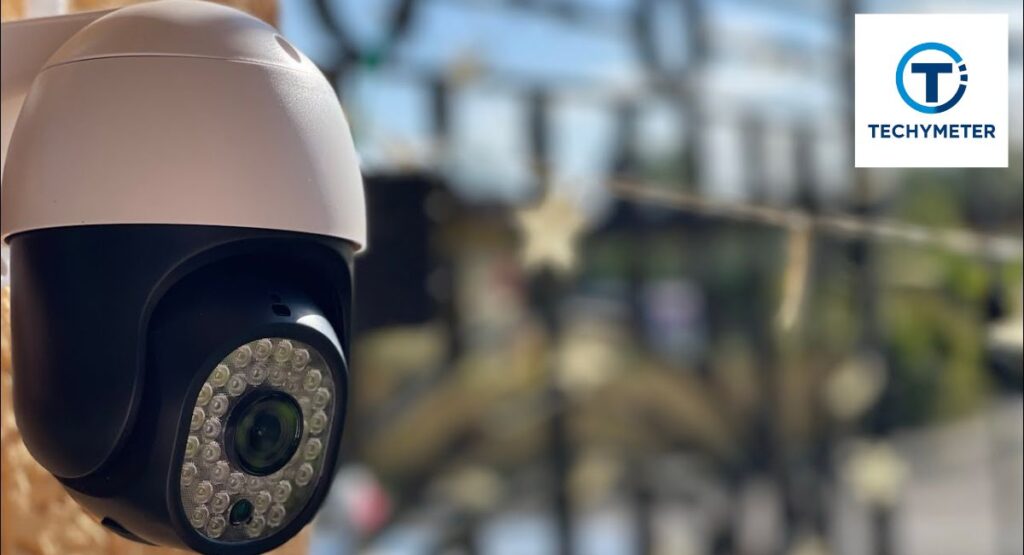
Routine maintenance ensures long-term PTZ camera performance. Cleaning lenses, checking mounts, and monitoring motor operation prevent wear-related issues. Firmware updates improve tracking accuracy, security, and compatibility.
Well-maintained PTZ cameras often operate reliably for many years. This durability makes them a strong long-term investment compared to frequently replaced fixed cameras.
PTZ Camera Accessories & Add-Ons
Accessories enhance the functionality of PTZ cameras without replacing the core system. Controllers improve precision, mounts provide flexible placement, and PoE injectors simplify power delivery.
Using official accessories ensures compatibility and reduces the risk of performance issues. Add-ons allow systems to scale as needs evolve.
Common PTZ Camera Problems & Troubleshooting Tips
Common PTZ camera problems include network lag, delayed response, and occasional control errors. These issues often stem from bandwidth limitations or outdated firmware rather than hardware failure.
Regular updates, stable network configurations, and routine monitoring resolve most problems quickly. Preventive maintenance minimizes downtime and disruption.
PTZ Cameras vs Fixed Cameras – Key Differences
Fixed cameras provide continuous coverage of a single angle. PTZ cameras, by contrast, adapt dynamically by moving and zooming as needed. This flexibility allows one PTZ camera to replace several fixed units.
When coverage, efficiency, and adaptability matter, PTZ cameras deliver greater value and reduced infrastructure complexity.
Future Trends in PTZ Camera Technology
Future PTZ camera technology will focus heavily on AI automation, cloud-based management, and sustainability. Predictive analytics will anticipate movement rather than simply reacting to it.
These innovations will further reduce manual oversight, lower operational costs, and make PTZ cameras even more intelligent and efficient over time.
Conclusion
PTZ cameras have evolved from simple motorized lenses into intelligent imaging systems that reshape how you monitor, communicate, and produce video. Throughout this guide, you have seen how a single PTZ camera can replace multiple fixed cameras by offering flexible movement, powerful optical zoom, and smart automation.
This adaptability makes PTZ cameras a practical solution for environments where activity changes constantly and wide coverage is required without sacrificing detail. From home security and commercial surveillance to live streaming, education, and broadcasting, PTZ cameras deliver consistent value across use cases.
Features such as AI-based auto-tracking, high-definition video, audio integration, and remote control allow users to achieve professional results with fewer resources. When installed correctly and maintained through regular firmware updates, PTZ cameras provide long-term reliability and a strong return on investment.
As market trends continue to move toward cloud management, smarter analytics, and energy-efficient designs, PTZ cameras are positioned to become even more essential in the coming years. Whether you are a homeowner seeking better security, a business upgrading surveillance, or a content creator aiming for higher production quality, choosing the right PTZ camera today means investing in a future-ready technology that grows with your needs.
FAQs
1. What is a PTZ camera?
A PTZ camera is a pan-tilt-zoom camera that moves horizontally, vertically, and zooms optically. It allows one camera to cover wide areas and close-up details without losing image quality.
2. Are PTZ cameras better than fixed cameras?
PTZ cameras offer more flexibility because they can move and zoom as needed. Fixed cameras work best for constant viewing, but PTZ cameras reduce the need for multiple units.
3. Can PTZ cameras be used for home security?
Yes, PTZ cameras are suitable for home security, especially for large areas. They provide remote control, auto-tracking, and wide coverage from a single device.
4. Do PTZ cameras support night vision?
Most modern PTZ cameras include infrared or low-light night vision. This allows clear monitoring even in complete darkness or poor lighting conditions.
5. Are PTZ cameras good for live streaming?
PTZ cameras are excellent for live streaming because they support smooth movement and high resolution. Many models work directly with OBS, Zoom, and YouTube Live.
6. How are PTZ cameras controlled?
PTZ cameras can be controlled using mobile apps, desktop software, or joystick controllers. A remote control allows camera movement from anywhere with network access.
7. Do PTZ cameras record audio?
Many PTZ cameras come equipped with built-in microphones or audio input ports. This allows synchronized audio and video recording for better communication and monitoring.
8. Are PTZ cameras difficult to install?
Most PTZ cameras are easy to install, especially PoE and USB models. Proper mounting and network setup ensure stable performance.
9. What affects the PTZ camera price?
The price of a PTZ camera depends on its resolution, optical zoom, AI features, and build quality. Higher-end models offer better performance and longer durability.
10. How long do PTZ cameras last?
With proper installation and regular firmware updates, PTZ cameras can last many years. Maintenance helps preserve motor performance and image quality.
11. Are PTZ cameras worth the investment?
Yes. They reduce hardware needs and improve long-term efficiency.
12. Can PTZ cameras work offline?
Yes. Local control functions without internet access.
13. Do PTZ cameras support audio?
Many models include microphones and audio inputs.
14. Are PTZ cameras difficult to use?
Most offer simple apps and presets for easy control.
15. Which PTZ camera is best for beginners?
USB PTZ cameras are ideal for first-time users.
Read More
Best Veo Camera Alternatives for Football and Soccer Clubs
Can You Fight a Red Light Ticket by Camera in Scottsdale? Complete Legal Guide
Hello Baby Camera Only: A Simple Guide for Parents
Best 35mm Camera for Beginners: Your Ultimate Guide to Timeless Film Photography
 Ahmedd12