 By Ahmedd12
Accessing traffic camera footage for free may seem complicated, but with the right steps, it’s easier than you think. Whether you want to check live traffic camera feeds, review recorded traffic camera footage, or gather evidence after an accident, knowing the legal channels can save time and hassle.
In the United States, government traffic cameras are managed by local traffic authorities and the Department of Transportation, and most cities offer public traffic cameras online. By following proper procedures, including public records requests and FOIA requests, you can safely obtain footage while respecting privacy laws and ensuring ethical use of footage.
Discover 7 ways to access traffic camera footage for free, legally, ethically, and safely.
This guide will walk you through 7 proven ways to access traffic camera footage for free, including official portals, mobile apps, crowd-sourced platforms, and alternatives if direct access isn’t available.
What Traffic Camera Footage Is and How It Works

Traffic camera footage is video captured by traffic surveillance cameras installed on streets, intersections, and highways. It records real-time conditions, accidents, and congestion, which helps authorities and citizens understand road situations. This recorded traffic camera footage can be viewed live or after the fact, depending on storage and access rights.
Most traffic monitoring systems are designed for both real-time monitoring and post-event review. Live traffic camera feeds allow immediate tracking, while archived traffic footage can support investigations or traffic studies. Knowing the difference between live and stored footage is crucial if you want to access traffic camera footage for free.
Who Owns and Manages Traffic Camera Footage
In the United States, government traffic cameras are typically owned by city or state authorities. Local traffic authorities operate these cameras, often in partnership with the Department of Transportation or law enforcement. They control access, maintenance, and storage of all video data.
Some footage is managed at the federal level for highways or national infrastructure projects. When you request traffic camera footage, the correct authority must approve your access. Government websites often provide instructions on how to submit a request legally and safely, ensuring you follow privacy laws and maintain ethical use of footage.
Types of Traffic Cameras You Can Access for Free
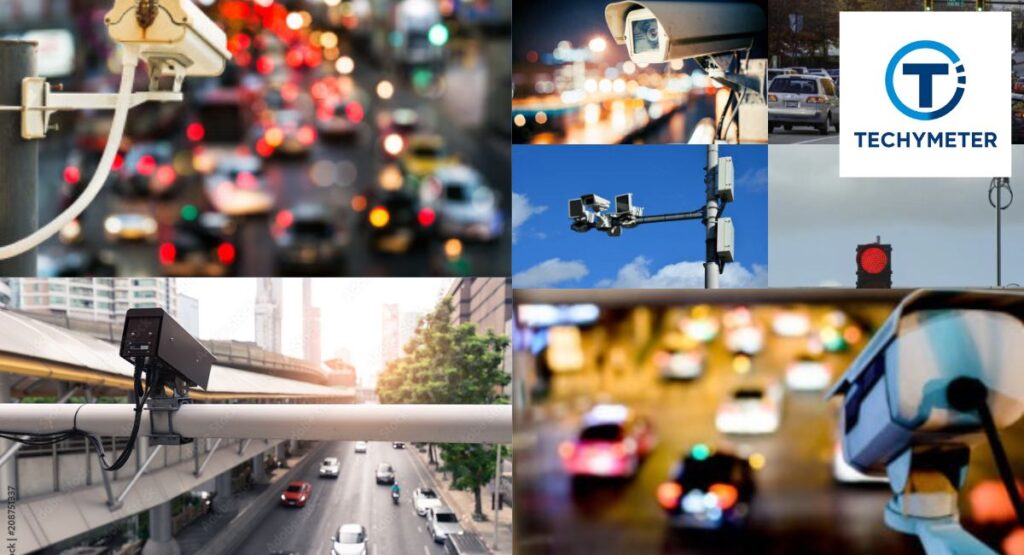
Not all cameras are publicly available. Public traffic cameras often stream traffic camera footage online without restrictions, especially in city centers or highways with heavy congestion. These cameras focus on monitoring traffic flow and informing the public.
Other types include enforcement cameras like red-light or speed cameras. These typically require a public records request or a FOIA request to access. The table shows common types of cameras and their typical access levels:
| Camera Type | Purpose | Free Access? |
| Flow Cameras | Monitor congestion | Yes, live feeds online |
| Intersection Cameras | Track accidents & traffic | Often, yes, it depends on the city |
| Red-Light Cameras | Enforce traffic laws | No, FOIA needed |
| Highway Cameras | Long-distance traffic monitoring | Yes, public portals |
How to Access Traffic Camera Footage: A Step-by-Step Guide
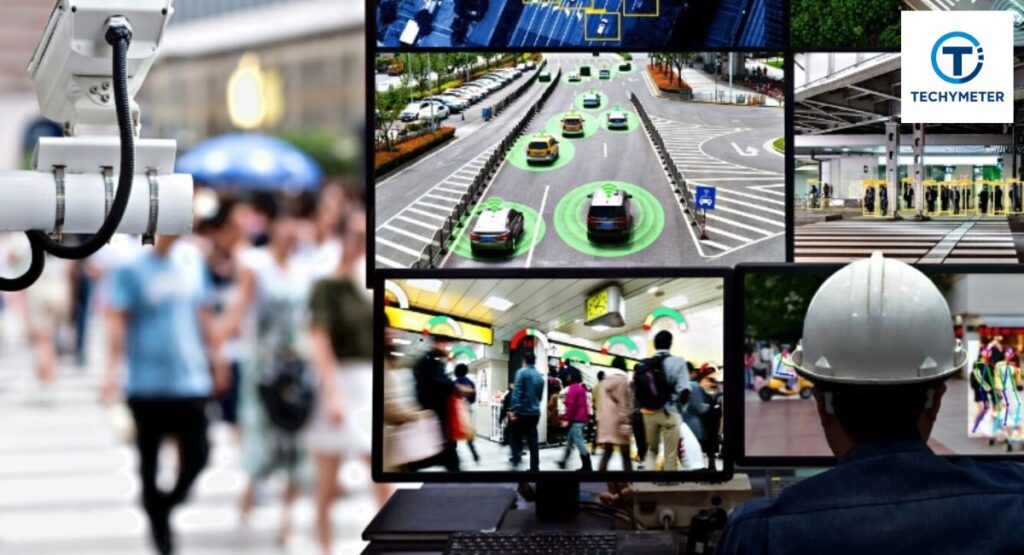
Accessing traffic camera footage is simpler if you follow official steps. First, identify which government traffic cameras cover the area of interest. Then check government websites or public webcam platforms for available live traffic camera maps.
For Government Organizations
If you represent a government entity, the process is often internal. You can submit a formal request through your department. Access is usually free, and footage retention periods are well-defined. Internal requests are often faster and come with minimal bureaucracy.
For Individuals and Non-Government Organizations
If you are a private citizen or NGO, you must request traffic camera footage through proper channels. Many municipalities require a public records request or FOIA request. Include exact dates, times, and locations to increase approval chances. Patience is necessary as processing can take several days.
Additional Considerations
Remember, some cameras are restricted for security or privacy reasons. Always check privacy laws before requesting. Use footage responsibly, maintaining ethical use of footage. Misuse can result in legal penalties or denied access.
Is It Legal to Access Traffic Camera Footage for Free
Accessing traffic camera footage is generally legal in the U.S., but only if you follow proper procedures. Government traffic cameras are managed by local traffic authorities or the Department of Transportation, and unauthorized access can be illegal.
You can gain legal access to footage by submitting a public records request or FOIA request. Always ensure your purpose aligns with law enforcement, research, or public safety. Misuse may violate privacy laws or limit your ability to access future footage.
Privacy Laws and Restrictions You Must Know
Every state has specific privacy laws regarding traffic surveillance cameras. Footage showing people or vehicles may be restricted to protect identities. Even if a camera is public, sharing or publishing the video can be illegal without proper anonymization.
Understanding footage retention periods is also important. Some recordings are automatically deleted after 14–30 days, while others are stored longer for accident investigation footage. Following the rules ensures ethical use of footage and avoids legal trouble.
Official City and State Traffic Camera Portals
Many U.S. cities provide public camera footage online through official portals. Government websites offer live traffic camera feeds and sometimes recorded traffic camera footage for public viewing.
For example, the California Department of Transportation hosts live traffic camera maps covering major highways, while New York City offers traffic monitoring apps linked to public webcam platforms. Accessing these portals is often the fastest way to get free traffic camera footage legally.
Difference Between Live Traffic Feeds and Recorded Footage
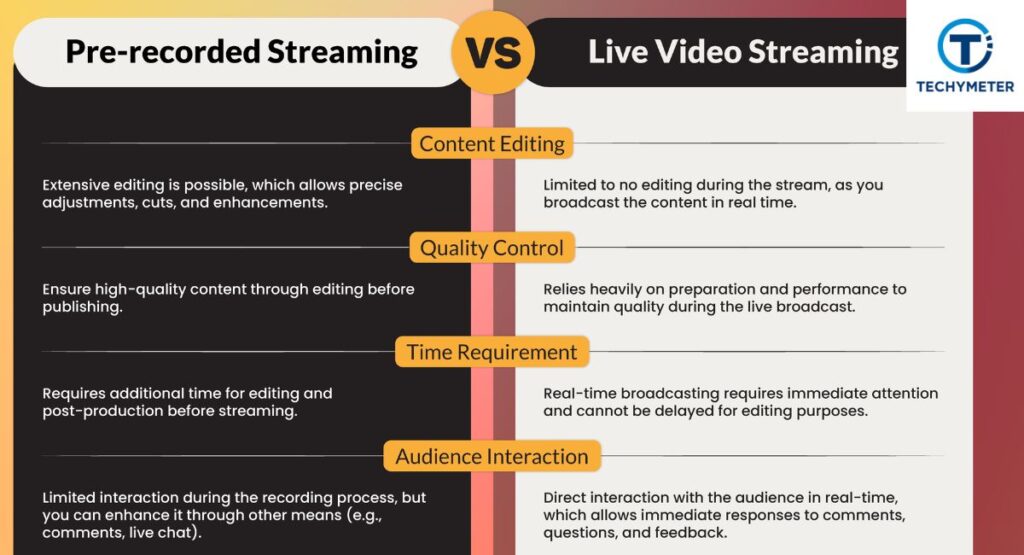
Live traffic camera feeds show current road conditions in real time. They are often available directly on government websites or through traffic-monitoring apps. This is ideal for commuters tracking congestion or planning routes.
Recorded traffic camera footage, however, is stored for later review. Access usually requires a FOIA request or submitting a formal request. The archived traffic footage is useful for traffic camera footage for accident or research purposes, but retention periods determine how far back you can go.
Using Department of Transportation (DOT) Websites for Free Access
State Department of Transportation websites are a primary source for traffic camera footage online. These portals offer live traffic camera feeds and maps showing camera locations across highways and city streets. Using official DOT resources ensures legal access to footage.
Most DOT sites provide interactive live traffic camera maps and tools to check congestion or incidents. You can also find recorded traffic camera footage for certain locations, depending on the footage retention periods. These platforms are user-friendly and reliable for free traffic camera footage.
Step-by-Step Process to File a FOIA Request for Traffic Footage
A FOIA request is a legal way to request traffic camera footage from federal or state agencies. Start by identifying the relevant government traffic cameras and the responsible local traffic authorities. Your request should include exact dates, times, and locations for the best results.
Once submitted, agencies review your public records request and may provide archived traffic footage. Processing time varies, but following the proper format increases your approval chances. Always respect privacy laws and ensure ethical use of footage.
How Long Is Traffic Camera Footage Stored Before Deletion
Understanding how long traffic camera footage is stored is crucial. Most recorded traffic camera footage is kept for 14 to 30 days, though some agencies retain archived traffic footage longer for accident investigation or safety analysis.
Footage retention periods depend on the camera type and agency policy. Enforcement cameras, like red-light cameras, may store videos longer than public cameras. Knowing these limits helps you request footage before it’s deleted.
How to Access Traffic Camera Footage for Free After a Car Accident

After an accident, traffic camera footage for the accident can provide critical evidence. Contact the relevant local traffic authorities and identify which government traffic cameras captured the incident. Submit a public records request with exact timing details to improve approval chances.
Some municipalities allow direct online access to live traffic camera feeds or recorded traffic camera footage for accidents. Always comply with privacy laws and focus on the ethical use of footage to avoid legal complications.
Which Traffic Cameras Allow Public Access and Which Do Not
Not all government traffic cameras are open to the public. Public traffic cameras mainly focus on monitoring road conditions, highways, and congestion. They provide live traffic camera feeds without registration or special permission.
In contrast, enforcement cameras, such as red-light or speed cameras, usually require a FOIA request or public records request to access archived traffic footage. Understanding which cameras are public ensures you request free traffic camera footage legally and avoid violating privacy laws.
How to Locate Traffic Cameras Near a Specific Location
Finding nearby traffic surveillance cameras starts with city or state resources. Many Department of Transportation websites include live traffic camera maps to help you locate cameras in a specific area.
You can also use traffic monitoring apps or public webcam platforms for real-time insights. Combining these resources allows you to pinpoint traffic camera footage online and know which cameras may provide recorded traffic camera footage when needed.
Using Google Maps and Traffic Tools to Find Camera Feeds
Google Maps and similar traffic tools can help locate public traffic cameras. By enabling the traffic layer, you can view real-time road conditions and live traffic camera feeds in your area.
Some apps also integrate with traffic monitoring systems to show video from nearby cameras. Using these tools is a simple way to access traffic camera footage for free without filing requests, especially for routine traffic checks or route planning.
How to View Traffic Camera Footage Live on Mobile Devices

Mobile devices make it easy to check traffic camera footage online anywhere. Many government websites and public webcam platforms offer mobile-friendly live traffic camera maps and apps.
You can watch live traffic camera feeds for highways, intersections, or city streets. Using traffic monitoring apps lets you monitor multiple locations, helping you stay informed, plan travel, and even review conditions after incidents, while staying within privacy laws and ensuring ethical use of footage.
Why Some Traffic Camera Footage Is Not Available to the Public
Not all traffic surveillance cameras provide public camera footage. Some footage is restricted due to security, privacy concerns, or law enforcement investigations. For example, government traffic cameras monitoring sensitive locations may never be released.
Even for accessible cameras, local rules may limit how much recorded traffic camera footage you can view. Understanding these restrictions helps you avoid legal issues and ensures that any access to traffic camera footage requests complies with privacy laws and ethical use of footage.
How to Improve Your Chances of Getting Free Footage Approval
Getting approval for free traffic camera footage depends on preparation. Clearly state your purpose, include specific times and locations, and reference the relevant government traffic cameras. Submitting a complete public records request or FOIA request increases success.
Follow-ups help too. Contact local traffic authorities politely and confirm your request’s status. Providing context, such as needing traffic camera footage for accident review or research, demonstrates legitimacy and aligns with legal access to footage.
Free Alternatives If Traffic Camera Footage Is Not Available
Sometimes, official traffic camera footage online may not be accessible. Free alternatives include public traffic cameras shared via local news websites, traffic monitoring apps, or public webcam platforms maintained by communities.
These sources often offer live traffic camera feeds and limited recorded traffic camera footage. While not official, they can help monitor traffic, support research, or verify conditions after incidents while respecting privacy laws and ethical use of footage.
Using Crowd-Sourced Traffic and Webcam Platforms
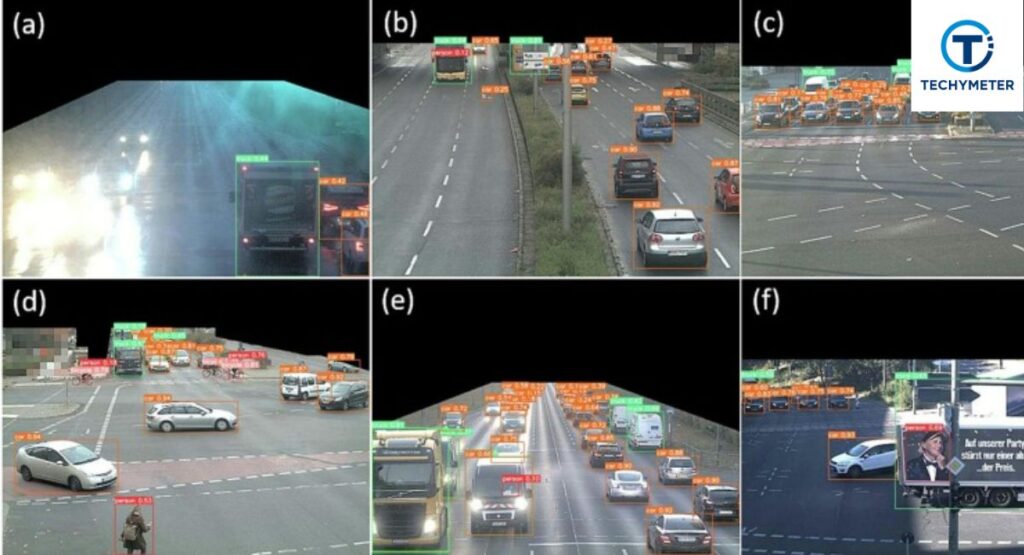
Crowd-sourced platforms provide additional access to traffic surveillance cameras. Users upload public camera footage, live feeds, or incident reports, creating a wider coverage than official sources alone.
Examples include apps and online communities where commuters share traffic camera footage online in real time. While convenient, always cross-check information and respect footage retention periods. Use this footage responsibly, following ethical use of footage guidelines.
Advantages of Publishing and Accessing Traffic Cameras via CameraFTP
Platforms like CameraFTP allow agencies and the public to publish and access public traffic cameras easily. They offer live traffic camera feeds, historical recorded traffic camera footage, and secure storage, making monitoring more convenient and reliable.
Using public webcam platforms like CameraFTP also helps cities reduce direct requests to local traffic authorities. Commuters and researchers can quickly access traffic camera footage online, while respecting privacy laws and ensuring ethical use of footage.
How to access traffic camera footage for free online

You can access traffic camera footage for free through official government websites like state or city traffic departments, which livestream road conditions for public use. Many local police or transport portals also offer real-time traffic cams, but recordings are usually limited or unavailable.
Safety, Ethical, and Responsible Use of Traffic Camera Footage
While traffic camera footage is publicly available in some cases, it is essential to use it responsibly. Always follow privacy laws and avoid sharing personal or identifying details from public camera footage. Misuse can have legal consequences.
Focus on road safety, accident review, or research purposes. Never tamper with cameras or misuse archived traffic footage. Responsible use builds trust with government traffic camera operators and maintains the credibility of traffic monitoring systems for everyone.
Final Tips to Access Traffic Camera Footage for Free Quickly
To access free traffic camera footage efficiently, start by identifying the relevant government traffic cameras. Use the Department of Transportation websites, official city portals, and public webcam platforms for immediate live traffic camera feeds.
When requesting recorded traffic camera footage, be precise with dates, times, and locations. Submit a clear public records request or FOIA request, and follow up politely with local traffic authorities. Leveraging traffic monitoring apps and live traffic camera maps speeds up access while staying fully compliant with privacy laws and ensuring ethical use of footage.
Conclusion
Accessing traffic camera footage for free is entirely possible if you know the right steps and legal channels. By understanding how traffic surveillance cameras work, the difference between live traffic camera feeds and recorded traffic camera footage, and using government websites, public webcam platforms, and traffic monitoring apps, you can get the footage you need efficiently.
Whether you are an individual, researcher, or part of a government organization, following proper procedures like submitting a public records request or FOIA request ensures legal access to footage while respecting privacy laws. Always maintain ethical use of footage and leverage free alternatives when official footage is unavailable. With patience and proper guidance, accessing free traffic camera footage in the U.S. is straightforward, safe, and fully legal.
FAQs
1. What is traffic camera footage?
Traffic camera footage is video captured by traffic surveillance cameras showing road conditions, congestion, and accidents, both live and recorded for later review.
2. Can I access traffic camera footage for free?
Yes, you can access free traffic camera footage via government websites, city portals, public webcam platforms, or traffic monitoring apps.
3. Who owns and manages traffic camera footage?
Most government traffic cameras are owned by city or state authorities and managed by local traffic authorities or the department of transportation.
4. How do I request traffic camera footage for an accident?
You must submit a public records request or FOIA request, including the date, time, and location, to access traffic camera footage for accident investigations.
5. How long is traffic camera footage stored?
Footage retention periods vary by agency, typically 14–30 days, but some archived traffic footage may be kept longer for legal or safety purposes.
6. Are all traffic cameras available to the public?
No, only public traffic cameras providing live traffic camera feeds are openly accessible; enforcement cameras usually require formal requests.
7. Can I view traffic camera footage on my phone?
Yes, most traffic monitoring apps and public webcam platforms offer mobile-friendly live traffic camera maps for real-time viewing.
8. Is it legal to access traffic camera footage?
Access is legal if you use proper channels like government websites, a public records request, or a FOIA request, and comply with privacy laws.
9. What are the free alternatives if traffic footage isn’t available?
Free alternatives include local news sites, traffic monitoring apps, or crowd-sourced public webcam platforms, providing traffic camera footage online.
10. How should I use traffic camera footage responsibly?
Always ensure ethical use of footage, follow privacy laws, and use it only for safe purposes like travel monitoring, research, or accident review.
Read More
Camera Magnets: The Ultimate Guide for Photographers and Videographers
How Long Does a Vicohome Battery Camera Last? Complete Lifespan Guide & Deep Insights
How to Attach a Camera to a Tripod in 10 Easy, Perfect Steps
How to Clean a Camera Lens: Easy Guide to Clean Camera Lens Safely at Home