 By Ahmed11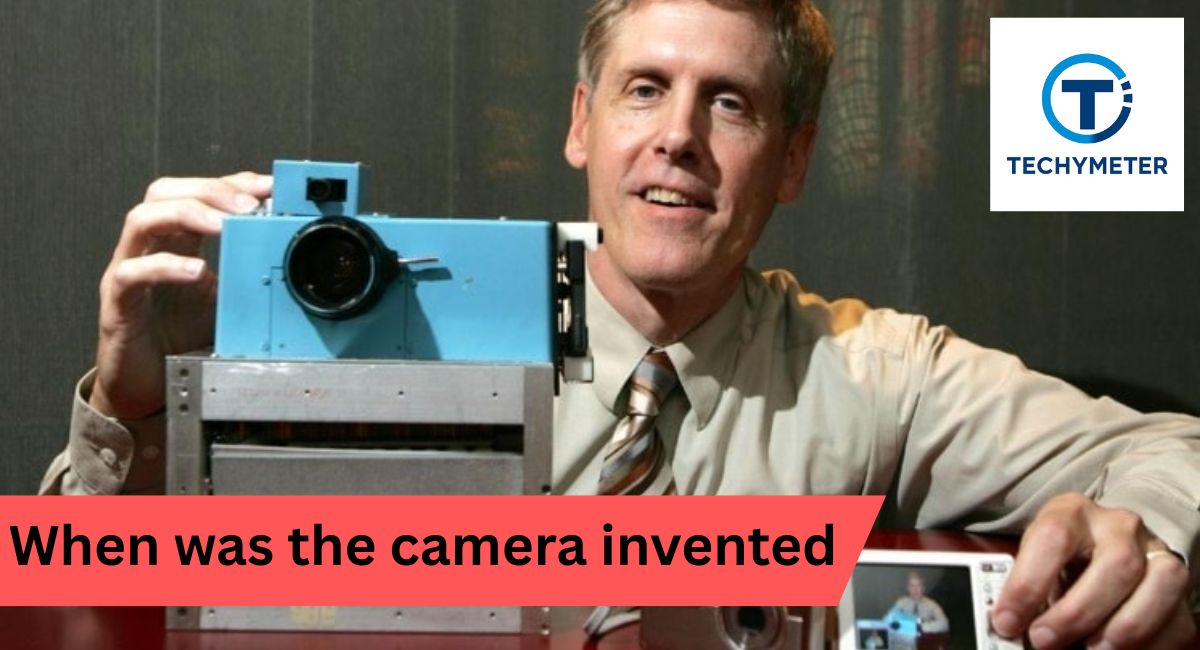
Understanding when was the camera invented is like tracing a long human curiosity about light, memory, and reality. Long before photographs existed, people observed how images formed naturally through small openings. These early observations sparked the history of camera invention and laid the foundation for capturing the world visually.
The origin of the camera did not belong to one inventor or one country. It developed slowly through ancient civilizations, scientific experiments, and artistic needs. From the camera obscura to the first permanent photograph, each breakthrough in photography’s history pushed the medium forward and changed how people recorded life.
As the evolution of the camera continued, photography moved from rare experiments to everyday use. Film cameras, digital sensors, and smartphones each marked a new chapter in this journey. Exploring how long the camera has been around helps you understand why cameras remain one of the most powerful tools for communication, storytelling, and preserving history.
The camera, evolving from ancient optical experiments to modern digital and smartphone technology, has transformed how humans capture, preserve, and share images throughout history.
This article goes over the “who and when the camera was invented” problem.
What Is a Camera and How Does It Operate?
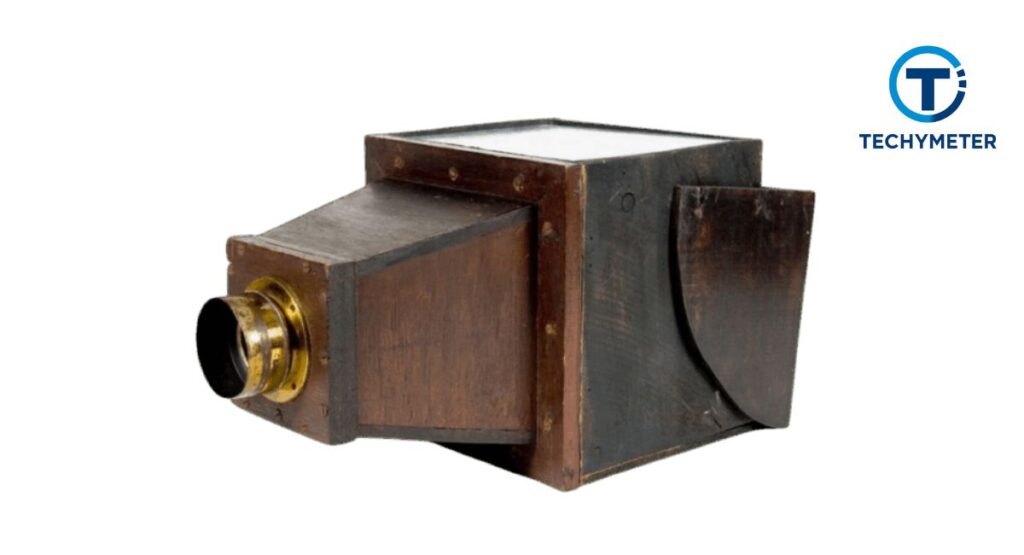
An apparatus that converts light into an image is called a camera. At its core, it controls how light enters through a lens and records that light on a surface. In early times, that surface was stone or metal. Later, it became a film. Today, it is a digital sensor. This basic idea connects all eras of modern camera technology.
To truly understand how long the camera has been around, you must see it as a controlled box of light. Light passes through a small opening or lens, flips the scene upside down, and forms an image. This simple principle shaped the entire photographic camera and remains unchanged even in smartphones.
Who Invented the Camera and When
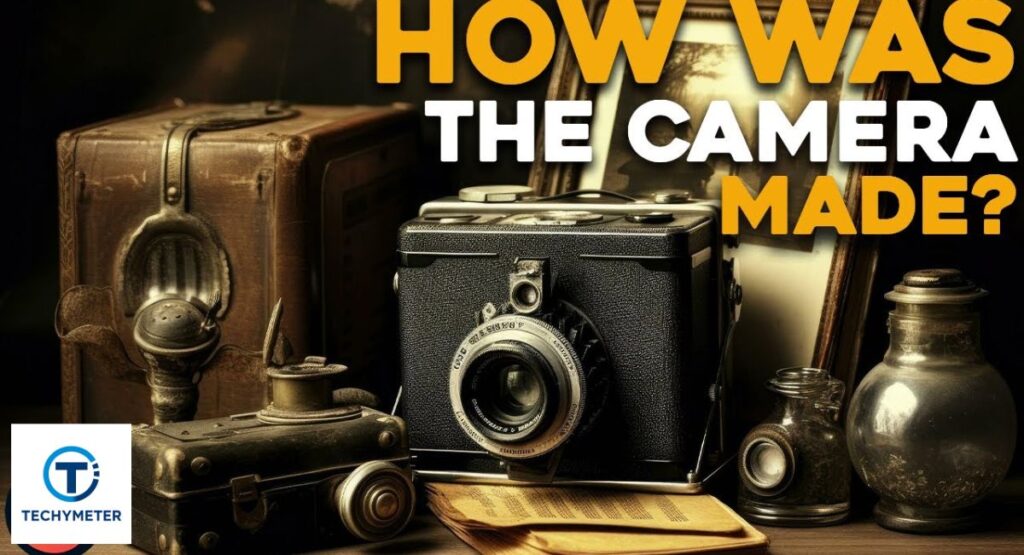
The camera was not invented by a single person or at a single moment, but its first permanent photograph was created by Nicéphore Niépce in 1826. He used a camera obscura with a pewter plate coated in bitumen, producing the earliest lasting image.
Later, Louis Daguerre refined the process in 1839, introducing the first commercially successful camera, while William Henry Fox Talbot developed the negative-positive method that allowed multiple prints. Together, these pioneers shaped the camera invention and laid the foundation for modern photography.
The Concept of Image Formation Before Cameras Existed
Long before people asked when the camera was first used, humans noticed that light could project images naturally. Sunlight passing through small cracks created inverted pictures on cave walls. These accidental projections fascinated early thinkers and artists.
This curiosity led to the camera discovery process. Ancient civilizations did not have cameras, but they understood shadows, reflections, and light direction. These early ideas became the foundation of ancient cameras, even though no photograph could yet be saved.
Camera Obscura – The Foundation of All Cameras
The camera obscura was the first true step toward photography. The term means “dark room” in Latin. Light enters a dark space through a tiny hole and projects an image on the opposite wall. This was the invention of the camera obscura, and it changed visual understanding forever.
Artists used a camera obscura to trace landscapes accurately. Scientists used it to study eclipses safely. This device answers part of the question When was the first camera invented, Because, although it could not record images, it proved that cameras were possible.
When Was the Camera Obscura Invented, and By Which Civilization
The idea of the camera obscura appeared independently across civilizations. Chinese philosopher Mozi described it around the 5th century BCE. Greek thinker Aristotle later observed similar effects. During the Islamic Golden Age, Ibn al-Haytham explained it scientifically.
This shared progress explains which country invented the camera is not a simple answer. Camera technology grew collectively. The origin of the camera belongs to human knowledge, not one nation or person.
How Early Optical Experiments Led to Camera Discovery
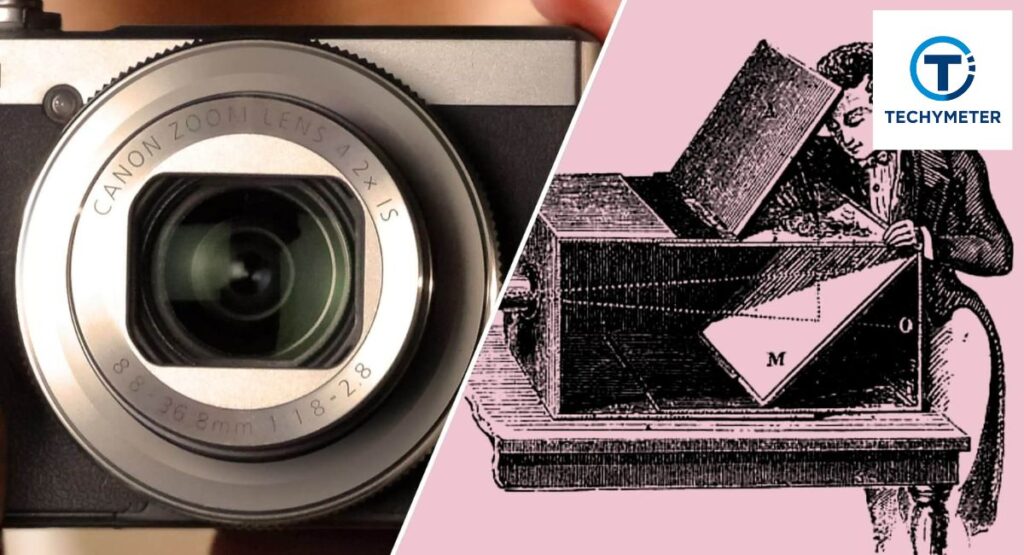
As glassmaking improved, lenses became clearer and more precise. European scientists experimented with curved glass to focus light better. These experiments pushed early camera technology forward.
Painters and astronomers relied on these tools. Their work quietly shaped the development of cameras, long before photography existed. This stage prepared the world for capturing permanent images.
When Was the Camera First Used in Practical Life
By the 1600s, camera obscura devices were portable. Artists carried them outdoors. Scientists used them for research. This moment marks when the camera was first used in daily life, even without photographs.
However, images could not yet be preserved. Everything vanished when the light disappeared. The dream of saving images permanently drove the next breakthrough in the history of photography.
Nicéphore Niépce and the First Permanent Photograph
Nicéphore Niépce solved the problem of permanence in 1826. He created the first permanent photograph using a pewter plate coated with bitumen. The exposure took several hours of sunlight.
This moment defined the first photographic camera era. Niépce proved that images could be fixed forever. His work answered who really invented the camera, at least in photographic terms.
How the World’s First Camera-Generated Photo Was Created
Niépce placed his camera obscura facing a courtyard. Light hardened the bitumen where it struck. Unexposed areas were washed away, leaving an image behind. This was the first camera to produce a photograph.
Although crude, it marked the invention of photography. This achievement transformed theory into reality and reshaped visual history permanently.
Louis Daguerre and the First Commercially Successful Camera
Louis Daguerre refined Niépce’s work and introduced the daguerreotype in 1839. This was the first widely adopted photographic process. Daguerre became the first commercial camera inventor.
His success made photography public. For the first time, ordinary people could own portraits. This milestone deeply influenced the camera evolution timeline and visual culture.
How Daguerreotype Cameras Worked and Why They Were Revolutionary
Daguerreotype cameras used silver-coated copper plates. Exposure times were shorter, and images were extremely detailed. Each photo was unique and could not be copied. Despite limitations, this method defined early film camera history before film even existed. It showed that cameras could be practical, profitable, and popular.
William Henry Fox Talbot and the Invention of Negative Film
William Henry Fox Talbot introduced the negative-positive process. This allowed multiple prints from one image. His invention changed the history of film photography forever. Talbot’s work solved reproducibility. It answered who invented the camera in a broader sense, proving photography was an evolving system, not a single invention.
How Film Negatives Changed Photography Forever
Negatives made photography scalable. Books, newspapers, and science benefited. This shift accelerated the evolution of the camera across society. Photography became a tool for truth, memory, and documentation. Without negatives, modern media would not exist as we know it.
The Birth of Mass Photography Through George Eastman
George Eastman simplified photography. He introduced roll film and affordable cameras. This allowed everyday Americans to take photos easily. His vision democratized imaging and pushed the development of cameras into homes, schools, and travel culture.
When Was the First Kodak Camera Invented, and By Whom
The first Kodak camera appeared in 1888. Eastman was who inventor of the Kodak camera, and this occurred when the first Kodak camera was invented.”You press the button, we do the rest” was a catchphrase that revolutionized photography. It made cameras friendly and accessible.
How Roll Film Made Cameras Portable for Everyone
Roll film replaced heavy glass plates. Cameras became smaller and lighter. Photography moved outdoors and into daily life. This breakthrough shaped the film cameras and built the foundation for handheld cameras.
Camera Evolution Timeline (Early Summary)
| Year | Innovation | Importance |
| 500 BCE | Camera obscura described | Birth of imaging theory |
| 1826 | First permanent photograph | Start of photography |
| 1839 | Daguerreotype released | Public photography |
| 1888 | Kodak camera | Mass photography |
Evolution of Cameras in the 19th Century
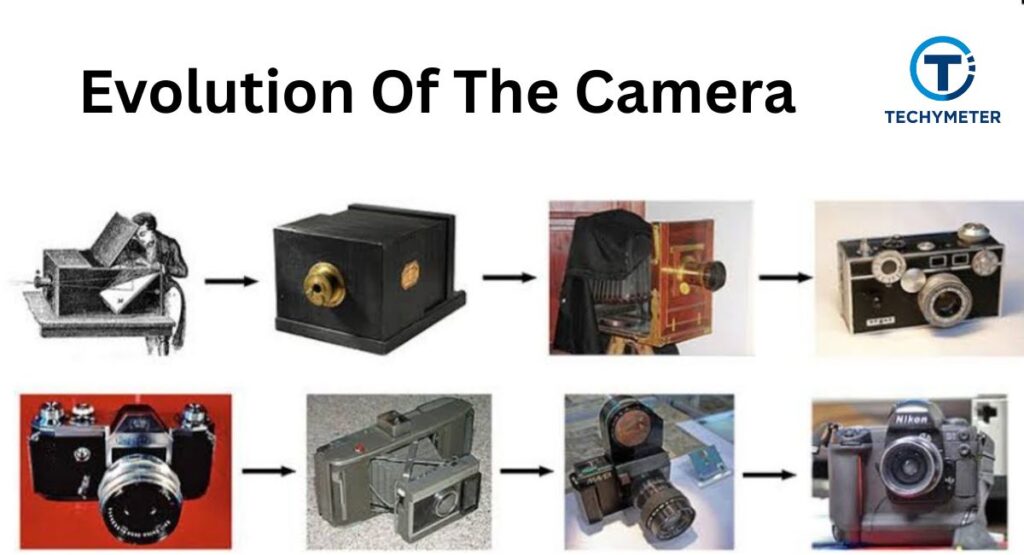
The 19th century was a turning point in the evolution of the camera because photography moved from experimentation to refinement. Cameras became more durable, exposure times dropped from hours to minutes, and chemical processes improved image clarity.
These developments strengthened the invention of the camera by enabling photography to leave studios and enter real-world settings, including streets, battles, and scientific expeditions. Manufacturers began standardizing camera designs, making them more reliable and easier to operate.
Mechanical shutters replaced simple lens caps, and optical glass improved significantly. This period established photography as a practical profession and laid strong foundations for the development of cameras that would follow in the 20th century.
The Rise of 35mm Film and Compact Camera Design
The introduction of 35mm film revolutionized photography by dramatically reducing camera size. Smaller film formats meant lighter cameras, allowing photographers to move freely and capture spontaneous moments. This innovation pushed the history of photography toward realism and storytelling rather than posed studio images.
Compact cameras quickly gained popularity among journalists and travelers. Iconic images of war, culture, and daily life became possible because photographers could carry cameras everywhere. This shift reshaped the photographic camera and proved that portability was just as important as image quality.
Twin-Lens Reflex (TLR) and Single-Lens Reflex (SLR) Cameras Explained
Twin-lens reflex cameras introduced a new way to compose images by separating the viewing and taking lenses. This design improved framing accuracy and reduced errors, especially in portrait and studio photography. TLR cameras became popular among professionals seeking reliability and consistency.
Single-lens reflex cameras later transformed photography by allowing photographers to view scenes directly through the same lens that captured the image. This innovation eliminated guesswork and greatly improved precision. SLR systems became a defining moment in the camera evolution timeline, influencing nearly every professional camera that followed.
How Automation Improved Focus, Exposure, and Speed
Automation made photography easier and faster for everyone. Auto-focus systems reduced missed shots, while built-in light meters ensured proper exposure in changing conditions. These features removed technical barriers that once required years of training.
Motorized film advance allowed rapid shooting, making action photography possible. These improvements marked a major leap in early camera technology, bridging the gap between mechanical cameras and modern intelligent systems.
Instant Cameras and the Polaroid Revolution
Instant cameras changed photography from a waiting process into an immediate experience. Polaroid technology allowed images to develop within minutes, creating excitement and emotional connection. Families, artists, and journalists embraced this instant gratification.
The cultural impact was enormous. Instant photography influenced social interaction, creativity, and even modern digital expectations. Combining chemistry, mechanical, and human emotion, it turned into a remarkable chapter in the history of photography.
When Motion Picture Cameras Were Invented
Motion picture cameras emerged when inventors realized that rapid sequences of still images could simulate movement. This innovation expanded photography into time-based storytelling and entertainment. Cameras were no longer just for preservation but for narrative.
This development answered new questions about when the camera was first used for mass communication. It introduced cameras into theaters, education, and public culture, forever changing visual media.
Lumière Brothers and the Birth of Cinematography
The Lumière brothers brought moving images to the public with their cinématographe. Their device recorded, processed, and projected films, making cinema accessible to audiences for the first time. Their work transformed cameras into storytelling machines. This milestone strengthened the role of cameras in shaping culture, history, and entertainment worldwide.
Transition from Film Cameras to Electronic Imaging
The shift toward electronic imaging marked the beginning of the transition from film to digital cameras. Light was no longer captured chemically but converted into electrical signals using sensors. This reduced costs, increased efficiency, and simplified image storage.
Film photography gradually declined as electronic systems improved. The transition reshaped industries, workflows, and creative freedom, marking one of the biggest shifts in camera history.
Early Experiments That Led to Digital Photography
Digital photography began in laboratories and space programs. NASA needed lightweight imaging systems, and computers made image processing possible. These experiments demonstrated that photography could exist without film.
This stage laid the groundwork for digital camera evolution, proving that sensors and data could replace chemical processes without losing meaning or detail.
Steven Sasson and the World’s First Digital Camera
While employed at Kodak in 1975, Steven Sasson created the first digital camera. This innovation answered who invented the first digital camera clearly and historically. The device used a CCD sensor and stored images digitally.
Although the prototype was bulky and slow, it introduced a revolutionary concept. Sasson’s work quietly reshaped the future of imaging technology.
When the First Digital Camera Was Invented and Introduced
The first digital camera was invented in 1975, clearly answering when the first digital camera was invented. However, it was not released commercially due to industry hesitation and fear of disrupting film markets. Despite this delay, the invention marked a defining moment. It proved digital photography was possible and inevitable.
How Early Digital Cameras Actually Worked
Early digital cameras captured low-resolution images and stored them on magnetic tapes or disks. Images were displayed on external monitors rather than screens built into cameras. Though limited, these systems validated digital imaging and paved the way for future consumer adoption and innovation.
The Shift from Analog Electronic to True Digital Cameras
True digital cameras removed film entirely and relied on memory cards. Image quality improved rapidly, and storage became reusable and portable. This transformation accelerated adoption worldwide and reshaped the development of cameras into a digital-first industry.
The Evolution of Digital SLR (DSLR) Cameras
DSLR cameras combined digital sensors with traditional SLR mechanics. Professionals embraced them for speed, flexibility, and superior image quality. For many years, DSLRs dominated photography and defined industry standards in journalism, wildlife, and commercial photography.
Mirrorless Cameras and the End of Mechanical Mirrors
Mirrorless cameras eliminated mechanical mirrors, reducing size and increasing speed. Electronic viewfinders replaced optical systems, offering real-time previews. This innovation represents the latest phase in the evolution of the camera, blending compact design with professional performance.
Camera Phones and the Smartphone Photography Boom
Smartphones transformed photography into an everyday activity. Advanced software enhances images automatically using computational techniques. This boom redefined modern camera technology, turning cameras into communication tools rather than standalone devices.
How Long Cameras Have Been Around – A Timeline Summary
To answer how long the camera has been around, history shows more than 2,000 years of gradual evolution. From ancient optical discoveries to AI-driven systems, cameras have continuously adapted. This long journey proves photography is a shared human achievement rather than a single invention.
Which Country Invented the First Camera
No single country invented the camera. Contributions came from China, Greece, the Islamic world, France, England, and the United States. This global effort explains which country invented the camera accurately and respectfully.
Who Really Invented the Camera – One Person or Many?
The camera was invented through collective progress. Scientists, artists, and engineers each played crucial roles. This perspective answers who really invented the camera more truthfully than naming one individual.
Key Milestones in Camera Technology From the 1600s to Today
| Period | Breakthrough | Lasting Impact |
| 1600s | Optical principles | Scientific imaging |
| 1800s | Photography | Permanent records |
| 1900s | Film cameras | Mass communication |
| 2000s | Digital cameras | Instant global sharing |
How Cameras Transformed Media, Science, and Daily Life
Cameras changed how humans document reality. Journalism gained credibility, medicine advanced diagnostics, and families preserved memories. Photography became a universal language understood across cultures and generations.
How Early Cameras Changed Art and Painting Techniques
Early cameras deeply influenced art long before people debated when the camera was invented. Artists used optical tools to understand light, depth, and proportion more accurately. This connection between art and optics played a key role in the invention and shaped realistic painting styles across Europe.
By tracing projected images, painters improved accuracy while maintaining creativity. This relationship helped normalize the origin of the camera as a visual aid rather than a threat to art. It also pushed forward the broader history of photography by blending artistic needs with scientific discovery.
The Role of Chemistry in the Invention of Photography
Chemistry made photography permanent. Without light-sensitive chemicals, images could never be saved. The discovery of silver salts and bitumen enabled the first permanent photograph, changing visual history forever and advancing the invention of photography.
Chemical reactions allowed light to leave a lasting mark. This scientific breakthrough supported the camera discovery process and became the backbone of early camera technology, proving that cameras needed both optics and chemistry to function.
Why Early Cameras Required Long Exposure Times
Early cameras required long exposure times because materials reacted slowly to light. Some images took hours to appear, limiting subjects to buildings and landscapes. This explains many constraints in the first photographic camera era.
These limitations shaped the camera evolution timeline and explain why early portraits look stiff. Faster reactions only emerged later, pushing the development of cameras toward usability and realism.
How War and Journalism Accelerated Camera Innovation
War demanded speed and accuracy. Journalists needed to capture moments quickly, forcing innovation in shutters and film. This urgency accelerated the evolution of the camera more than any peaceful demand.
As a result, cameras became portable and reliable. These pressures shaped the photographic camera’s history and helped answer when the camera was first used for documentation rather than art alone.
The Impact of Cameras on American History and Culture
Cameras documented defining American moments, from civil rights protests to moon landings. Images shaped national memory and public opinion. Photography became evidence, not opinion. This cultural role strengthened interest in how long the camera has been around and reinforced its power in shaping identity, truth, and shared history in the United States.
How Space Exploration Advanced Camera Technology
Space exploration demanded cameras that could survive extreme conditions. NASA invested heavily in imaging research, accelerating sensor development and digital storage. These advancements fed directly into digital camera evolution and later consumer technology. Space imaging quietly shaped much of today’s modern camera technology.
The Difference Between Scientific Cameras and Consumer Cameras
Scientific cameras prioritize accuracy and data precision. Consumer cameras prioritize ease of use and speed. Both paths influenced the development of cameras differently. Together, they shaped the broader history of photography, proving that cameras serve many purposes beyond everyday use.
How Social Media Changed the Purpose of Cameras
Social media transformed photography into instant communication. Cameras became tools for conversation rather than documentation alone. Images now travel faster than words. This shift reshaped modern camera technology and altered how people think about photography, visibility, and memory.
Why Camera History Matters in the Digital Age
Understanding when the camera was invented helps people appreciate today’s technology. Every smartphone camera carries centuries of innovation behind it. Knowing the origin of the camera builds respect for photography as a human achievement, not just a digital feature.
Will Traditional Cameras Disappear Completely?
Despite digital dominance, film cameras remain popular among artists and collectors. Their unique character keeps the film camera history alive. This coexistence shows photography is evolving, not replacing itself. The past and present continue to inform the future.
The Future of Cameras and Imaging Technology
Future cameras will rely on artificial intelligence, advanced sensors, and immersive imaging. Photography will become smarter, faster, and more intuitive. The story of when the camera was invented continues, evolving alongside human imagination and technology.
Conclusion
Understanding when the camera was invented reveals a story built over centuries, not a single moment. From ancient optical discoveries to the first permanent photograph, the invention shows how science, art, and curiosity worked together. The origin of the camera proves that photography evolved gradually through shared human knowledge.
As technology advanced, the evolution of the camera moved from camera obscura to film, then through the transition from film to digital cameras. Innovators like those behind the first photographic camera, the Kodak era, and the digital camera evolution transformed photography into an everyday tool. Each step expanded access, accuracy, and creative freedom.
Today, modern camera technology reflects this long journey, blending hardware, software, and intelligence. Knowing how long the camera has been around helps you appreciate how deeply photography shapes communication, history, and daily life. The camera’s past explains its power today and hints at an even more innovative future.
FAQs
1. Who invented the camera first?
The first true permanent photograph was created by Nicéphore Niépce in 1826, making him the first person to invent a camera capable of producing lasting images.
2. Who created the original camera?
The concept of the original camera comes from the camera obscura, described by ancient civilizations like the Chinese and Greeks. However, the first camera to capture a permanent image was made by Niépce.
3. Who invented the camera in 1888?
The camera 1888, known as the first Kodak camera, was invented by George Eastman, making photography accessible to the general public.
4. Who invented the camera in 1840?
Around 1840, Louis Daguerre developed the daguerreotype camera, the first commercially successful photographic camera, building on Niépce’s earlier work.
Here are 6 additional FAQs with concise, two-line answers:
5. When was the camera first used commercially?
Cameras were first used commercially in 1839 with Louis Daguerre’s daguerreotype, allowing people to buy portraits and document events.
6. Which country invented the first camera?
The first camera concept emerged in multiple regions, but France is credited with the first permanent photographic camera by Niépce, later commercialized by Daguerre.
7. How did film cameras evolve?
Film cameras evolved from heavy glass plates to roll film, invented by George Eastman in 1888, making cameras portable and usable for the public.
8. When did digital cameras replace film?
Digital cameras began replacing film in the late 1990s and early 2000s, offering instant image capture, storage, and editing without chemical processing.
9. Who invented negative film?
William Henry Fox Talbot invented negative film in the 1840s, allowing multiple prints from a single image and transforming the history of film photography forever.
10. When were motion picture cameras invented?
Motion picture cameras were invented in the late 1800s, enabling sequential images to create moving pictures, with the Lumière brothers pioneering public cinematography.
Read More
Camera Magnets: The Ultimate Guide for Photographers and Videographers
BT Camera — Complete Guide, Features, Setup & Review
The Complete Guide to Night Vision Cameras: How They Work, Why They Matter & Best Options
Further read by:
- The Best Bird Feeder Cameras of 2026: Smart Picks for Every Backyard
- 11 Vent Camera Truths That Will Surprise You in 2026
- 7 Powerful Camera 6 Secrets You Must Know (Complete 2026 Guide)
- 7 Shocking Fixes for Camera Battery Low Issues
- 9 Shocking Truths: Are Construction Cameras Worth It?
 Ahmedd12